Gardening Made Simple.
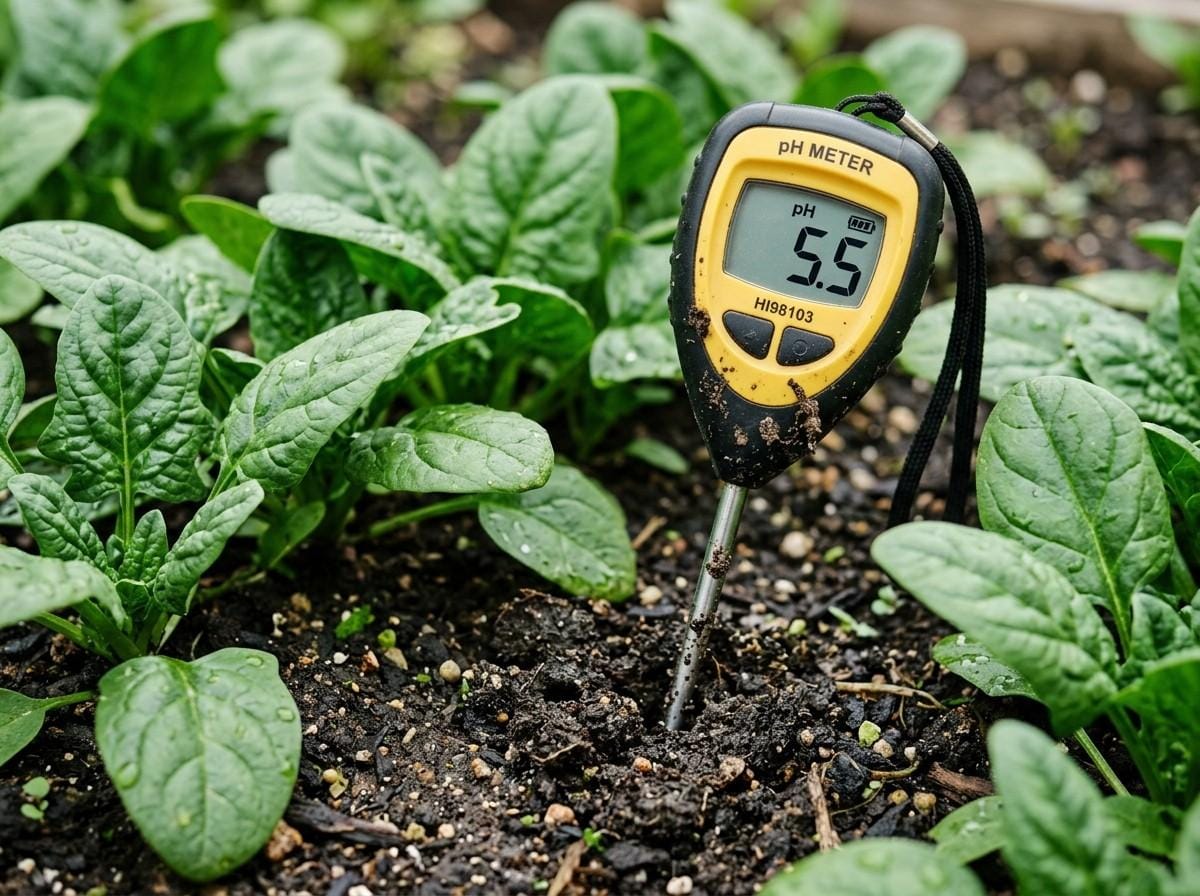
Are you growing spinach and wondering why your plants aren’t thriving as expected? One key factor you might be missing is the soil pH. Understanding Spinach Soil Ph Tolerance 5.5 can help you determine whether your soil is suitable for healthy growth.
While spinach performs best in slightly acidic to neutral soil, knowing its pH tolerance and how to adjust soil conditions can improve germination, leaf production, and overall plant health.

Spinach soil pH tolerance around 5. 5 is crucial for healthy growth and vibrant leaves. If the pH is off, your spinach can struggle to absorb nutrients, leading to weak plants and poor yields. You’ll discover why maintaining the right soil pH matters, how to test your soil, and simple steps to adjust it.
Keep reading to unlock the secret to growing lush, nutritious spinach right in your garden!
Spinach grows best in soil with the right pH level. Soil pH affects how spinach absorbs nutrients. Choosing the ideal soil pH helps spinach thrive and produce healthy leaves. Understanding soil pH is key for good spinach growth.
Soil pH shows how acidic or alkaline the soil is. Spinach prefers slightly acidic soil. If pH is too low or too high, spinach may struggle. Nutrients become harder to absorb at wrong pH levels. Proper pH keeps spinach strong and green.
The best pH range for spinach is 5.5 to 6.8. This range helps spinach absorb important nutrients like nitrogen and iron. Soil pH of 5.5 is slightly acidic, which spinach likes. Staying in this range supports fast growth and good flavor.
Spinach grows best in soil with a pH close to 6.5, but it can tolerate slightly acidic soil down to pH 5.5. At this level, the soil is more acidic than ideal. This acidity affects spinach growth by changing how nutrients behave in the soil. Understanding these effects helps gardeners adjust care to keep spinach healthy.
At pH 5.5, some nutrients become less available to spinach roots. Key nutrients like phosphorus and calcium can be harder to absorb. Iron and manganese, on the other hand, become more soluble. This can lead to excess amounts, which may harm the plant. Nutrient imbalances slow down spinach growth and reduce leaf quality.
Spinach grown in pH 5.5 soil often shows signs of stress. Leaves may turn yellow or develop brown spots. Growth can be stunted, with smaller leaves and weak stems. Root development may also suffer, making the plant less stable. These problems occur because the plant struggles to get the nutrients it needs at this acidity level.
Spinach grows best in soil with a pH around 5.5. Adjusting soil pH ensures healthy growth and better leaves. The right pH helps spinach absorb nutrients well. Soil that is too acidic or too alkaline can harm plants. Knowing how to adjust soil pH keeps your spinach thriving.
To lower soil pH, add organic matter like peat moss or pine needles. These materials make soil more acidic. Use sulfur or aluminum sulfate carefully to reduce pH faster. Always test soil pH before adding chemicals. Water the soil well after applying acidifying agents. Avoid overuse to prevent harming plants.
Raise soil pH by adding lime or wood ash. Lime is the most common material to make soil less acidic. Apply lime evenly and mix it into the soil. Wood ash also helps but use it sparingly. Test soil pH regularly to avoid raising it too much. Proper pH balance supports spinach nutrient uptake.
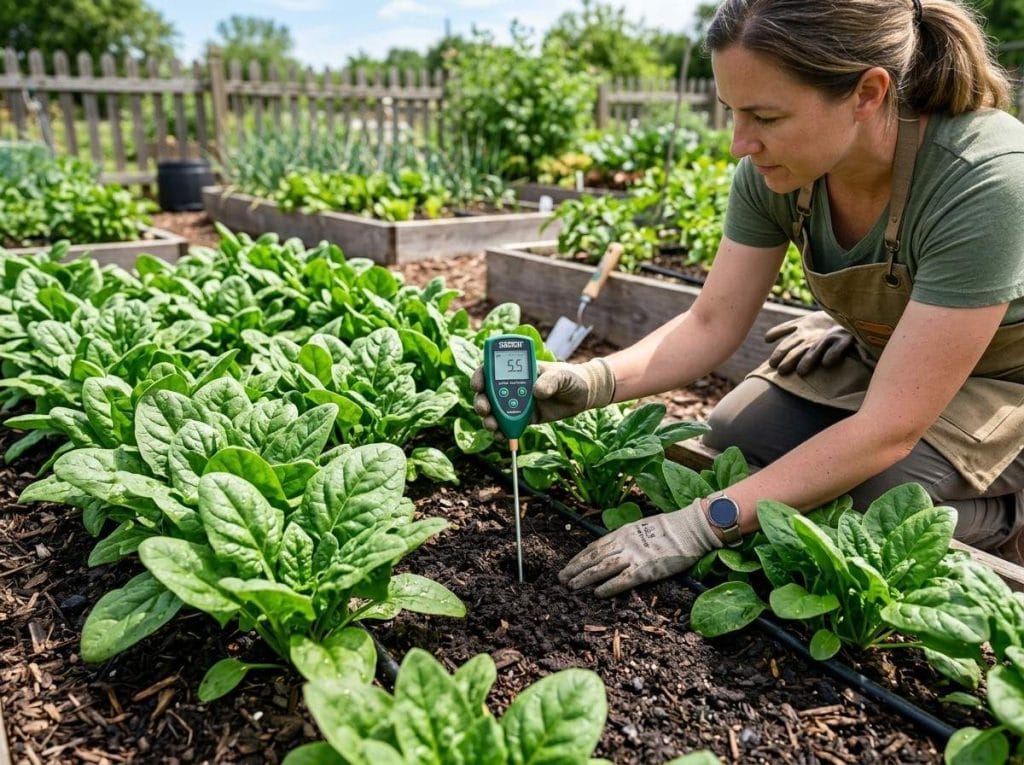
Testing soil pH is important for growing healthy spinach. Spinach prefers a soil pH around 5.5. This level helps spinach absorb nutrients well. Knowing your soil’s pH guides you to make needed changes. Testing is simple and gives clear results. It helps you decide if your soil needs adjustment.
You need the right tools to test soil pH. pH meters are popular and easy to use. They give quick and accurate readings. pH test strips are another option. They are less precise but simple and cheap. Soil test kits can measure many things, including pH. Choose a tool that fits your budget and needs.
Test soil pH before planting spinach. This helps you prepare the soil properly. Take samples from several spots in your garden. Mix them well for a good average. Follow tool instructions carefully for best results. Test again during the growing season to track changes. Regular testing keeps your soil in good shape.

Soil amendments improve soil quality and help spinach grow well. Spinach prefers soil with a pH near 5.5. Proper amendments balance pH and add nutrients. This creates a healthy environment for roots and leaves.
Choosing the right amendment boosts growth and prevents problems. Organic and chemical options both work. Each type has its own benefits and effects on soil.
Organic amendments come from natural sources. Compost is one of the best choices. It adds nutrients and improves soil texture. Well-rotted manure also helps by enriching the soil. Peat moss lowers soil pH slightly, suitable for spinach’s acidic needs.
Organic matter increases water retention and supports beneficial microbes. These microbes break down nutrients, making them easier for plants to use. Using organic options builds soil health over time and supports sustainable gardening.
Chemical amendments adjust soil pH quickly and precisely. Sulfur is common for lowering pH to reach 5.5. It reacts in the soil to make it more acidic. Aluminum sulfate works faster but must be used carefully to avoid harm.
Lime is not recommended here as it raises pH. Always test soil before adding chemicals. Proper dosage prevents damage and keeps spinach healthy. Chemical amendments give fast results but do not improve soil structure.
Watering and soil pH play a big role in growing healthy spinach. Spinach grows best in soil with a pH around 5.5. The right pH helps spinach absorb nutrients well. Watering affects soil pH and nutrient availability. Poor water quality or wrong watering can harm the plants.
Understanding how water and pH interact helps you grow strong spinach. Control both to keep plants healthy and thriving.
Water quality changes soil pH. Hard water with minerals raises pH levels. Soft or acidic water lowers pH. High pH can block nutrients like iron and zinc. Low pH can cause nutrient burn. Use water that matches spinach’s pH needs. Test water regularly to avoid surprises.
Water spinach evenly to keep soil moisture steady. Avoid overwatering; it can wash away nutrients. Use drip irrigation for better water control. Check soil pH often, especially during growing season. Adjust water source or add soil amendments if pH drifts. Proper irrigation improves nutrient uptake and plant health.
Spinach grows best in soil with a pH near 5.5. Different spinach types handle soil acidity in various ways. Knowing which varieties thrive in slightly acidic soil helps gardeners choose the right seeds. This improves growth and yield. Understanding pH tolerance guides better planting decisions and healthier spinach crops.
Some spinach varieties tolerate acidic soil better than others. 'Bloomsdale' spinach grows well in soil with a pH of 5.5. It resists leaf damage from acidity. 'Tyee' spinach also adapts to lower pH levels and produces tender leaves. Choosing these varieties helps avoid poor growth and leaf yellowing. These types handle nutrient uptake well in acidic conditions.
Pick spinach cultivars known for acid tolerance to ensure a healthy garden. Seed catalogs often list pH tolerance for each type. Choose cultivars that resist diseases common in acidic soil. These plants stay strong and yield more. Resistant cultivars reduce the need for soil adjustments or extra fertilizers. They offer a simpler way to grow spinach in challenging soil.
Spinach grows best in slightly acidic to neutral soil. A pH of 5.5 is on the lower side of this range. This acidity can cause some common soil problems that affect spinach health and growth. Understanding these problems helps gardeners manage their soil better and grow healthy spinach.
At pH 5.5, some nutrients become less available to spinach plants. Iron, magnesium, and calcium can be hard for roots to absorb. This leads to nutrient deficiencies. Leaves may turn yellow or pale green. Older leaves might show brown spots or curling. Poor nutrient uptake slows plant growth. Symptoms often look like plant stress or disease.
Acidic soil can increase the risk of some pests and diseases. Fungal infections may thrive in low pH conditions. Root rot and leaf spot diseases become more common. Pests like root nematodes may also increase. Weak plants are less able to fight pests. Healthy soil balance is key to reducing risks.
Growing spinach successfully needs careful attention to soil and care methods. Spinach thrives best in soil with a pH around 5.5. This slightly acidic environment helps spinach absorb nutrients well. Following the right practices improves plant health and crop yield.
Crop rotation helps keep soil healthy and free from pests. Avoid planting spinach in the same spot every season. Rotate with crops like beans or carrots. These plants use different nutrients and reduce disease risks. Crop rotation also improves soil structure and fertility.
Spinach needs balanced nutrients for strong growth. Use fertilizers rich in nitrogen, phosphorus, and potassium. Apply nitrogen carefully to avoid too much leaf growth only. Organic compost or well-rotted manure works well. Test soil regularly to adjust fertilizer amounts. Proper feeding supports leafy, tender spinach leaves.
Spinach grows best in soil with a pH around 5. 5 to 7. 0 for optimal nutrient uptake.
Slightly acidic soil helps spinach absorb nutrients like iron and magnesium better.
Soil pH 5. 5 keeps nutrients available and supports healthy spinach leaf development.
Spinach may grow but can suffer nutrient deficiencies and slower growth below pH 5. 5.
Use sulfur or organic matter to lower pH and lime to raise pH as needed.
Spinach grows best in soil with a pH around 5. 5. This level helps spinach absorb nutrients easily. Soil that is too acidic or too alkaline can harm the plant. Testing your soil pH before planting is important. Adjust the pH with lime or sulfur if needed.
Healthy soil leads to strong spinach leaves and better yield. Keep checking soil pH during the growing season. Good soil care means a healthy, tasty spinach harvest every time. Simple steps make a big difference in your garden’s success.