Gardening Made Simple.
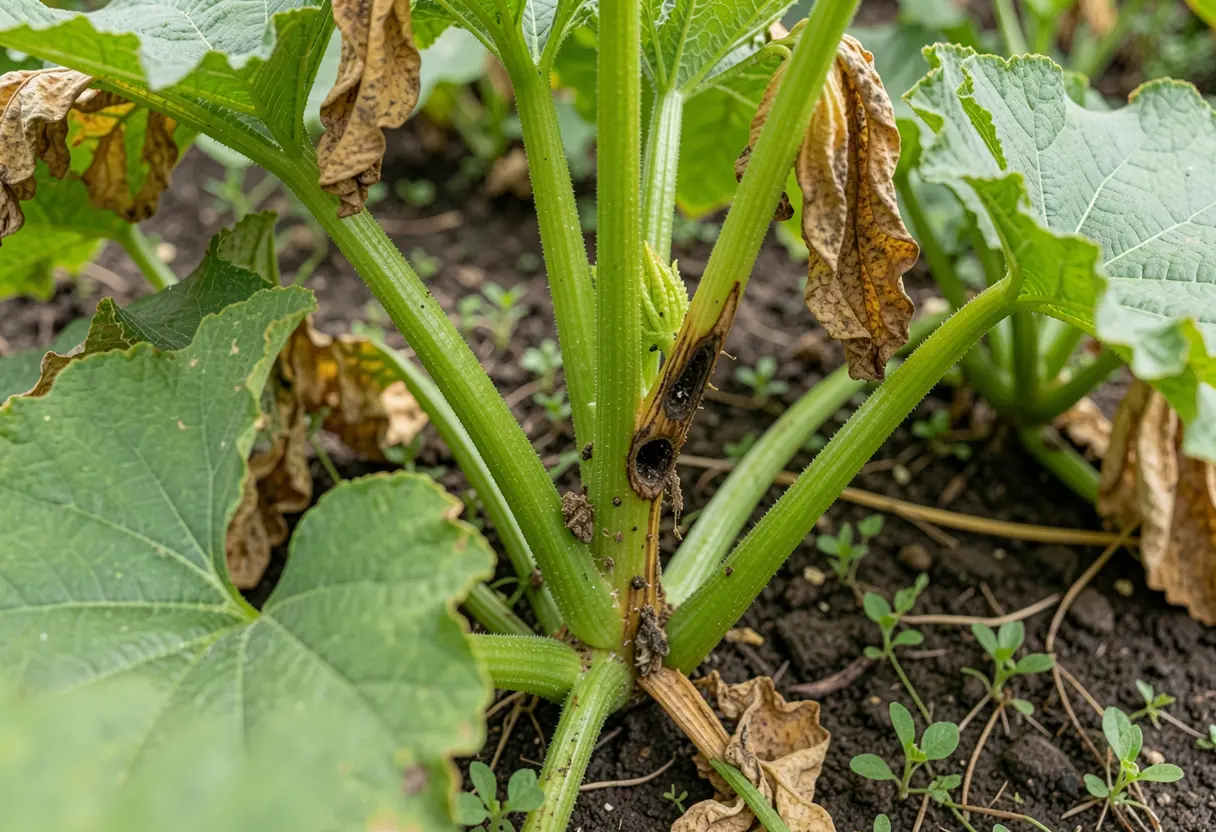
Are you tired of seeing your squash plants wilt and die without knowing why? Squash vine borers could be the hidden enemy ruining your garden. Using effective Squash Vine Borer Control methods can help you protect your plants and keep your garden healthy and productive.
These tiny pests bore into your vines, cutting off the life your plants need to grow strong and produce tasty squash. But don’t worry—you don’t have to lose your crop. You’ll discover simple and effective ways to spot, stop, and control squash vine borers before they take over your garden.
Keep reading to protect your plants and enjoy a healthy, thriving squash harvest this season!
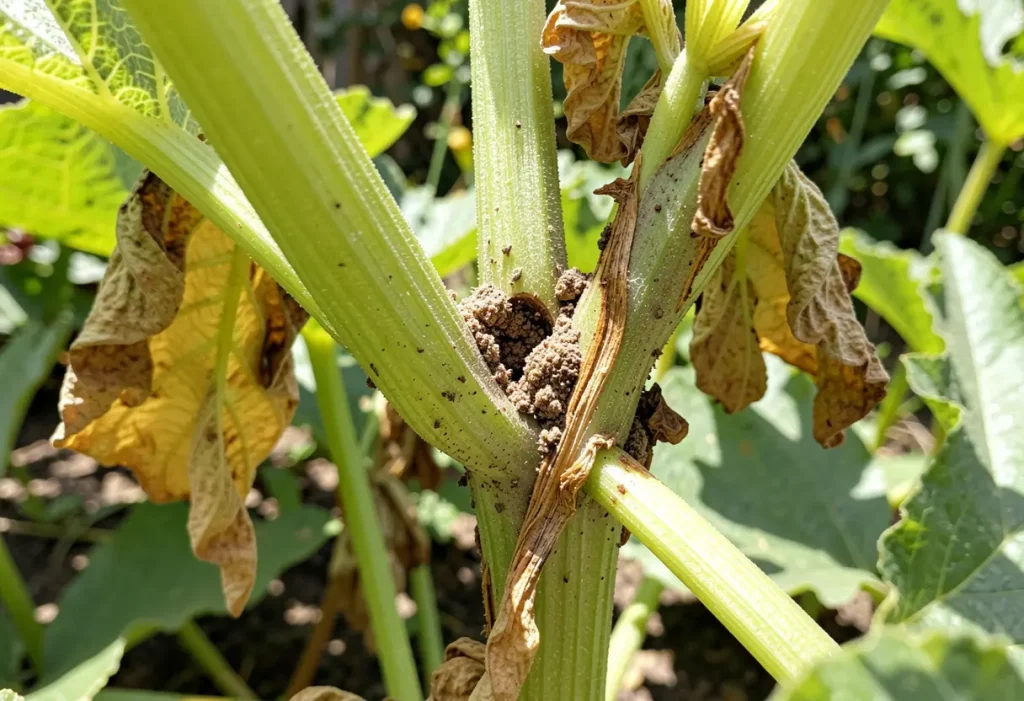
Identifying squash vine borers early can save your plants from serious damage. These pests attack squash plants and cause stems to wilt and die. Knowing how to spot them helps protect your garden and keep your squash healthy.
Look for holes at the base of squash stems. Sawdust-like material may appear near these holes. Leaves on the plant start to yellow and wilt quickly. The plant may suddenly collapse despite watering. These are common signs that squash vine borers are present.
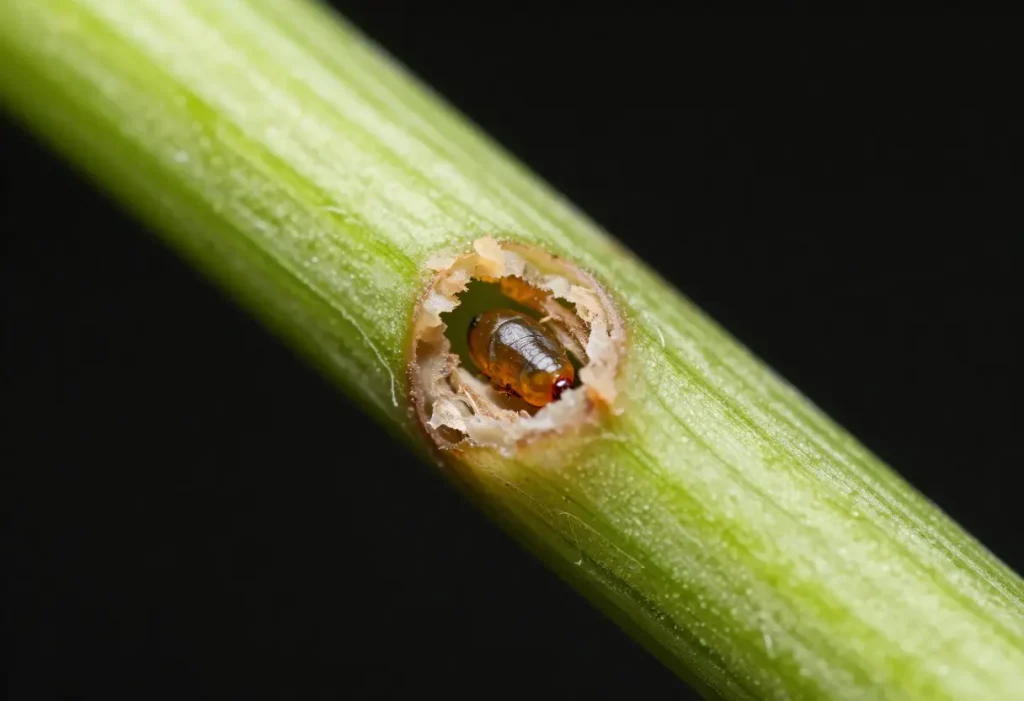
Squash vine borers begin as eggs laid on plant stems. Larvae hatch and bore inside the stem, feeding on the plant. This stage lasts several weeks and causes most damage. Then larvae leave the stem to pupate in the soil. Adults emerge, mate, and lay more eggs. This cycle repeats each growing season.
Preventing squash vine borer attacks is key to keeping your plants healthy. These pests can destroy vines quickly, causing big losses in your garden. Taking steps early can protect your squash and improve your harvest. Simple actions can stop the pest before it starts.
Change the location of your squash plants every year. Planting squash in a new spot helps break the pest's life cycle. Squash vine borers lay eggs in the soil near old plants. Moving crops stops larvae from finding food easily. Rotate with plants that borers don’t eat, like beans or corn.
Cover young squash plants with lightweight fabric. Row covers block adult moths from laying eggs on vines. Make sure to secure the edges well to prevent entry. Remove covers when plants begin to flower for pollination. This method creates a physical barrier against pests.
Plant squash early or late in the season. Avoid peak times when squash vine borers are most active. Early planting lets plants grow strong before borers arrive. Late planting can miss the main egg-laying period. Adjust planting dates based on local pest activity for best results.
Natural control methods help protect squash plants without chemicals. These methods support a healthy garden and keep pests low. Using nature’s tools is safe for people, pets, and the environment. Let’s explore easy ways to control squash vine borers naturally.
Beneficial insects eat squash vine borers and stop them from spreading. Parasitoid wasps lay eggs inside borer larvae, killing them over time. Ladybugs and lacewings also feed on eggs and young pests. Encourage these insects by planting flowers like dill and fennel nearby.
Check squash stems regularly for signs of larvae. Look for small holes or sawdust near the base. Carefully cut open the stem and remove any larvae found inside. This manual method stops damage early and saves the plant from wilting.
Planting certain herbs and flowers near squash can repel vine borers. Marigolds, nasturtiums, and radishes confuse or drive away the pests. These plants also attract beneficial insects that protect your garden. Mixing crops makes it harder for borers to find squash.
Chemical control options provide a direct way to manage squash vine borers. These insecticides target the pests before they damage the plants deeply. Proper use of chemicals can protect your squash vines effectively.
Choose insecticides labeled for squash vine borer control. Products with active ingredients like spinosad or permethrin work well. Always read the label to confirm it matches your pest problem. Avoid broad-spectrum insecticides that may harm beneficial insects.
Wear gloves and protective clothing during application. Spray in calm weather to prevent drift to other plants. Apply insecticides to the base of the plants and stems. Follow the instructions about dosage and frequency carefully to ensure safety.
Apply insecticides early in the growing season before borers hatch. Repeat sprays every 7 to 10 days as needed. Watch for egg-laying signs on stems to time sprays better. Early treatment stops larvae from entering the vines.
Organic solutions offer safe ways to control squash vine borers in your garden. These methods avoid harsh chemicals and protect beneficial insects. They keep your plants healthy and your harvest plentiful. Using natural treatments helps maintain a balanced garden ecosystem.
Neem oil works as a natural insect repellent and disrupts borer growth. Spray it on squash stems and leaves every week. It also controls other pests like aphids and mites. Organic sprays with pyrethrin can help too, but use them carefully to avoid harming pollinators.
Bacillus thuringiensis, or Bt, is a natural bacteria that kills squash vine borer larvae. Apply Bt to the base of plants and inside stems. Larvae stop feeding and die within days. Bt is safe for humans, pets, and beneficial insects, making it perfect for organic gardens.
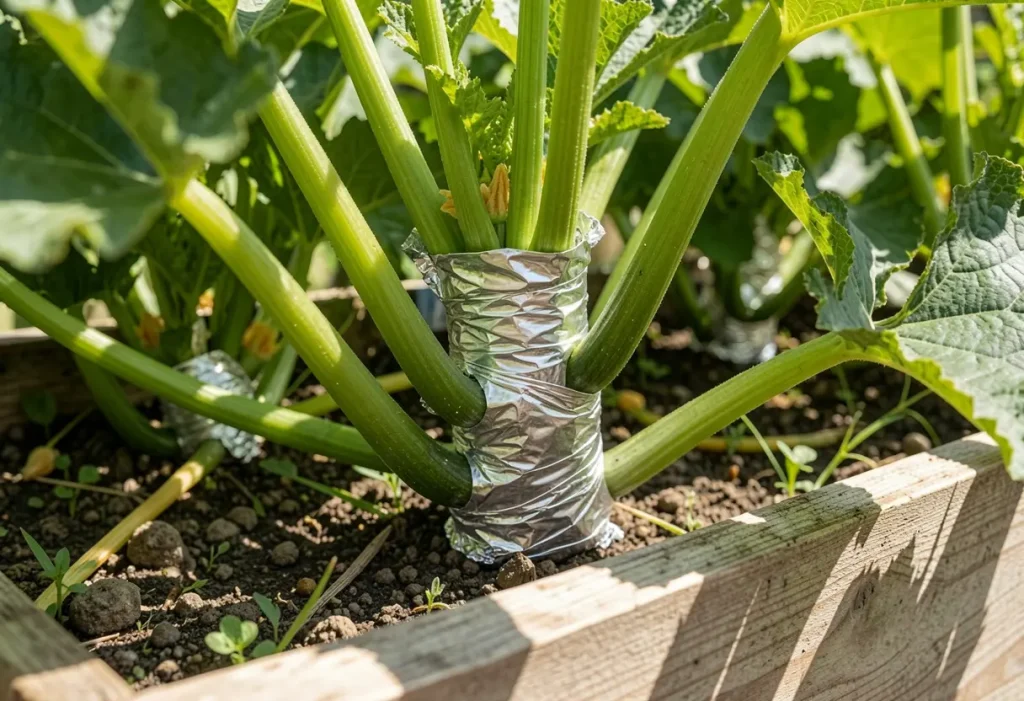
Homemade solutions can also keep borers away. Mix garlic or hot pepper with water and spray it on plants. These strong smells confuse and repel pests. Wrapping plant stems with aluminum foil blocks borers from laying eggs. These simple tricks help protect your squash naturally.
Monitoring and maintenance are key to controlling squash vine borers. Early detection helps stop damage before it spreads. Regular care keeps plants healthy and less prone to pests.
Check plants often. Look for signs like holes or wilting. Catching problems early saves your squash crop.
Look at stems near the ground for small holes or sawdust. These signs show borers have entered the plant. Inspect plants twice a week during growing season. Pay attention to wilting leaves and weak stems. Early signs are easy to miss but can save your plants.
Use traps to catch adult borers before they lay eggs. Yellow sticky traps work well. Place them near squash plants early in the season. Traps reduce the number of pests and help monitor their presence. Check traps often and replace them as needed.
Remove and destroy all plant debris after harvest. Borers can hide in leftover vines and stems. Clean soil around plants to remove pupae. This step lowers pest numbers for next year. Keep your garden tidy to prevent future infestations.
Squash vine borers can damage plants quickly. Saving these plants needs quick and careful action. Removing the borers without harming the plant is the first step. After that, help the plant recover fully. This section explains how to rescue your plants from squash vine borers.
Look for holes or sawdust near the plant stem base. These signs show where borers live. Gently cut the stem’s outer layer. Do this carefully to avoid cutting too deep. Use a small knife or garden tool. Pull out the white larvae with tweezers or your fingers. Check the stem inside for more borers. Remove all larvae you find. After removing, cover the stem with soil. This helps new roots grow and supports the plant.
Water the plant regularly but do not overwater. Keep the soil moist and not soaked. Add mulch around the base to keep moisture. Use a balanced fertilizer to help the plant grow. Support the plant with stakes if it feels weak. Watch for new growth on the stem and leaves. Remove any dead or damaged parts gently. Healthy plants can fight pests better and grow strong.
Squash vine borers are insects that damage squash plants by boring into their stems. This weakens plants and can kill them.
Look for yellowing leaves and holes at the plant stem base. Sawdust-like material near stems is a key sign.
Use row covers, handpick larvae, and plant resistant squash varieties to reduce borer damage naturally.
Treat early in spring when moths start laying eggs, usually in late May or early June.
Yes, parasitic wasps can help by attacking borer larvae, reducing their numbers naturally in your garden.
Controlling squash vine borers helps keep your plants healthy. Watch your squash stems for early signs of damage. Use traps or barriers to stop the borers from laying eggs. Removing affected parts quickly can save your crop. Regularly check plants to catch problems early.
Healthy plants grow stronger and resist pests better. A small effort now prevents bigger issues later. Keep your garden safe and enjoy fresh squash all season. Simple steps make a big difference in pest control. Stay patient and consistent for the best results.