Gardening Made Simple.

Are you wondering when the best time is to plant broccoli in your garden? When Should You Plant Broccoli is one of the most important questions gardeners ask, because timing is everything when it comes to growing this delicious and nutritious vegetable. Planting broccoli at the right time ensures healthy growth, strong heads, and a higher harvest yield.
Plant it too early or too late, and you might miss out on a healthy, bountiful harvest. But don’t worry—knowing the right moment to start can make all the difference. You’ll discover the key signs and tips to help you plant broccoli at just the right time, ensuring your garden thrives and your meals are full of fresh, tasty greens.
Keep reading to unlock the secrets to successful broccoli growing!

Choosing the best time to plant broccoli is key to a healthy harvest. Broccoli grows best in cool weather. Planting at the right time helps the plants grow strong and produce large heads. Understanding the ideal seasons, temperature needs, and frost risks will guide you to plant broccoli successfully.
Broccoli thrives in spring and fall. These seasons offer the cool temperatures broccoli needs. Spring planting should be done early, about 2-3 weeks before the last frost. For fall, plant about 85-100 days before the first frost. This timing lets broccoli mature in cool weather, avoiding the heat of summer.
Broccoli prefers temperatures between 60°F and 70°F. It grows slowly above 75°F. High temperatures can cause broccoli to bolt or turn bitter. Night temperatures below 40°F help develop a firm head. Keeping the temperature steady helps the plant develop well and stay healthy.
Broccoli can tolerate light frost. Frost helps improve the flavor of broccoli. However, hard freezes can damage young plants. Protect seedlings with row covers if frost is expected. Older plants are more frost-resistant but still need care during extreme cold. Timing your planting to avoid severe frost ensures better growth.
Preparing the soil is a vital step before planting broccoli. Healthy soil helps broccoli grow strong and healthy. Good soil supports roots and gives plants the nutrients they need. Proper soil preparation can improve the size and taste of your broccoli heads.
Broccoli grows best in soil with a pH between 6.0 and 7.0. This range helps plants absorb nutrients well. Test your soil with a simple kit before planting. If the soil is too acidic, add lime to raise the pH. If it is too alkaline, add sulfur to lower the pH.
Broccoli needs rich soil with plenty of nutrients. Nitrogen helps leaves grow, while phosphorus supports root development. Potassium improves overall plant health. Mix compost or well-rotted manure into the soil to add these nutrients naturally.
Start by clearing weeds and debris from the planting area. Loosen the soil to a depth of about 12 inches. This helps roots spread easily and access air and water. Use a garden fork or tiller for this task.
Break up large clumps of soil to create a smooth bed. Avoid compacted soil as it blocks root growth. After loosening, mix in organic matter like compost. This improves soil structure and moisture retention.
Water the soil lightly after preparation. Moist soil helps seeds or seedlings settle in well. Avoid overwatering, which can cause root rot.
Starting broccoli seeds allows control over the growing process. It gives plants a strong start before moving outside. Timing and care are key for healthy seedlings. Choose a good spot and proper soil to help seeds grow well.
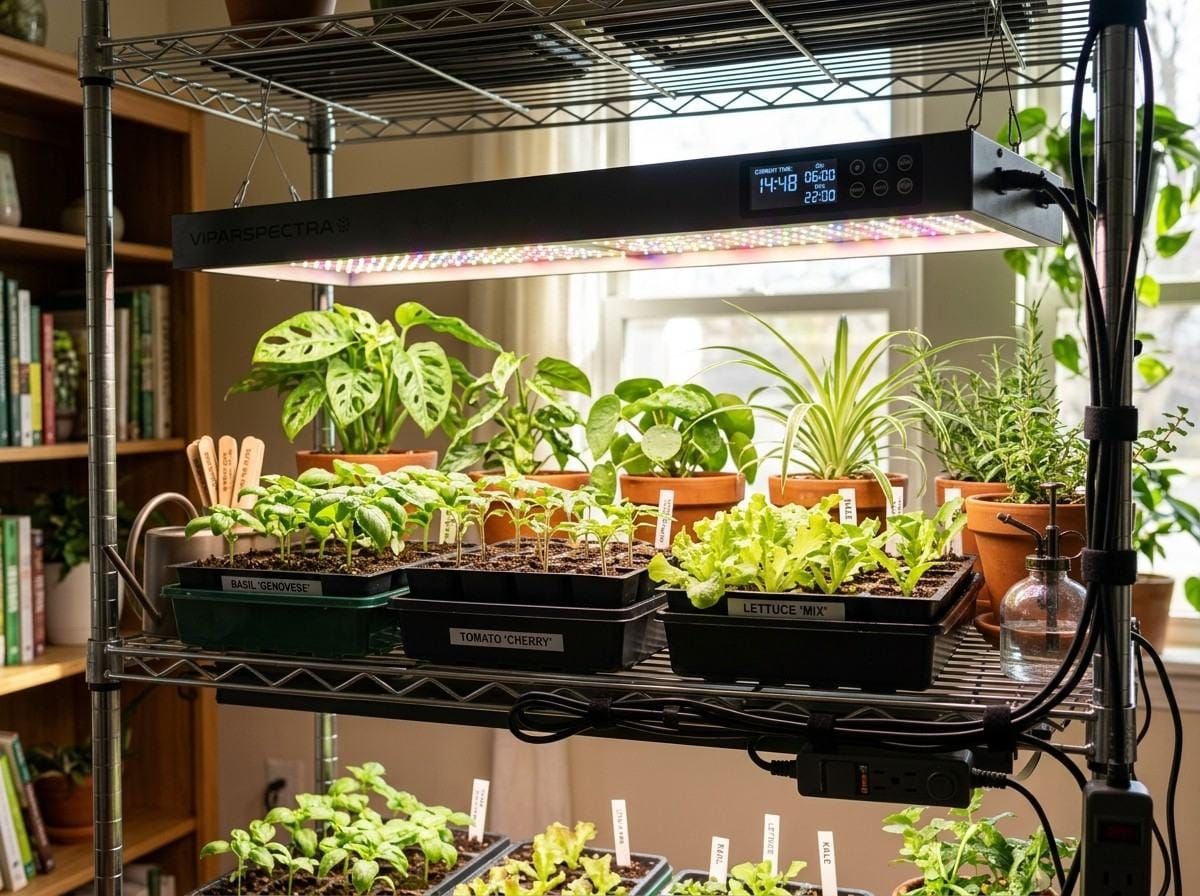
Begin seeds indoors about 6 to 8 weeks before the last frost. Use seed trays or small pots with drainage holes. Fill containers with light, seed-starting mix for best results. Plant seeds ¼ inch deep and keep soil moist. Place trays in a warm spot with indirect sunlight. Use a grow light if natural light is weak. Seedlings usually sprout in 5 to 10 days. Thin seedlings to one per pot when leaves appear. Harden off seedlings by moving them outside for short periods. Do this for one week before planting outdoors.
Broccoli seeds can go directly into garden soil. Sow seeds about ¼ inch deep in well-prepared soil. Space seeds 3 inches apart in rows 18 inches apart. Thin seedlings to 12 inches apart once they grow. Plant after the soil temperature reaches 40°F (4°C). Keep soil moist but not soaked. Use mulch to keep soil cool and moist. Watch for pests and protect young plants. Direct sowing works well for spring and fall gardens.

Transplanting broccoli seedlings is a key step in growing healthy plants. It helps young plants get the space and nutrients they need. Doing this at the right time and with the right method can boost your garden’s success. Let’s explore how to transplant broccoli seedlings properly.
Seedlings should be moved outside after 4 to 6 weeks. They need at least 4 true leaves before transplanting. The soil must be cool but not frozen. Early spring or late summer works best for broccoli. Avoid transplanting on very hot or cold days. Morning is the ideal time to transplant seedlings. It helps them adjust slowly to outdoor conditions.
Plant seedlings 18 to 24 inches apart. This space allows broccoli to grow large heads. Dig holes deep enough to cover the roots well. Plant seedlings at the same depth as they grew in pots. Firm the soil gently around each plant. This keeps seedlings stable and prevents root damage. Proper spacing improves air flow and reduces disease risks.
Proper watering and fertilizing help broccoli grow strong and healthy. These two care steps support root growth and large, tasty heads. Knowing how often to water and what fertilizer to use improves your harvest.
Broccoli needs steady moisture. Water the plants deeply about twice a week. The soil should stay damp, not soggy. During hot weather, water more often. Avoid letting the soil dry out. Too much water can cause root problems.
Use a balanced fertilizer with equal parts nitrogen, phosphorus, and potassium. Apply fertilizer before planting to prepare the soil. Feed the plants again three to four weeks after transplanting. A side dressing of compost or organic fertilizer helps too. Avoid over-fertilizing, which can harm broccoli heads.
Growing broccoli can be very rewarding, but it has its challenges. Knowing these common problems helps you prepare better. This section explains some typical issues with planting broccoli.
Pests often attack broccoli plants. Cabbage worms and aphids are common enemies. They eat leaves and damage heads. Watch your plants closely for these bugs.
Diseases like clubroot and downy mildew can harm broccoli. These cause yellow leaves and poor growth. Using healthy seeds and clean soil can reduce risk.
Broccoli needs cool weather to grow well. Heat can cause the heads to bolt or turn bitter. Planting too late in spring or early in fall helps avoid this.
Frost can also damage young broccoli plants. Cover them during cold nights to protect from frostbite. Consistent watering helps plants stay strong in dry weather.
Harvesting broccoli at the right time ensures the best taste and texture. Knowing when and how to pick it is important for every gardener. This section explains how to tell if broccoli is ready and the best way to harvest it.
Broccoli heads are ready to harvest when they are tight and firm. The green buds should be compact, not open or flowering. The head should feel heavy and solid in your hand. Yellow flowers mean the broccoli is past its prime. Check the size too; most heads are ready at 4 to 7 inches wide.
Use a sharp knife to cut the main head. Cut about 5 to 6 inches below the head, above the leaves. Avoid pulling or twisting the stem to prevent damage. After the main head, side shoots will grow. Harvest these smaller heads the same way for a longer yield.

Broccoli seeds grow best in cool weather, usually in early spring or late summer.
Broccoli typically takes 60 to 100 days from planting to harvest.
Yes, planting broccoli in summer can yield a fresh fall harvest.
Broccoli prefers well-drained, fertile soil with a pH between 6. 0 and 7. 0.
Space broccoli plants 18 to 24 inches apart to allow room to grow.
Plant broccoli when the weather is cool and soil is ready. Early spring or late summer works best for healthy growth. Watch for frost dates to avoid damage to young plants. Regular watering and good sunlight help broccoli grow strong.
Starting at the right time means bigger, tastier heads. Enjoy fresh broccoli from your garden all season long. Simple care and timing make a big difference. Happy planting!