Gardening Made Simple.
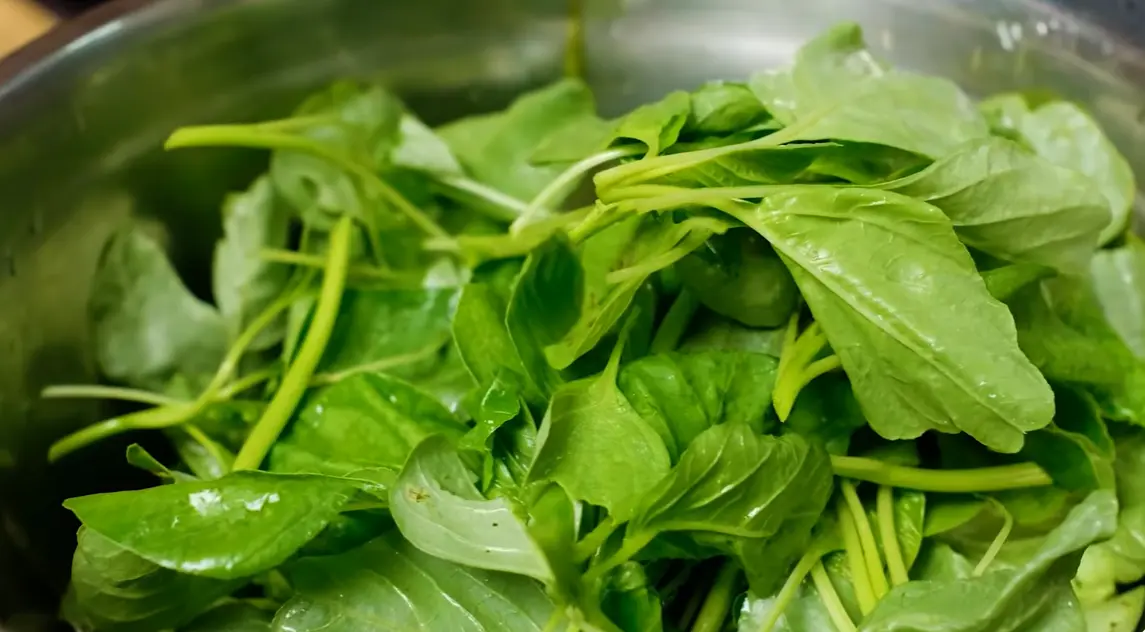
Are you wondering when to grow spinach to get the best, freshest leaves? When to Grow Spinach is an important question because the right timing helps your plants thrive and produce tender, delicious greens.
Plant it too early or too late, and you might end up with bitter or wilted greens. But don’t worry—knowing the right time to plant spinach can make all the difference in your garden. Keep reading to discover the perfect seasons and tips that will help you enjoy a bountiful spinach harvest every time.
Your garden—and your taste buds—will thank you!

Knowing the ideal planting seasons for spinach helps you grow healthy plants. Spinach prefers cool weather and grows best in mild temperatures. Planting at the right time ensures tender leaves and strong growth. Here are the best windows to plant spinach in spring and fall.
Plant spinach as soon as the soil can be worked. This usually means early spring, when the ground is not frozen. Spinach thrives in cool soil, around 45 to 60 degrees Fahrenheit. Seeds germinate quickly in these conditions. Planting too late in spring may cause the plants to bolt. Bolting means the plant flowers and becomes bitter.
Spinach grows well in fall when temperatures start to cool. Plant seeds about 6 to 8 weeks before the first expected frost. This allows the plant enough time to mature. Cooler weather slows growth but improves leaf flavor. Fall spinach often tastes sweeter and less bitter than spring spinach.
Growing spinach requires careful attention to soil and climate. These factors affect how well spinach plants grow and how tasty the leaves become. Spinach prefers certain soil types and temperatures to thrive. Understanding these needs helps you choose the best time to plant spinach for a healthy crop.
Good soil and the right climate conditions lead to strong, fresh spinach. Let’s explore the soil preparation tips and temperature preferences that make a difference.
Spinach grows best in loose, well-drained soil. The soil should be rich in organic matter. Add compost or aged manure to improve soil fertility.
Keep the soil pH between 6.0 and 7.0. Test your soil and adjust if needed with lime or sulfur. Avoid heavy clay or sandy soils that drain poorly or dry out fast.
Prepare the soil by loosening it to about 8 inches deep. Remove rocks and weeds to prevent root problems. Smooth the surface to help seeds settle evenly.
Spinach grows best in cool weather. Ideal temperatures range from 50°F to 70°F (10°C to 21°C). Too much heat causes spinach to bolt or become bitter.
Plant spinach early in spring or late summer for a fall crop. Avoid planting during hot summer months. Spinach can survive light frosts but not extreme cold.
Choose planting times that match your local climate. Cooler weather ensures tender, sweet leaves and steady growth.
Knowing when spinach is ready to harvest helps you enjoy fresh, tasty leaves. Harvesting at the right time keeps the plant healthy and encourages new growth. Watch for clear signs in leaf size and color. Also, pick spinach at the best time of day for peak flavor and texture.
Spinach leaves should be about 3 to 6 inches long before picking. Leaves smaller than this may not have full flavor. Check the color too. Healthy spinach leaves are deep green and vibrant. Yellow or wilted leaves show the plant is past its prime. Choose firm leaves with a fresh look for the best taste.
Morning is the best time to harvest spinach. Leaves hold more water and nutrients early in the day. This makes them crisp and flavorful. Avoid picking spinach in the heat of the afternoon. Warm temperatures can make the leaves soft and less tasty. Harvest before the sun gets too strong.

Extending the growing season for spinach helps you enjoy fresh leaves longer. Spinach grows best in cool weather but can struggle in heat. By using certain methods, gardeners can keep spinach growing beyond its normal season. This means more harvests and less waiting for the next planting time.
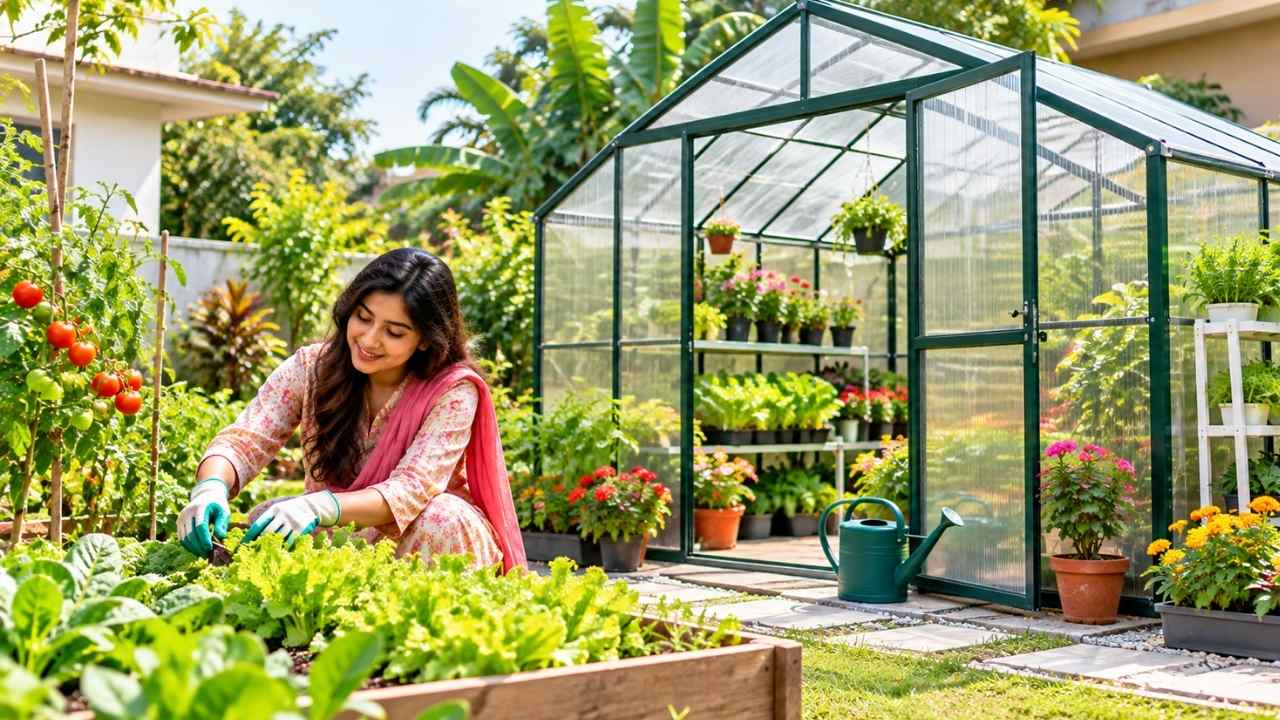
Cold frames and greenhouses protect spinach from frost and cold winds. They create a warmer environment for plants. This allows spinach to grow in early spring or late fall. Cold frames are simple structures with a transparent cover. They trap sunlight and keep the soil warm.
Greenhouses offer even more control over temperature and humidity. You can plant spinach earlier in the year and harvest later. These structures also reduce damage from pests and heavy rain. Using them means spinach stays fresh and healthy longer.
Succession planting means sowing seeds at intervals. This keeps spinach leaves coming regularly. Plant a new row every two weeks during the growing season. This way, you never run out of fresh spinach.
Succession planting works well with spinach because it grows fast. New plants replace older ones as they finish growing. This method maximizes your garden space and time. It also spreads out your harvest, so you always have spinach ready to pick.
Timing is key when growing spinach. Choosing the right time helps plants grow strong and healthy. Many gardeners face challenges in deciding the perfect planting time. Problems like bolting and pests can ruin the crop. Understanding these challenges helps avoid common mistakes and improves harvest quality.
Spinach bolts when the weather gets too warm. Bolting means the plant grows flowers and seeds too soon. This makes leaves bitter and tough. Plant spinach in cool weather to slow bolting. Early spring or fall works best. Watch temperature changes closely to pick the best planting time. Quick harvest before heat comes keeps leaves tender.
Pests like aphids and leaf miners attack spinach at certain times. These insects are more active in warm, humid weather. Diseases like downy mildew also spread faster in wet conditions. Planting spinach in cooler, drier months reduces pest and disease risks. Monitor local climate and soil moisture for safer planting periods. Healthy plants resist pests and diseases better.
Harvesting spinach at the right time and in the right way is key to enjoying fresh, tasty leaves. Proper techniques help keep the plant healthy and allow for more harvests. Different methods suit different needs and garden sizes. Understanding these methods makes your spinach growing experience better and more rewarding.
This method lets you pick spinach leaves without killing the plant. Use scissors or garden shears to cut outer leaves about an inch above the base. Leave the center leaves to keep growing. New leaves will grow back quickly for another harvest. This method gives fresh spinach for several weeks. It also keeps plants strong and productive.
Full harvest means picking the whole plant at once. Wait until leaves reach 4 to 6 inches tall. Cut the plant at the soil level. This is good when you need a large amount of spinach fast. After a full harvest, replant for a new crop. This method ends the current growth but clears space for new plants.

Spinach seeds grow best in early spring or late summer for cool weather.
Spinach usually takes 40 to 50 days from planting to harvest.
Spinach prefers cool weather and may bolt or go bitter in heat.
Keep soil moist but not soggy; water spinach about once or twice a week.
Spinach grows well in rich, well-drained soil with a pH between 6. 0 and 7. 0.
Spinach grows best in cool weather and well-drained soil. Plant seeds early in spring or late summer for best results. Keep soil moist and watch for pests regularly. Harvest leaves when they look fresh and green. Growing spinach at the right time helps you enjoy fresh, healthy greens.
Try different planting times to see what works for your garden. With simple care, spinach can thrive and add great taste to meals. Start small and learn as you go. Gardening can be easy and fun!