Gardening Made Simple.

Garlic is a favorite in many kitchens, loved for its strong flavor and health benefits. But for gardeners in Florida, growing garlic brings unique challenges. The state’s warm climate and unpredictable weather can make it tricky to plant garlic at the right time.
Knowing When to Plant Garlic in Florida is essential for developing strong roots, healthy plants, and large, flavorful bulbs. With the proper timing and growing conditions, you can enjoy a productive garlic harvest even in Florida’s challenging climate.
Plant too early, and the heat may hurt your crop. Plant too late, and the bulbs may not develop well before summer arrives. Still, with the right timing and knowledge, you can grow beautiful, flavorful garlic even in Florida’s tough conditions.

In this guide, you’ll learn when to plant garlic in Florida and how to adjust your approach for the best results. You’ll also discover the types of garlic that do well in the state, step-by-step planting methods, and the most common mistakes to avoid.
Whether you live in North, Central, or South Florida, this article offers practical tips for a successful garlic harvest.
Garlic is not a tropical plant. It needs cool weather to grow strong roots and form large bulbs. In Florida, the main challenge is the short window of cool temperatures between the hot summers and warm springs. Garlic that doesn’t get enough chilling time will be small, or might not form proper cloves.
If you plant too early, the leftover heat from summer can cause the garlic to sprout weakly or rot. Plant too late, and the fast return of heat in spring may stop the bulbs from growing. The right planting time gives garlic just enough cool weather to thrive before Florida’s temperatures rise again.
Florida is a long state with three main climate zones. Each zone has its own best time for planting garlic. Knowing your zone helps you pick the right planting date and garlic variety.
| Zone | Region | Average First Frost | Average Last Frost | Garlic Planting Window |
|---|---|---|---|---|
| North Florida | Pensacola, Tallahassee, Jacksonville | Late Nov | Early Mar | Late Oct - Late Nov |
| Central Florida | Orlando, Tampa, Ocala | Early Dec | Late Feb | Early Nov - Early Dec |
| South Florida | Miami, Naples, Palm Beach | Rare/None | Rare/None | Mid Nov - Early Dec |
Key insight: Most garden calendars for garlic are made for northern states. In Florida, always plant garlic in late fall—not in spring.
The right planting time is different in each region, but the rule is always: wait until night temperatures are consistently below 60°F (15°C). This usually happens in late October to early December. Garlic planted at this time will grow roots through the winter and form bulbs by late spring.
Extra tip: For all regions, avoid planting before late October. Florida’s fall heat can cause garlic to rot or sprout too soon.
Not all garlic types grow well in Florida. Understanding the main types helps you pick varieties that will thrive in your garden.
Some garlic varieties have proven themselves in Florida’s climate. Here are top picks:
| Variety | Type | Best Region | Flavor | Storage |
|---|---|---|---|---|
| California Early | Softneck | All | Mild | 6-8 months |
| Silverskin | Softneck | Central, South | Strong | Up to 12 months |
| Creole | Softneck | South | Mild | 6 months |
| Inchelium Red | Softneck | North, Central | Rich | 6-9 months |
Important insight: Supermarket garlic often comes from California or overseas. It may not grow well in Florida and can carry diseases. Buy certified seed garlic from a trusted supplier.
Proper preparation is key for a strong crop. Florida’s sandy soils, humidity, and rain can make things harder for garlic if you don’t plan ahead.
Garlic grows best in well-drained, loose soil with lots of organic matter. Heavy clay or wet soils can cause rot. Florida’s native soils are often sandy and low in nutrients, so you’ll need to amend them.
Pick a spot that gets at least 6 hours of sun each day. Garlic hates wet feet, so avoid low spots where water collects.
Non-obvious tip: Don’t plant garlic where onions or other alliums grew in the last 2 years. This reduces pest and disease problems.
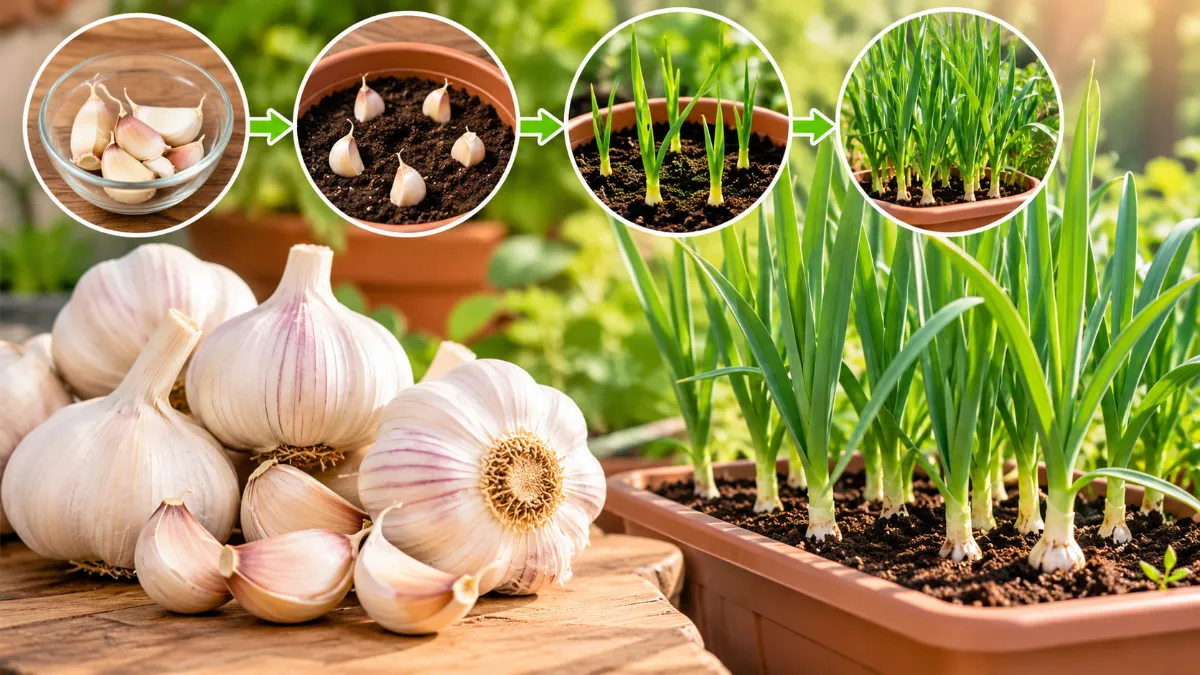
Planting garlic is simple if you follow the right steps for Florida’s conditions.
Extra insight: In South Florida, use lighter mulch and check for excess moisture after rain. Too much water can cause rot.

Garlic is low-maintenance, but a few extra steps help you get the biggest bulbs.
Insider tip: Garlic is naturally pest-resistant. Most serious issues come from overwatering or poor soil drainage—not insects.
Knowing when to harvest is as important as planting at the right time. Harvest too soon, and bulbs are small and soft. Wait too long, and bulbs split and lose storage quality.
Florida-specific tip: Humidity can cause bulbs to mold during curing. Use fans or air conditioning if needed.
Many beginners make the same errors. Avoiding these can mean the difference between success and failure.
Pro tip: Keep a garden journal. Note planting dates, weather, and results. Over time, you’ll find what works best in your microclimate.
Florida-grown garlic has a few differences compared to crops from cooler states:
Despite these differences, Florida garlic can be just as tasty and rewarding to grow.
Many Florida gardeners want to save their own seed cloves. This is possible, but there are a few things to keep in mind:
However, always start with certified disease-free seed, and don’t save bulbs from sick or weak plants.
Organic methods are especially important in Florida’s fragile environment.
Non-obvious insight: Garlic itself is a natural pest repellent. Interplant garlic with other vegetables to reduce pest problems in your whole garden.
For more on organic garlic and sustainable gardening, see the University of Florida’s official advice.
Garlic is a great companion for many Florida crops. It helps repel bugs and can improve yields.
Extra tip: Garlic’s smell can confuse pests like aphids and help protect nearby plants naturally.
To help you plan, here’s a typical garlic timeline for Central Florida:
| Stage | Time After Planting | What to Expect |
|---|---|---|
| Planting | Early Nov | Roots begin to grow |
| Leaf growth | 2–4 weeks | Green shoots appear |
| Bulb formation | Mid Feb–Mar | Bulbs start to swell |
| Harvest | Late Apr–May | Leaves brown, bulbs mature |
| Curing | 2–3 weeks post-harvest | Bulbs dry for storage |
Note: Dates shift slightly north to south, but the steps are similar across Florida.

The best month is November for most of Florida. In North Florida, plant in late October to mid-November. In Central and South Florida, plant from early to late November. Always wait until night temperatures drop below 60°F.
It’s not recommended. Grocery store garlic may carry diseases and often won’t grow well in Florida’s climate. Always buy certified seed garlic suited to warm regions.
Plant garlic cloves 1.5 to 2 inches deep in Florida. In North and Central Florida, aim for 2 inches. In South Florida’s warmer soils, 1.5 inches is enough.
Garlic takes about 6–7 months from planting to harvest in Florida. Plant in fall (October–November) and harvest in late spring (April–June).
This usually means garlic didn’t get enough cool weather or was planted too late. Try planting earlier next season, use recommended softneck varieties, and make sure your soil is rich and well-drained.
Growing garlic in Florida is a journey that rewards patience and careful timing. With the right approach, you’ll enjoy fresh, flavorful bulbs straight from your garden. Each year, you’ll learn more about what works in your region, making your harvests better over time.
Happy planting!