Gardening Made Simple.

Planting garlic in North Carolina is more than just putting cloves in the ground. It’s about timing, understanding local climate, and making smart choices to get the best harvest. If you want those plump, flavorful bulbs that elevate every dish, knowing When to Plant Garlic in North Carolina is essential.
The right planting time helps garlic establish strong roots before winter, leading to healthier plants and larger, more productive bulbs at harvest time.Many gardeners in North Carolina don’t realize that garlic’s timing is unique compared to other vegetables.

Plant too early or too late, and you risk small bulbs, pests, or disease. But get it right, and you’ll enjoy a satisfying crop with minimal fuss.In this guide, you’ll discover the best time to plant garlic in North Carolina, what to consider for your specific region, and practical steps for success—even if it’s your first time growing this kitchen staple.
Garlic may seem like a simple crop, but planting timing is critical for healthy growth. Unlike many vegetables, garlic is usually planted in the fall, not the spring. The reason is simple: garlic needs a period of cold weather, called vernalization, to divide and form large bulbs. This chilling period triggers the plant to create multiple cloves, instead of just a single, small bulb.
North Carolina’s climate varies from the mountains to the coast. In the mountains, winters are colder and longer. In the Piedmont and coastal plain, winters are shorter and milder. This means the ideal planting date for garlic isn’t the same everywhere. Planting at the wrong time can lead to:
Understanding your local frost dates and soil temperature is key. Garlic roots need time to grow before the ground gets too cold, but shoots shouldn’t emerge too soon and risk winter damage.
Before you decide when to plant, it’s important to know your USDA Hardiness Zone. North Carolina has three main zones:
These zones affect how quickly the soil cools in fall and warms in spring. Here’s a quick climate comparison:
| Region | First Frost Date (Avg.) | Last Frost Date (Avg.) | USDA Zone |
|---|---|---|---|
| Mountains | Oct 10-20 | Apr 20-30 | 6a-7a |
| Piedmont | Oct 20-31 | Apr 10-20 | 7a-8a |
| Coastal Plain | Nov 1-10 | Mar 20-30 | 7b-8b |
Knowing your region helps you pick the right planting window for garlic.
Garlic is almost always planted in fall, not spring, in North Carolina. The general rule: plant garlic 2-4 weeks before the first expected hard frost in your area. This timing allows garlic to develop strong roots before winter, but not enough warmth for shoots to grow tall and risk frost damage.
Here are recommended planting dates by region:
| Region | Ideal Planting Window | Soil Temperature Target |
|---|---|---|
| Mountains | Late September to mid-October | 50–60°F (10–15°C) |
| Piedmont | Early to late October | 50–60°F (10–15°C) |
| Coastal Plain | Mid-October to early November | 50–60°F (10–15°C) |
Key tip: Always check your soil temperature before planting. It should be consistently below 60°F, but not frozen. If you plant too early, garlic may sprout and the shoots can be damaged by cold. If you plant too late, roots may not establish well.
While fall is best, some gardeners in the warmest parts of the Coastal Plain try early spring planting (late January or February). This only works if you use “softneck” garlic varieties and accept smaller bulbs. Spring-planted garlic often skips the chilling it needs, leading to less impressive results. If you want large heads, stick to fall planting.
Not all garlic is the same. There are two main types:
Some recommended varieties:
Non-obvious insight: Many beginners buy garlic from the supermarket. This is a mistake. Store garlic is often treated to prevent sprouting and may carry diseases. Always buy seed garlic from a trusted supplier. This gives you healthier, more reliable plants.
Garlic grows best in well-drained, loose soil with plenty of organic matter. Heavy clay or compacted soils lead to small bulbs and disease problems. Here’s how to get your soil garlic-ready:
Pro tip: Garlic doesn’t like competition. Remove all weeds before planting, and mulch after planting to keep weeds down.
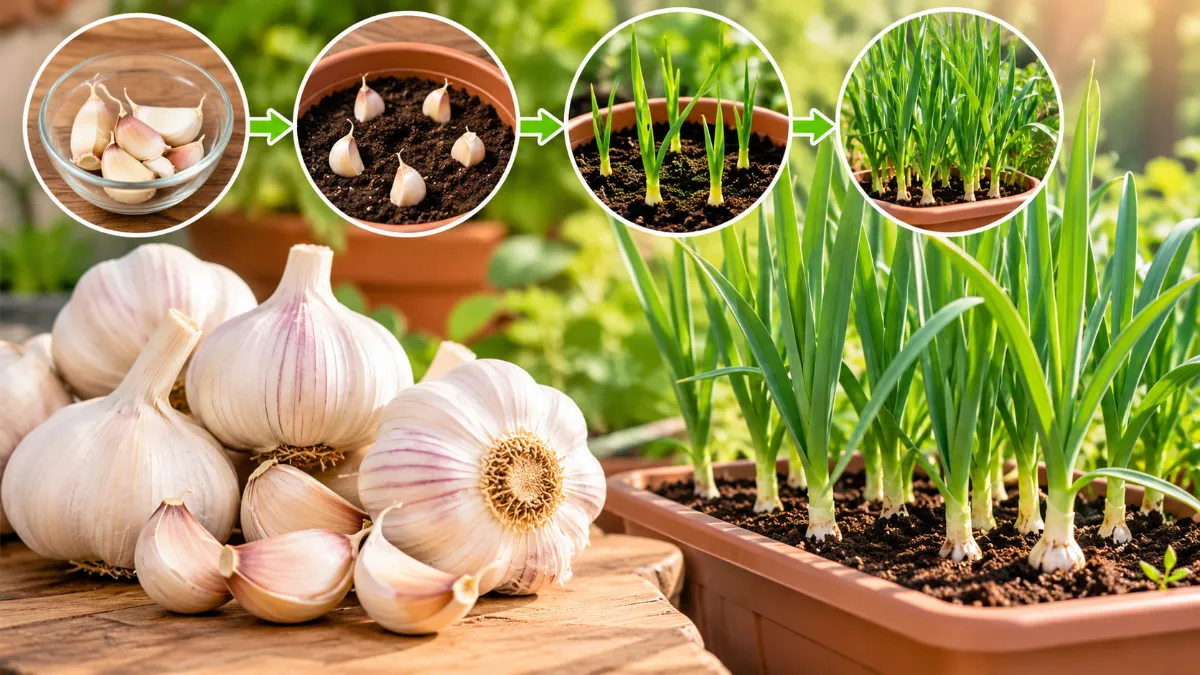
Planting garlic isn’t complicated, but doing it right leads to bigger, healthier bulbs. Here’s what you need to do:
Non-obvious insight: Don’t soak cloves before planting unless you have a history of white rot or disease. Soaking can help with disease control, but in healthy soil, it’s not necessary.

Garlic is low-maintenance but needs some attention at key times:
Fertilizing: Feed garlic with a balanced fertilizer (like 10-10-10) when shoots appear in spring, and again a month later. Too much nitrogen after late spring can cause leafy growth but small bulbs.
Weeding: Keep the bed weed-free. Garlic does not compete well with weeds for nutrients and water.
Garlic is not immune to problems, especially in North Carolina’s humid climate. Here are the most common issues:
Expert tip: Always clean up and remove old garlic leaves and debris after harvest. This reduces disease risk for next year.
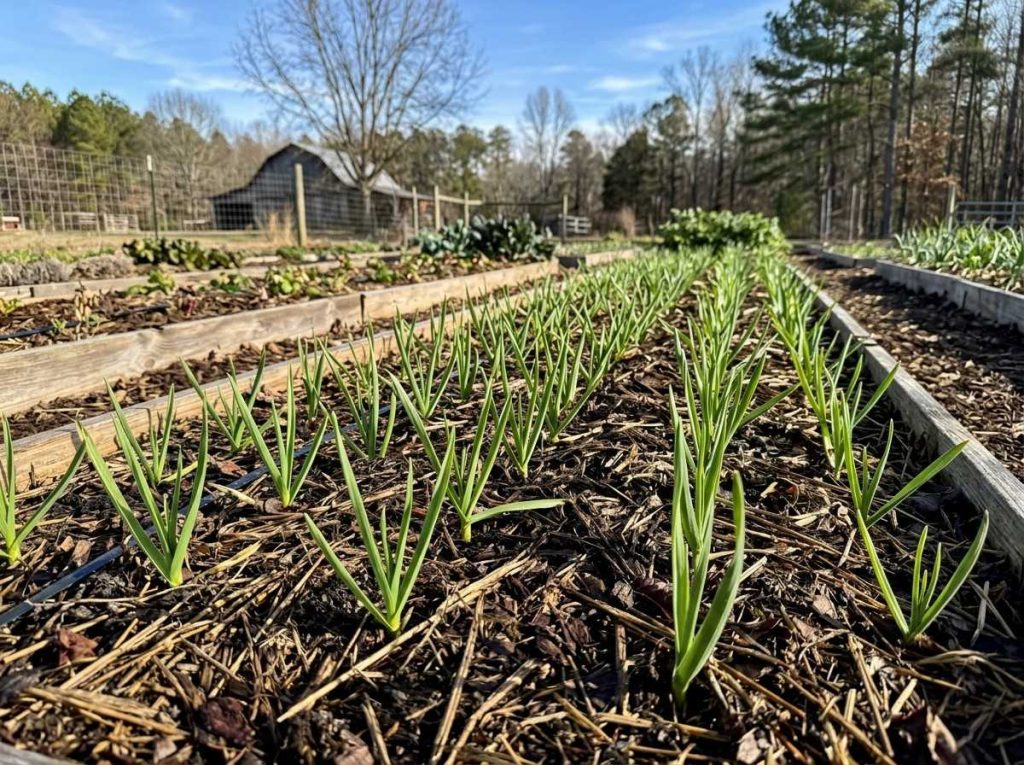
Timing is just as important for harvesting as it is for planting. Wait until half to two-thirds of the leaves are yellow/brown and dry (usually June or early July in NC). Don’t wait until all the leaves are dead, or bulbs may split and not store well.
Properly cured garlic can last 6–9 months. Softneck types store longer than hardnecks.
Even experienced gardeners sometimes miss these points:
Confident guidance: If you do nothing else, always plant in the fall, mulch well, and buy proper seed garlic. These three steps solve 80% of common problems.
Many gardeners plant garlic with other fall crops. Here’s how garlic compares to popular fall vegetables:
| Crop | Planting Window (NC) | Harvest Time | Special Considerations |
|---|---|---|---|
| Garlic | Sep–Nov (region dependent) | Jun–Jul | Needs vernalization; mulch important |
| Onions (bulb) | Feb–Mar | Jun–Jul | Short-day varieties for NC |
| Spinach | Sep–Oct | Nov–Dec or Spring | Can overwinter in many areas |
| Carrots | Aug–Sep | Oct–Dec | Loose soil needed |
This shows garlic’s unique place in the fall garden cycle. It’s one of the earliest crops to plant and the last to harvest before summer.
For ongoing success, rotate your garlic patch. Don’t plant garlic or other alliums (onions, leeks, shallots) in the same spot for at least 3 years. This breaks disease cycles and improves soil health. Many North Carolina gardeners set up a rotation plan:
This simple rotation keeps your garlic patch productive and healthy.
For more details on garlic varieties, disease management, and best practices, consult the NC State Extension. Their advice is based on years of research and North Carolina’s unique conditions.
The best month depends on your region. In the mountains, late September to mid-October is ideal. In the Piedmont, plant in early to late October. Along the coast, aim for mid-October to early November. Always check your local first frost date and soil temperature for the most precise timing.
It’s not recommended. Grocery store garlic is often treated to prevent sprouting and may carry diseases. It’s better to buy certified seed garlic from a trusted supplier. This ensures better germination, larger bulbs, and fewer problems.
Plant each clove 2 inches deep with the pointy end up. Space cloves 4–6 inches apart, with rows 8–12 inches apart. This gives each plant enough room to grow a large bulb.
Garlic is ready to harvest when the lower leaves turn yellow or brown, and only 5–6 green leaves remain on the plant. This usually happens in June or early July. Don’t wait until all the leaves die, or the bulbs may split.
Cure garlic by hanging it in a dry, shaded, and well-ventilated place for 2–3 weeks. After curing, trim the roots and tops, and store bulbs in a cool, dry place (50–60°F). Softneck garlic stores longer than hardneck varieties.
Planting garlic in North Carolina is rewarding if you follow the right steps and timing. With a little planning and care, you’ll enjoy flavorful bulbs that last for months. Remember: timing, soil, and healthy seed cloves are the keys to a great harvest. Happy gardening!