Gardening Made Simple.

Planting garlic in Tennessee is both an art and a science. The timing is more than just a date on the calendar—it is the secret to healthy bulbs, bigger harvests, and stronger flavor. Understanding When to Plant Garlic in Tennessee can make all the difference, whether you are a beginner gardener or looking to improve your garlic-growing success.
By planting at the right time for Tennessee’s climate, you can encourage strong root development, better overwintering, and a more productive harvest.Let’s explore the details, practical tips, and expert insights for planting garlic in the Volunteer State.

Tennessee has a humid subtropical climate. Winters are mild to cool, and summers can be hot and humid. The state stretches from the Appalachian Mountains in the east to the lowlands in the west, so weather can change between regions. This affects how and when you should plant garlic.
Garlic needs a period of cold to grow properly. This cold, known as vernalization, helps the garlic bulb form multiple cloves. If garlic is planted too early, it may sprout before winter and suffer from frost. If planted too late, it may not get enough cold to form good bulbs.
Most Tennessee gardeners are in USDA Hardiness Zones 6a to 7b. In these zones, the average first frost happens between late October and early November. The last frost is usually in April.
Garlic should be planted just before the ground freezes, giving cloves time to grow roots but not sprout leaves above ground. This balance is key.
| Region | Zone | First Frost | Last Frost |
|---|---|---|---|
| East Tennessee | 6a–6b | Late October | Mid April |
| Middle Tennessee | 7a | Early November | Early April |
| West Tennessee | 7b | Early November | Late March |
For Tennessee, the ideal time to plant garlic is mid-October to early November. This timing works for most regions, though slight differences exist between east and west.
Garlic planted in fall has a chance to develop strong roots before winter. These roots help garlic survive cold and grow quickly in spring. The cold period also triggers bulb development.
If you plant much earlier, garlic may sprout green shoots that risk frost damage. If you wait too long, the ground may freeze and prevent planting.
Not all garlic is equal. There are two main types—hardneck and softneck. Each has benefits, and your choice can affect planting success.
Hardneck garlic is known for its strong flavor and easy-to-peel cloves. It grows well in colder climates. It also produces scapes, which are edible flower stems.
Softneck garlic is milder and stores longer. It grows well in milder winters and is often used for braiding.
| Type | Flavor | Storage | Best Region |
|---|---|---|---|
| Hardneck | Strong | Short (3–6 months) | East Tennessee |
| Softneck | Mild | Long (6–9 months) | Middle/West Tennessee |
Good soil is the foundation for healthy garlic. Garlic needs loose, well-drained soil with lots of organic matter. Heavy clay or soggy soil causes small bulbs and disease.
If your soil is clay-heavy, add sand or peat to improve drainage. Raised beds also help prevent waterlogging.
Planting garlic is simple, but a few details matter.
Use seed garlic from a reputable source, not grocery store garlic. Grocery garlic may carry disease or be treated to prevent sprouting. Local garden centers or seed companies offer varieties suited for Tennessee.
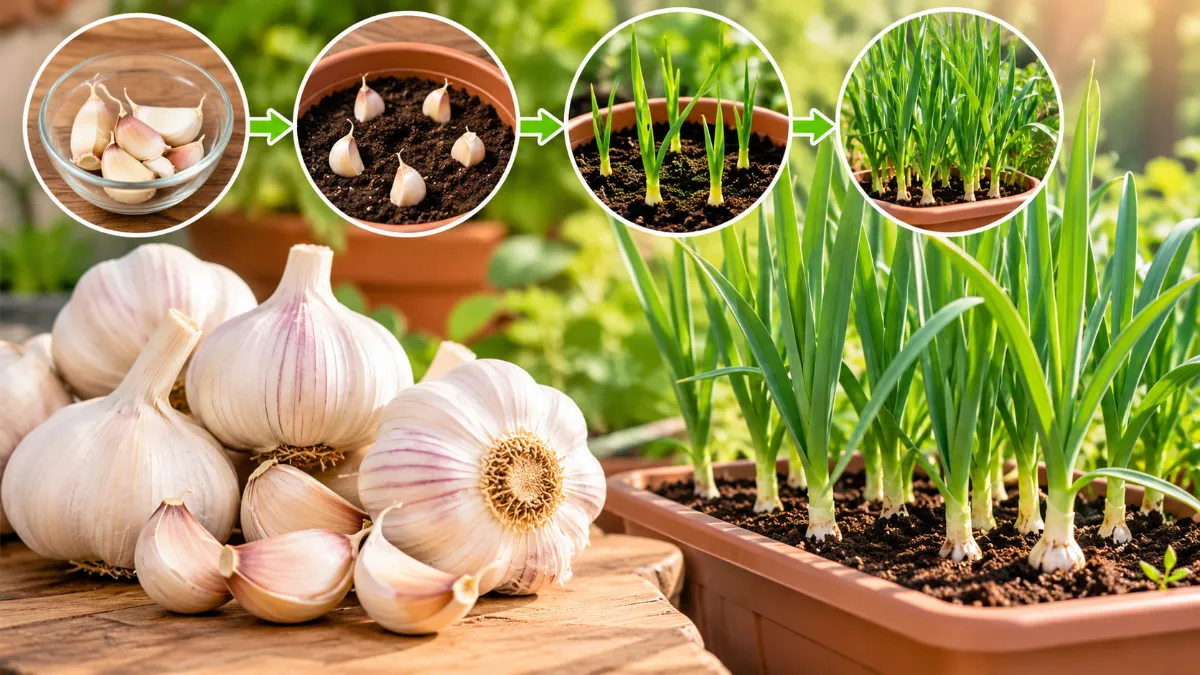
Just before planting, split bulbs into individual cloves. Leave the papery skin on each clove.
After planting, cover with soil. Add a 2–4 inch layer of straw or leaves for mulch. Mulch keeps soil moist, prevents weeds, and protects from cold.
Water once after planting. Do not overwater; garlic does not like soggy soil.
Even experienced gardeners make mistakes. Avoid these to get the best garlic harvest.

Once planted, garlic needs little care over winter. Still, a few steps help ensure strong growth in spring.
Mulch acts as a blanket. It keeps soil temperature stable and stops freezing/thawing cycles from harming cloves. In Tennessee, use straw, shredded leaves, or pine needles.
If winter is dry, water lightly every few weeks. But, too much water leads to rot.
Deer, squirrels, and rodents sometimes dig up cloves. If this happens, use mesh covers or fencing.
When spring arrives, garlic sends up green shoots. This is the time for active care.
Garlic is a heavy feeder. Apply a balanced fertilizer (like 10-10-10) in early spring. For organic gardens, use fish emulsion or compost tea.
As temperatures warm, pull back mulch a bit to help soil warm up. Do not remove it all—mulch also prevents weeds.
Garlic needs consistent moisture in spring. Water deeply every week, but let soil dry between waterings.
Hardneck garlic produces scapes in late spring. Cut these off to direct energy into bulb growth. Scapes are edible and can be used in cooking.
Garlic is ready to harvest in late June to early July. Timing depends on variety and weather.
Cure garlic in a dry, shady place for 2–3 weeks. Hang bulbs or lay them on racks. Proper curing helps garlic last longer.
Planting garlic in Tennessee is similar to other southern states, but timing and variety may change slightly. Here’s a quick comparison:
| State | Planting Time | Preferred Variety |
|---|---|---|
| Tennessee | Mid-Oct to Early Nov | Hardneck (East), Softneck (Middle/West) |
| Georgia | Late Oct to Mid Nov | Softneck |
| Kentucky | Early to Mid Oct | Hardneck |
| North Carolina | Mid-Oct | Hardneck/Softneck |
Many beginners miss these points:
Garlic fits well into sustainable gardening. Rotate crops, use organic compost, and avoid chemical pesticides. Garlic naturally repels pests like aphids, making it a good companion for tomatoes and peppers.
If you save some bulbs from your harvest, you can replant them next season. Over time, garlic adapts to local soil and climate, getting stronger each year.
Look for local sources to get garlic suited for Tennessee’s climate.
One reliable resource for garlic-growing information and seed sources is the University of Tennessee Extension.

The latest you should plant garlic in Tennessee is mid-November. After this, the ground may freeze, and cloves may not root well.
You can try, but spring planting usually leads to smaller bulbs. Garlic needs cold months to form strong cloves.
Straw is ideal, but shredded leaves or pine needles also work. Avoid mulch that is too dense or wet, as garlic does not like soggy soil.
Plant cloves 2–3 inches deep. In colder parts of Tennessee, slightly deeper planting (closer to 3 inches) helps protect from freezing.
After curing, keep garlic in a cool, dry place with good air circulation. Do not store in the refrigerator. Softneck varieties last up to 9 months, hardneck up to 6 months.
Planting garlic in Tennessee is rewarding if you follow the right timing and methods. With the state’s climate, mid-October to early November is best. Choose the right variety, prepare your soil, and care for your crop, and you’ll enjoy fresh, flavorful garlic from your own garden.
Whether you’re planting in the hills of East Tennessee or the flat lands of the west, these tips will help you grow a successful garlic crop season after season.