Gardening Made Simple.
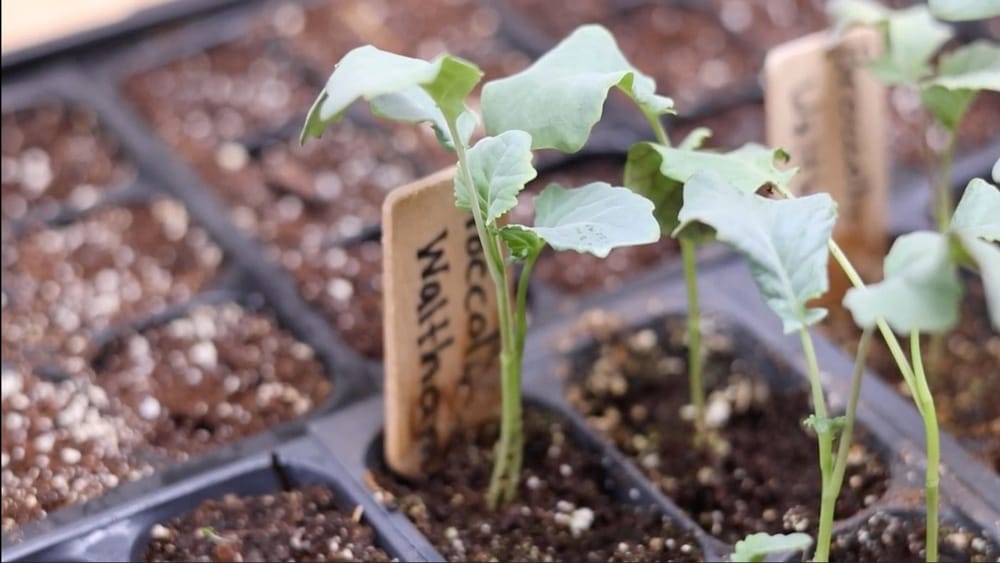
Are you excited to grow fresh, crunchy broccoli right at home? When to Start Broccoli Seeds Indoors is an important question because timing can make the difference between a healthy harvest and a disappointing crop.
If you begin too early or too late, your plants might struggle or miss the ideal growing conditions. You’ll discover exactly when to start your broccoli seeds indoors to give your garden the best chance for success. Keep reading to unlock the secrets that will help you grow strong, tasty broccoli every time!
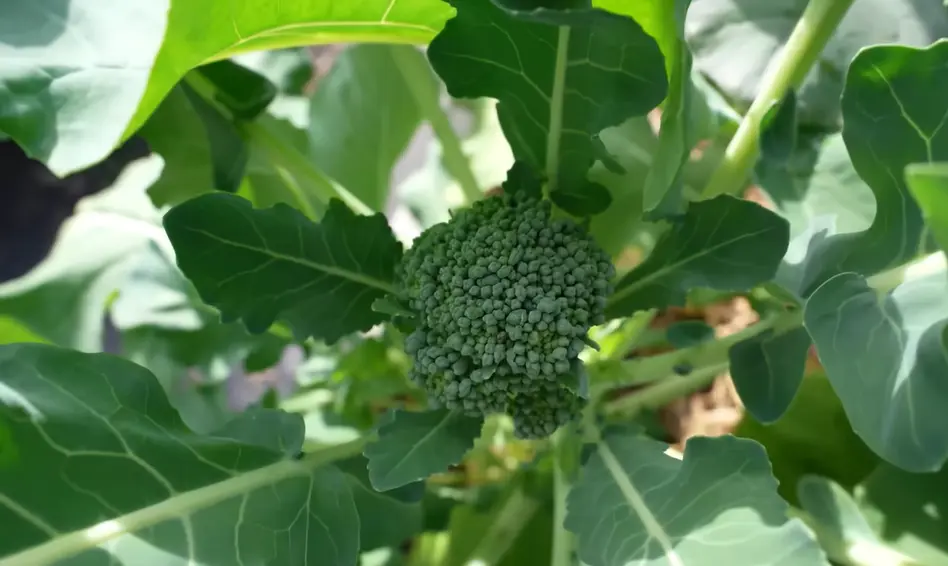
Choosing the right time to start broccoli seeds indoors is important for a healthy crop. Starting seeds too early or too late can affect growth and yield. Knowing the best time helps you plan and get strong seedlings ready for transplant.
Broccoli seeds need a soil temperature between 65°F and 75°F to sprout well. Cooler temperatures slow germination and may cause seeds to rot. Warmer temperatures above 80°F can stop seed growth. Keeping the indoor temperature steady helps seeds grow fast and healthy.
Broccoli is a cool-season crop. Start seeds indoors about 6 to 8 weeks before the last spring frost. This timing lets seedlings grow strong before moving outside. For a fall harvest, start seeds indoors in mid to late summer. This gives plants time to mature before cold weather arrives.
Local weather changes when to start broccoli seeds indoors. In colder areas, start seeds earlier to beat the short growing season. In mild climates, you can start seeds later and still have time to grow. Check your area's last frost date and adjust your planting schedule accordingly.
Selecting quality broccoli seeds is the first step to a strong and healthy garden. Good seeds make sure your plants grow well and give you a great harvest. Seeds vary by type, freshness, and place you buy them. Paying attention to these details helps your broccoli start indoors with the best chance to succeed.
Broccoli seeds come in many types. Some grow faster, while others resist disease better. Choose a variety that fits your growing time and climate. Look for seeds labeled as suitable for indoor starting. This choice helps seedlings grow strong before moving outside.
Fresh seeds have a higher chance to sprout. Old seeds may not grow well or at all. Check the pack for a harvest or expiration date. Use seeds that are less than one year old. Store seeds in a cool, dry place to keep them fresh longer.
Buy seeds from trusted sources to ensure quality. Local garden centers often have seeds suited for your area. Online stores offer a wide range but check reviews first. Avoid buying seeds from unknown sellers or places without a return policy. This reduces the risk of poor-quality seeds.
Preparing to plant broccoli seeds indoors sets the stage for healthy growth. This step helps young plants develop strong roots and leaves before moving outside. Proper preparation also increases the chances of a good harvest.
Pick containers with drainage holes to avoid water buildup. Small pots or seed trays work well for broccoli seeds. Use containers that are at least 3 inches deep. This allows roots to grow without crowding.
Use a light, well-draining potting mix for planting broccoli seeds. Avoid heavy garden soil that can hold too much water. A mix with compost or organic matter helps provide nutrients. Keep the soil moist but not soggy for best results.
Broccoli seeds need plenty of light to grow strong. Place containers near a sunny window or under grow lights. Give seedlings 12 to 16 hours of light daily. Water the soil gently to keep it evenly moist. Too much water can cause seeds to rot.
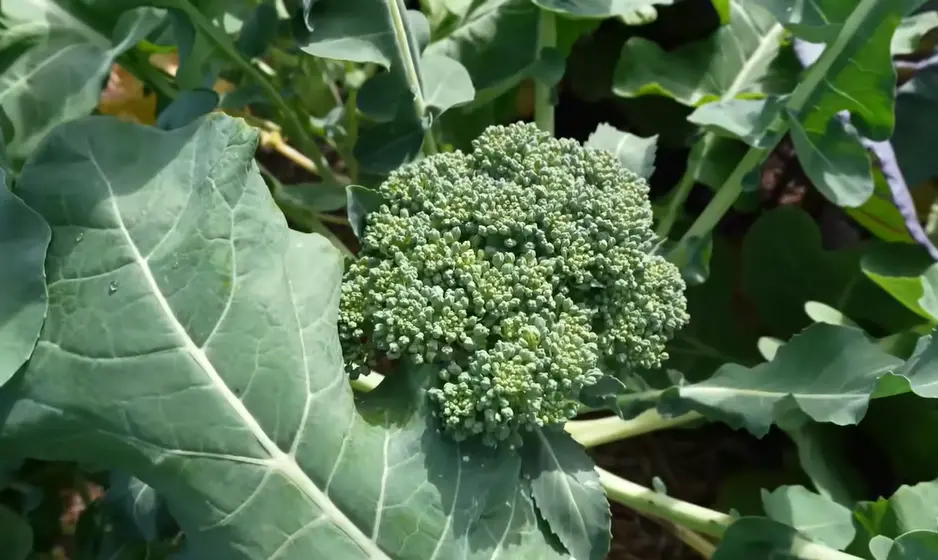
Starting broccoli seeds indoors gives your plants a strong beginning. It helps you control the environment and protect young sprouts. This way, they grow healthy before moving outside. Timing is key to avoid frost damage and ensure a good harvest.
Choose a sunny spot inside and use clean seed trays or pots. Prepare a light, well-draining soil mix for best results. Start seeds about 6 to 8 weeks before the last frost date in your area.
Plant broccoli seeds about ¼ inch deep. Cover lightly with soil and press gently. Space seeds at least 1 inch apart in trays. This space helps seedlings grow without crowding. Thin the weaker plants once they sprout for stronger growth.
Keep the soil moist but not soaking wet. Use a spray bottle to water gently. Avoid washing seeds away or disturbing soil. Water once or twice a day, depending on room temperature. Overwatering can cause root problems and seed rot.
Broccoli seeds need temperatures between 65°F and 75°F to germinate. Use a heat mat if your room is cold. Place seedlings in a bright spot with at least 12 hours of light daily. Use grow lights if natural light is weak. Good air circulation prevents mold and disease.
Taking good care of broccoli seedlings helps them grow strong and healthy. Seedling care starts right after the seeds sprout. Proper attention during this stage sets the foundation for a good harvest.
Broccoli seedlings need space, nutrients, and protection from problems. Follow these simple steps to give your seedlings the best start.
Thin seedlings when they have two sets of leaves. Leave the strongest plants, about 2 inches apart. Removing weaker seedlings avoids crowding. Crowded plants compete for light and nutrients. Thin seedlings carefully by cutting them at the soil level. Pulling can damage nearby roots.
Use a gentle fertilizer once seedlings develop true leaves. Choose a balanced, water-soluble fertilizer. Dilute it to half strength before feeding. Fertilize every 7 to 10 days. Avoid overfeeding, which can burn roots. Healthy fertilizer helps seedlings grow sturdy stems and leaves.
Watch seedlings daily for signs of problems. Keep soil moist but not soggy to prevent mold. Ensure good air circulation around seedlings. This stops fungal diseases and damping-off. Use a small fan or open a window. Protect seedlings from pests like aphids. Remove pests by hand or use mild insect soap.
Transplanting broccoli seedlings outdoors is a key step for a healthy garden. It moves young plants from indoor pots to open soil. This step gives broccoli room to grow strong and produce big heads. Timing and care during transplanting can affect your harvest.
Prepare for transplanting carefully to avoid stress on plants. Follow simple steps to help seedlings adjust to the garden environment. This way, your broccoli will thrive and resist pests and weather changes.
Transplant seedlings when they have 4 to 6 true leaves. Usually, this is 4 to 6 weeks after planting seeds indoors. The outdoor soil should be cool, around 50 to 70°F (10 to 21°C). Avoid transplanting during very hot or cold days. Early morning or late afternoon are best times for transplanting.
Harden off seedlings before planting them outside. This means slowly exposing them to outdoor conditions. Start with a few hours in a shaded spot. Gradually increase sunlight and time spent outdoors over 7 to 10 days. This process helps plants get used to wind, sun, and temperature changes.
Choose a sunny spot with well-drained soil for your broccoli. Space seedlings 18 to 24 inches apart. Dig holes large enough for the root ball of each seedling. Plant seedlings at the same depth they grew in pots. Water well after planting to settle the soil around roots. Mulch around plants to keep soil moist and cool.
Start broccoli seeds indoors 6 to 8 weeks before the last frost date.
Broccoli seeds germinate well between 65°F and 75°F (18°C to 24°C).
Broccoli seeds usually sprout in 4 to 7 days under proper conditions.
Yes, grow lights help seedlings grow strong when natural light is limited.
Transplant broccoli seedlings 2 to 4 weeks before the last frost date.
Starting broccoli seeds indoors at the right time helps plants grow strong. Seedlings need warmth and light to develop well. Begin indoors about 6 to 8 weeks before the last frost date. This timing gives broccoli a good head start before planting outside.
Healthy seedlings grow faster and produce better heads. Watch your local frost dates closely for best results. Growing broccoli this way leads to a successful harvest. Give your seeds the care they need early on. Patience and timing make all the difference in your garden.