Gardening Made Simple.
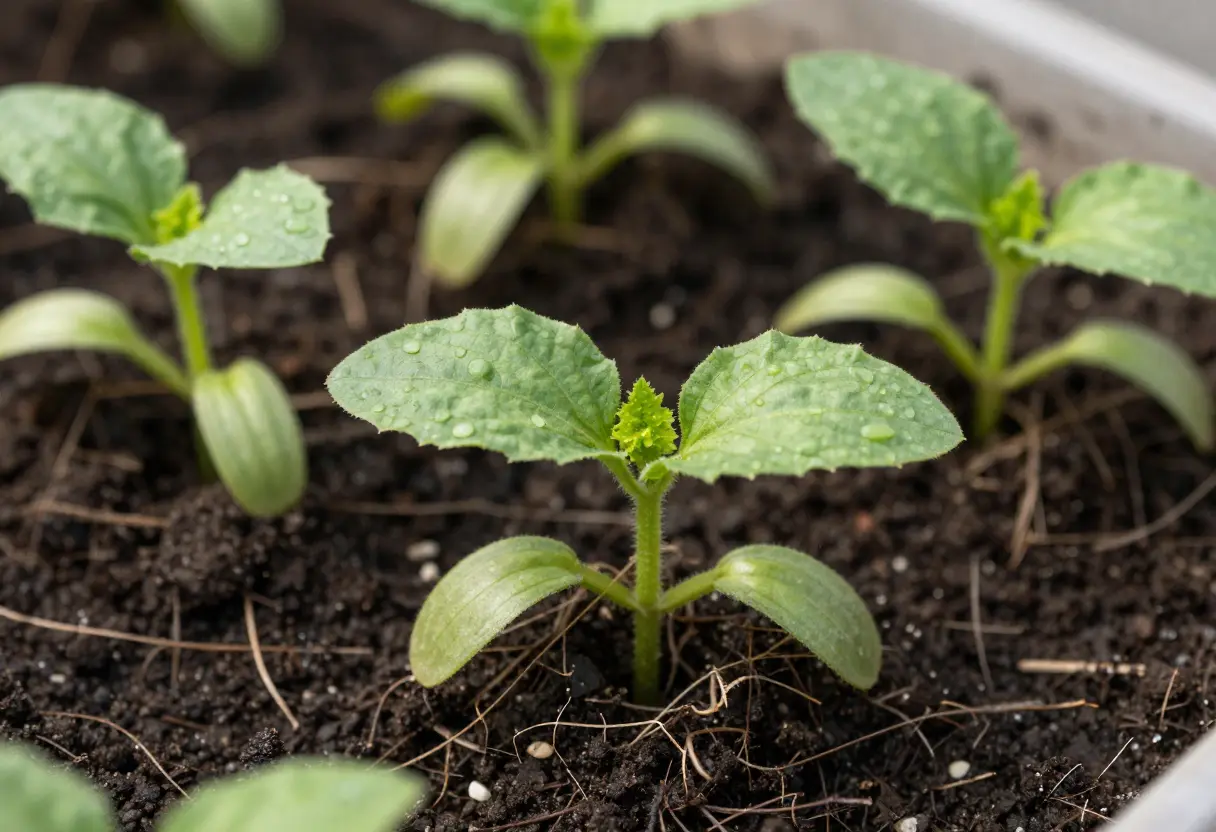
Are you growing cucumbers and wondering exactly when to transplant cucumbers for the best results? Timing can make all the difference between a healthy, productive plant and one that struggles to establish. Transplanting at the right stage helps cucumber seedlings adapt quickly, grow stronger, and produce a more abundant harvest.
If you move your cucumber seedlings too early, they might not survive the shock. Wait too long, and they could outgrow their starter pots or miss the prime growing season. You’ll learn the perfect signs and timing to transplant your cucumbers, so you can enjoy a bountiful harvest without the usual guesswork.
Keep reading to find out how to give your cucumbers the best start possible!
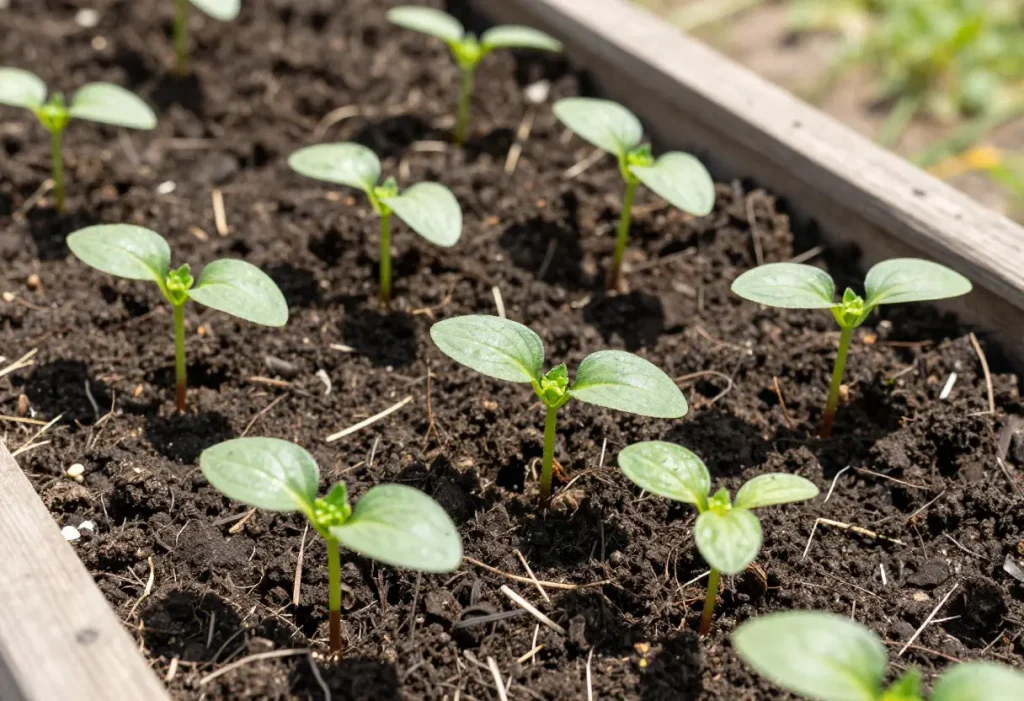
Choosing the right time to transplant cucumbers is key for a healthy garden. Transplanting too early or too late can harm young plants. Knowing the ideal timing helps cucumbers grow strong and produce more fruits. This section explains the signs, weather, and soil conditions to watch for.
Seedlings should have at least two to three true leaves. The stem becomes thick and sturdy. Roots fill the seedling container but are not crowded. Plants look healthy and green, not yellow or weak. These signs show seedlings can handle transplanting stress.
Wait until all frost danger passes. Night temperatures should stay above 50°F (10°C). Warm, sunny days help plants adjust faster. Avoid transplanting before heavy rain or strong wind. Calm, mild weather gives cucumbers the best start outdoors.
The soil must be warm enough for roots to grow. Ideal soil temperature is 70°F (21°C) or higher. Cold soil slows growth and can cause root damage. Use a soil thermometer to check temperature. Warm soil encourages quick establishment and healthy roots.
Preparing seedlings for transplant is a key step in growing healthy cucumbers. Seedlings need care before moving outdoors. This helps them grow strong and survive the change.
Proper preparation reduces shock and boosts plant growth. Start this process about one to two weeks before transplanting. Follow clear steps to make seedlings ready for the garden.
Hardening off means slowly exposing seedlings to outdoor conditions. Start by placing seedlings outside for a few hours daily. Keep them in shade at first, then add more sunlight each day.
Increase time outside over 7 to 10 days. Avoid strong wind and heavy rain during this process. This helps plants adjust to temperature and light changes safely.
Select seedlings with strong stems and healthy leaves. Avoid plants that look yellow, wilted, or weak. Choose those that are about 3 to 4 inches tall.
Healthy roots are important too. Look for white, firm roots without dark spots. Good seedlings grow faster and resist pests better.
Use a light, well-draining potting mix for seedlings. Avoid heavy garden soil that holds too much water. A mix with peat, perlite, or vermiculite works well.
Choose containers with drainage holes to prevent water buildup. Small pots or seed trays are ideal for early growth. Transplant seedlings to larger pots if they outgrow small ones before moving outdoors.
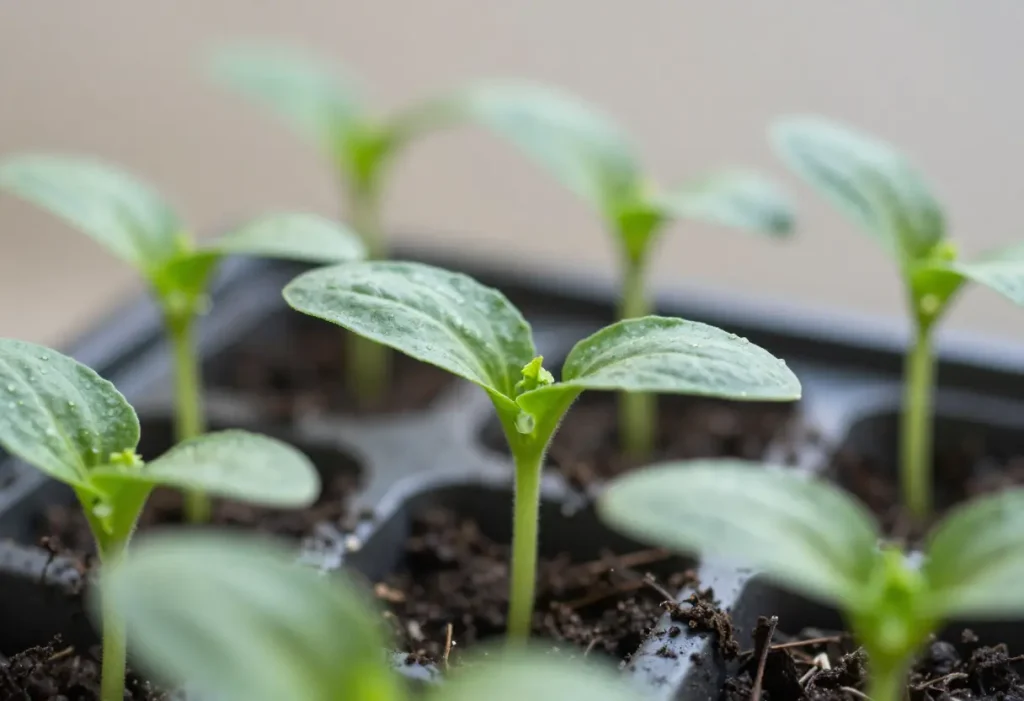
Transplanting cucumbers requires care to ensure strong growth. Following best practices helps plants adapt well to new soil. Healthy seedlings grow faster and produce more fruit. Focus on planting depth, watering, and protecting seedlings from stress. These steps support a smooth transition.
Plant cucumber seedlings at the same depth as in the pot. Avoid burying the stem too deep to prevent rot. Space plants 12 to 18 inches apart for good air flow. Proper spacing reduces disease risk and gives roots room to grow.
Water seedlings immediately after transplanting to settle the soil. Keep soil moist but not soaked for the first week. Watering helps roots recover from transplant shock. Use gentle watering to avoid washing away soil around roots.
Shield young plants from strong sun and wind at first. Use shade cloth or garden fabric for a few days. Avoid fertilizing immediately after transplant to prevent leaf burn. Watch for pests and treat early to keep plants healthy.
Transplanting cucumbers requires care. Many gardeners make simple mistakes that harm young plants. Knowing these errors helps avoid plant stress and poor growth. Here are common transplanting mistakes to watch for.
Moving cucumbers outside before the weather warms can shock them. Cold soil slows root growth and weakens plants. Wait until all danger of frost is gone. Seedlings should have two or three true leaves before transplanting.
Planting in poor soil stops cucumber roots from growing well. Soil must be loose, well-drained, and rich in nutrients. Heavy or compacted soil holds water and suffocates roots. Test soil and add compost before transplanting for best results.
Both too much and too little water cause problems. Overwatering leads to root rot and weak plants. Underwatering makes leaves wilt and slows growth. Water evenly and check soil moisture regularly. Keep soil moist but not soggy for healthy cucumbers.
After transplanting cucumbers, proper care is key for strong growth. The young plants need attention to settle into their new environment. Healthy growth depends on good soil nutrition, pest control, and support for the vines. Each step helps cucumbers grow well and produce fruit.
Use a balanced fertilizer to feed your cucumbers. Choose one with equal parts nitrogen, phosphorus, and potassium. Apply fertilizer two weeks after transplanting. Avoid too much nitrogen, which can cause more leaves than fruit. Water the plants after fertilizing to help nutrients reach roots.
Check plants regularly for pests like aphids and cucumber beetles. Remove pests by hand or use mild insecticidal soap. Keep leaves dry to prevent diseases like powdery mildew. Remove any damaged or diseased leaves quickly. Use crop rotation to reduce soil diseases next season.
Provide trellises or cages for cucumber vines to climb. This keeps fruits off the ground and reduces rot. Tie vines gently with soft ties to avoid damage. Train vines to grow upward for better air flow. Support helps plants grow stronger and increases harvest size.
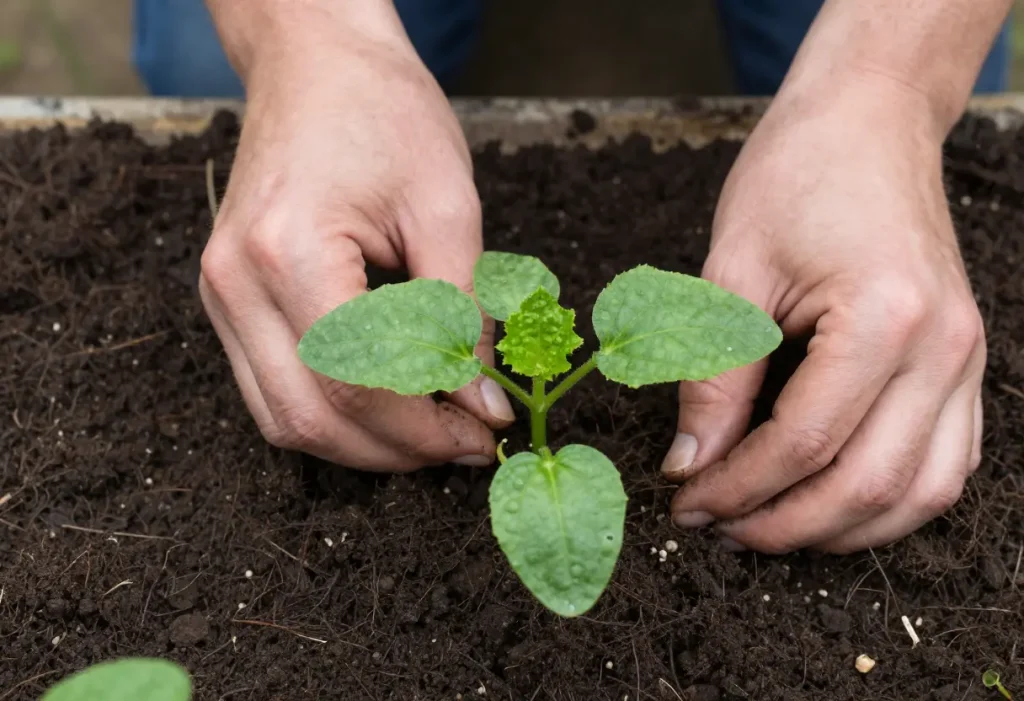
Transplant cucumber seedlings after 3-4 weeks of growth. The plants should have 2-3 true leaves and strong stems.
Look for sturdy stems and several leaves. The seedlings should be big enough to handle without breaking.
Avoid transplanting before the last frost. Cucumbers need warm soil, usually above 60°F (16°C), to grow well.
Use well-drained, loose soil with good nutrients. The soil should be warm and moist but not waterlogged.
Space cucumber plants 12 to 18 inches apart. This gives them room to grow and spread out properly.
Transplant cucumbers when the soil is warm and plants have true leaves. Avoid moving seedlings too early to prevent stress and poor growth. Choose a calm day to protect young plants from wind damage. Keep soil moist but not soaked after transplanting.
Watch your cucumbers closely for signs of adjustment. Healthy transplanting leads to strong, productive cucumber plants. Timing matters for a successful garden harvest. Start right and enjoy fresh cucumbers all season long.