Gardening Made Simple.

Are you noticing Zucchini Leaves Turning Yellow and wondering what’s going wrong? It’s frustrating to see your healthy plants lose their vibrant green color, but with the right diagnosis and care, you can quickly restore their strength and growth.
Yellow leaves can signal a problem that might affect the growth and yield of your zucchini. But don’t worry—understanding why this happens can help you fix the issue quickly. Keep reading to discover the common causes behind yellow zucchini leaves and the simple steps you can take to bring your garden back to life.
Your zucchini deserves the best care, and we’re here to help you give it just that.
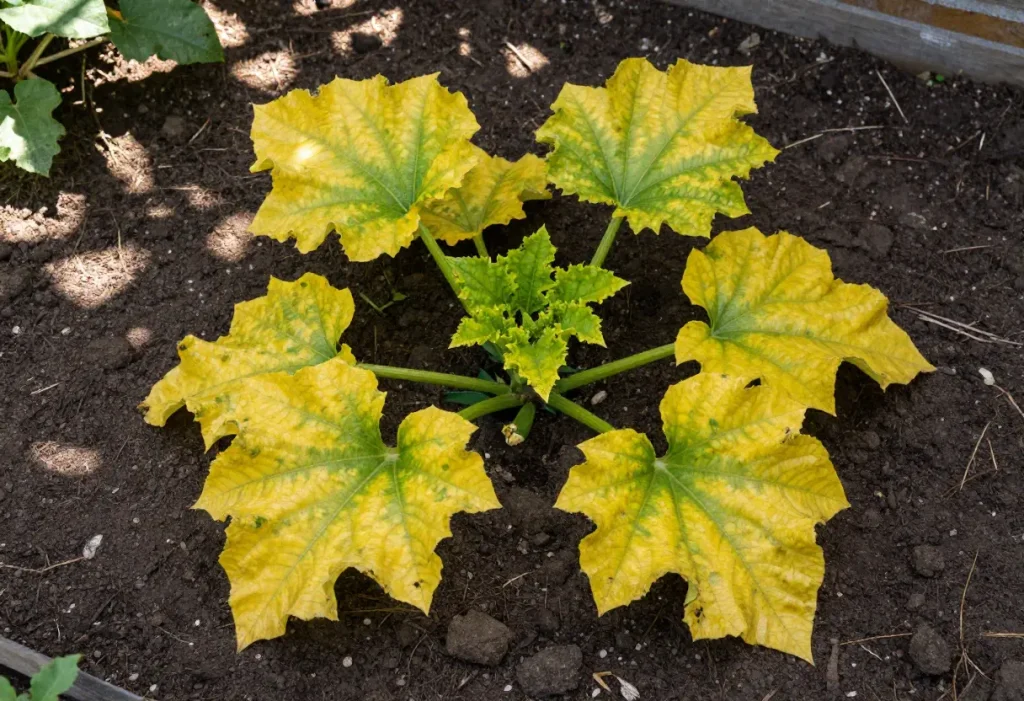
Yellow leaves on zucchini plants often signal a problem. Understanding the common causes helps you fix the issue fast. Healthy leaves are green and firm. Yellowing leaves mean the plant lacks something vital or faces stress.
Zucchini plants need key nutrients to stay green. Lack of nitrogen is a frequent cause of yellow leaves. Nitrogen helps leaves grow healthy and dark green. Magnesium and iron shortages also cause yellowing, usually with green veins. Use balanced fertilizer to provide these nutrients.
Water problems cause yellow leaves on zucchini plants. Too much water drowns roots and stops oxygen flow. This makes leaves turn yellow and wilt. Too little water causes stress and leaf yellowing. Keep soil moist but not soggy for best results.
Insects like aphids and spider mites suck plant juices. This damage causes yellow spots and leaves. Diseases such as powdery mildew and bacterial wilt also cause yellowing. Check plants regularly for bugs or signs of disease. Early action can save your crop.
Heat, cold, and strong winds stress zucchini plants. Stress leads to yellow leaves and slowed growth. Sudden changes in weather can shock the plant. Provide shade during hot days and protect from cold winds. Stable conditions keep leaves green and healthy.
Zucchini leaves turning yellow often signal nutrient problems. Plants need the right nutrients to grow healthy leaves. Identifying which nutrients are missing helps fix the problem fast. This section explains common nutrient shortages causing yellow leaves.
Nitrogen is vital for leaf growth and green color. Yellowing starts on older leaves first. Leaves may turn pale yellow or light green. The plant looks weak and grows slowly. Lack of nitrogen reduces overall plant health and yield.
Magnesium deficiency causes yellowing between leaf veins. Veins stay green while the rest fades. Older leaves show symptoms first. Iron shortage shows yellowing mainly on young leaves. Leaf edges might remain green while centers turn yellow.
Choose fertilizers with balanced nutrients for zucchini plants. Apply nitrogen-rich fertilizer for yellowing older leaves. Use magnesium or iron supplements for specific shortages. Follow package instructions to avoid over-fertilizing. Regular feeding supports healthy green leaves and strong growth.
Watering plays a key role in keeping zucchini leaves green and healthy. Both too much and too little water cause yellow leaves. Knowing how to water your plants correctly helps them grow strong and vibrant. Follow simple watering tips to avoid common problems.
Too much water drowns zucchini roots. This stops oxygen from reaching them. Yellow leaves often mean roots are wet for too long. Water only when the top inch of soil feels dry. Use well-draining soil to prevent water buildup. Avoid watering every day unless needed.
Underwatering makes leaves dry and yellow. Leaves may curl or wilt in the heat. Check soil moisture regularly. If soil feels hard or dusty, the plant needs water. Water deeply to soak the root zone. Light watering does not reach roots well.
Water zucchini plants early in the day. This allows leaves to dry before night. Use a watering can or drip system near the base. Avoid wetting leaves to prevent disease. Keep soil evenly moist but not soggy. Mulch around plants to keep moisture steady.
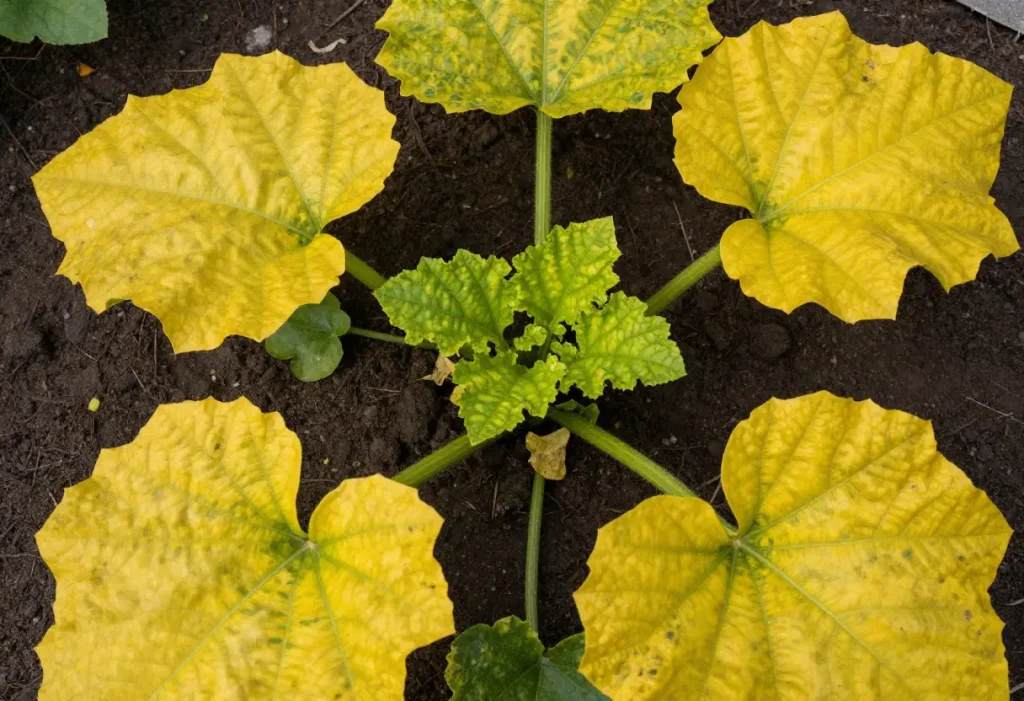
Dealing with pests and diseases is key to healthy zucchini plants. Yellow leaves often signal trouble beneath the surface. Identifying the cause early helps save your garden. Understanding pests and diseases guides you to the right treatment. This section explains common issues and natural control methods.
Several pests attack zucchini leaves, causing yellowing and damage. Squash bugs suck plant juices and leave yellow spots. Aphids cluster on stems, spreading viruses and weakening plants. Cucumber beetles chew leaves and spread bacterial diseases. These pests reduce plant vigor and fruit production.
Fungal diseases cause yellow patches and leaf wilting. Powdery mildew forms white powder, eventually turning leaves yellow. Downy mildew causes yellow spots with gray fuzz underneath. Bacterial wilt spreads fast, turning leaves yellow and causing collapse. Early detection helps prevent spread and limits damage.
Use neem oil spray to deter many pests without chemicals. Introduce beneficial insects like ladybugs to eat aphids naturally. Handpick larger pests such as squash bugs to reduce their numbers. Remove infected leaves to stop fungal and bacterial infections. Keep garden clean and dry to prevent disease growth.
Managing environmental stress plays a big role in keeping zucchini leaves green and healthy. Plants react quickly to changes in their surroundings. Stress from the environment often causes leaves to turn yellow. Understanding how to control these factors helps your zucchini grow strong and vibrant.
Zucchini plants prefer steady temperatures between 70°F and 85°F. Sudden drops or rises can shock the plant. This shock causes leaves to yellow and wilt. Protect plants by using row covers during cold nights. Avoid planting too early in the season. Keep an eye on weather forecasts and act fast to shield your crop.
Zucchini needs full sun for at least six hours daily. Too little light weakens the plant and causes yellow leaves. Too much direct sun in hot climates can also burn leaves. Place plants where they get morning sun and some afternoon shade. This balance helps maintain healthy, green foliage.
Good soil supports strong zucchini growth. Poor soil drains water badly and causes root problems. Add organic compost to improve soil texture and nutrients. Ensure the soil pH stays between 6.0 and 7.5 for best results. Regular watering keeps soil moist but not soggy. Healthy soil means healthy leaves and better harvests.
Yellowing zucchini leaves can worry any gardener. Quick action helps your plant recover fast. Simple steps can stop damage and bring back healthy growth. These remedies focus on treating leaves, trimming damaged parts, and changing care habits.
Spray your zucchini leaves with water mixed with mild fertilizer. This feeds the plant directly through the leaves. Use neem oil or insecticidal soap to fight pests causing yellowing. Apply sprays early morning or late evening to avoid leaf burn. Repeat treatments weekly until leaves look healthier.
Cut off yellow or brown leaves with clean scissors. Removing damaged leaves stops disease spread. Trim leaves close to the stem but avoid cutting healthy parts. Dispose of cut leaves away from your garden. This practice helps the plant focus energy on new growth.
Check your watering habits. Overwatering or underwatering can cause yellow leaves. Water deeply but less often, letting soil dry between sessions. Ensure your plant gets at least 6 hours of sunlight daily. Add compost or balanced fertilizer to improve soil nutrition. Keep soil loose and well-drained for better root health.
Preventing zucchini leaves from turning yellow helps keep your plants strong. Healthy leaves mean better growth and a good harvest. Simple care steps can stop yellowing before it starts. These tips focus on watching your plants closely, checking soil health, and adjusting care by season.
Check your zucchini plants daily. Look for yellow spots or wilting leaves. Early signs help catch problems fast. Remove any damaged leaves to stop spread. Keep an eye on pests like aphids or mites. Healthy plants resist stress and disease better.
Test soil regularly to know nutrient levels. Yellow leaves often show nutrient shortages like nitrogen or iron. Use a simple soil test kit to check pH and minerals. Adjust soil with compost or fertilizer based on results. Good soil gives plants the food they need.
Change care routines with the seasons. In hot weather, water zucchini deeply but less often. Avoid wetting leaves to prevent fungus. In cooler months, reduce watering and watch for cold stress. Mulch around plants to keep soil moist and warm. Seasonal care keeps plants balanced and healthy.
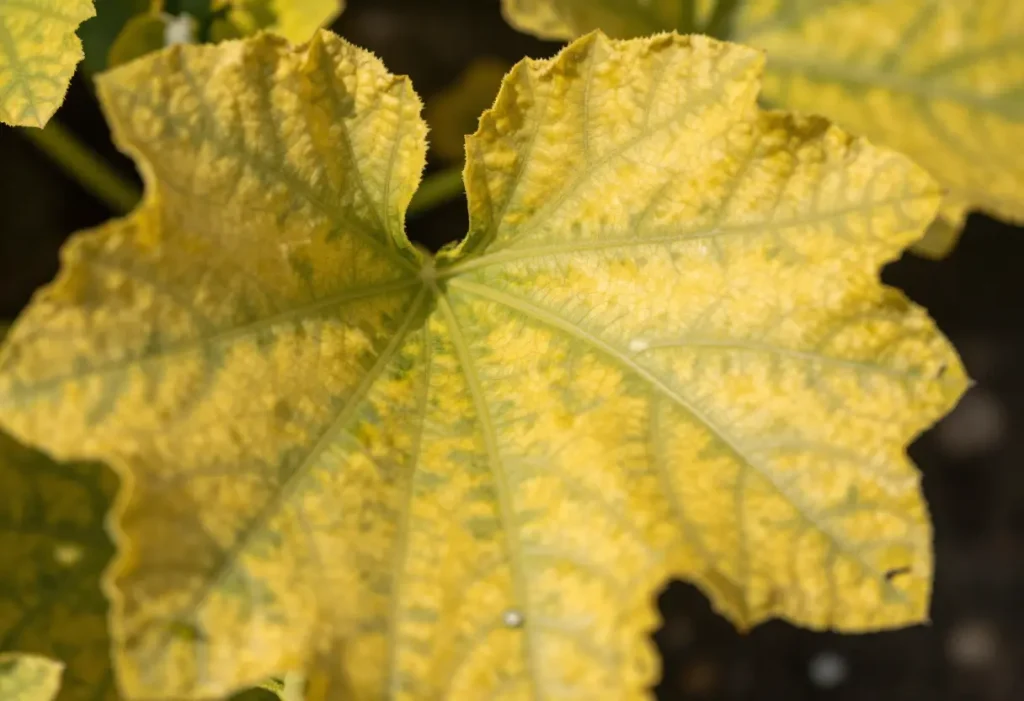
Yellow leaves often mean the plant lacks water, nutrients, or has pests. Check soil moisture and look for bugs on leaves.
Yes, too much water can drown roots, causing leaves to turn yellow. Ensure soil drains well and water only when dry.
Yellow leaves can show lack of nitrogen or magnesium. Use balanced fertilizer to help plants get essential nutrients.
Insects like aphids or spider mites suck sap, damaging leaves and causing yellow spots. Inspect leaves and treat pests early.
Fungal or bacterial diseases often cause yellowing and wilting. Remove affected leaves and use fungicides if needed.
Yellow zucchini leaves need quick attention. Check water and soil health first. Watch for pests or diseases closely. Use natural remedies to protect plants. Healthy leaves mean better zucchini growth. Small steps keep your garden strong. Keep learning about your plants’ needs.
Caring for leaves helps your harvest. Stay patient and observe changes daily. Your garden will thank you with fresh veggies.