Gardening Made Simple.
Have you ever thought about growing your own tomatoes from seeds inside the tomatoes you eat? It’s easier than you might think, and learning Planting Tomato Seeds from Tomatoes can bring a whole new level of satisfaction to your gardening. With simple steps and a little care, you can turn leftover seeds into healthy, thriving tomato plants for your garden.
Imagine biting into a juicy tomato that started right in your home, from seeds you saved yourself. In this guide, you’ll discover simple steps to plant tomato seeds straight from your favorite tomatoes. By the end, you’ll feel confident to start your own tomato garden and enjoy fresh, homegrown fruit all season long.
Ready to turn your kitchen scraps into a thriving garden? Let’s dive in!
Choosing the right tomatoes is the first step to growing healthy plants. The type of tomato you pick affects seed quality and plant growth. Not all tomatoes are good for seed saving. Some varieties produce better seeds than others. Understanding tomato types helps you choose seeds that grow well in your garden.
Consider the tomato’s ripeness and variety before planting seeds. These factors play a big role in the success of your tomato plants. Select tomatoes that are fresh and fully ripe. Also, decide between heirloom and hybrid types based on your garden needs.
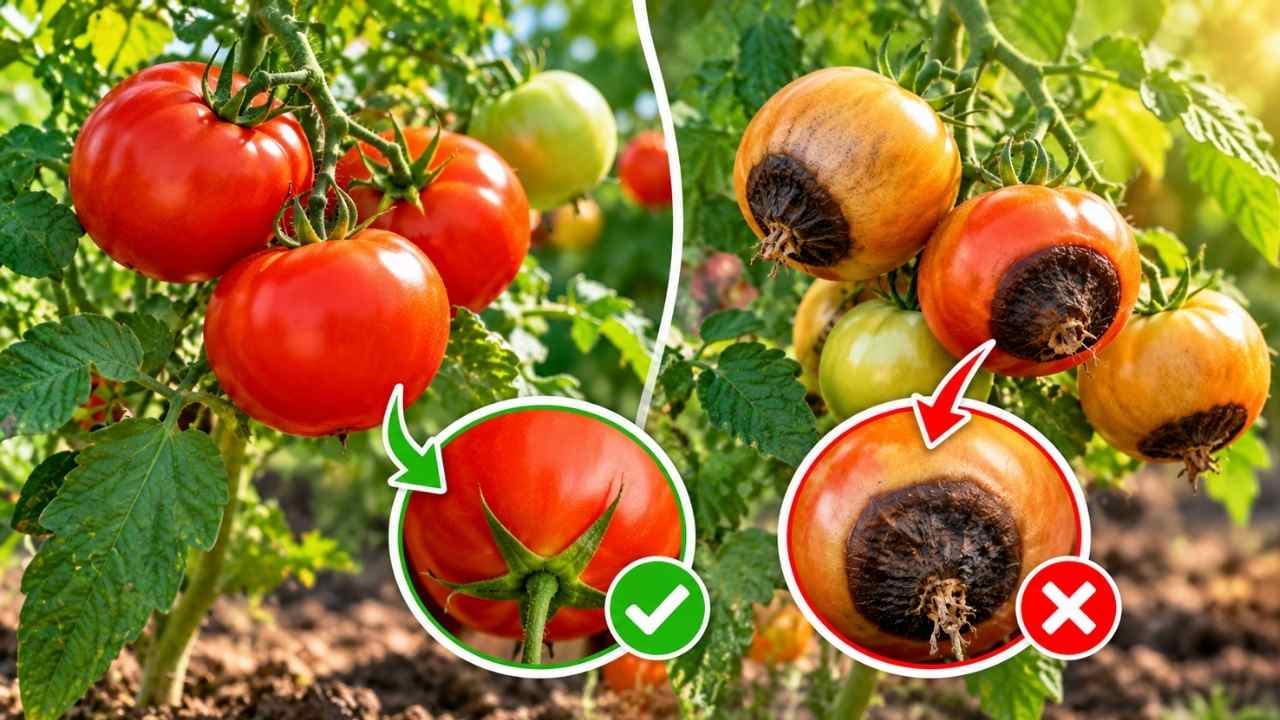
Pick tomatoes that are fully red or the color of their variety. Ripe tomatoes have the best seeds for planting. Avoid green or under-ripe tomatoes. Seeds from unripe fruit may not grow well. The tomato should feel firm but slightly soft to touch. Overripe or rotten tomatoes also have poor seed quality. Choose fresh, healthy tomatoes for best results.
Heirloom tomatoes come from old, natural seed lines. Their seeds grow true to the parent plant. These tomatoes have strong flavor and unique shapes. Hybrid tomatoes are bred for traits like disease resistance. Seeds from hybrids may not produce the same plants. Heirlooms are best for saving seeds. Hybrids offer better uniformity but less reliable seeds. Choose based on your goals: flavor and tradition, or easy growing.
Extracting seeds from tomatoes is the first step to growing your own plants. It lets you reuse seeds from tomatoes you already have. This saves money and helps you choose the best tomato varieties. The process is simple but requires care to protect the seeds.
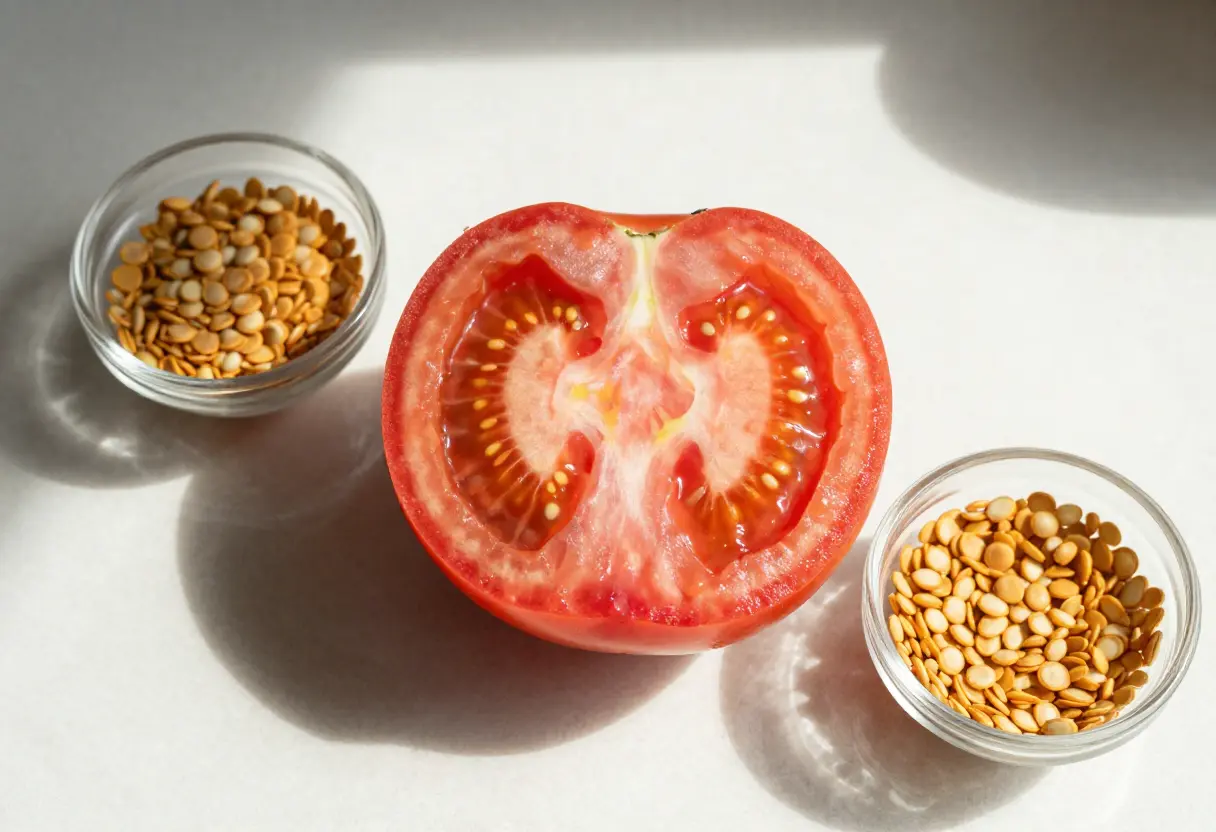
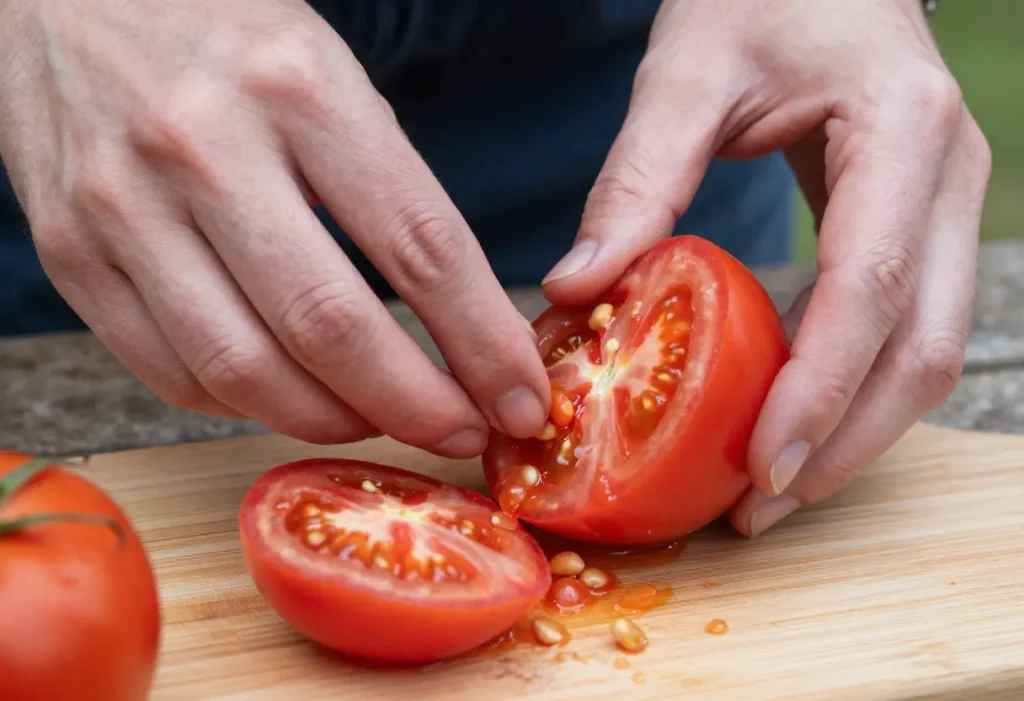
Choose a ripe tomato for the best seeds. Cut the tomato open with a sharp knife. Gently scoop out the seeds using a spoon or your fingers. Avoid breaking the seeds or mixing them with too much pulp. Handle seeds softly to keep them healthy.
Place the seeds in a bowl of water. Rub them gently to remove extra pulp. The good seeds will sink to the bottom. Discard the floating seeds and leftover pulp. Spread the clean seeds on a paper towel. Let them dry completely before storing. Dry seeds last longer and grow better.
Drying and storing tomato seeds is an important step to grow healthy plants later. Proper drying stops seeds from molding or rotting. Good storage keeps seeds alive for many months. This way, you can plant tomatoes season after season without buying new seeds.
After removing seeds from tomatoes, rinse them gently with water. Spread seeds on a clean paper towel or a plate. Keep seeds in a dry, warm place away from direct sunlight. Let seeds dry for about one week. Stir or move seeds each day to stop clumping. Seeds are ready when they feel hard and dry to touch.
Store dried seeds in airtight containers like glass jars or plastic bags. Label containers with the tomato variety and date. Keep containers in a cool, dark place such as a cupboard or fridge. Avoid places with heat or moisture. Check seeds every few months for signs of mold or damage. Proper storage helps seeds last up to five years.
Starting tomato seeds indoors helps you grow strong plants. It gives seeds a warm, safe place to sprout. You can start seeds weeks before the last frost. This way, plants will be ready to move outside when the weather is right.
Pick containers with good drainage holes. Small pots or seed trays work well. Avoid containers that hold too much water. Plastic or peat pots are easy to use. Make sure containers are clean to stop disease.
Use a light, well-draining soil mix. Seed-starting mixes are best because they hold moisture but drain well. Keep the soil damp, not wet. Water gently to avoid washing seeds away. Check soil moisture daily for the best results.
Tomato seeds need warmth to sprout. Keep the soil temperature between 70°F and 75°F. Place containers in a warm spot or use a heat mat. After sprouting, give seedlings 12 to 16 hours of light daily. Use a grow light or a sunny window for strong growth.
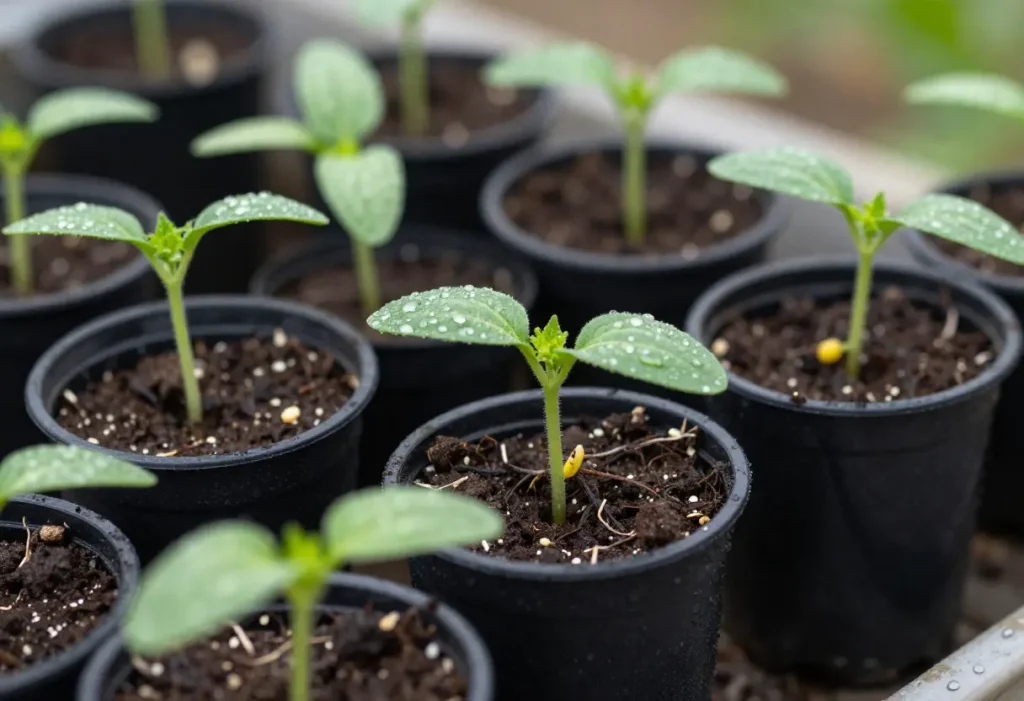
Transplanting tomato seedlings is a key step in growing healthy plants. It moves young plants from seed trays to the garden. This helps them get more space, sunlight, and nutrients. Proper transplanting improves growth and fruit production.
Care is needed to avoid damaging the delicate roots. Preparing the seedlings and the garden bed ensures a smooth transition. Follow these steps for best results.
Hardening off means slowly exposing seedlings to outdoor conditions. Start by placing them outside for a few hours each day. Increase the time over a week. This toughens the plants and prevents shock.
Keep seedlings in shade at first. Avoid strong wind and direct sun initially. Water them well during this period. Hardened seedlings adapt better to garden life.
Choose a sunny spot with well-drained soil. Remove weeds and rocks from the bed. Mix compost or aged manure into the soil. This adds nutrients and improves soil texture.
Loosen the soil to about 8 inches deep. This helps roots grow easily. Make rows or holes spaced properly for each seedling. Proper spacing prevents crowding and disease.
Handle seedlings gently by their leaves, not stems. Plant them deeper than in the seed tray. Bury up to the first true leaves. This encourages strong root growth.
Firm soil around each seedling to remove air pockets. Water seedlings right after planting. Keep soil moist but not soggy. Mulch around plants to keep soil cool and moist.
Caring for tomato plants is key to growing healthy and tasty tomatoes. Proper care helps plants stay strong and produce more fruit. Each step in caring for tomatoes makes a big difference in the harvest.
Tomato plants need regular watering to stay moist but not soggy. Water deeply to reach the roots, usually once or twice a week. Avoid wetting the leaves to prevent disease. Use a balanced fertilizer every two weeks to supply nutrients. Tomato plants thrive with fertilizers rich in nitrogen, phosphorus, and potassium.
Stakes keep tomato plants upright and prevent fruit from touching the ground. Tie the main stem gently to the stake using soft ties. This support stops branches from breaking in wind or rain. Use wooden or metal stakes about 3 to 4 feet tall. Proper support helps air flow and sunlight reach all parts of the plant.
Check plants regularly for pests like aphids, whiteflies, and caterpillars. Remove pests by hand or use natural sprays like neem oil. Watch for signs of diseases such as blight or leaf spots. Remove and destroy infected leaves to stop spread. Keep plants spaced well to improve air circulation and reduce disease risk.
Harvesting and saving tomato seeds is a simple way to grow plants next season. You get seeds from tomatoes you already like. This helps keep the best flavors and traits in your garden. The process is easy and saves money. It also makes your garden more personal and fun.
Choose tomatoes that are fully ripe and healthy. They should have bright color and feel soft but firm. Avoid fruits with spots or cracks. The best seeds come from good tomatoes. Pick them on a dry day for best results.
Cut the tomato open and scoop out the seeds with some juice. Put the seeds and juice in a small container. Let it sit for three days to ferment. This removes the gel around the seeds. After fermentation, rinse the seeds well with water. Spread them on a paper towel to dry completely. Store dry seeds in a cool, dry place. Label the seeds with the tomato type and date.
Remove seeds, clean them, dry for a few days, then plant in soil.
Start seeds indoors 6-8 weeks before the last frost date in your area.
Tomato seeds usually sprout within 5 to 10 days after planting.
Yes, but it’s better to start indoors to protect seedlings from cold.
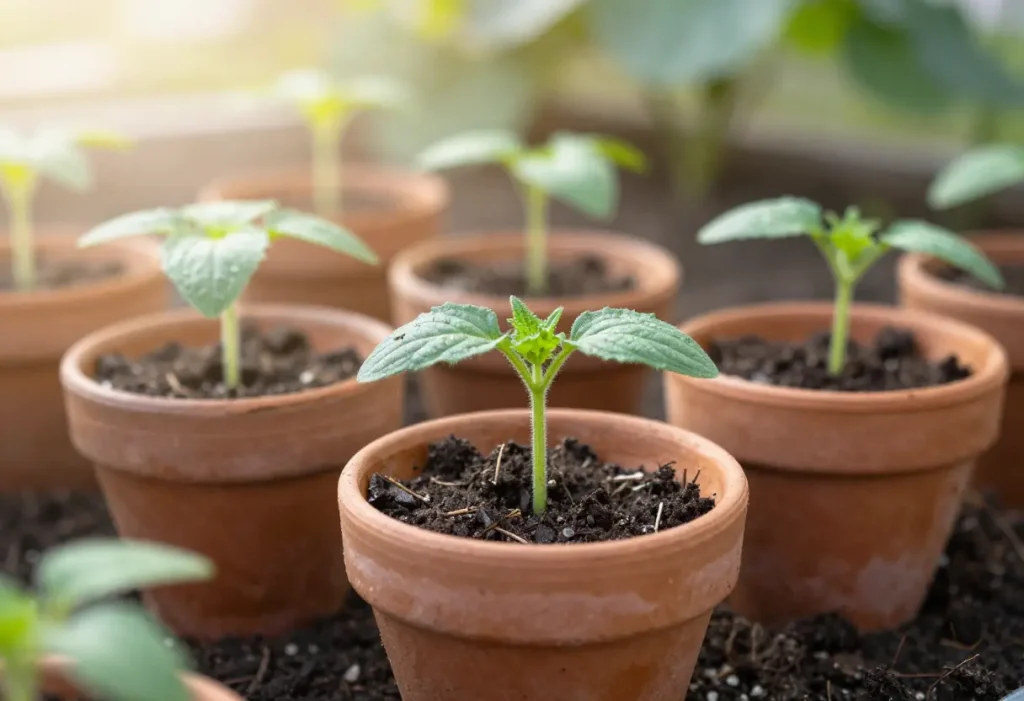
Keep soil moist, provide light, and transplant seedlings outdoors when strong enough.
Planting tomato seeds from tomatoes is simple and rewarding. Save seeds from ripe tomatoes for best results. Plant them in small pots with good soil. Keep the soil moist and place pots in sunlight. Watch your seeds sprout and grow into strong plants.
This method saves money and brings joy to gardening. Enjoy fresh tomatoes from your own garden soon. Try this easy way and see the difference yourself. Gardening can be fun and satisfying for everyone.