Gardening Made Simple.
Are you craving the freshest, juiciest tomatoes straight from the garden or market? When is Tomato Season is important to know so you can harvest or buy tomatoes at their peak flavor and enjoy the best taste possible.
Imagine biting into a ripe tomato that’s packed with sweetness and just the right amount of tang. Sounds delicious, right? You’ll discover exactly when tomato season occurs and how to make the most of it. Keep reading to unlock the secret to enjoying tomatoes at their absolute best.
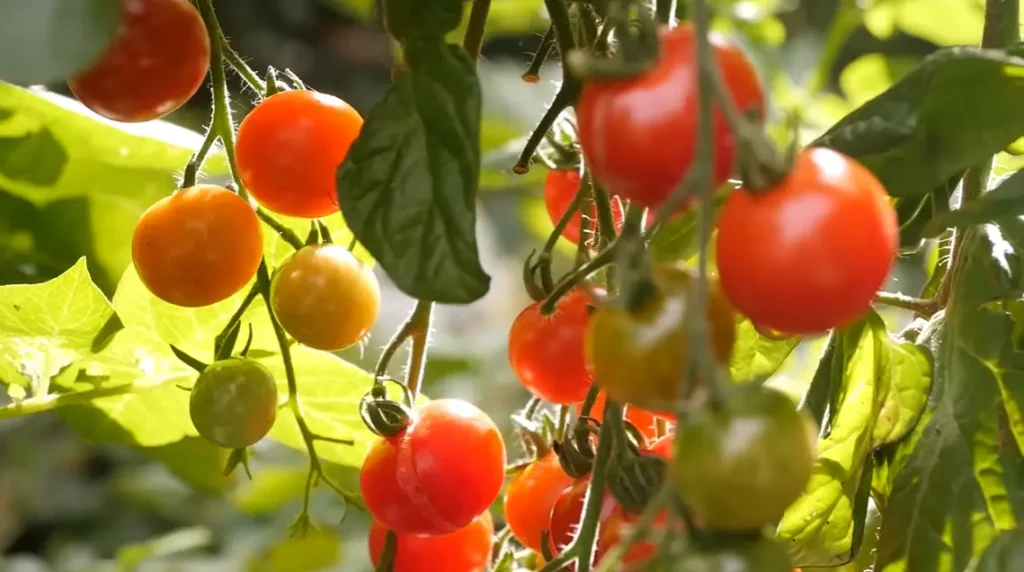
Tomatoes grow in many parts of the world. Each region has its own season for tomatoes. Climate and weather affect how well tomatoes grow. Knowing the main tomato growing regions helps understand when tomatoes are ripe and ready.
Tomatoes need warmth and sunlight. Some places have perfect conditions outdoors. Others use special methods to grow tomatoes all year.
Temperate zones have four seasons. Tomato plants grow best in spring and summer here. The soil warms up, and days get longer. Farmers plant tomatoes after the last frost. Harvest usually happens in late summer and early fall. These zones include parts of North America, Europe, and Asia.
These areas stay warm most of the year. Tomatoes can grow almost year-round. Rainfall and humidity can affect growth. Farmers choose varieties that resist heat and disease. Harvest times depend on local weather patterns. Places like parts of South America and Africa fall here.
Greenhouses create perfect tomato growing conditions. Temperature, humidity, and light are controlled. This allows tomatoes to grow all year. Greenhouse tomatoes often taste fresh and sweet. This method works in cold or unpredictable climates. Many commercial farms use greenhouses for steady supply.
Tomato season depends on several key factors. These elements affect when tomatoes grow best and produce fruit. Understanding these factors helps gardeners plan their planting times well. It also helps buyers know when tomatoes are freshest in markets.
Tomatoes need warm weather to grow. They do best in temperatures between 70 and 85 degrees Fahrenheit. Cold weather slows their growth or stops it completely. Frost can kill young tomato plants. Hot weather above 90 degrees can reduce fruit quality.
Regions with mild, steady temperatures have longer tomato seasons. Tropical climates may allow year-round growing. Cooler areas have shorter seasons limited to summer months.
Tomatoes need enough daylight to produce energy. They require 12 to 16 hours of sunlight daily. Longer daylight hours boost flowering and fruit development. Short days can delay fruiting or reduce yield.
Daylight length changes with seasons and latitude. Closer to the equator, day length stays constant. Farther from the equator, seasons affect sunlight hours more.
Healthy soil supports strong tomato plants. Well-drained soil prevents root rot and disease. Tomatoes prefer slightly acidic soil with a pH of 6.0 to 6.8. Nutrient-rich soil helps plants grow faster and produce more fruit.
Soil temperature matters too. Warm soil encourages seed germination and root growth. Cold, wet soil can delay planting and harm seedlings.
Tomato plants produce fruit in cycles tied to the seasons. The peak harvest periods show the best times to get ripe, juicy tomatoes. These periods depend on temperature, sunlight, and rainfall. Knowing these times helps gardeners and buyers find fresh tomatoes at their best.
Tomatoes start to ripen in late spring. Warm days and cool nights help tomatoes grow well. Early summer brings more sunlight, speeding up fruit production. Gardeners see the first big harvest in this period. The tomatoes are fresh and full of flavor.
Late summer is another peak time for tomatoes. Heat-loving plants thrive and produce many fruits. Early fall keeps the harvest going before cold weather arrives. Tomatoes picked now are often sweeter and richer in taste. This period suits areas with longer warm seasons.
Tomato season changes by region. Coastal areas may have longer growing seasons. Inland regions can have shorter harvest times. Some places see two or more harvest peaks. Local climate and weather patterns shape these differences. Gardeners should check local guides for exact timing.
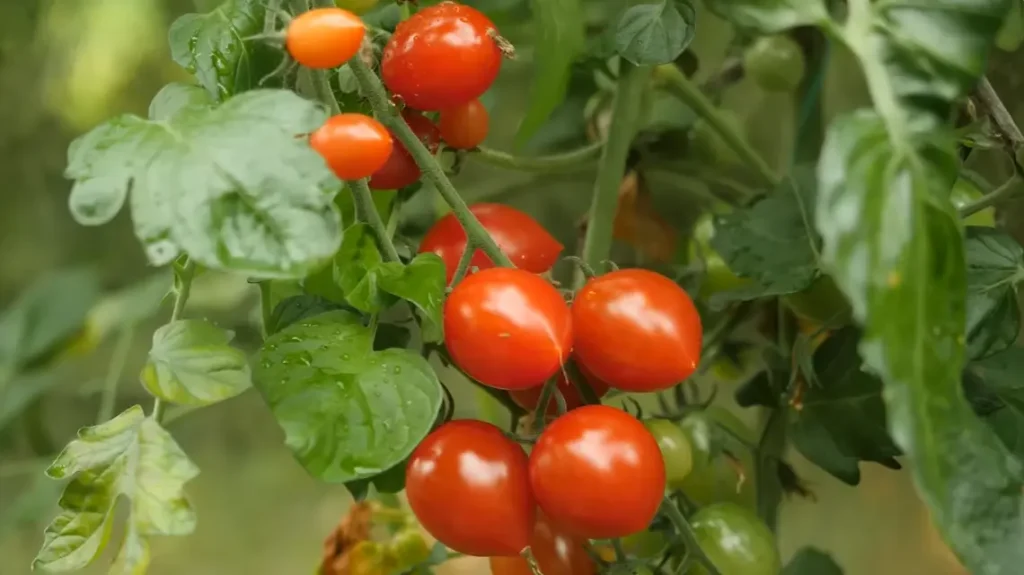
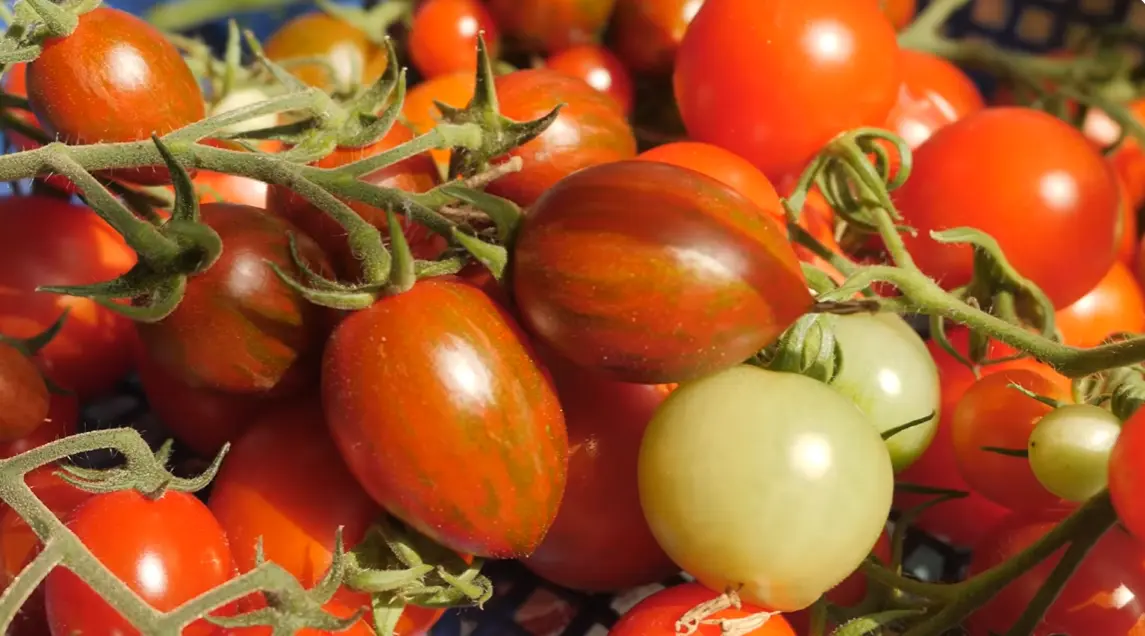
Tomatoes show clear signs when they are ripe. Knowing these signs helps you pick the best tomatoes from your garden or the market. Ripe tomatoes have certain features that tell you they are ready to eat. These features include changes in color, texture, and smell. Paying attention to these clues ensures fresh and tasty tomatoes every time.
Ripe tomatoes change color from green to red, orange, yellow, or pink, depending on the variety. The color should be even and bright. Avoid tomatoes with green patches, especially near the stem. Deep, rich colors usually mean the tomato is sweet and ripe.
Ripe tomatoes feel firm but slightly soft to the touch. They should give a little when gently squeezed. Hard tomatoes need more time to ripen. Very soft or mushy tomatoes are overripe and may spoil quickly.
Ripe tomatoes have a fresh, sweet smell near the stem. The stronger the aroma, the better the flavor. A ripe tomato tastes juicy and sweet with a slight tang. No smell often means the tomato lacks flavor.
Tomato season does not have to be short. Many gardeners find ways to enjoy fresh tomatoes longer. Extending tomato season lets you harvest more fruit and enjoy fresh tomatoes beyond summer. Simple methods help keep your tomato plants producing for weeks or months more.
Plant tomatoes in stages. Start seeds or seedlings every two to three weeks. This creates a steady supply of tomatoes. When early plants finish, later ones begin to ripen. Succession planting spreads out harvest times. It reduces the risk of losing all tomatoes at once to pests or weather.
Greenhouses and high tunnels protect plants from cold weather. They keep the temperature warmer for longer. Tomatoes grow well inside these structures, even after outdoor frost. Using them extends the growing season into fall and early spring. You can start plants earlier and keep harvesting later with these shelters.
Select tomato varieties that mature at different times. Early varieties ripen quickly, giving fast results. Late varieties take longer but produce fruit late in the season. Planting both types stretches out harvest time. This simple choice helps you enjoy fresh tomatoes over many weeks.
Harvesting tomatoes at the right time and handling them properly can improve their taste and shelf life. Following simple tips helps you enjoy fresh, juicy tomatoes from your garden or farm. Knowing how to pick, store, and manage tomatoes boosts your harvest success.
Pick tomatoes early in the morning. The cooler temperature keeps tomatoes firm. Avoid picking during midday heat to prevent damage. Morning harvesting preserves flavor and freshness. It also reduces the risk of bruising.
Handle tomatoes gently to avoid bruises. Use clean hands or gloves when picking. Place tomatoes in shallow containers to prevent crushing. Store tomatoes at room temperature, away from sunlight. Refrigeration can change their texture and flavor. Keep tomatoes stem side up for longer freshness.
Pick tomatoes regularly to encourage more fruit. Remove damaged or overripe fruits quickly. Prune plants to improve air flow and sunlight. Water plants evenly to prevent cracking. Use mulch to keep soil moist and reduce weeds. These steps help you get the most from your tomato plants.
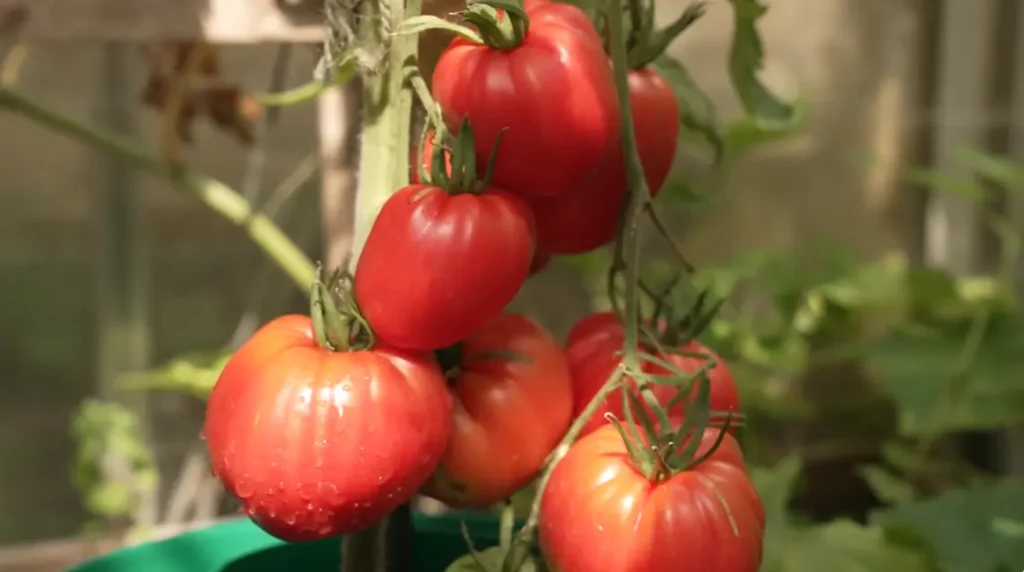
Tomatoes typically start ripening in late spring to early summer, depending on the climate.
Tomato season often lasts from June through September in most regions.
Weather, temperature, and local climate mainly affect how long tomato season lasts.
Tomatoes grow year-round only in warm, tropical climates with no frost.
The best time to buy fresh tomatoes is during peak season, summer months.
Tomato season brings fresh, juicy tomatoes to your table. It usually starts in late spring and lasts through summer. This is the best time to enjoy ripe tomatoes at their peak. Fresh tomatoes taste better and have more nutrients than canned ones.
Knowing the season helps you buy tomatoes that are sweet and flavorful. Plan your meals around this time for the freshest ingredients. Enjoy salads, sauces, and snacks made with fresh tomatoes. Fresh tomato season is short, so savor it while it lasts.