Gardening Made Simple.
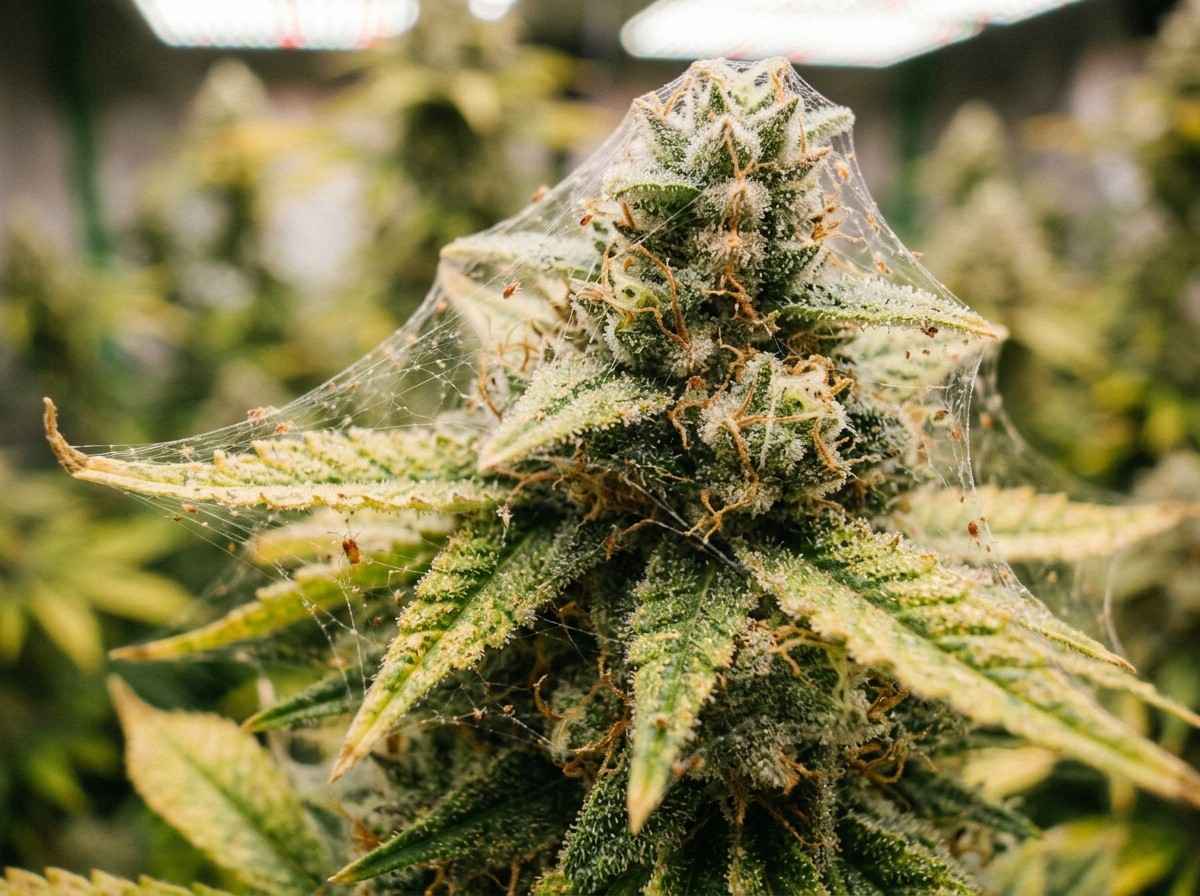
Are you noticing tiny pests on your buds just as harvest time approaches? Spider Mites on Buds at Time of Harvest can sneak in at the worst moment, threatening all the hard work you’ve put into your plants.
If you want to protect your crop and ensure a healthy, bountiful harvest, it’s crucial to spot and deal with these pests quickly. You’ll learn exactly how to identify spider mites on your buds, why they’re such a problem right before harvest, and the best ways to keep them under control.
Keep reading to save your plants and make sure your harvest is a success.
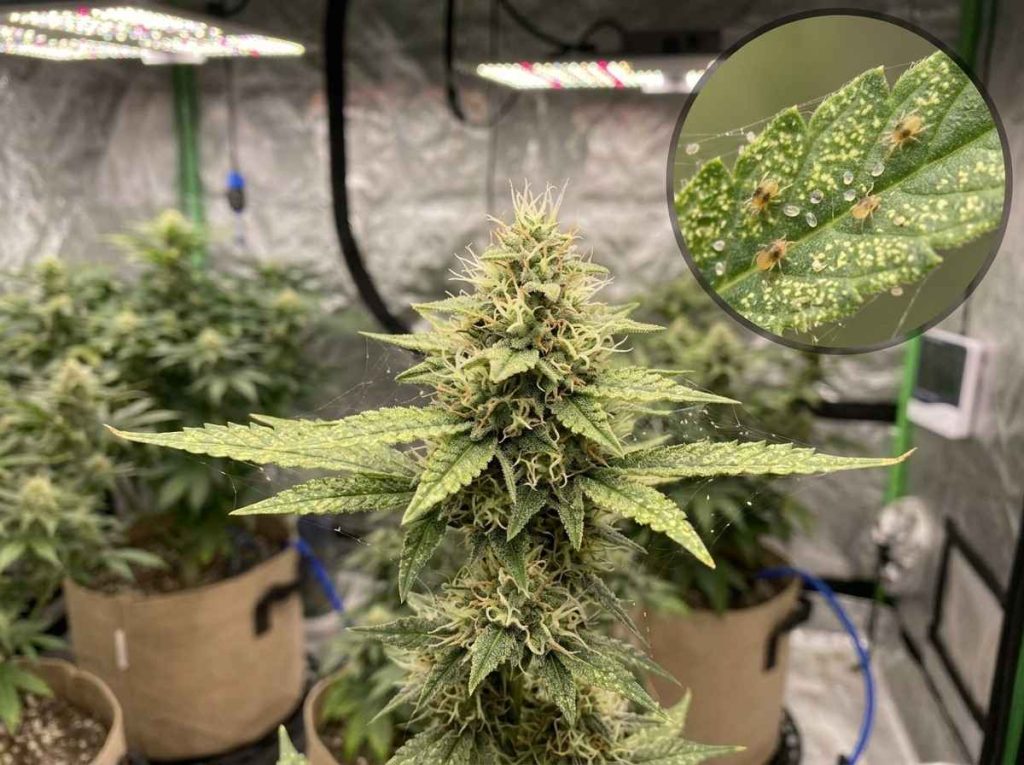
Identifying spider mites on buds at harvest time is crucial for growers. These tiny pests hide well but cause big problems. Spotting them early helps protect your plants and ensures a better yield.
Spider mites are very small and often blend in with the plant. Their presence shows in subtle ways. Knowing what signs to watch for makes detection easier.
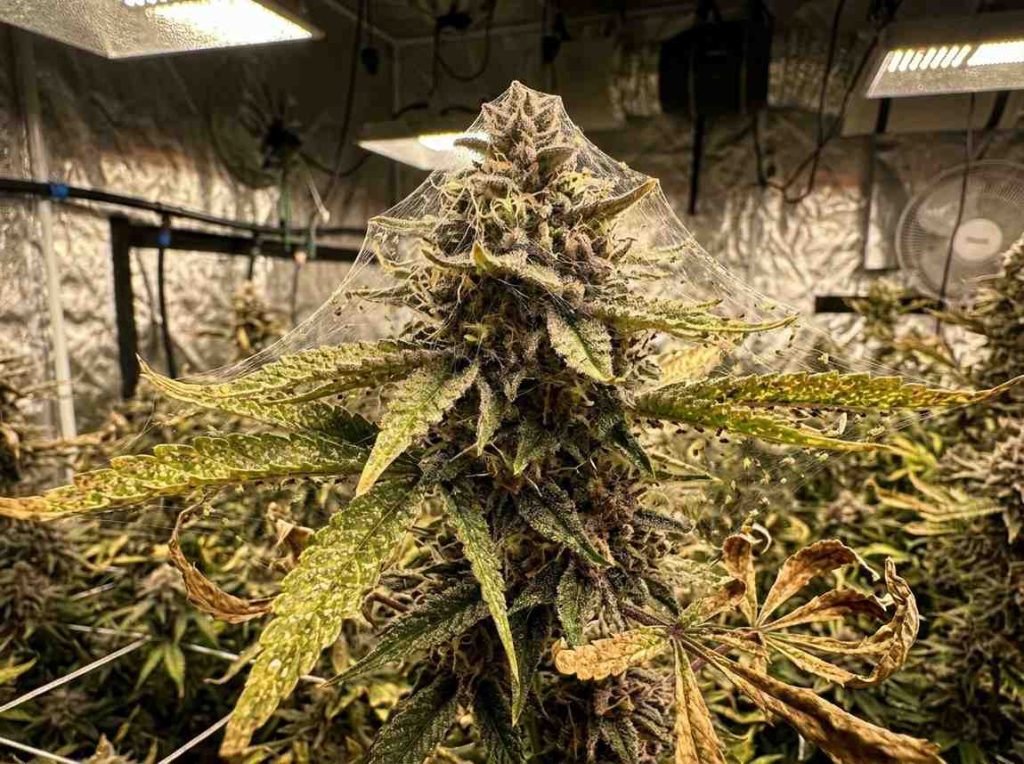
Look for tiny white or yellow spots on buds and leaves. These spots appear as mites suck the plant’s sap. Fine webbing may cover the buds or nearby leaves. This webbing looks like thin silk threads. You might also see small moving dots, which are the mites themselves.
Infested buds often look dry or brittle. They may have discolored patches, usually yellow or brown. The buds can shrink or fail to develop fully. Damaged buds lose their aroma and potency. This damage lowers the quality and value of the harvest.
Spider mites reproduce quickly, especially in warm, dry conditions. Their life cycle lasts about one to two weeks. Female mites lay eggs on the buds and leaves. The eggs hatch into tiny larvae that grow fast. Near harvest, populations can explode, causing heavy damage. Controlling mites before harvest is vital to save your crop.
Spider mites at harvest pose serious risks to your crop. These tiny pests can damage buds just before picking. Their presence reduces the overall quality and value of the harvest. Understanding these risks helps growers protect their plants effectively.
Spider mites feed on plant cells, causing discoloration and spots. This weakens the buds and changes their taste. Damaged buds lose their aroma and potency. Such quality loss makes the product less appealing to buyers.
Spider mite infestations reduce the size and weight of buds. Heavy infestations cause leaves to dry out and fall. The plant’s energy drops, lowering overall yield. This means less product to sell and profit.
Spider mites and their webbing can contaminate harvested buds. This contamination creates problems during processing and packaging. It may also lead to rejection by quality inspectors. Clean, pest-free buds are essential for market success.
Natural predators and biological controls offer safe ways to manage spider mites on buds during harvest. These methods reduce the need for chemicals that can harm plants or leave residues. They use living organisms to keep spider mite populations low. This helps protect your crop while supporting a healthy garden environment.
Ladybugs and lacewings are common beneficial insects. They feed on spider mites and their eggs. Releasing these insects near affected buds helps lower mite numbers. They are easy to find and safe for plants and people. Introducing them early can prevent mite outbreaks.
Predatory mites are natural enemies of spider mites. They hunt and eat spider mites on buds and leaves. Species like Phytoseiulus persimilis work fast and target spider mites only. You can buy these mites from garden stores or online. Applying them at the first sign of infestation improves control.
Keeping a balanced ecosystem stops spider mites from taking over. Avoid overusing pesticides that kill helpful insects. Provide a variety of plants to attract natural predators. Healthy soil and proper watering support strong plants and beneficial life. A balanced garden resists pest problems more easily.
Spider mites on buds at harvest time can ruin your crop quality. Chemical control is one way to manage this pest. Choosing the right chemicals is key to protecting your plants and keeping your harvest safe.
Select miticides labeled safe for use near harvest. These products break down quickly and leave little residue. Look for options with low toxicity to humans and beneficial insects. Examples include oils and soaps designed to kill spider mites.
Apply chemicals in the early morning or late evening. This reduces plant stress and prevents quick evaporation. Spray evenly on buds and leaves where mites hide. Repeat treatments as directed, but never exceed the recommended dose.
Check the pre-harvest interval on the product label. This is the safe waiting time after spraying before harvest. Washing buds gently can also reduce surface residues. Choose chemicals with short intervals to keep buds clean and safe.
Spider mites can damage buds just before harvest. Cultural practices help reduce their numbers naturally. These practices focus on cleaning, environment, and plant care. They make plants stronger and less inviting to pests.
Clean your growing area regularly. Remove dead leaves and plant debris. These can hide spider mites and their eggs. Use clean tools and gloves to avoid spreading pests. Keep the space tidy to stop mite buildup.
Spider mites prefer hot, dry conditions. Increase humidity levels around your plants. Use a humidifier or mist plants lightly. Lower temperatures can also slow mite growth. Good airflow prevents stagnant air, which mites like.
Healthy plants resist pests better. Avoid overwatering or underwatering your plants. Provide balanced nutrients for strong growth. Reduce any physical damage to buds or leaves. Less stress means plants can fight off spider mites more easily.
Detecting spider mites early on buds is vital at harvest time. These tiny pests can cause serious damage fast. Catching them early helps protect your crop and improves quality. Monitoring should be a regular habit, not a one-time check.
Careful watching lets you spot spider mites before they spread widely. It saves time and money on treatments. Use simple, clear methods to find mites early. Being consistent with checks is key to success.
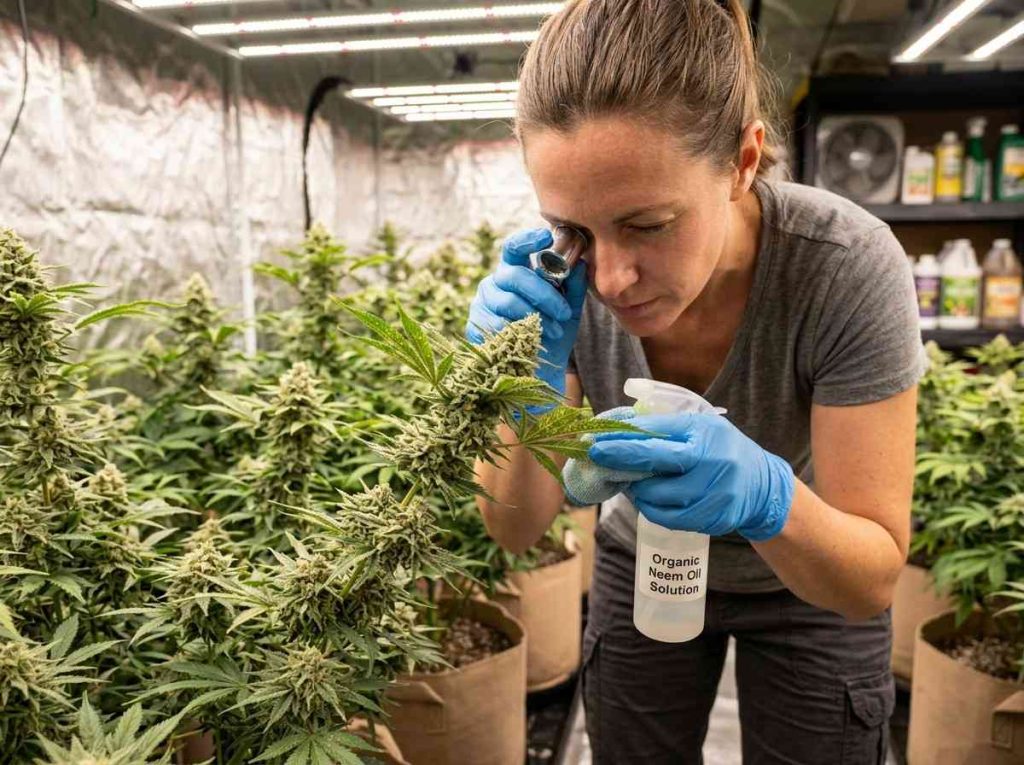
Look closely at buds and leaves for tiny webs or specks. Use a magnifying glass for better view. Focus on the undersides of leaves where mites hide. Check daily or every few days during harvest. Early signs include yellow or brown spots on leaves.
Sticky traps catch moving spider mites near plants. Place traps around buds to monitor pest levels. Tap leaves over white paper to see mites drop. Collect samples regularly to track mite presence. These methods give clear evidence of infestation early.
Write down inspection dates, findings, and pest counts. Use simple charts or notes for easy tracking. Compare records to spot increases or patterns of mites. Keeping records helps plan timely treatments. It also shows if methods work or need change.
Integrated Pest Management (IPM) offers a smart way to control spider mites on buds at harvest time. It uses several methods together to reduce pests and protect plants. This helps keep crops safe without harming the environment or your health. IPM focuses on using natural and less harmful options first, saving chemicals as a last step.
Using different methods together improves pest control. Natural predators like ladybugs and predatory mites can eat spider mites. Cultural practices, such as cleaning tools and removing infested leaves, reduce spider mite numbers. Mechanical controls like spraying water can wash away pests. Combining these methods creates a stronger defense than one alone.
Applying control methods at the right time is key. Early detection helps catch spider mites before they spread. Treat plants before buds fully develop for better results. Check plants often to spot mites early. Timely actions reduce damage and keep harvest quality high.
Relying less on chemicals protects beneficial insects and the environment. Use organic or natural pesticides only if needed. Rotate chemicals to avoid resistance in spider mites. IPM encourages safer options to keep pests under control. This approach supports healthy plants and cleaner harvests.
Spider mites are tiny pests that feed on plant buds, causing damage just before harvest.
They suck plant juices, making buds weak, discolored, and less potent.
Yes, spider mites can live on buds until harvest, causing ongoing damage.
Use gentle sprays like neem oil or insecticidal soap to avoid harming buds.
Keep plants clean, avoid dust, and regularly check for mites to prevent infestations.
Spider mites can damage buds right before harvest. Catching them early saves your crop quality. Use gentle treatments to avoid harming the buds. Keep plants clean and check often for pests. Healthy plants resist spider mites better. Stay patient and consistent with your care routine.
Protect your harvest by acting fast and smart. Small steps now lead to better yields later. Don’t let spider mites ruin your hard work. Keep your buds safe and enjoy a good harvest.