Gardening Made Simple.
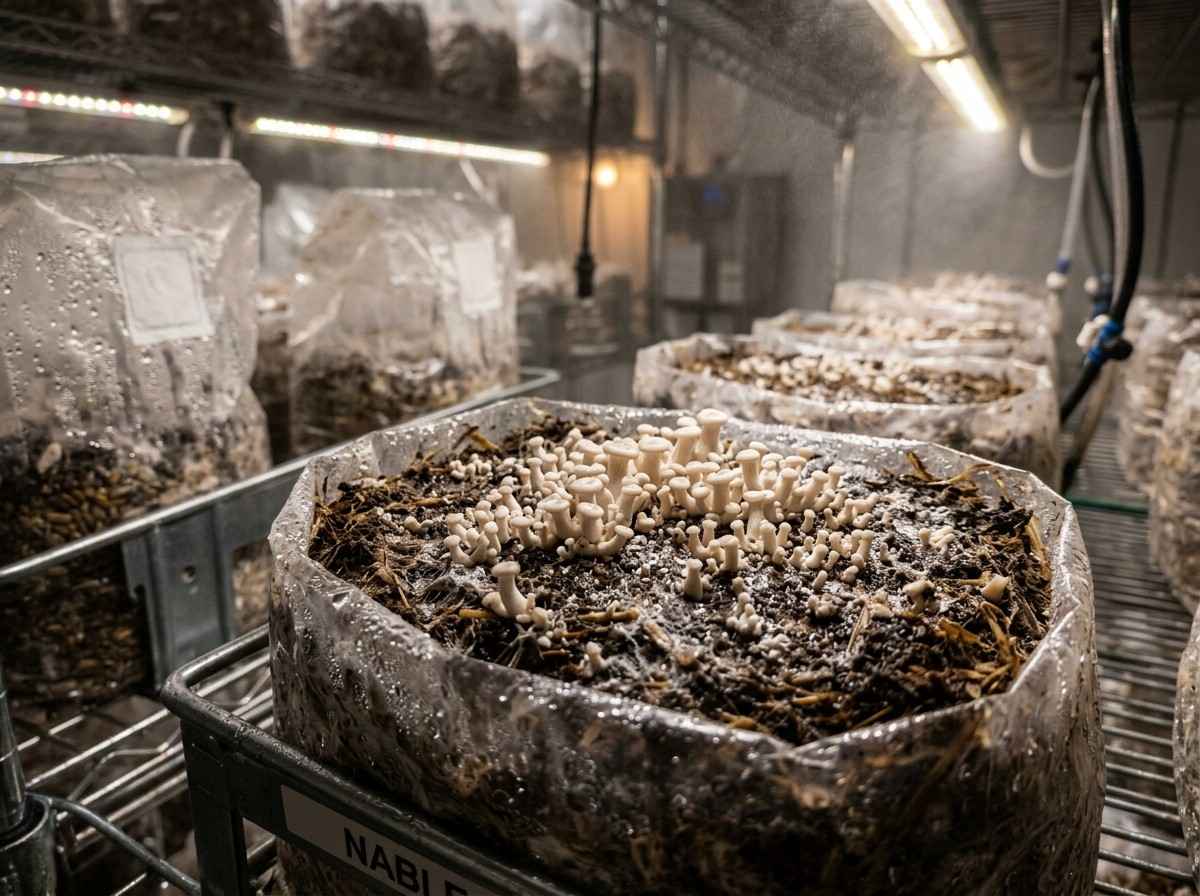
Have you ever wondered How Long Does It Take to Grow Mushrooms at home? Whether you’re a curious beginner or looking to add fresh mushrooms to your kitchen, understanding the growth timeline is the key to a successful harvest.
You want quick results without guessing or waiting endlessly. You’ll discover the exact stages and timeframes for growing mushrooms, so you can plan perfectly and enjoy your harvest sooner than you think. Keep reading to unlock the secrets behind mushroom growth and get started with confidence today!
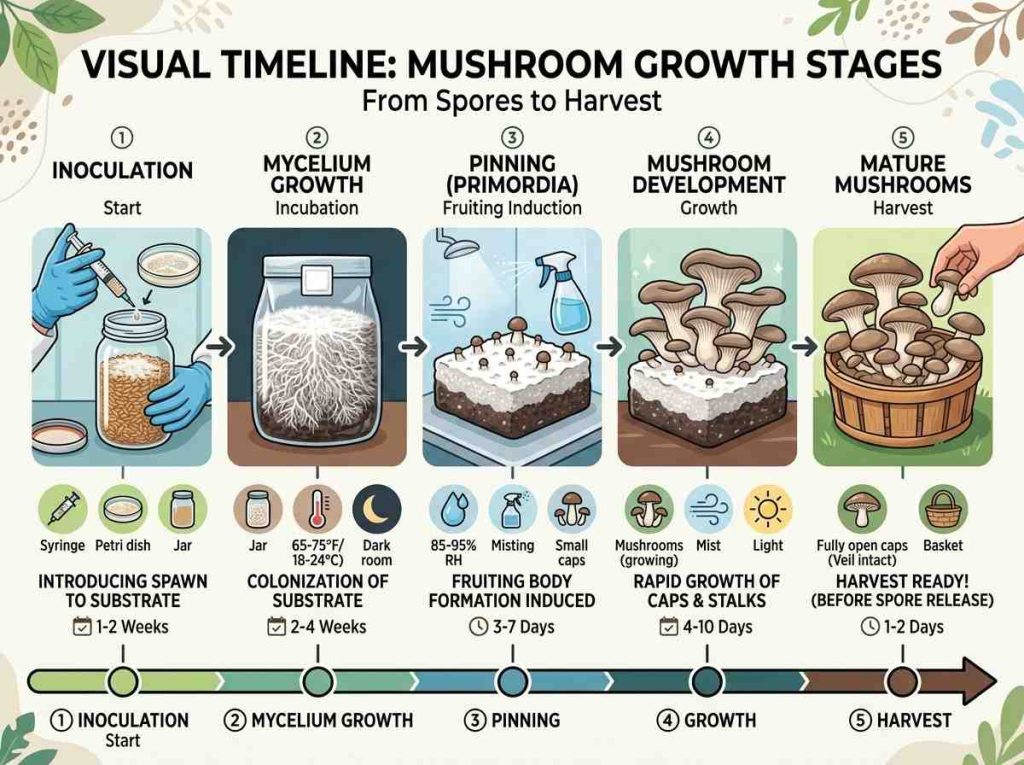
Mushroom growth is a fascinating natural process. It starts from tiny spores and ends with full mushrooms. Understanding the basics helps you grow your own mushrooms successfully.
Each mushroom species has a unique growth time. This depends on many factors like environment and care. Learning the basics makes the process clear and manageable.
The mushroom life cycle has four main stages. First, spores land on a suitable surface. Then, they grow into mycelium, a network of thin threads. Next, the mycelium forms small knots called primordia. Finally, these develop into mature mushrooms ready for harvest.
This cycle can take from a few days to several weeks. It depends on the mushroom type and conditions.
Temperature plays a big role in mushroom growth. Most mushrooms prefer cool and humid places. Light also affects the growth; some need darkness, others need indirect light. Moisture is essential; too little or too much water can stop growth.
Air quality matters too. Fresh air helps mushrooms grow healthy. Poor air can cause slow or weak growth. Substrate type, or the material mushrooms grow on, changes growth speed. Good nutrition in the substrate gives mushrooms energy to grow fast.
The preparation phase is the first step to growing mushrooms. It sets the foundation for healthy growth. Taking time here saves effort later. This phase includes choosing the right mushroom type and preparing the growing medium. Both must be done carefully to ensure success.
Choosing the mushroom species is important. Different types need different care and time to grow. Some mushrooms grow faster, others need more attention. Beginners should pick easy species like oyster or button mushrooms. These types grow well in many conditions. Knowing your climate and space helps pick the best species.
The substrate is the material where mushrooms grow. It can be straw, wood chips, or compost. Preparing it means cleaning and sometimes sterilizing it. This stops unwanted bacteria or mold from growing. The substrate must be moist but not wet. Good preparation gives mushrooms the nutrients they need to grow strong and fast.
The process of growing mushrooms starts with inoculation and colonization. These stages are crucial for healthy mushroom growth. Inoculation introduces mushroom spores to a growth medium. Colonization is the period when mycelium spreads through this medium. Both steps affect how fast mushrooms grow.
Spore inoculation means adding mushroom spores to a substrate. The substrate is usually a mix of materials like sawdust or straw. Spores are tiny and need a clean environment to grow. Sterilizing the substrate prevents contamination. Use a sterile tool to spread spores evenly. This step sets the foundation for mushroom growth.
After spores land on the substrate, mycelium begins to grow. Mycelium looks like white, thread-like strands. It spreads slowly, feeding on the substrate. The colonization phase usually takes 2 to 4 weeks. Temperature and humidity affect how fast mycelium grows. Strong mycelium means better mushroom yields later. Patience is key during this stage.
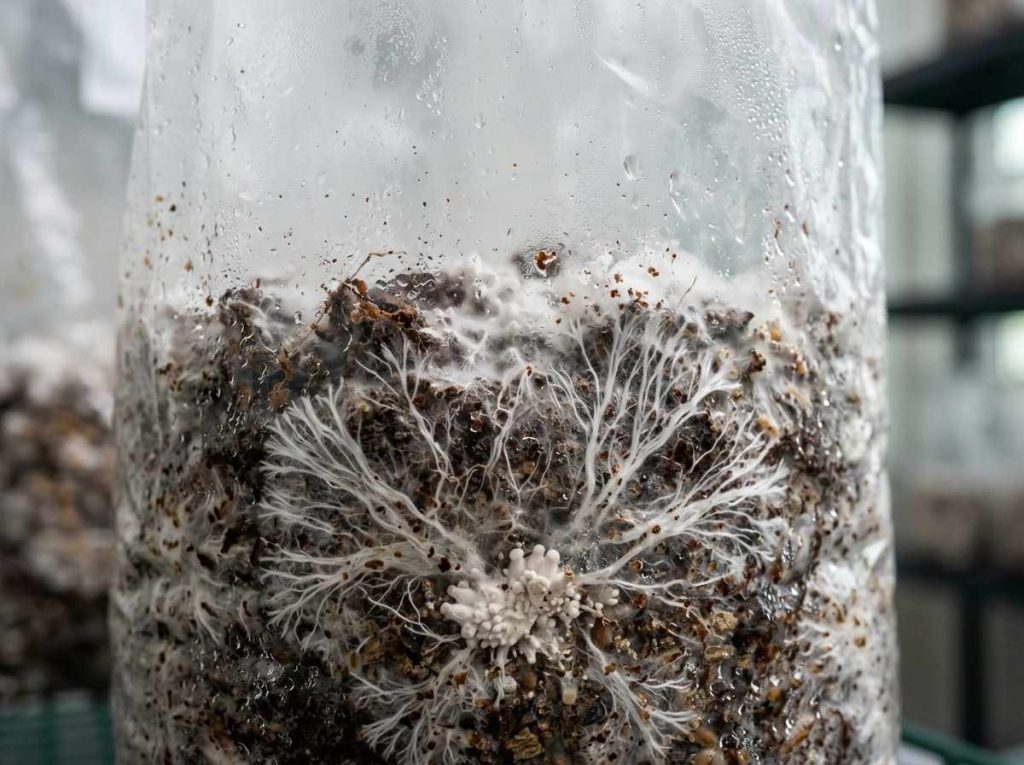
The fruiting stage is the exciting part of growing mushrooms. This is when mushrooms start to appear and grow. It shows that your mushrooms are ready to harvest soon. Understanding this stage helps you know how long it takes for mushrooms to grow fully.
Mushrooms need special conditions to start fruiting. They need fresh air, light, and the right temperature. Usually, lowering the temperature and increasing humidity helps. This tells the mushroom to stop growing underground and begin fruiting.
Pinheads are tiny mushroom buds. They appear a few days after triggering fruiting conditions. Usually, it takes 3 to 7 days for pinheads to form. This step is important as it shows mushrooms are growing well.
After pinheads form, mushrooms grow quickly. They take about 5 to 12 days to mature. During this time, the mushroom cap opens fully. Harvesting should happen before the cap flattens out completely.
Harvesting mushrooms is a key step in mushroom growing. It affects the taste and texture of your mushrooms. Picking them at the right time ensures the best quality. Too early or too late can reduce their freshness and flavor. Knowing when to harvest helps you enjoy your crop fully.
Look for mushrooms that have fully opened caps. The edges should be flat or slightly upturned. Avoid mushrooms with tightly closed caps. The color should be rich and even. The gills under the cap must be visible but not dark or dry. These signs show the mushroom is mature and ready to pick.
The best time to harvest is just before the cap starts to curl up. This stage offers the best texture and flavor. Picking too late causes the cap to open fully and spores to drop. Spores falling means the mushroom is past peak freshness. Harvest in the morning for the freshest mushrooms. Use a sharp knife to cut at the base. This method keeps the growing surface clean.
The time it takes for mushrooms to grow varies by type. Each mushroom species has its own growth pace and needs. Knowing these differences helps you plan your mushroom growing better.
Some mushrooms grow very fast, while others need weeks or even months. The environment also affects how quickly they grow. Let's explore the growth duration of popular mushroom types.
Oyster mushrooms grow quickly compared to many others. They usually take about 3 to 5 weeks from spawn to harvest. These mushrooms thrive in warm and humid conditions. You can see small mushrooms in just 10 days after inoculation. This speed makes oyster mushrooms popular for beginners.
Button mushrooms grow slower than oyster mushrooms. They often need 4 to 6 weeks before they are ready to pick. This type prefers cooler temperatures and darker places. They grow in compost or manure-based substrates. Patience is key when growing button mushrooms.
Shiitake mushrooms take the longest to grow among these types. It can take 6 to 12 weeks or more. They grow best on hardwood logs or sawdust blocks. Shiitake mushrooms need steady moisture and fresh air. Their longer growth time rewards you with rich, earthy flavors.
Growing mushrooms can take time, but some methods help speed up the process. Small changes in the growing setup can make a big difference. Follow these tips to help your mushrooms grow faster and healthier.
Keep the temperature steady and suitable for the mushroom type. Most mushrooms grow well between 65°F and 75°F. Too hot or too cold slows growth. Maintain high humidity above 80% to keep mushrooms moist. Use a spray bottle to mist the air regularly. Good fresh air exchange prevents mold and helps mushrooms develop. Avoid strong light, but some indirect light aids growth. Control these factors closely for quicker results.
Choose a nutrient-rich substrate like straw, sawdust, or compost. Adding supplements like coffee grounds or bran boosts nutrition. Break the substrate into small pieces for better mycelium spread. Keep the substrate clean to avoid contamination. Moisture level should be just right, not too wet or dry. Proper substrate preparation helps mushrooms grow fast and strong. Check the substrate regularly and adjust moisture if needed.
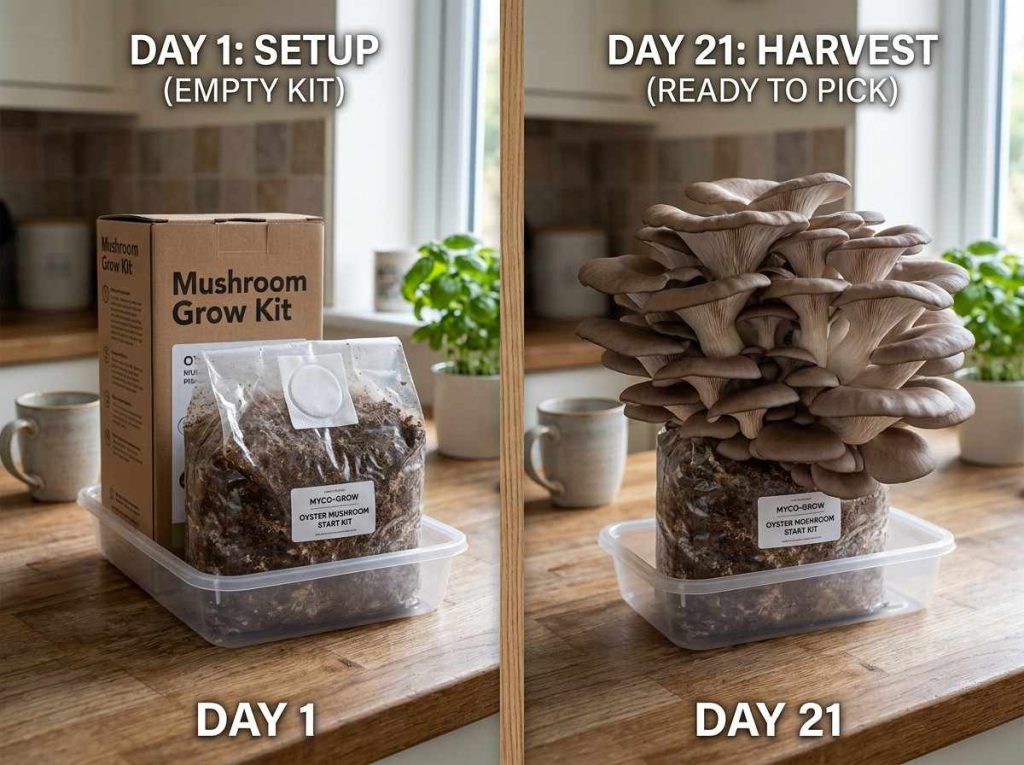
Mushrooms usually take 3 to 4 weeks to grow from spores to harvest size.
Temperature, humidity, light, and substrate type all impact how fast mushrooms grow.
Yes, different mushroom species grow at different speeds, some faster, some slower.
Harvest mushrooms within a few days after the cap opens for best taste.
Indoor growing controls conditions, often making mushrooms grow faster and more consistently.
Growing mushrooms takes patience and care. Most types need two to six weeks to grow fully. Temperature, light, and humidity affect growth speed. Starting with good spores helps improve results. Watching your mushrooms daily lets you catch problems early. Small steps lead to a successful mushroom harvest.
Remember, every batch may grow a little differently. Enjoy the process and learn as you go. Growing mushrooms can be rewarding and fun. Keep trying and soon you will see fresh mushrooms at home.