Gardening Made Simple.

How to Grow Radishes is a simple and rewarding way to enjoy fresh, crisp vegetables right from your garden. Are you looking for a quick and satisfying way to add crunch to your meals? Growing radishes might be exactly what you need, as they mature fast, require minimal space, and provide flavorful results for salads, snacks, and garnishes.
Radishes are one of the easiest vegetables to grow, even if you’re new to gardening. In just a few weeks, you can harvest bright, crisp radishes that bring flavor and color straight from your garden to your plate. Ready to discover simple steps that will help you grow radishes successfully?
Keep reading, and you’ll learn how to get started, avoid common mistakes, and enjoy a bountiful radish harvest.
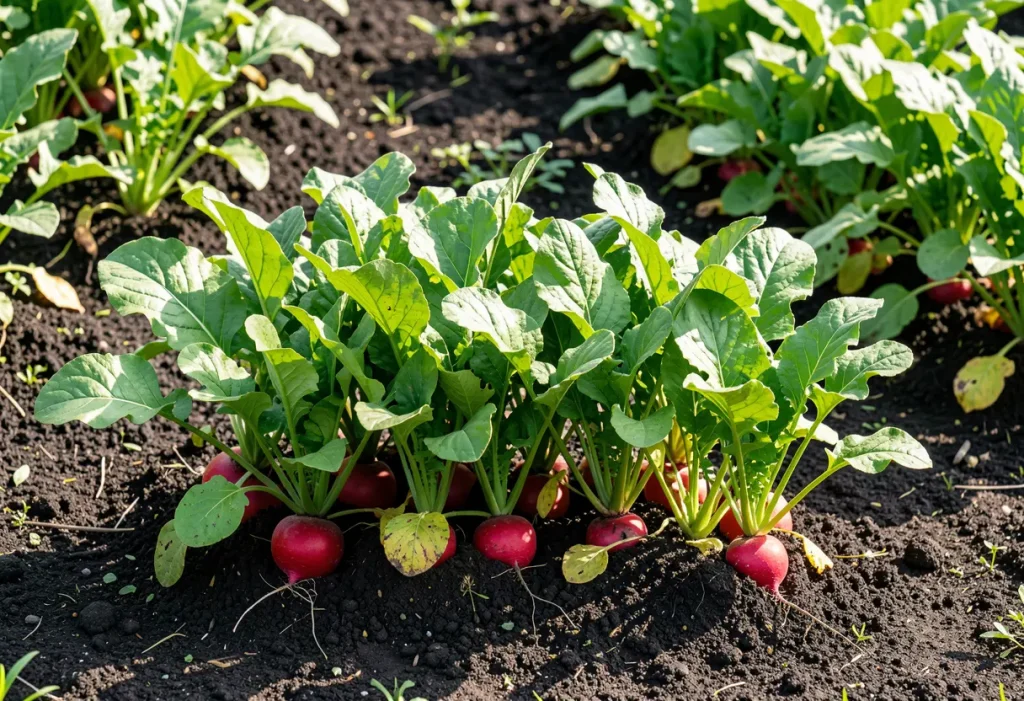
Choosing the right radish variety is the first step to a successful harvest. Different types grow well in different seasons. They also vary in flavor and texture. Picking the right variety helps you enjoy fresh, tasty radishes from your garden.
Cherry Belle is a favorite for new gardeners. It grows quickly and produces round, red radishes. White Icicle is another easy type. It has long, white roots that taste mild. Both varieties do well in many climates and soil types.
Spring and fall are best for most radishes. Easter Egg radishes thrive in cooler weather. They come in red, pink, white, and purple. Summer radishes, like the Watermelon variety, grow well in warmer months. These radishes have a sweet, crisp taste but need more water.
Radishes vary from mild to spicy. French Breakfast radishes are smooth and mild. Black Spanish radishes have a strong, peppery flavor. Texture can be crisp or soft. Choose based on your taste and use in salads or cooking.
Credit: www.gardengatemagazine.com
Preparing the soil is the first step to growing healthy radishes. Good soil helps radishes grow quickly and develop a nice shape. It also supports strong roots and crisp texture. Spend time making the soil ready before planting.
Radishes grow best in loose, well-drained soil. Heavy clay or rocky soil can stop roots from growing. The soil should be soft so radishes can push through easily. Avoid soil that holds too much water. It can cause radishes to rot.
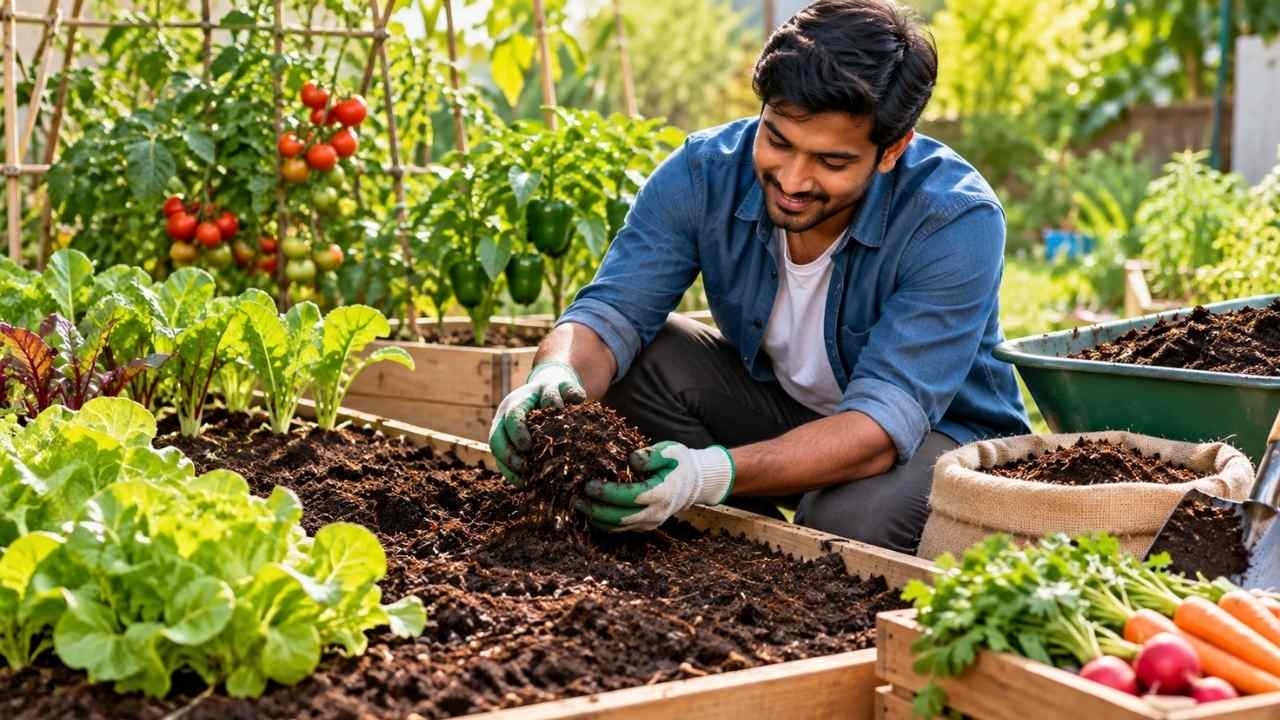
Adding organic matter improves soil texture. Mix compost or aged manure into the soil. This adds nutrients and helps hold moisture. Work the amendments into the top 6 inches of soil. This makes the soil fertile and easy to work with.
Radishes prefer slightly acidic to neutral soil. Aim for a pH between 6.0 and 7.0. You can test soil pH using simple kits. Adjust the pH by adding lime to raise it or sulfur to lower it. Proper pH helps radishes absorb nutrients well.
Planting radishes is a simple step to start your garden. Radishes grow fast and need little care. Proper planting helps them develop crisp roots and good flavor.
Understanding the right time and method to plant radish seeds ensures a healthy crop. Space and depth also matter for strong growth.
Plant radish seeds in early spring or late summer. They grow best in cool weather. Avoid hot temperatures to prevent bitter roots. Sow seeds after the last frost date in spring. For a fall harvest, plant seeds about 4 to 6 weeks before the first frost.
Plant radish seeds ½ inch deep in the soil. Space seeds about 1 inch apart in rows. Thin seedlings to 2 inches apart after they sprout. Rows should be 12 inches apart. Proper spacing allows roots to grow well and prevents crowding.
Radishes grow best when sown directly into the garden soil. They do not transplant well because of their delicate roots. Starting indoors can delay growth and cause root damage. Direct sowing saves time and gives better results. Sow seeds in moist soil for quick germination.
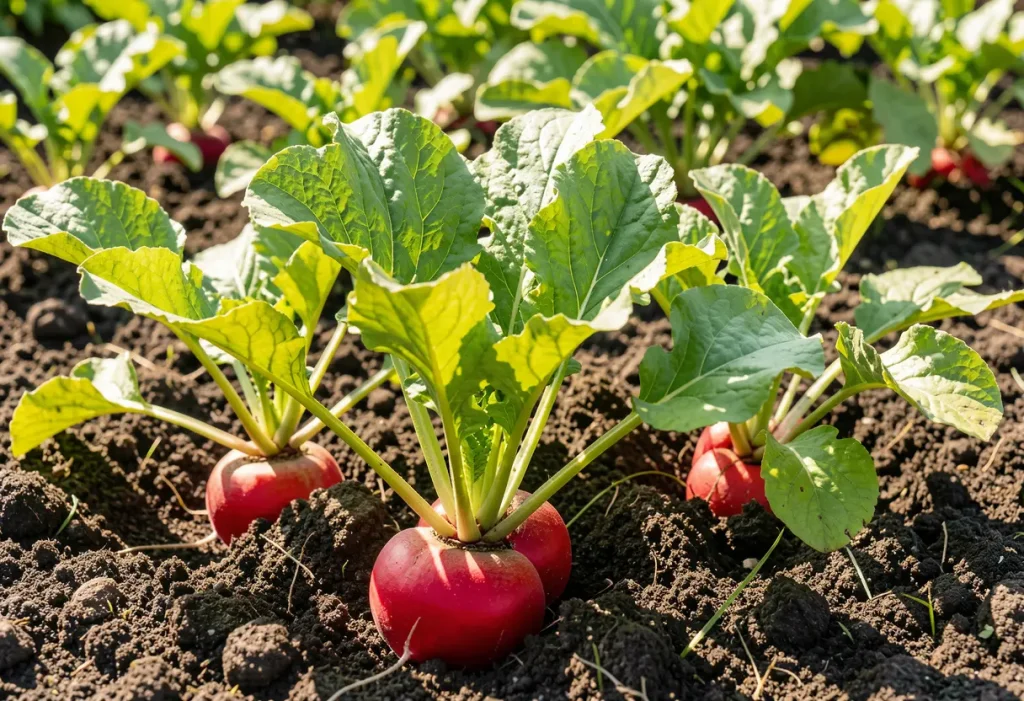
Caring for radishes is simple but important. Healthy radishes need good care to grow fast and taste great. Water, food, and pest control keep radishes strong. Follow these tips to grow radishes that are crisp and fresh.
Radishes need regular watering. Keep the soil moist but not wet. Water deeply once or twice a week. Avoid letting soil dry out. Too much water can cause roots to rot. Water in the morning for best results.
Use a balanced fertilizer before planting radishes. Choose one with equal nitrogen, phosphorus, and potassium. Fertilize again halfway through growth. Avoid too much nitrogen; it makes leaves grow but roots stay small. Organic compost also works well for feeding radishes.
Watch out for pests like flea beetles and aphids. Use natural sprays or handpick them from plants. Keep garden clean to prevent disease. Rotate crops each season to avoid soil problems. Remove any sick plants quickly to stop spread.
Harvesting radishes is an exciting part of growing your own food. This step shows your hard work has paid off. Picking them at the right time keeps radishes crisp and tasty. Careful harvesting helps the roots stay firm and fresh. Proper storage extends their shelf life and flavor.
Radishes grow quickly and are ready in about 3 to 4 weeks. Check the size of the radish root above the soil. It should be about 1 inch wide or more. The leaves look healthy and green. Avoid waiting too long to harvest. Radishes become tough and woody if left too long.
Loosen the soil gently around the radish. Use your fingers or a small garden fork. Pull the radish out carefully by the leaves. Avoid pulling too hard to stop breaking the root. Clean off excess dirt without washing them immediately. Washing can cause the radishes to spoil faster.
Cut the leaves off to keep radishes fresh longer. Store radishes in a plastic bag in the refrigerator. Keep them away from moisture to prevent rotting. Radishes last about 1 to 2 weeks when stored properly. Check them regularly and remove any soft or damaged ones.
Growing radishes can be simple, but some problems may arise. These common issues can affect the quality and taste of your radishes. Knowing how to fix them helps you get the best harvest.
Below are easy ways to handle typical radish troubles. Follow these tips to keep your radishes healthy and tasty.
Woody radishes have a tough texture and bad taste. This happens when radishes grow too long or face heat stress. To prevent this, plant radishes in cool weather. Harvest them quickly once they reach the right size. Also, water regularly to avoid dryness. Keep soil loose for easy root growth. These steps keep radishes soft and crunchy.
Split roots look cracked or broken. They occur when radishes get too much water after a dry spell. Water radishes evenly to avoid this. Use mulch to keep soil moisture steady. Avoid heavy feeding with nitrogen fertilizer. Split roots still taste fine but are less attractive. Proper watering stops this issue early.
Poor germination means few seeds sprout. This happens with old seeds or bad soil. Use fresh seeds and plant them shallow, about half an inch deep. Keep the soil moist but not soaked. Warm soil helps seeds sprout faster. Thin seedlings to give space for growth. Good care at this stage ensures strong radishes later.
Radishes are not just crunchy and spicy roots. They can be used in many creative ways. Using radishes beyond salads makes meals more exciting. Try different methods to enjoy their fresh taste and unique texture.
Radishes add a fresh crunch to many dishes. Slice them thin for sandwiches or tacos. Toss radish slices into green salads for color and bite. Roast radishes with olive oil for a mild, sweet flavor. Make radish salsa with chopped radishes, onions, and lime juice. Radish pickles brighten up meals and snacks fast.
Preserving radishes extends their use and flavor. Pickling is simple and keeps radishes crisp. Store radishes in vinegar with spices for tangy taste. Freeze radishes after blanching to use later in cooked dishes. Drying radishes creates a crunchy snack or soup topping. Keep radishes fresh longer by storing in damp paper towels inside the fridge.
Radish greens are edible and nutritious. Harvest young leaves for salads or sandwiches. Cook the greens like spinach for soups or sautés. Greens add vitamins and a mild peppery flavor. Don’t waste the tops; they can be delicious too. Growing radishes means twice the food from one plant.
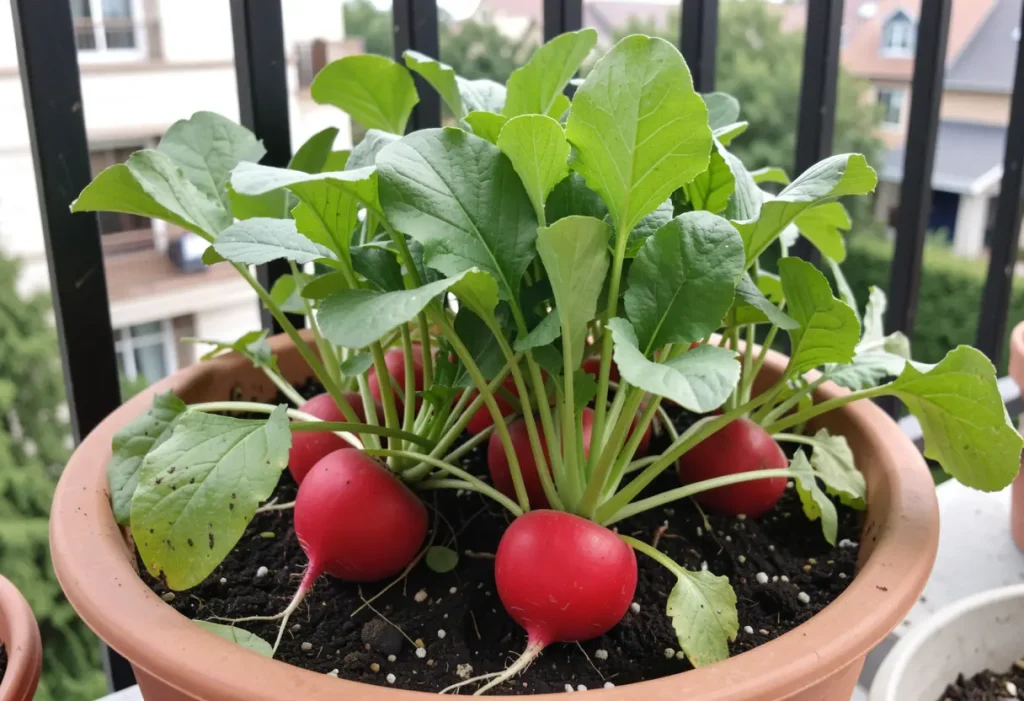
Radishes usually grow fast, often ready to harvest in 3 to 4 weeks. This makes them perfect for quick gardening results.
Radishes grow best in loose, well-drained soil rich in organic matter. Avoid heavy clay soil to prevent root problems.
Radishes need consistent moisture, so water them regularly to keep soil damp but not soaked. This helps roots grow tender and crisp.
Yes, radishes grow well in pots with at least 6 inches depth. Use good potting soil and ensure proper drainage.
Radishes prefer cool weather, with temperatures between 50°F and 70°F. Hot weather can make them grow too fast and turn bitter.
Growing radishes can be simple and fun. Plant seeds in loose, well-drained soil. Water regularly to keep soil moist but not wet. Radishes grow fast, often ready in just a few weeks. Thin seedlings to give room for roots to grow.
Watch for pests and remove them quickly. Harvest radishes when they reach a good size. Fresh radishes add crunch and flavor to meals. With care and patience, you can enjoy fresh radishes from your garden. Give it a try and see how easy it is!