Gardening Made Simple.
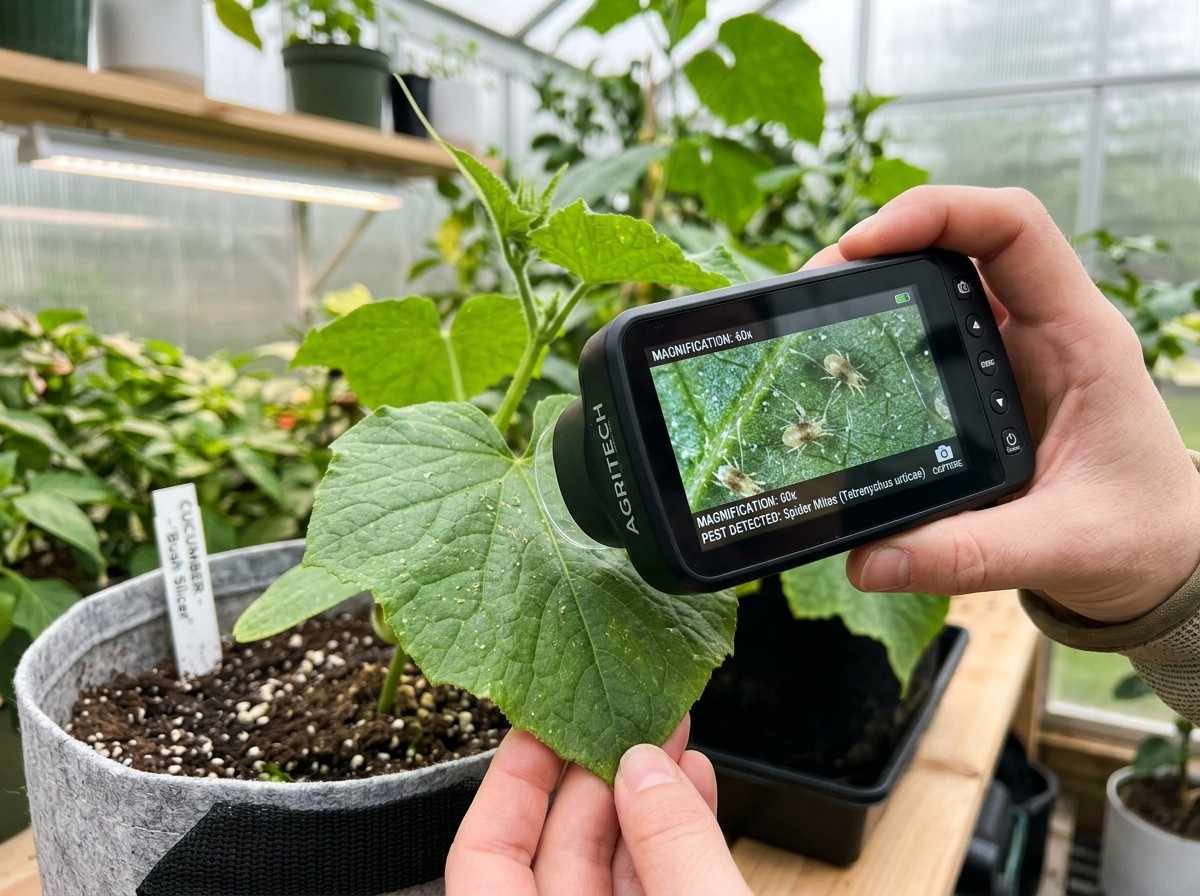
Are you struggling to spot tiny pests damaging your plants? Spider mites are so small that your naked eye can easily miss them until the damage is done. Using a Magnifying Glass for Spider Mites can help you identify infestations early and protect your plants before serious damage occurs.
That’s where a magnifying glass for spider mites becomes your best tool. With the right magnifier, you can catch these pests early, protect your plants, and save yourself from costly treatments. Keep reading to discover how a simple magnifying glass can change the way you care for your garden and keep those pesky spider mites under control.

Using a magnifying glass to check for spider mites helps gardeners catch problems early. These tiny pests are hard to see with the naked eye. A magnifier shows details that are invisible otherwise. This tool makes monitoring plants easier and more effective.
Spider mites are very small, about the size of a grain of dust. They hide on the undersides of leaves. A magnifying glass enlarges their size, making them easier to spot. Early detection helps prevent damage to plants. You can see their webs and eggs more clearly too.
The naked eye often misses tiny spider mites. They blend with leaf surfaces and move quickly. A magnifier shows the pests in sharp detail. It reduces guesswork and helps you act faster. This tool also reveals early signs of infestation.
Select a magnifying glass with at least 10x magnification. Choose one with good lighting for clear views. Portable and easy-to-use models work best for gardeners. A larger lens covers more leaf area quickly. Quality optics reduce eye strain during inspections.
Spider mites are tiny pests that harm many plants. Spotting them early helps save your garden. A magnifying glass makes it easier to identify these small creatures and the damage they cause.
Look for tiny yellow or white spots on leaves. Leaves may turn pale or bronze. Fine webbing might appear on plant stems and under leaves. Plants may look dusty or dirty because of the mites.
Spider mites are very small, about the size of a grain of pepper. They can be red, brown, or pale green. They have eight legs and oval bodies. A magnifying glass helps see their shape and movement clearly.
Leaves may curl, dry out, or fall off. Damage usually starts on the lower leaves. Plants may grow slowly and look weak. Webbing between leaves is a clear sign of spider mites.
Choosing the right magnifying glass helps spot spider mites early. This tool makes tiny pests clear and easy to see. Good features improve your inspection and protect plants from damage.
Focus on power, lens quality, size, and lighting. These features decide how well you detect spider mites.
Look for magnification between 10x and 30x. This range shows mites clearly without too much blur. Higher power can make images shaky and hard to use. A steady view helps identify tiny spider mites fast.
Choose lenses made from glass, not plastic. Glass offers sharper and clearer images. Bigger lenses cover more leaf area, saving time. Good lens quality reduces eye strain during long checks.
A small, light magnifier fits in your pocket. Easy to carry outdoors or inside the garden. Built-in LED lights brighten dark spots. Lighting helps see mites hiding under leaves. Batteries or rechargeable options add convenience.
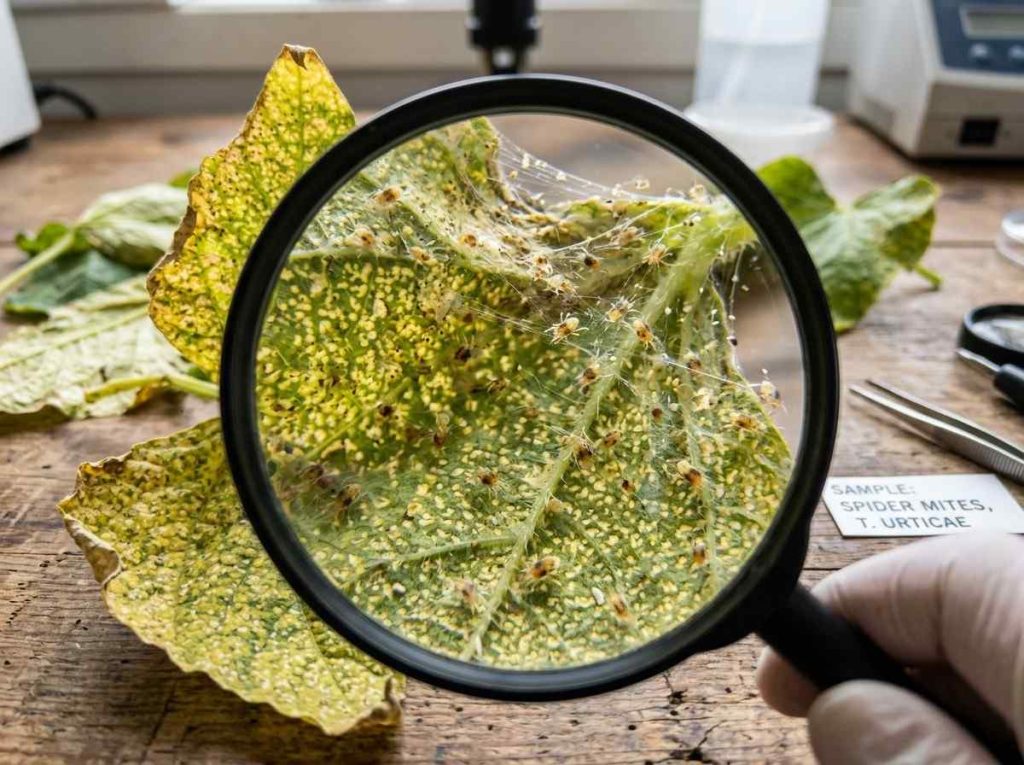
Effective inspection of spider mites is key to protecting your plants. Using a magnifying glass helps you spot these tiny pests early. This section explains simple techniques for checking your plants carefully and often. Follow these steps to catch spider mites before they cause damage.
Spider mites hide on the undersides of leaves and along stems. Look closely at these areas with your magnifying glass. Check for tiny moving dots, webbing, or discoloration. Examine several leaves on different parts of the plant. Don't skip new growth or older leaves. Careful inspection helps find spider mites in small numbers.
Check your plants regularly, at least once a week. Early morning or late afternoon is best for inspection. Spider mites are easier to see when they are less active. Consistent timing helps track pest levels and detect problems fast. Frequent checks reduce the chance of large infestations.
Combine your magnifying glass with other tools for better results. Use a white paper or tray to tap leaves gently. This makes spider mites fall and become easier to spot. A hand lens with higher magnification can show more detail. Keep a flashlight handy for better lighting. These tools improve your inspection accuracy.
Controlling spider mite infestations requires careful attention and quick action. These tiny pests can damage plants fast. Using a magnifying glass helps spot them early. Early detection means easier control and less harm to plants.
Different methods work to manage spider mites. Natural, chemical, and preventive ways all play a role. Choosing the right method depends on the situation and plant type.
Natural predators eat spider mites and reduce their numbers. Ladybugs, predatory mites, and lacewing larvae are common helpers. Introducing these insects can protect plants without chemicals. They keep spider mite populations low and plants healthy.
Chemical treatments kill spider mites quickly. Miticides and insecticidal soaps are popular choices. Use chemicals carefully to avoid harming beneficial insects. Follow instructions on labels to ensure safety and success.
Preventing spider mite infestations is the best strategy. Keep plants clean and well-watered to reduce stress. Regularly check leaves with a magnifying glass for early signs. Remove infested leaves to stop mites from spreading.
Keeping plants healthy helps prevent spider mite damage. Strong plants resist pests better and recover faster. Use a magnifying glass to spot early signs of spider mites. Catching them early protects your plants from severe harm. Follow simple steps to maintain good plant health.
Water plants regularly but avoid overwatering. Too much water can cause root problems. Spider mites prefer dry, dusty conditions. Raise humidity around plants to discourage mites. Mist leaves or use a humidifier to keep moisture levels steady. Healthy moisture levels reduce spider mite risks.
Feed plants with balanced nutrients to support growth. Use fertilizers with nitrogen, phosphorus, and potassium. Poor nutrition weakens plants and invites pests. Avoid over-fertilizing, which can stress plants. Keep soil healthy to help plants fight off spider mites.
Check plants often using a magnifying glass. Look for tiny webs or small moving dots. Early detection stops spider mites from spreading. Inspect leaves, especially the undersides. Act quickly if you find any signs. Regular checks keep your plants safe and strong.

A magnifying glass helps you see tiny spider mites on plants clearly.
It enlarges spider mites, making it easier to find them early on plants.
Yes, spotting mites early with a magnifying glass helps stop damage quickly.
A 10x to 20x magnification is ideal to see spider mites well.
Check the undersides of leaves where spider mites usually hide and feed.
A magnifying glass helps spot spider mites early. Catching them fast stops damage to plants. It shows tiny pests clearly, even on small leaves. Using it often keeps your garden healthy. Check plants regularly for better control. This simple tool saves time and effort.
Keep your plants strong and pest-free. Small steps make a big difference. Try a magnifying glass for easier pest detection.