Gardening Made Simple.

Are you craving that fresh, crisp crunch only radishes can deliver? Knowing When are Radishes in Season can make all the difference in getting the best flavor and texture. Planting and harvesting at the right time ensures tender, flavorful radishes for your salads, snacks, and recipes.
Imagine biting into a radish that’s perfectly ripe—peppery, juicy, and full of life. But when exactly is the best time to find these vibrant veggies at their peak? Keep reading, and you’ll discover the ideal seasons to enjoy radishes, how to spot the freshest ones, and why timing matters for your next meal or garden.
Your taste buds will thank you!
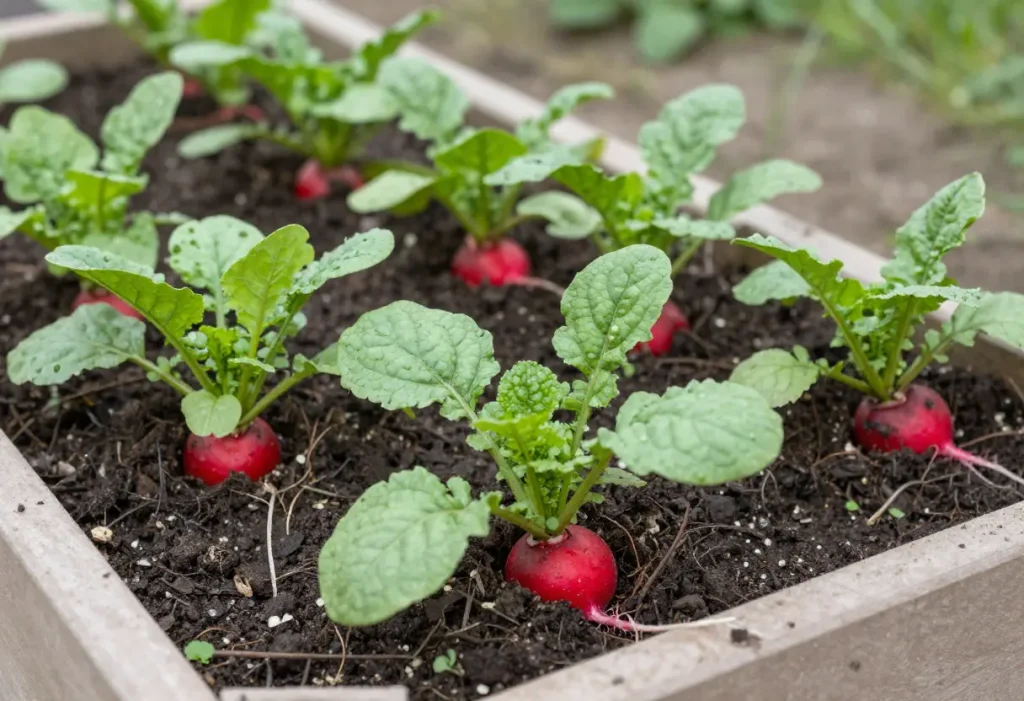
Radishes grow in many seasons. They are fast-growing and easy to plant. Different types of radishes suit different times of the year. Knowing their growing seasons helps you pick the freshest radishes. It also lets you plan your garden better.
Each season brings a unique radish variety. They differ in taste, size, and color. Some radishes grow best in cool weather. Others thrive in warmer soil. Let's explore radish types by season.
Spring radishes grow quickly in cool soil. They mature in about 20 to 30 days. Their flavor is crisp and mildly spicy. These radishes are small and round or oval. Popular spring types include Cherry Belle and French Breakfast. Plant them early for a fresh spring harvest.
Summer radishes need warmer weather to grow. They take a little longer, about 30 to 40 days. These radishes are often larger and less spicy. Watering is important to keep them crisp. Watermelon radishes with their colorful insides are popular summer types. They add a cool crunch to summer salads.
Fall radishes grow well in cooler temperatures again. They can be planted late summer or early fall. These radishes are known for their bold flavor. They get sweeter as the weather cools. Daikon radishes are common fall choices. They are long, white, and perfect for roasting or pickling.
Winter radishes grow in cold soil and last longer. They have a strong, spicy flavor. Black Spanish radishes are a classic winter variety. They have dark skin and white flesh inside. Winter radishes store well, making them available all season. They add spice to winter meals and soups.
Radish season depends on several natural factors. These factors affect how well radishes grow and when they are ready to harvest. Understanding these can help gardeners know the best time to plant and pick radishes.
Radishes prefer cool weather. They grow best in spring and fall. High temperatures can make radishes spicy or woody. Cold weather slows their growth. Mild temperatures help radishes develop fast and taste sweet.
Radishes need loose, well-drained soil. Heavy or compact soil stops root growth. Soil rich in organic matter helps radishes grow bigger. Too much fertilizer can cause radishes to split or have poor taste. Balanced soil leads to healthy radishes.
Radishes grow well in moderate daylight. Too many hours of sunlight can stress the plants. Short days slow their growth. Around 12 to 14 hours of daylight is ideal. This balance helps radishes develop good size and flavor.
Knowing the best time to plant radishes helps you get fresh, crisp roots. Radishes grow quickly and prefer cool weather. Planting them at the right time ensures a healthy harvest. Timing also affects the size and taste of your radishes. Here are some tips to help you choose the best planting times for radishes.
Start planting radishes as soon as the soil can be worked. This is usually in early spring. The soil should be at least 45°F (7°C). Radishes grow well in cool soil and need full sun. Early planting helps avoid hot weather, which makes radishes tough and spicy. Plant seeds about 1 inch deep and 1 inch apart. Thin seedlings to 2 inches apart for better growth.
Plant radish seeds every two weeks for a steady supply. Succession planting keeps fresh radishes ready all season long. This method also reduces the risk of losing an entire crop to pests or weather. Use the same spacing and depth for each planting. Water regularly to keep the soil moist. Harvest radishes when they are small and tender.
For a fall harvest, plant radishes 4 to 6 weeks before the first frost. Cooler temperatures help radishes grow quickly and taste better. Use mulch to keep the soil cool and moist. Avoid planting too late to prevent radishes from becoming woody. Thin seedlings early to give roots space to grow. Late season radishes are perfect for salads and cooking.
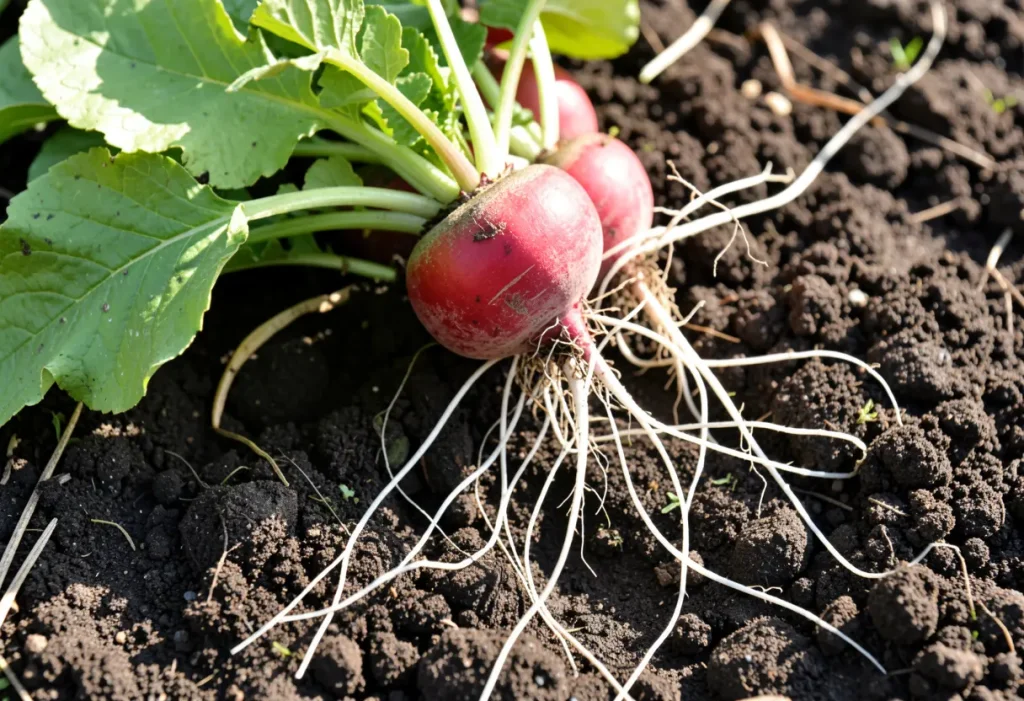
Fresh radishes have clear signs that show they are ready to eat. These signs help you pick the best radishes at the market or garden. Knowing these clues means you get radishes that taste great and have the best texture. Fresh radishes look, feel, and taste different from old ones. Recognizing these differences is easy once you know what to check.
Fresh radishes have bright, rich colors. The skin is smooth and shiny, without cracks. Red radishes are deep red, while white radishes stay bright white. Avoid radishes with dull or faded colors. Look for green leaves still attached; they show freshness. Wilted or yellow leaves mean the radish is old.
Radishes should feel firm and heavy for their size. Soft or spongy radishes are past their best. The skin should be tight, not wrinkled or dry. Press gently with your fingers. Fresh radishes resist pressure and bounce back. This firmness means the radish is juicy and crisp inside.
Fresh radishes taste spicy and crisp. Old radishes lose their sharp flavor and become bitter. A fresh radish has a clean, peppery bite. If it tastes bland or woody, it is not fresh. The best radishes give a quick crunch and a bright, fresh flavor.
Radishes grow best in cooler months, but their season varies by region. In warmer areas, they appear early spring or fall. Cooler climates often enjoy fresh radishes in late spring through summer.
Radish growing seasons change across the world. Climate, soil, and weather affect when radishes grow best. Farmers plant radishes at different times to match local conditions. This helps radishes taste fresh and crisp.
Understanding regional radish seasons helps you buy the freshest radishes. It also shows how diverse radish farming can be. Here is a look at radish seasons in various parts of the world.
In North America, radishes grow mainly in spring and fall. Cool weather is perfect for radishes here. Most farmers plant them in early spring or late summer. They avoid hot summer months because radishes get bitter. The season can last from March to June and again from September to November.
Europe has many radish varieties. Radish season is usually from April to June. Some areas also grow radishes in autumn. Northern Europe has shorter seasons due to colder weather. Southern Europe enjoys longer seasons with mild winters. Radishes thrive in well-drained soil and moderate temperatures.
Asia grows many types of radishes, including large daikon varieties. In Japan and Korea, radishes grow mostly in fall and winter. China and India plant radishes during cooler months too. Radishes can be found fresh from October to February. The season depends on the region’s temperature and rainfall.
In tropical areas, radishes grow during the cooler, dry season. Countries in Africa and South America plant radishes from June to August. Some regions have year-round radish production. This depends on local climate and irrigation. Radishes adapt well to many growing conditions worldwide.
Radishes are crisp and tasty, but they can lose freshness fast. Proper storage keeps radishes firm and flavorful longer. Preserving radishes lets you enjoy them beyond their short season. Simple methods can extend their shelf life while keeping their crunch and taste.
Remove the radish greens before storing. Greens pull moisture from the roots and make them soft. Store radishes in a plastic bag or container. Add a damp paper towel to keep humidity high. Keep radishes in the fridge’s crisper drawer. They stay fresh for up to two weeks this way.
Radishes can be frozen but texture changes after thawing. Wash and peel radishes before freezing. Slice or chop them into small pieces. Blanch radishes by boiling for two minutes. Then, cool them quickly in ice water. Drain well and pack into freezer bags. Frozen radishes work best in cooked dishes.
Pickling is a tasty way to preserve radishes. Slice radishes thin and place in a jar. Mix vinegar, water, salt, and sugar for the brine. Pour the hot brine over radishes in the jar. Let them cool to room temperature before sealing. Pickled radishes last for weeks in the fridge. They add a tangy crunch to salads and sandwiches.
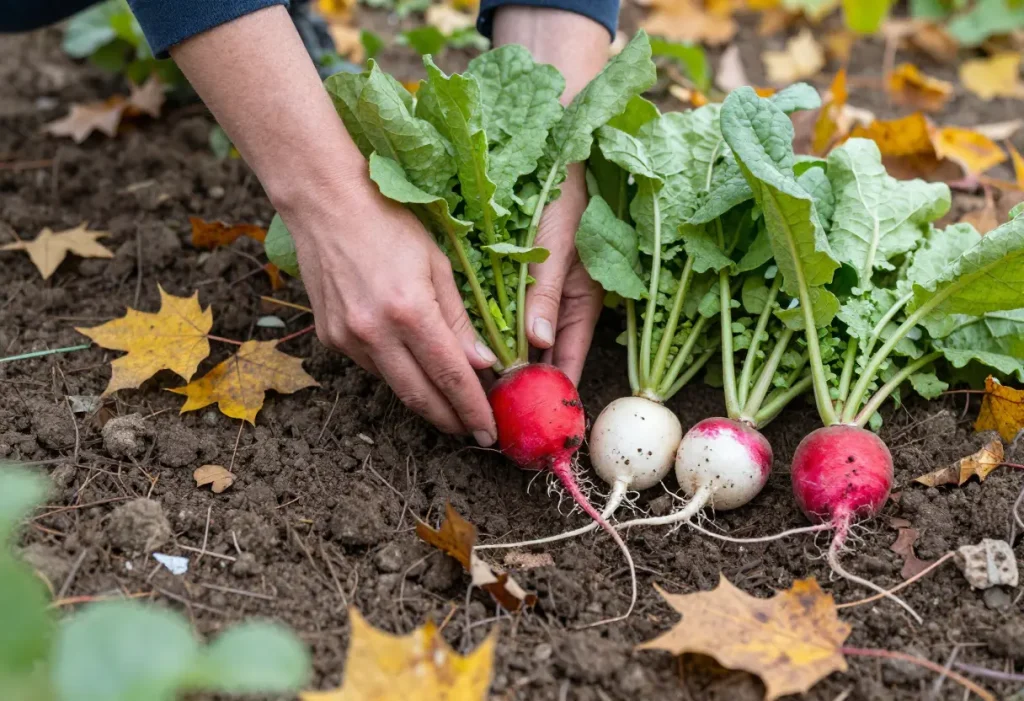
Radishes are usually ready to harvest 3 to 4 weeks after planting. They grow fastest in cool weather during spring or fall.
Radishes are in season mainly from March to June and again from September to November. These months offer ideal cool temperatures.
Radishes have a crisp, peppery taste that is stronger in cooler seasons. Warm weather can make them bitter or woody.
In mild climates, radishes can grow almost all year long. They do best with cooler temperatures but tolerate some heat.
Radishes often bolt and become tough in hot summer months. Heat speeds their growth, reducing flavor and texture quality.
Radishes grow best in cool weather during spring and fall. You can find fresh radishes at farmers' markets in these seasons. Eating radishes when in season means better taste and more nutrients. Try adding radishes to salads or snacks for a crunchy bite.
Knowing their season helps you enjoy radishes at their peak. Don’t miss the chance to eat radishes fresh and crisp. Seasonal eating supports local farmers and your health. Fresh radishes bring a simple, healthy boost to your meals.