Gardening Made Simple.
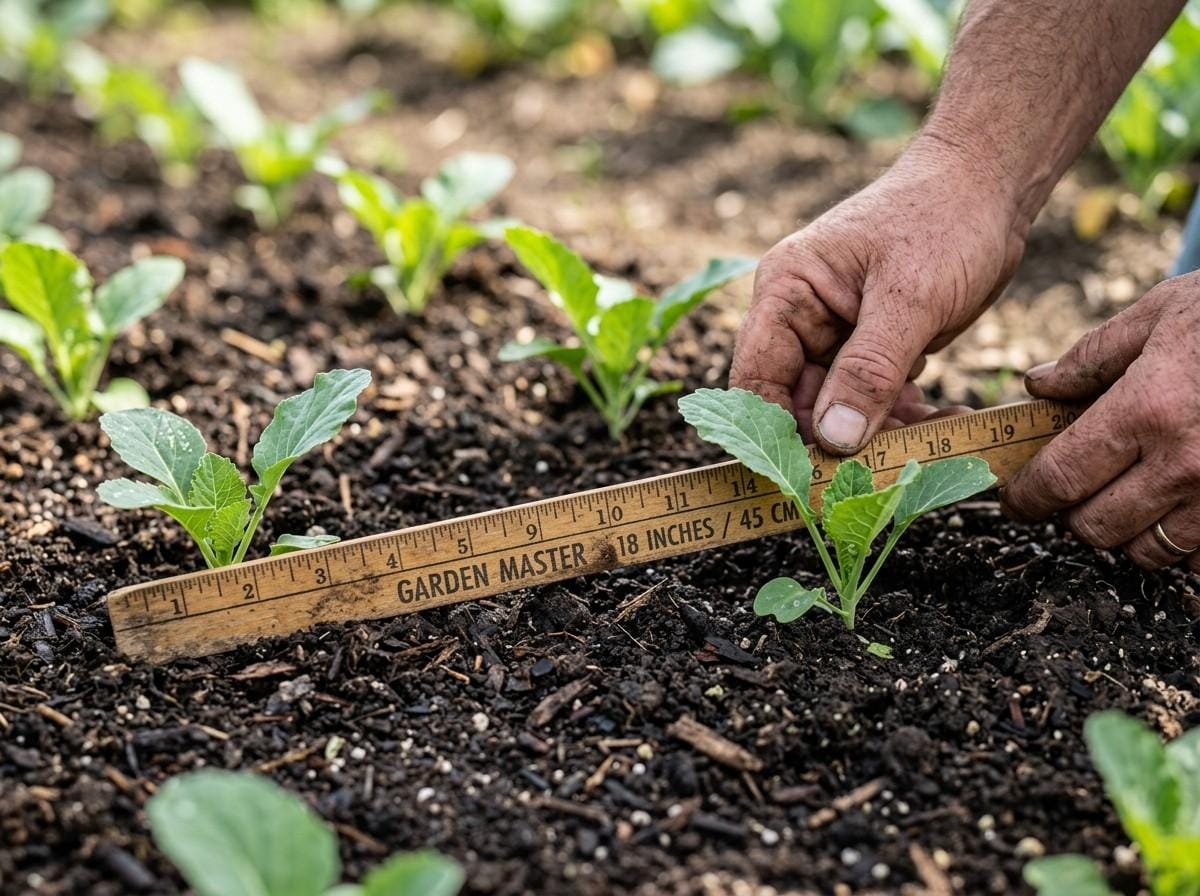
Are you ready to grow crisp, delicious cauliflower in your garden? One of the most important steps to ensure a healthy crop is knowing How Far Apart to Plant Cauliflower. Proper spacing gives each plant enough room for healthy root development, good airflow, and larger heads. In this guide, you’ll learn the ideal spacing for cauliflower plants and rows, along with practical tips to help your crop thrive.
Planting too close can stunt growth and invite disease, while spacing too far wastes precious garden space. You’ll discover the ideal distance for planting cauliflower that helps your plants thrive and gives you a bountiful harvest. Keep reading to unlock the secrets of perfect cauliflower spacing and watch your garden flourish like never before!

Plant cauliflower about 18 to 24 inches apart for healthy growth. This spacing gives each plant enough room to grow big heads. Proper distance helps air flow and reduces disease risk.
Cauliflower plants need enough space to grow big and healthy. Space each plant about 18 to 24 inches apart. This distance lets the leaves spread without crowding. Proper spacing helps air move around the plants. Good air flow reduces disease risk and keeps plants strong.
Rows should be 24 to 30 inches apart. This space allows easy walking for care and harvest. Wide rows also give plants room to get sunlight. Sunlight is important for cauliflower heads to develop well. Correct row spacing supports healthy growth and better yield.
Spacing cauliflower plants properly is key to healthy growth and good yield. Several factors affect how far apart to plant cauliflower. Understanding these can help you space plants just right.
Each factor changes how much space cauliflower needs. These include the variety of cauliflower, the soil quality, and the climate where you grow them. Let’s explore these factors one by one.
Different cauliflower varieties grow to different sizes. Large varieties need more space to spread out. Smaller varieties can grow closer together. Check the seed packet for size recommendations. This helps avoid crowding and competition for nutrients.
Spacing also depends on the head size. Bigger heads need more room to develop fully. Planting too close can cause smaller heads and poor air circulation. Proper spacing helps each plant get enough light and air.
Soil rich in nutrients supports closer planting. Poor soil needs wider spacing to reduce competition. Healthy soil provides enough food for roots to grow well. In low fertility soil, plants need more room to access nutrients.
Good soil drains well and holds moisture evenly. This helps cauliflower roots stay healthy and strong. Adjust spacing based on how fertile and well-drained your soil is. Better soil means you can plant slightly closer.
Climate affects how fast cauliflower grows and its size. In cooler climates, plants grow slower and may need more space. Hot climates can stress plants, so spacing helps keep them healthy.
Humidity and rainfall also matter. High humidity can cause diseases if plants are too close. More space improves air flow and reduces risk. Consider your local weather to decide the best spacing for cauliflower.
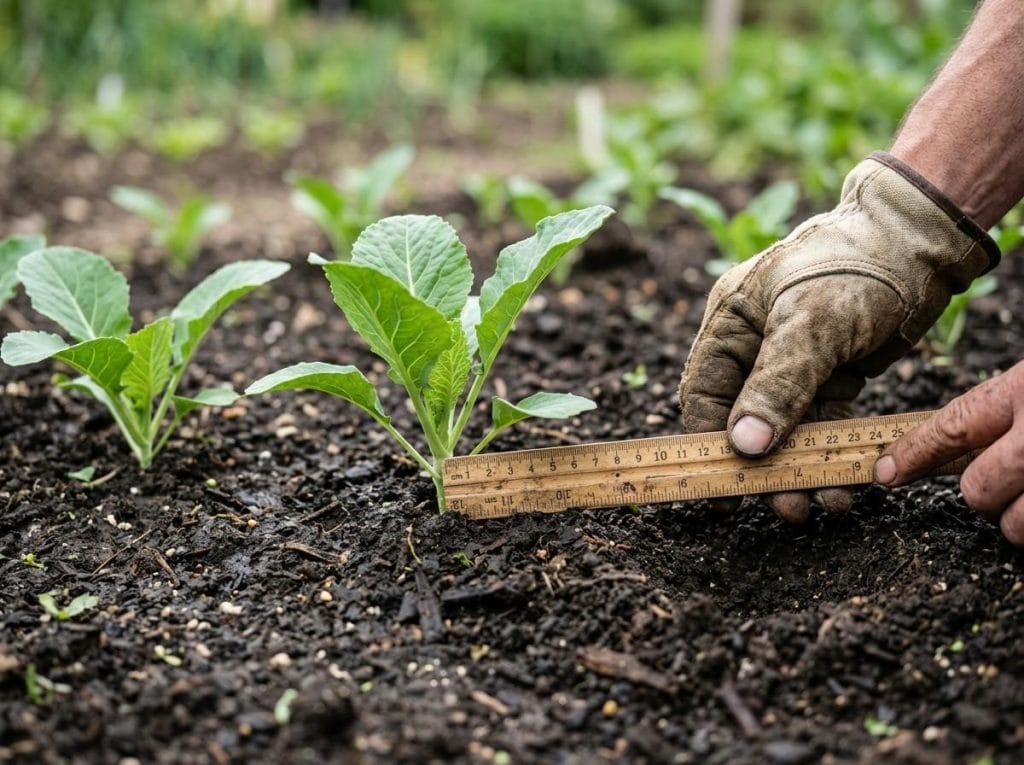
Planting cauliflower correctly helps the plants grow strong and healthy. Proper spacing and care during planting improve yield. Using the right techniques supports the plant’s root system and head development. This section covers key steps to plant cauliflower for the best growth results.
Cauliflower needs rich, well-drained soil. Mix compost or aged manure into the soil before planting. Test the soil pH; cauliflower prefers 6.0 to 7.0. Loosen the soil to a depth of 12 inches. This allows roots to spread easily and absorb nutrients. Clear weeds and debris to reduce competition for water and nutrients.
Start seedlings indoors 4-6 weeks before the last frost date. Harden off seedlings by exposing them to outdoor conditions for several days. Space seedlings 18 to 24 inches apart in rows 24 to 30 inches wide. Plant at the same depth as in the pot. Water seedlings well after transplanting to reduce stress.
Direct seed cauliflower in soil that is at least 50°F. Sow seeds about 1/2 inch deep. Thin seedlings to 18-24 inches apart once they grow two sets of leaves. Keep the soil moist but not waterlogged. Mulch around plants to keep soil cool and retain moisture.
Proper spacing is key to growing healthy cauliflower plants. It helps plants get enough sunlight, water, and nutrients. Giving each plant room to grow makes a big difference in the garden.
Plants too close together can struggle and produce less. Space helps create a better environment for cauliflower to thrive. The following points explain why proper spacing matters.
Good air flow around plants keeps leaves dry. Dry leaves reduce the chance of mold and mildew. Air circulation helps plants breathe and stay strong. Crowded plants block air and trap moisture. Proper spacing stops this and keeps plants healthy.
Diseases spread faster in tight spaces. Plants touching each other share pests and fungi easily. Space between plants lowers the risk of infection. Healthy plants resist disease better than crowded ones. Proper spacing acts as a natural barrier.
Each cauliflower plant needs space to grow big heads. Plants too close compete for nutrients and sunlight. Proper spacing allows full growth and bigger heads. More space means more cauliflower for your harvest. A well-planned garden produces better results.
Planting cauliflower requires the right spacing for healthy growth. Many gardeners make common mistakes that affect their crop. These errors can reduce yield and cause plant problems. Avoiding these mistakes helps your cauliflower thrive and produce better heads.
Planting cauliflower too close causes overcrowding. Leaves and heads do not get enough air. This leads to diseases like mold and rot. Plants compete for sunlight and nutrients. Growth slows down, and heads stay small. Crowded plants are harder to care for and harvest.
Giving too much space between cauliflower plants wastes garden area. Plants take longer to shade the soil. Soil dries out faster, needing more water. Weeds grow more easily between plants. Wide spacing also lowers total yield per square foot. Proper spacing balances plant health and garden use.
Growing cauliflower in containers needs careful space planning. Proper spacing helps plants get enough air, sunlight, and nutrients. It also reduces disease risks and supports healthy growth. Adjust the distance between plants based on container size and pot density. This way, your cauliflower will thrive even in small spaces.
Choose containers that are at least 12 inches deep. The width should be no less than 12 inches for one plant. Larger containers allow better root growth. Bigger pots hold more soil, which keeps moisture longer. Avoid very small pots; they restrict root space and stunt growth.
Plant one cauliflower per 12-inch pot for best results. For bigger containers around 18 inches wide, you can fit two plants. Keep at least 12 inches between plants to avoid crowding. Overcrowding leads to poor air circulation and smaller heads. Correct density ensures each cauliflower gets enough space to grow strong.
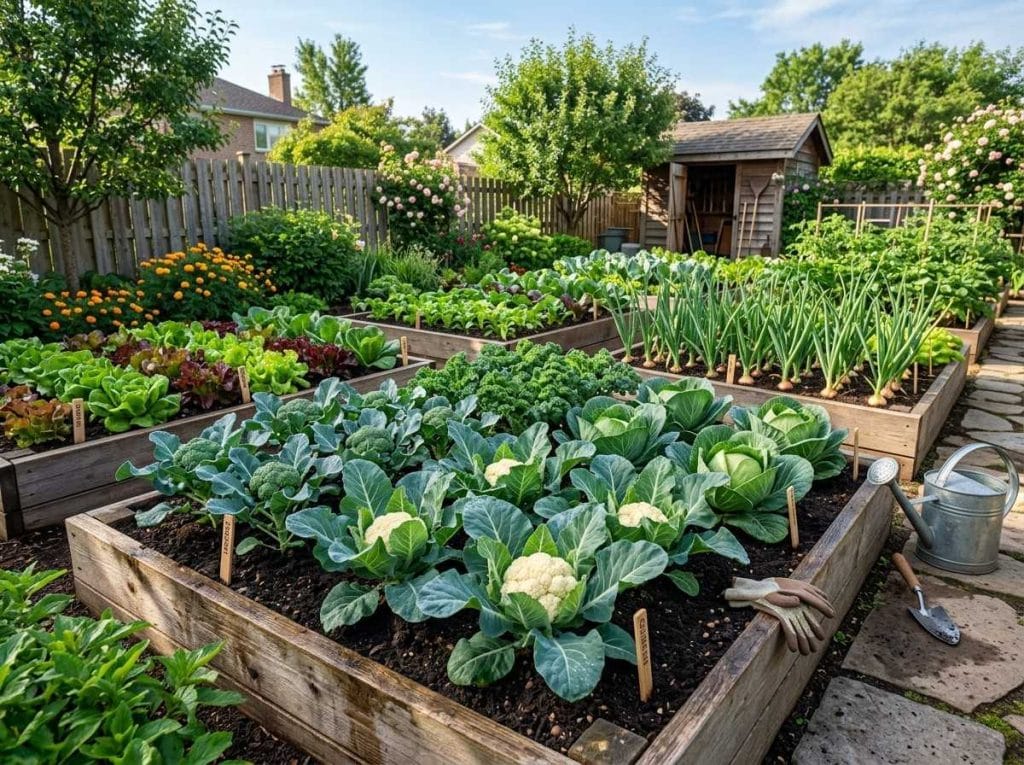
Space cauliflower plants 18 to 24 inches apart for healthy growth and good air circulation.
Plant cauliflower 20 to 24 inches apart to allow enough room for large, firm heads.
Closer than 18 inches may reduce head size and increase disease risk due to poor airflow.
Proper spacing improves airflow and sunlight, leading to better yield and healthier plants.
Space rows 24 to 30 inches apart to allow easy access and good sunlight exposure.
Spacing cauliflower plants properly helps them grow big and healthy. Give each plant enough room to spread its leaves. Crowded plants may produce smaller heads and attract pests. Aim for about 18 to 24 inches between plants. This distance lets air flow and sunlight reach all parts.
Good spacing also makes watering and harvesting easier. Remember, healthy plants mean better cauliflower harvests. Follow these tips for a successful garden. Happy planting!