Gardening Made Simple.
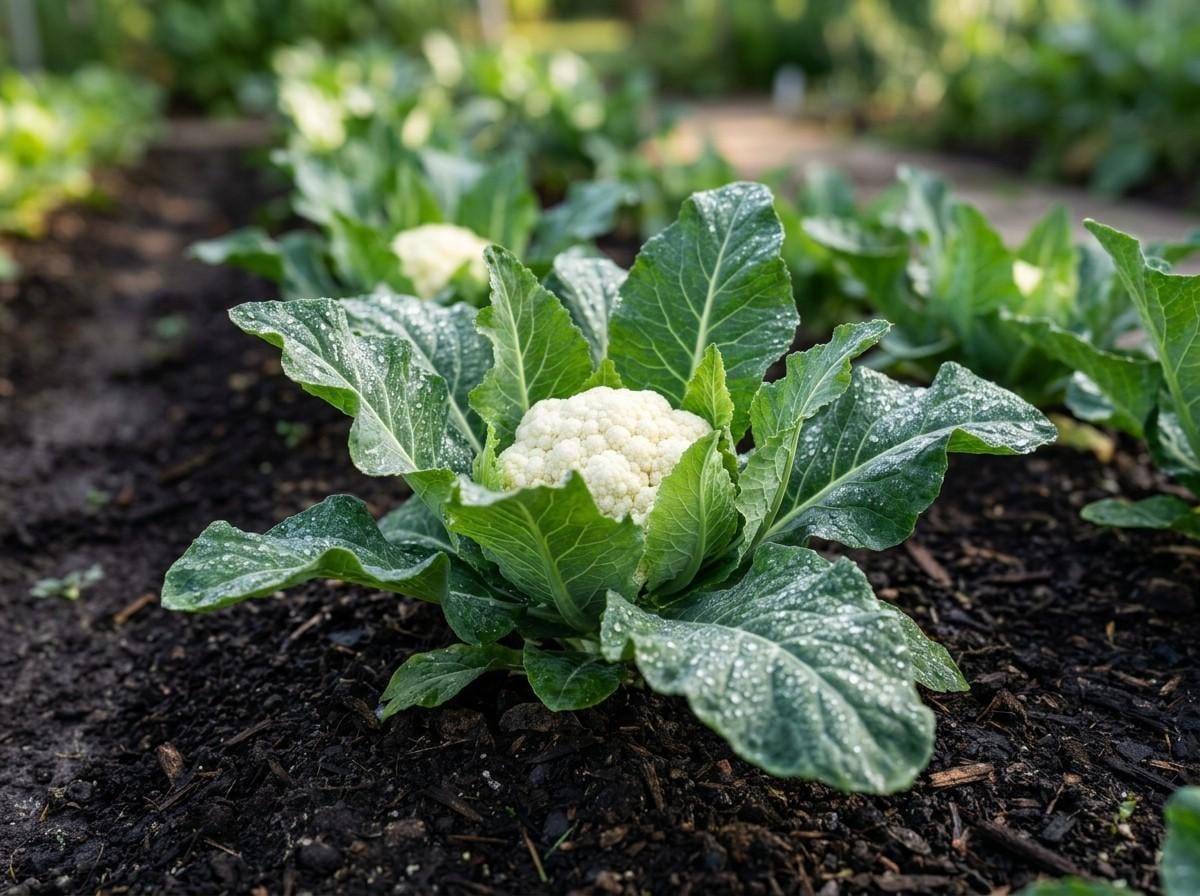
Are you ready to grow fresh, crunchy cauliflower right in your own garden? How to Grow Cauliflower might seem tricky at first, but with the right planting, watering, spacing, and care tips, you can enjoy healthy cauliflower at home. This guide will walk you through the essential steps to help your plants thrive and produce firm, flavorful heads.
Imagine picking bright, white heads of cauliflower, full of flavor and nutrition. In this guide, you’ll discover simple steps that make growing cauliflower easier than you think. Keep reading, and you’ll soon have your own garden full of this tasty vegetable!
Choosing the right cauliflower variety is key to a good harvest. Different types suit different gardens and climates. Picking the best one helps you grow healthy, tasty cauliflower. It also makes growing easier and more fun.
There are many cauliflower types to pick. The most common is the white cauliflower, known for its creamy white heads. It grows well in many places and tastes mild.
Orange cauliflower is rich in vitamin A and adds color to your garden. Green cauliflower, also called "broccoflower," has a mild, sweet flavor. Purple cauliflower offers antioxidants and bright color to meals.
Each type has unique features. Choose the one that fits your taste and garden style.
Cauliflower grows best in cool weather. Some varieties do better in cold climates, while others handle warmer weather.
For cooler areas, pick white or purple types. They stay fresh even in low temperatures. Warm regions need heat-tolerant varieties like orange cauliflower.
Know your local climate before picking seeds. This helps avoid poor growth and bitter taste.
Preparing the soil is the first step to grow healthy cauliflower plants. Good soil helps plants get enough water and nutrients. It also supports strong roots. Spend time making the soil right before planting. This will help your cauliflower grow well and produce big heads.
Cauliflower needs soil that is loose and well-drained. Heavy clay or sandy soils do not work well. The soil should keep moisture but not stay soggy. A slightly acidic to neutral pH, between 6.0 and 7.0, is best. Check soil pH with a simple test kit. Good soil structure allows roots to spread easily.
Cauliflower needs rich soil full of nutrients. Mix compost or well-rotted manure into the soil before planting. This adds organic matter and improves fertility. Avoid fresh manure as it can burn plants. Use a balanced fertilizer with nitrogen, phosphorus, and potassium. Work the fertilizer into the top 6 inches of soil. Fertile soil encourages strong growth and large cauliflower heads.
Planting cauliflower correctly is key to a healthy harvest. Good techniques help seedlings grow strong. Proper planting sets the stage for big, white heads.
This section covers essential steps for planting cauliflower. Learn how to start seeds indoors, transplant seedlings, and space plants well.
Begin seeds indoors 4 to 6 weeks before outdoor planting. Use seed trays with moist, well-drained soil. Plant seeds about 1/4 inch deep. Keep soil temperature around 70°F for best germination. Water gently to keep soil moist but not wet. Place trays in a bright spot or under grow lights. Seedlings appear in 5 to 10 days. Thin seedlings to one per cell once leaves appear.
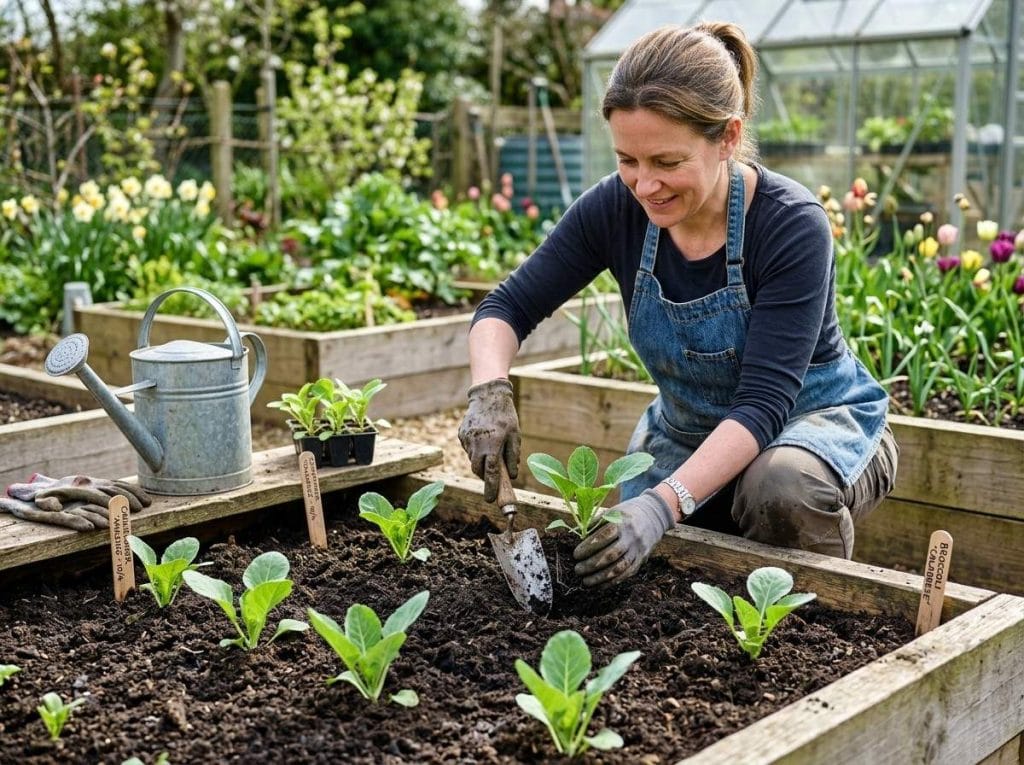
Move seedlings outside when they have 4 to 6 true leaves. Harden off plants by exposing them to outdoor conditions for a week. Transplant on a cool, cloudy day or in late afternoon. Dig holes slightly larger than root balls. Handle seedlings carefully to avoid root damage. Plant seedlings at the same soil depth as indoors. Water well after planting to settle soil around roots.
Space cauliflower plants 18 to 24 inches apart. Rows should be 24 to 30 inches apart. Proper spacing gives plants room to grow. Planting too close leads to small heads and disease. Set seedlings deep enough to cover roots fully. Avoid planting too deep to prevent stem rot. Maintain even soil moisture for best growth.
Watering and feeding are key for healthy cauliflower growth. Proper care helps the plant develop large, white heads. Too much or too little water can harm your crop. Feeding supplies nutrients needed for strong growth. Both must be balanced for best results.
Cauliflower needs consistent moisture. Water the plants deeply once or twice a week. Keep the soil damp but not soggy. Avoid wetting the leaves to reduce disease risk. Use mulch to keep soil moist longer. Check soil regularly; dry soil stresses the plant. Morning watering is best to prevent fungus.
Feed cauliflower with a balanced fertilizer. Use one high in nitrogen early to support leaf growth. Switch to fertilizer with more phosphorus and potassium as heads form. Apply fertilizer every three to four weeks. Avoid over-fertilizing; this can cause leaf growth only. Organic compost or slow-release fertilizers work well too.
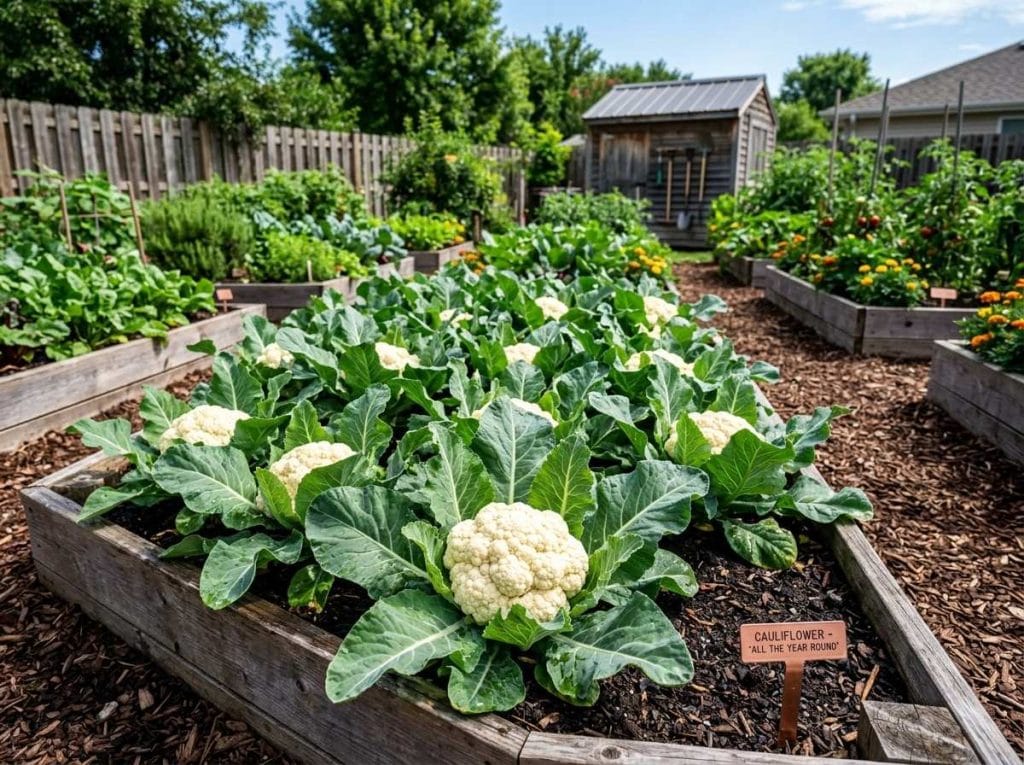
Growing healthy cauliflower requires careful attention to pests and diseases. These problems can damage plants and reduce your harvest. Early detection and proper care help keep your cauliflower strong. Use natural methods and good garden habits to protect your crop.
Aphids often gather on young leaves. They suck plant juices, causing leaves to curl and yellow. Cabbage worms are green caterpillars that eat holes in the leaves. Flea beetles create tiny pits and spots on leaves, making plants weak.
Look for signs of pests every few days. Remove pests by hand or spray plants with water. Use insecticidal soap for severe infestations. Keep the garden clean to reduce hiding places for pests.
Cauliflower is prone to diseases like clubroot and black rot. These diseases spread through soil and water. Avoid planting cauliflower in the same spot each year. Rotate crops to reduce disease buildup in soil.
Water plants at the base, not on leaves. Wet leaves encourage fungal growth. Use well-draining soil to prevent root rot. Remove and destroy infected plants immediately to stop disease spread.
Blanching is a key step to get bright white cauliflower heads. It stops sunlight from reaching the curds. This prevents the cauliflower from turning yellow or brown. The process keeps the heads tender and mild in flavor. It also improves the appearance of your harvest.
Blanching is easy to do but requires timing and care. Cover the heads just right. Too little cover, and the cauliflower colors. Too much cover, and air can get trapped. Both affect quality. Follow simple steps for the best results.
Blanch cauliflower when the head is 2 to 3 inches wide. This size shows the curds are forming but not fully grown. Look for tight, compact heads without gaps. Start blanching before the color changes. Early action gives the best white heads.
Use the plant’s own leaves to cover the head. Pull the large outer leaves up and tie them over the top. Use string, rubber bands, or garden twine. Avoid plastic or anything that traps moisture. Check the cover every few days. Adjust if leaves dry out or loosen.
Another method is to use a paper or cloth cover. Place it gently over the head and secure it. This method works if leaves are not large enough. Both methods protect the cauliflower from direct sun and keep it white.
Harvesting cauliflower at the right time ensures the best taste and texture. Knowing when and how to pick your cauliflower heads is key. Careful harvesting protects the plant and keeps your garden healthy.
Cauliflower heads are ready to harvest when they look firm and compact. The curds should be white or creamy without any discoloration. The head size varies but usually measures 6 to 8 inches across. Leaves around the head might start to spread apart slightly. Avoid waiting too long. If heads start to yellow or separate, they are overripe.
Use a sharp knife to cut the head from the main stem. Cut about 1 to 2 inches below the head. Leave some leaves attached to protect the curds during handling. Handle the head gently to avoid bruising. Harvest in the cool part of the day to keep the cauliflower fresh. After cutting, store cauliflower in a cool, moist place to extend freshness.
Cauliflower is a versatile vegetable that you can enjoy in many ways. Proper storage helps keep it fresh longer. Using cauliflower in different recipes adds variety to your meals. Here are some simple tips for storing and cooking cauliflower.
Store cauliflower in the refrigerator to keep it fresh. Keep it in a plastic bag with small holes. This prevents moisture buildup and slows spoilage. Avoid washing cauliflower before storing; moisture causes it to rot faster. Use it within one week for the best taste and texture. For longer storage, freeze cauliflower after blanching it in hot water for a few minutes.
Cauliflower can be eaten raw, steamed, roasted, or boiled. Try roasting it with olive oil and your favorite spices. It becomes tender and has a nutty flavor. Use cauliflower in soups or mash it as a potato substitute. Cauliflower rice is a low-carb option for many dishes. You can even make cauliflower pizza crust for a healthy twist.
Cauliflower grows best in cool weather, usually in early spring or fall.
Cauliflower needs at least 6 hours of direct sunlight every day.
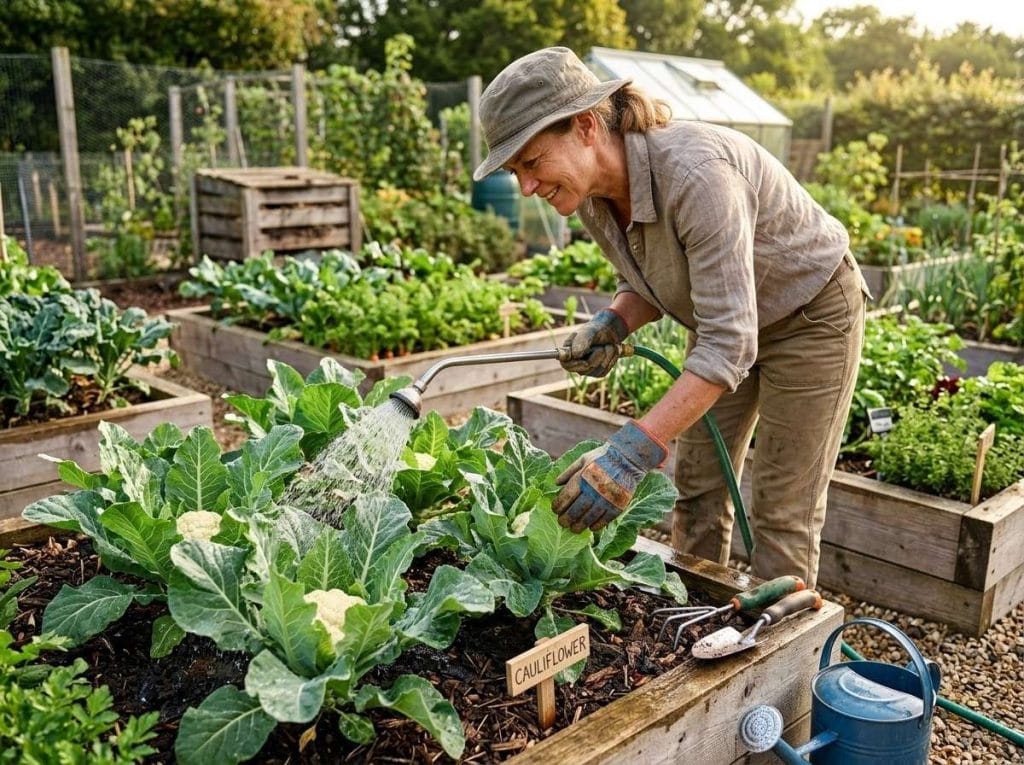
Water cauliflower deeply once or twice a week, keeping soil moist but not wet.
Cauliflower prefers rich, well-drained soil with a pH between 6. 0 and 7. 0.
Cauliflower takes about 60 to 85 days from planting to harvest.
Growing cauliflower can be simple and rewarding. Start with good soil and plenty of sunlight. Water regularly but avoid too much moisture. Watch for pests to keep plants healthy. Harvest cauliflower heads when they are firm and white. Enjoy fresh, homegrown cauliflower in your meals.
Patience and care bring the best results. Give it a try, and you will see. Gardening can be fun and tasty too.