Gardening Made Simple.
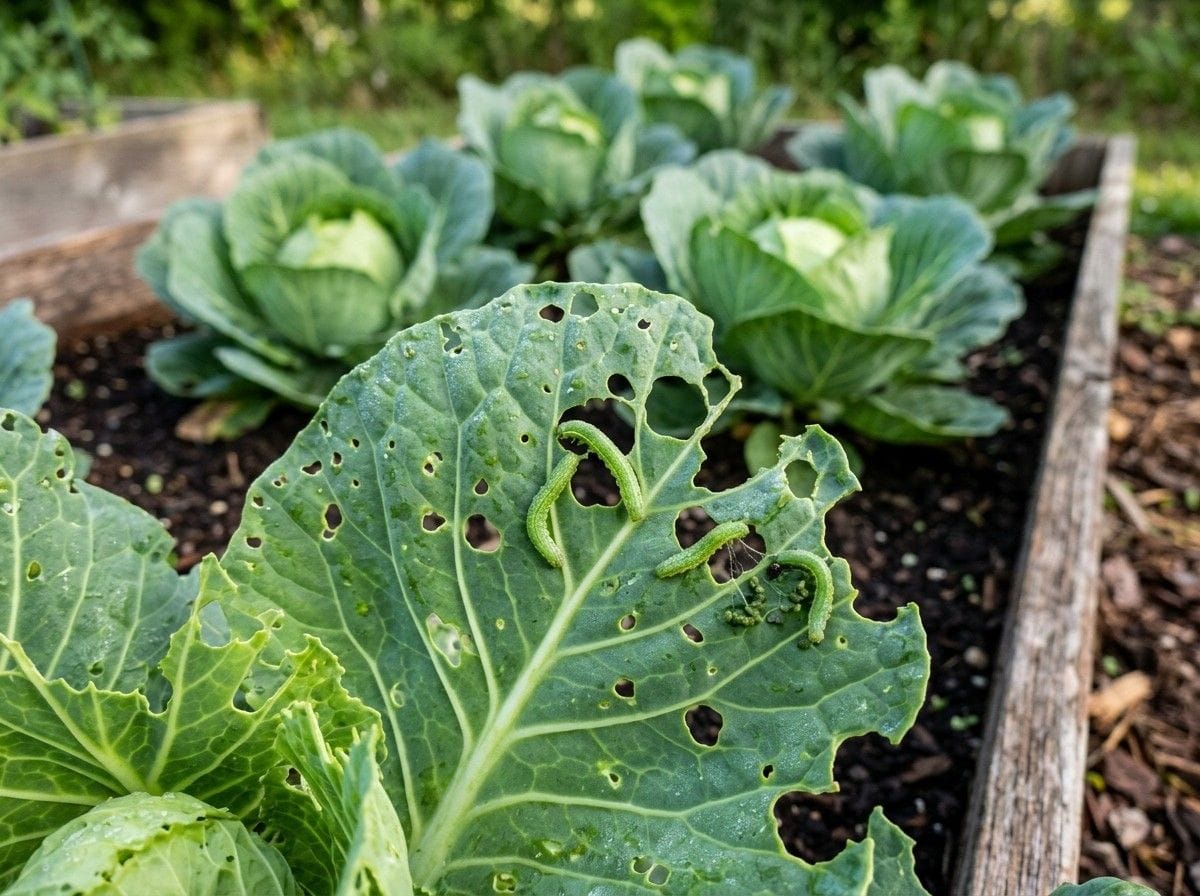
Worms in Cabbage Plants are a common problem that can quickly damage healthy leaves and reduce your harvest. If you've spotted worms in cabbage plants, identifying the pests early and using the right control methods can prevent serious damage. This guide covers effective organic and conventional solutions to protect your cabbage and keep your garden healthy.
If you want to protect your cabbage and enjoy a fresh, bountiful harvest, understanding how to spot and deal with these worms is key. Keep reading, and you’ll discover simple, effective ways to save your plants and keep those hungry intruders away for good.
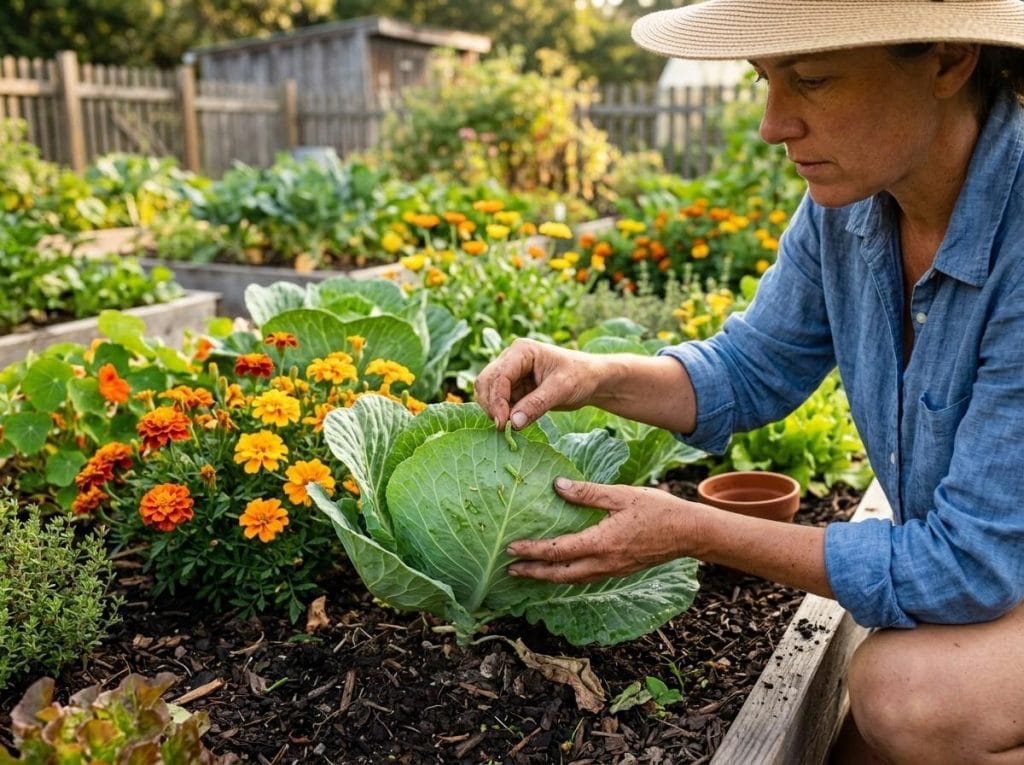
Cabbage plants often face threats from various worms. These pests can damage leaves and reduce crop yield. Knowing common worms helps in early detection and control. This section introduces typical worms found in cabbage and their signs.
One common pest is the Cabbage Loopers. They have green bodies and move in a looping motion. Another is the Imported Cabbageworm, which is the larva of a white butterfly. Diamondback Moths larvae are small and pale green. All these worms feed on cabbage leaves and create holes.
Look for irregular holes on the leaves. Leaves may appear ragged or eaten away. Small green worms might be visible on the undersides of leaves. Yellowing or wilting leaves also indicate worm damage. Early signs help protect the cabbage from severe harm.
Worms in cabbage plants cause serious damage. They eat the leaves and harm the plant's health. This damage can reduce the plant’s ability to grow and produce good crops. Understanding the harm worms cause helps gardeners protect their plants better.
Worms chew holes in cabbage leaves. These holes reduce the leaf’s surface for photosynthesis. The leaves may look ragged and unhealthy. Damaged leaves dry out faster and die early. This weakens the whole plant over time. Worms can also cause leaves to curl or wilt. The visual damage makes the cabbage less attractive to buyers.
Worm damage lowers the total amount of cabbage harvested. Plants with many damaged leaves grow smaller heads. The quality of cabbage heads also drops. Worms can create entry points for diseases. Infected plants produce fewer and lower-quality vegetables. This leads to financial losses for farmers. Controlling worms early helps protect crop yield.
Natural predators play a key role in controlling worms in cabbage plants. These predators help keep worm populations low without using chemicals. They create a balanced garden where plants can grow healthy and strong.
Many insects eat cabbage worms and keep their numbers down. Ladybugs, lacewings, and parasitic wasps are important helpers. Ladybugs eat small pests, while lacewing larvae feed on eggs and young worms. Parasitic wasps lay eggs inside worm larvae, stopping them from growing.
These insects work quietly but effectively. They protect cabbage plants by reducing damage. Encouraging beneficial insects means fewer worms and better harvests.
Birds also help control cabbage worms. Species like sparrows, finches, and robins eat worms and caterpillars. Birds search leaves and soil for these pests, reducing their numbers fast.
Other wildlife, such as frogs and toads, also eat worms. They live in gardens and help keep pests away. Providing shelter and water can attract these natural hunters to your garden.
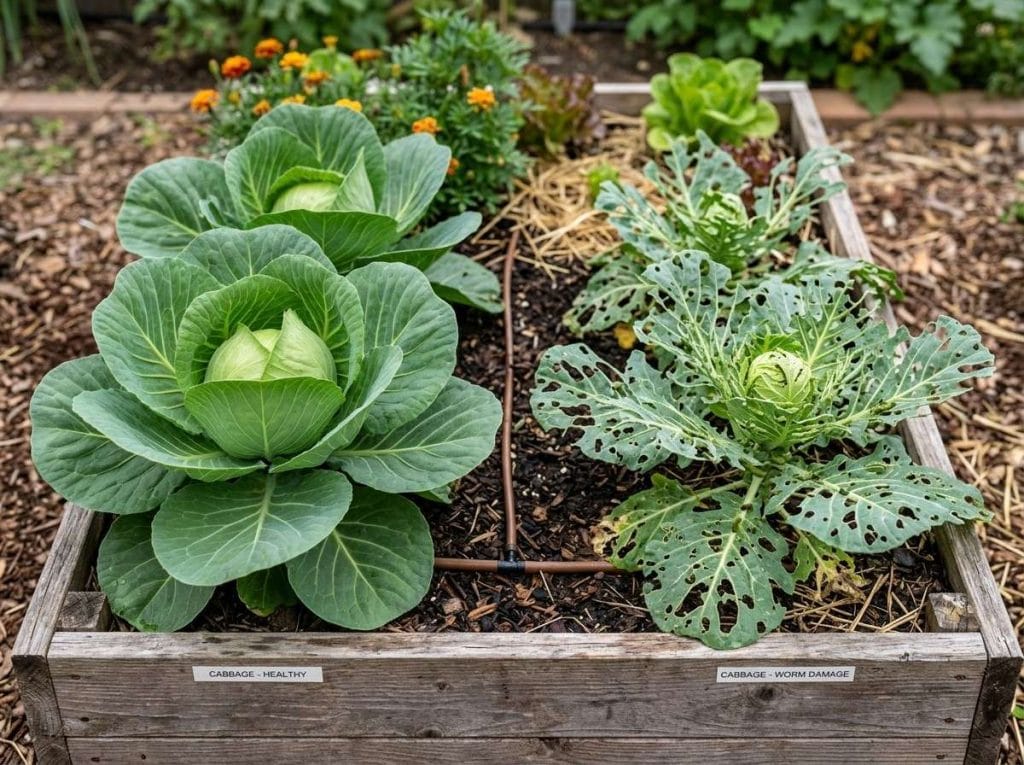
Organic control methods protect cabbage plants without using harmful chemicals. These methods keep worms away and protect the environment. Many gardeners prefer natural ways to manage pests. They work well and keep the garden healthy.
Handpicking worms is simple and effective. Check leaves and stems carefully. Remove any worms you find by hand. Drop them into a bucket of soapy water. This stops them from returning. Do this regularly to reduce worm numbers. It works best early in the morning or late evening.
Neem oil is a natural spray that repels worms. Spray it gently on cabbage leaves. It disrupts worm growth and feeding. You can also use soap sprays or garlic water. These sprays are safe for plants and insects. Apply sprays every few days for best results. Avoid spraying during hot, sunny hours.
Planting certain herbs and flowers near cabbage helps keep worms away. Marigolds, dill, and rosemary work well. These plants confuse or repel pests. They also attract helpful insects that eat worms. Space companion plants near cabbage for best effect. This method improves garden health naturally.
Cabbage worms can damage your plants quickly. Chemical treatments help control these pests. They work by killing or repelling worms. Using chemicals can protect your cabbage from heavy damage. Careful selection and application are key to success and safety.
Pick pesticides labeled for cabbage worms. Read the instructions before buying. Choose products safe for vegetables and your family. Avoid harsh chemicals that harm beneficial insects. Organic options are often safer and eco-friendly. Always check the expiration date on the product.
Apply pesticides in the early morning or late evening. This timing reduces harm to bees and other pollinators. Spray evenly on all plant parts, especially under leaves. Wear gloves and protective clothing during application. Do not apply on windy days to avoid drift. Repeat treatments as recommended on the label for best results.
Preventing worms in cabbage plants is easier than treating an infestation. Taking steps early keeps your plants healthy and strong. These simple habits help reduce the chance of worms damaging your cabbage.
Crop rotation means changing where you grow cabbage each year. Worms and pests often stay in the soil near one plant type. Moving crops stops pests from building up in the soil. Plant different vegetables in the same spot next season. This breaks the life cycle of worms and pests. It also improves soil health for better growth.
Keeping your garden clean helps keep worms away. Remove old leaves and plant debris after harvest. These can hide eggs and larvae of worms. Clear weeds that attract pests. Use clean tools to avoid spreading pests. Compost plant waste away from your cabbage patch. Good hygiene reduces places where worms can grow.
Early detection of worms in cabbage plants is crucial. Catching them early helps stop damage and keeps plants healthy. Monitoring your garden regularly saves time and effort later. It allows quick action to protect your cabbage crop.
Check your cabbage leaves every few days. Look for small holes, chewed edges, or droppings. Inspect the underside of leaves where worms hide. Spotting pests early prevents severe infestations. Use a flashlight to see better in low light. Remove any worms you find by hand. This simple step reduces their numbers quickly.
Use traps to catch worms before they harm plants. Sticky traps catch flying moths that lay eggs. Pheromone traps attract specific worm species. Place traps near cabbage plants for best results. Check traps regularly and replace them if needed. Traps help monitor pest levels and reduce worm populations.

Cabbage worms include cabbage loopers, imported cabbageworms, and diamondback moth larvae.
Look for holes in leaves and green frass (worm droppings) on plants.
Use handpicking, neem oil sprays, or introduce beneficial insects like ladybugs.
Yes, worms eat leaves and reduce the plant’s ability to grow well.
Treat early in the season when worms are small for better control.
Worms in cabbage plants can damage your garden quickly. Catch them early to protect your crops. Use natural methods to keep worms away safely. Regular checks help you spot problems before they grow. Healthy plants resist pests better and grow stronger.
Small steps make a big difference in your garden. Keep your cabbage plants safe and enjoy a good harvest.