Gardening Made Simple.
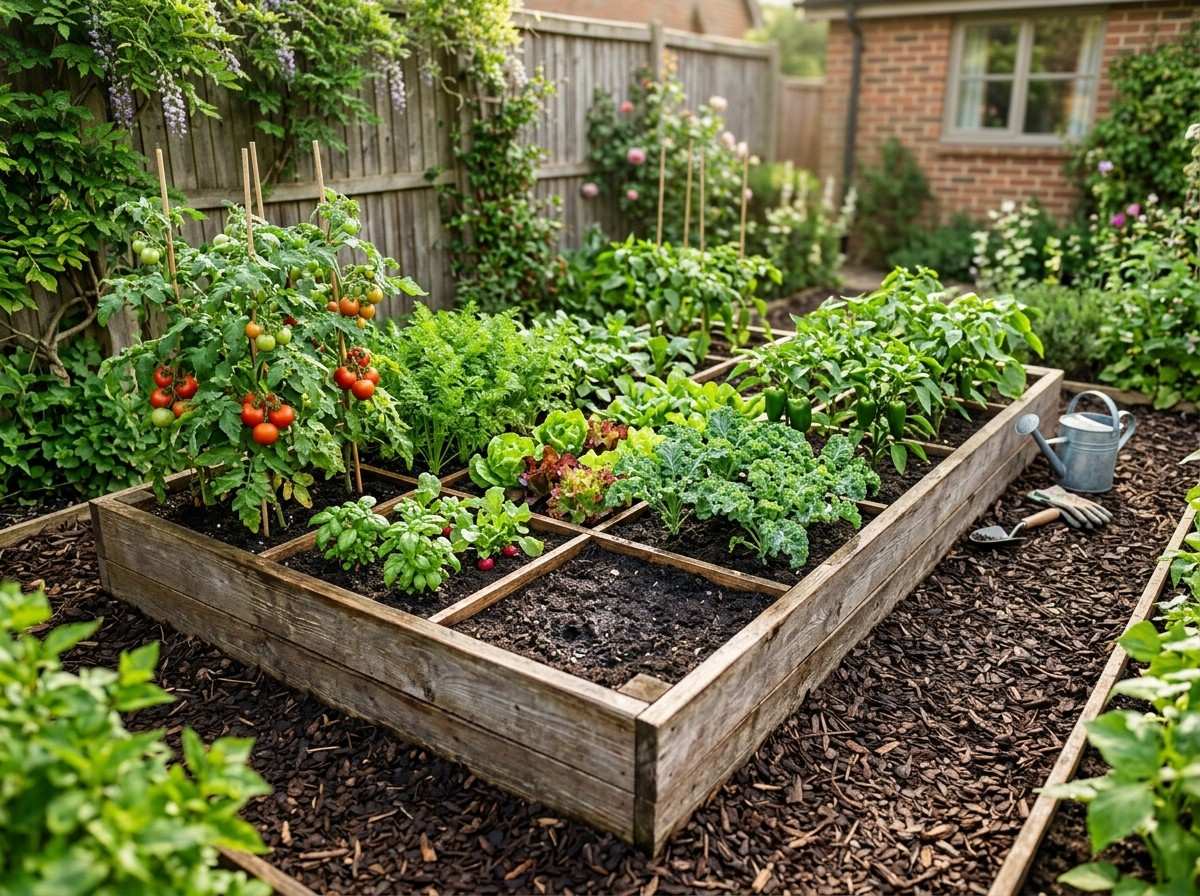
Starting a small vegetable garden is more than just a hobby. It’s a way to grow fresh, healthy food right outside your door, even if you have limited space. Small Vegetable Garden Ideas can help you make the most of a compact yard, patio, balcony, or other small area. Many people think you need a large yard for gardening, but with smart layouts, containers, raised beds, and vertical growing methods, a small space can produce a surprising amount of vegetables.
Whether you live in an apartment, have a tiny backyard, or just a sunny balcony, you can create a productive garden that fits your space.
Gardening brings many benefits. It saves money, reduces trips to the store, and gives you control over what goes into your food. Plus, tending plants can reduce stress and connect you to nature. This article will share practical, creative ideas to help you design a small vegetable garden that works for your space and lifestyle.
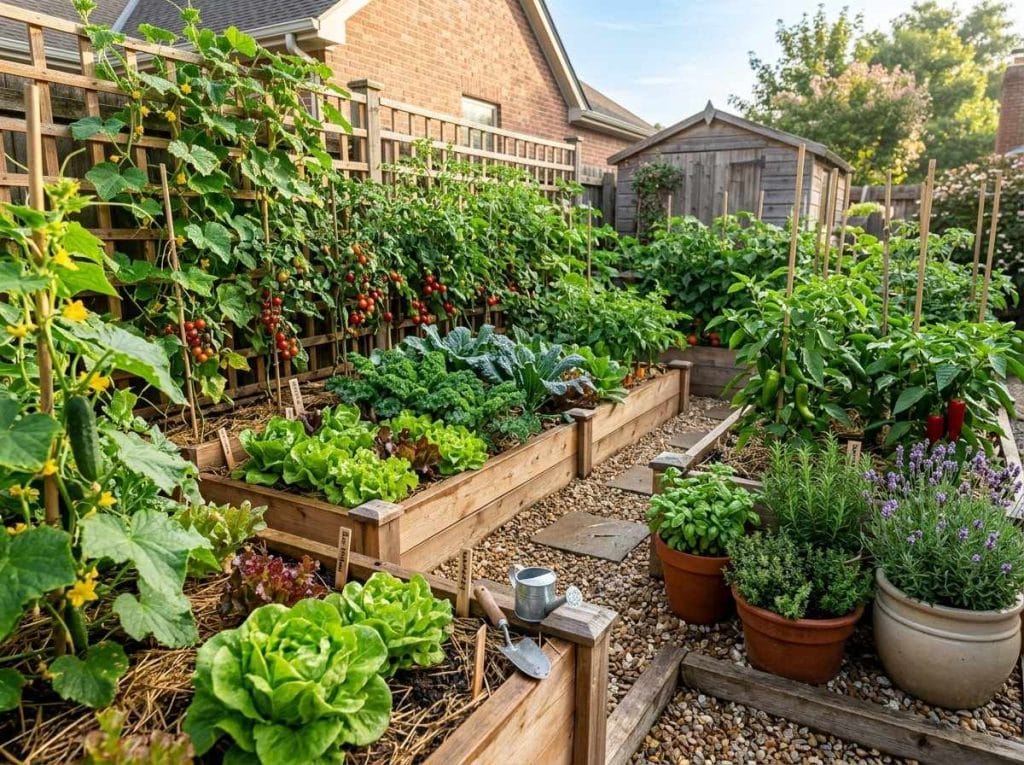
Before you plant anything, spend some time planning. Good planning leads to better results and avoids common mistakes.
First, look at your available space. Measure the area and note where the sun hits during the day. Most vegetables need at least 6 hours of sunlight. If you have shade, choose plants like lettuce or spinach, which tolerate less light.
Think about access to water. Will you be able to reach your garden easily for watering? If not, consider setting up a drip irrigation system or keep a watering can handy.
Not all vegetables grow well in small spaces. Some need lots of room or deep soil. Here are some good choices for small gardens:
These crops grow quickly, don’t need much space, and give a good harvest.
Healthy soil is the foundation of any garden. If you use containers or raised beds, fill them with organic potting mix. For ground gardens, mix in compost and check drainage. Good soil helps roots grow and keeps plants healthy.
Many beginners forget to test soil quality. Poor soil leads to weak plants and low yields. Use a simple soil test kit to check pH and nutrients. Aim for a pH between 6.0 and 7.0 for most vegetables.
Crop rotation means planting different vegetables in the same spot each year. This prevents soil diseases and keeps nutrients balanced. In small gardens, rotate crops even if you only have a few beds or containers.
Designing your garden is not just about looks. It’s about making the most of every inch. Here are some smart ways to arrange vegetables in small spaces.
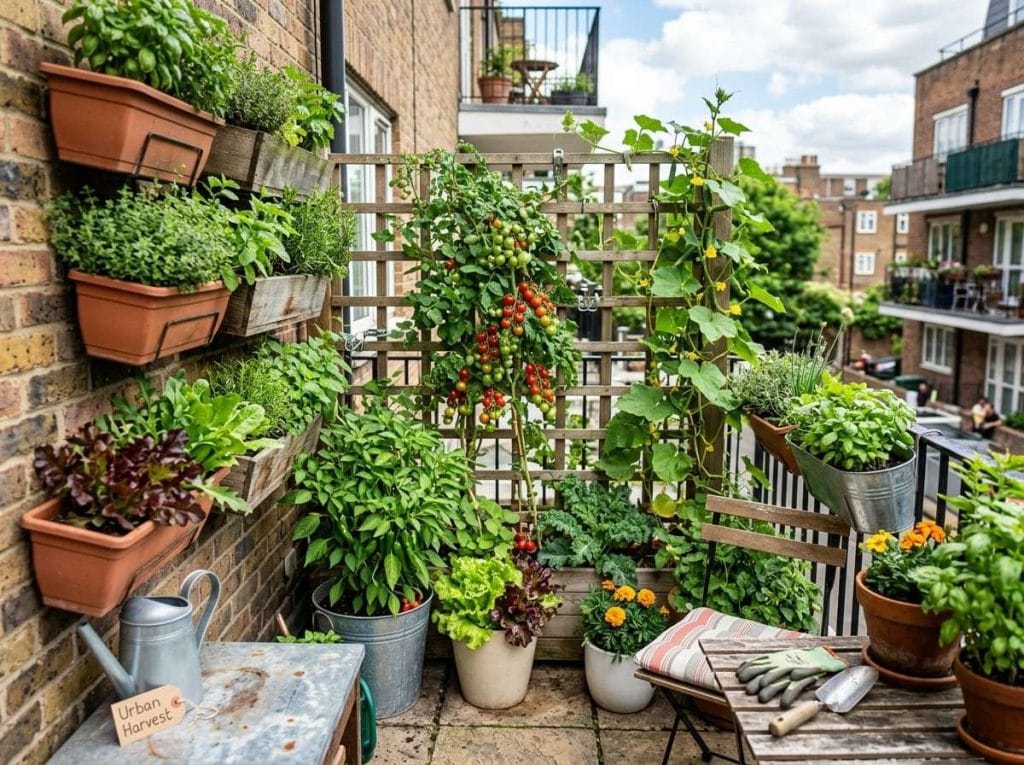
Vertical gardening uses upward space instead of just the ground. It’s perfect for balconies, patios, or small yards.
Vertical gardens can double your growing area. For example, a 3-foot wide trellis can support enough beans for several meals.
Raised beds are boxes filled with soil, usually 6–12 inches deep. They keep soil loose and improve drainage. Raised beds can be any size, but small ones (3x3 feet or 4x4 feet) are easy to manage.
Benefits of raised beds:
Raised beds also allow you to plant closer together, increasing yields.
If you have no ground space, containers are a great solution. Almost any vegetable can grow in a pot, bucket, or planter.
Key tips:
Container gardening also lets you move plants to chase the sun or protect them from bad weather.
Square foot gardening divides a raised bed into 1x1 foot squares. Each square holds a different crop. This method is efficient and easy to plan.
Example layout:
This approach maximizes harvest and keeps the garden organized.
Some vegetables grow better together. Companion planting means placing crops that help each other side by side.
Examples:
Companion planting saves space and improves harvest quality.
Urban gardeners can use balconies and rooftops. Lightweight containers, vertical planters, and hanging baskets fit well in these spaces.
Safety tip: Check weight limits before placing heavy pots on balconies or rooftops.
Choosing the right vegetables is essential. Here’s a comparison of popular crops for small gardens:
| Vegetable | Space Needed | Time to Harvest | Yield per Plant |
|---|---|---|---|
| Tomato (cherry) | 12–18 inches | 60–70 days | 50–100 fruits |
| Lettuce | 6–8 inches | 30–45 days | 1–2 heads |
| Radish | 2–4 inches | 20–30 days | 1–2 roots |
| Spinach | 6–8 inches | 30–40 days | 30–50 leaves |
| Peppers | 12–18 inches | 70–85 days | 5–10 fruits |
| Carrot | 2–4 inches | 60–80 days | 1–2 roots |
| Basil | 6–8 inches | 30–40 days | 20–40 leaves |
These crops are ideal for small gardens because they grow quickly and don’t need much space.
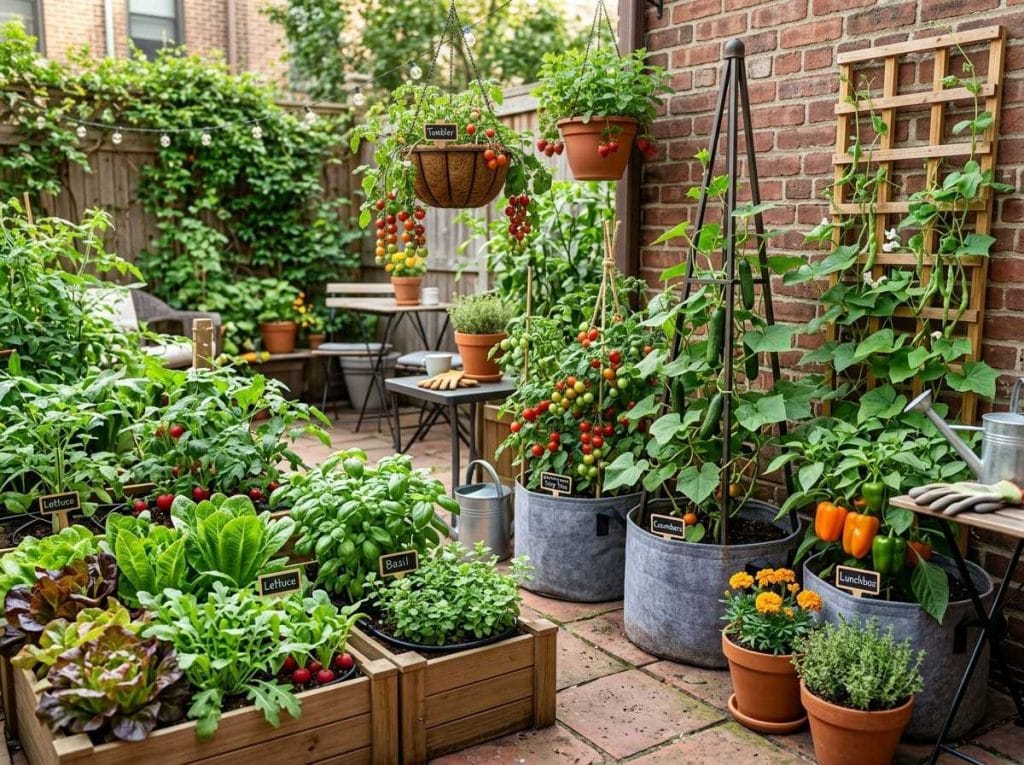
Small gardens require clever strategies to maximize yields. Here are some proven space-saving ideas.
Succession planting means planting new seeds every few weeks. This keeps your garden producing instead of having one big harvest.
Example: Plant lettuce every 2 weeks. As you harvest older plants, new ones take their place.
Interplanting mixes fast-growing and slow-growing crops together. For example, plant radishes (fast) between rows of carrots (slow). Radishes mature before carrots need the space.
Staggered planting involves starting seeds indoors, then transplanting them as space becomes available. This keeps your garden full and productive.
Intensive planting means placing vegetables closer than usual. For leafy greens, you can space them 4–6 inches apart. Just make sure airflow is good to prevent disease.
Don’t forget the edges of your beds or containers. Plant herbs or small vegetables along borders to use all available space.
Choosing the right containers can make a big difference in plant health and harvests. Here’s a comparison of popular container types:
| Container Type | Pros | Cons | Best For |
|---|---|---|---|
| Plastic Pots | Lightweight, cheap, easy to move | Can break in sun, not always attractive | Herbs, salad greens |
| Clay Pots | Classic look, good drainage | Heavy, can dry out fast | Tomatoes, peppers |
| Fabric Grow Bags | Excellent drainage, easy storage | May require extra watering | Potatoes, carrots |
| Wooden Boxes | Custom sizes, natural look | Heavy, may rot over time | Raised bed setups |
| Self-Watering Containers | Reduce watering effort, good for busy gardeners | More expensive | Tomatoes, cucumbers |
Choose containers based on your space, budget, and which vegetables you want to grow.
Healthy soil is the most important factor in a small garden. Here’s how to keep your soil rich and your plants fed:
Many beginners over-fertilize. Too much fertilizer can burn plants and harm roots. Follow package instructions and watch for yellowing leaves as a sign of nutrient issues.
Watering is often overlooked, but it’s crucial, especially in small gardens. Here are some smart watering ideas:
Rain can be unreliable. If you travel often, consider self-watering pots or ask a neighbor to help.
Small gardens can suffer from pests and diseases just like big ones. Here’s how to protect your crops:
Organic pest control is safer for your family and the environment. If you need stronger solutions, use insecticidal soap or neem oil.
Harvesting at the right time keeps your plants productive. Here are some tips:
Many new gardeners let crops overgrow, which can reduce future yields. Frequent picking encourages new growth.
Gardening doesn’t have to be expensive. Here are ways to save money and still grow a great garden:
Gardening on a budget is possible with creativity and resourcefulness.
Layout matters in a small garden. Here are sample layouts for different spaces:
These layouts show how you can fit a variety of crops even in tiny spaces.
If you want to take your garden to the next level, try these advanced strategies:
Many gardeners skip these ideas thinking they are too complex or expensive. But simple hydroponic kits and grow lights are now affordable and easy to use.
With planning, you can grow vegetables all year, even in a small garden.
Microgreens are young sprouts of vegetables like radish, broccoli, or sunflower. They grow in 1–2 weeks and are packed with nutrients.
Even experienced gardeners make mistakes. Here are some common errors and how to avoid them:
Avoiding these mistakes will help your small garden thrive.
Many people have turned tiny spaces into productive gardens. Here are some inspiring examples:
These stories show that anyone can garden, no matter how little space they have.
Research shows small gardens can be surprisingly productive. According to the National Gardening Association, a 4x4 foot raised bed can produce up to 60 pounds of vegetables per season. Container gardens can yield over 20 pounds of tomatoes from five plants.
Urban gardens also provide health benefits. Studies found that people who garden eat 40% more vegetables than non-gardeners.
You don’t need many tools, but a few can make gardening easier:
Invest in quality tools to save time and effort.
Small gardens can be eco-friendly. Here are some ways to reduce your footprint:
Eco-friendly gardening benefits your health and the planet.
Keeping a small garden healthy takes regular care. Here’s a weekly checklist:
Following this routine will keep your garden productive and tidy.
Here’s a comparison of popular small garden setups:
| Method | Space Needed | Ease of Use | Yield Potential | Cost |
|---|---|---|---|---|
| Container Gardening | Minimal (balcony, patio) | Easy | Medium | Low–Medium |
| Raised Beds | Small yard | Moderate | High | Medium |
| Vertical Gardening | Wall, fence, balcony | Easy–Moderate | Medium–High | Medium |
| Square Foot Gardening | Small yard, patio | Easy | High | Low–Medium |
| Hydroponics | Indoor, small area | Moderate–Advanced | Medium | Medium–High |
Choose the method that fits your space, time, and budget.
Many online resources can help you learn more and solve problems. The University of California Agriculture and Natural Resources offers guides, tips, and research for home gardeners. You can find helpful advice at University of California ANR.
Tomatoes, peppers, lettuce, radishes, and most herbs grow well in containers. Choose compact varieties and use pots at least 12 inches wide. Good drainage and quality soil are important for success.
Most vegetables need 6–8 hours of sunlight daily. Leafy greens like spinach and lettuce can grow in partial shade. Place your garden where it gets morning sun if possible.
Yes. You can grow microgreens, herbs, and even tomatoes indoors with enough light. Use LED grow lights if you don’t have a sunny window. Hydroponic kits are also a good option for indoor gardens.
Inspect plants often, use row covers, and plant flowers like marigolds to repel insects. Avoid overcrowding and keep the area clean. Remove damaged leaves quickly to stop pests from spreading.
Start seeds indoors 4–6 weeks before planting outdoors. Use seed trays with organic soil. Keep them warm and moist. Transplant seedlings when they have 2–3 true leaves and outdoor temperatures are right.
Growing a small vegetable garden is rewarding and possible for anyone. With the right ideas and a bit of effort, even the tiniest space can produce fresh, healthy food. Remember to plan carefully, choose suitable crops, and use creative designs.
Small gardens not only provide vegetables, but also joy, relaxation, and a sense of accomplishment. Whether you’re a beginner or a seasoned gardener, start small and enjoy the journey.