Gardening Made Simple.
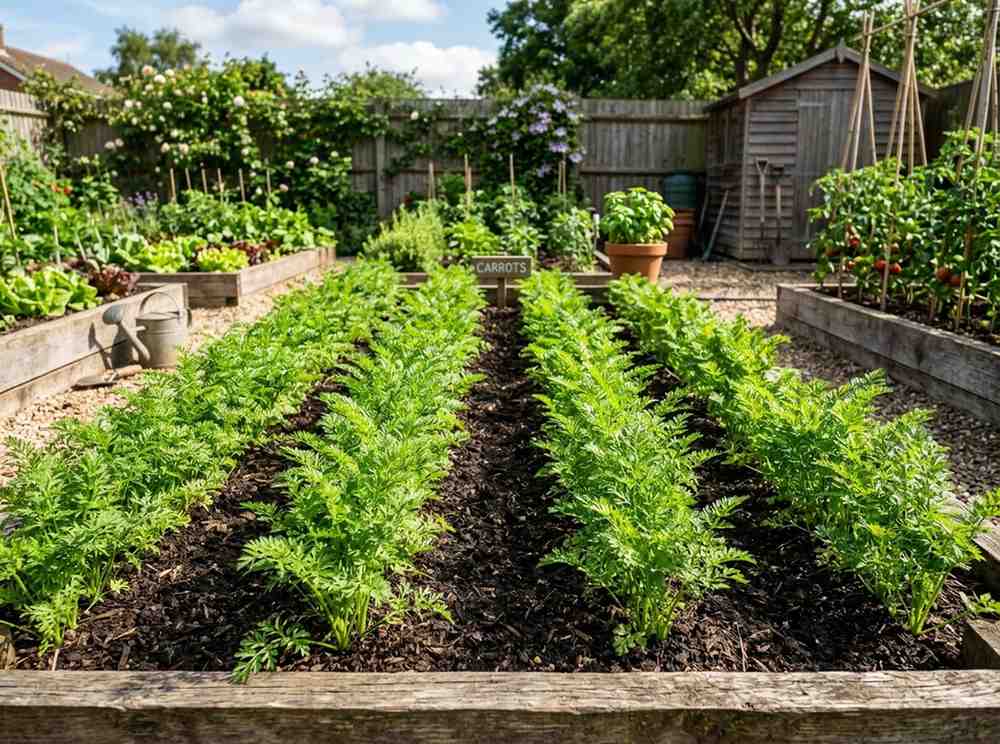
Are you ready to grow sweet, crunchy carrots in your garden? One key to a successful carrot harvest is knowing exactly How Far Apart to Plant Carrots for healthy growth and properly developed roots.
Plant your carrots too close, and they’ll crowd each other, leaving you with small, misshapen roots. Space them too far apart, and you might waste precious garden space. In this post, you’ll discover the perfect planting distance that helps your carrots grow big, healthy, and delicious.
Keep reading to get the simple tips that will make your carrot patch thrive this season!
Choosing the right carrot variety is key to a healthy garden. Different types grow best with different spacing. Knowing your variety helps you plan your garden better. This ensures strong carrots and less crowding.
Short carrots are easier to grow in small spaces. They need less depth and can be planted closer. Long carrots need more room to grow deep. Plant them farther apart to avoid bending or breaking.
Heirloom carrots have unique flavors and colors. They can be less uniform in size and shape. Hybrid carrots usually grow faster and resist pests. They often have consistent size, making spacing easier to plan.
Carrots grow best in soil that supports their long roots and helps them develop sweet flavors. Ideal soil conditions make a big difference in how well carrots grow and how close you should plant them. Healthy soil lets carrots grow straight and strong without crowding.
Loose, sandy soil is best for carrots. It lets roots grow deep without bending or breaking. Heavy clay or rocky soil makes it hard for carrots to grow well. Remove stones and debris before planting. Till the soil to a depth of 12 inches to loosen it. This gives carrots room to spread and grow straight.
Carrots prefer soil with a pH between 6.0 and 6.8. This range helps them absorb nutrients easily. Test your soil before planting. Add lime if the soil is too acidic. Use balanced fertilizer rich in phosphorus and potassium. Avoid too much nitrogen. It causes more leaves but fewer roots. Well-fed carrots grow bigger and taste better.
Proper spacing helps carrots grow straight and healthy. Crowded carrots compete for water and nutrients. This leads to small or misshapen roots. Giving carrots enough room improves air flow. It also reduces the chance of disease. Follow these spacing tips for a better harvest.
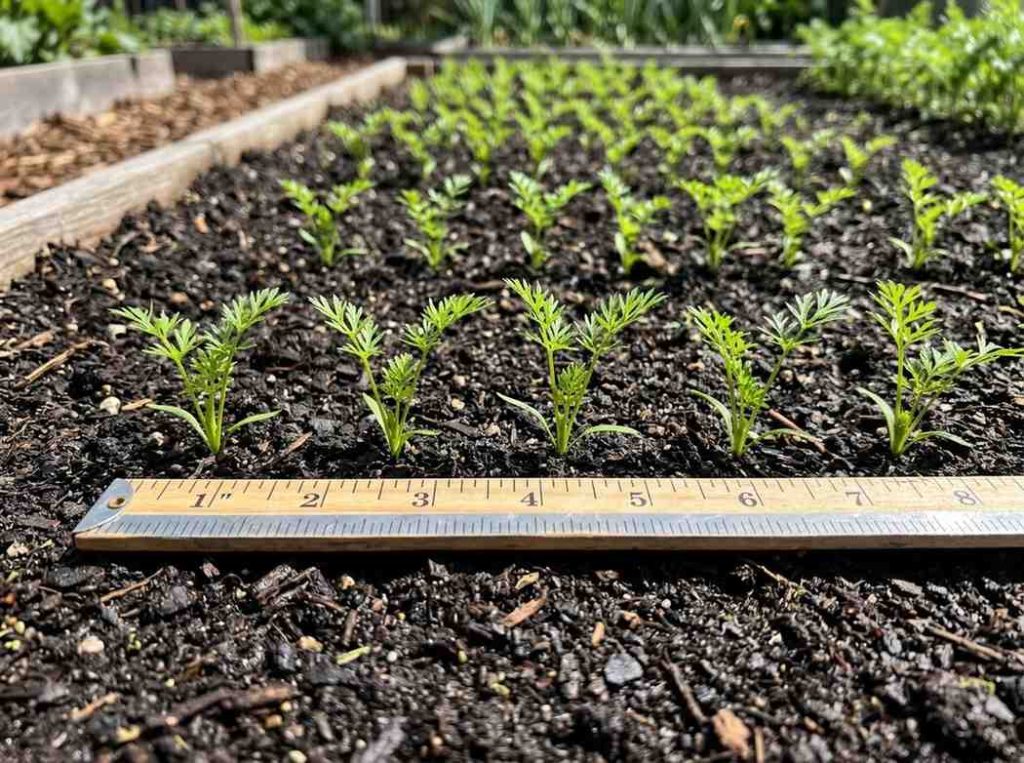
Plant carrot seeds about 1 to 2 inches apart. Seeds planted too close cause crowded roots. Thin seedlings early to keep space. Thin to 2 to 3 inches between plants. This space lets roots grow wide and long. Avoid planting seeds deeper than 1/4 inch. Shallow planting helps seedlings emerge quickly.
Space rows 12 to 18 inches apart. Wider rows allow easy access for weeding. They also give plants more sunlight. Tight rows reduce airflow and increase disease risk. Choose wider rows for larger carrot varieties. Narrower rows suit small or baby carrots. Adjust spacing based on garden size and tools.
Spacing carrot seeds correctly helps them grow strong and healthy. Different factors affect how far apart you should plant them. Knowing these helps you get better roots and avoid crowding. Let’s explore the main factors that influence carrot spacing.
Carrots come in many sizes. Small varieties need less space. Large varieties need more room to grow thick roots. If you plant them too close, the roots may become twisted or misshapen. Check the seed package for size recommendations. This guides you on the best spacing for your carrot type.
Rich, moist soil helps carrots grow faster and bigger. In fertile soil, plants can grow closer because they get enough nutrients. Poor soil needs wider spacing to reduce competition. Moist soil also helps roots develop well. Dry soil can stunt growth even if spacing is perfect.
Thinning means removing some seedlings after they sprout. It improves air flow and space for strong roots. If you plant seeds close, thinning is very important. Thin plants to the right distance based on variety size. Thinning early helps carrots grow straight and healthy.
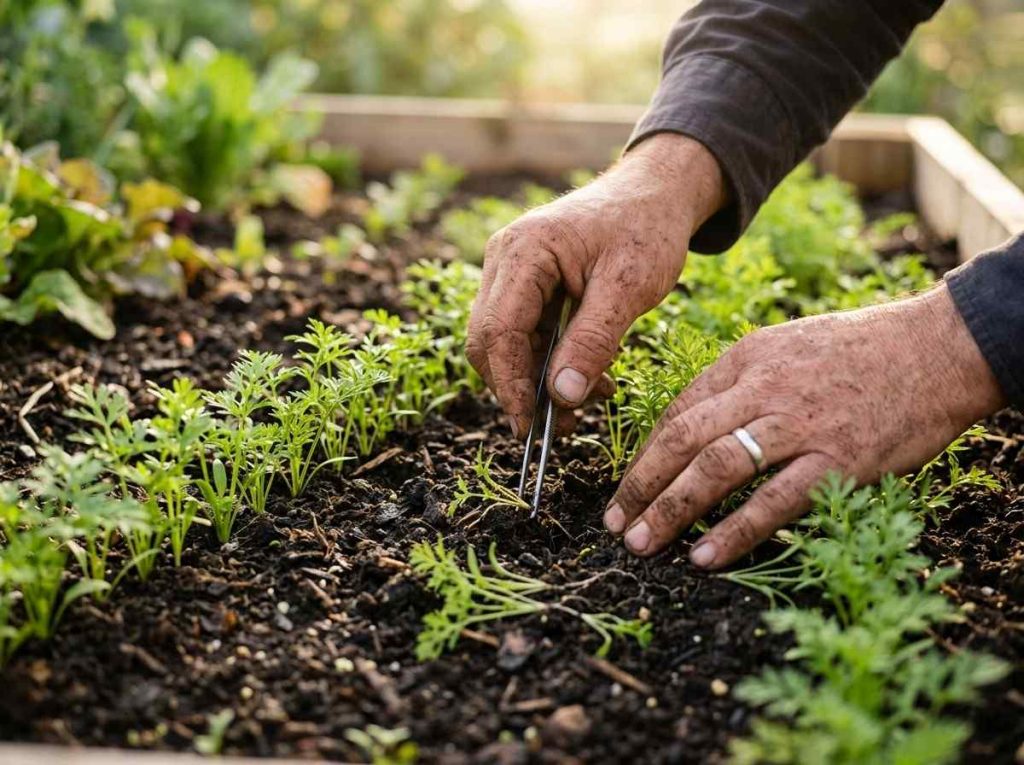
Planting carrots correctly helps them grow healthy and strong. Choosing the right method and timing is very important. These simple steps make your carrot garden successful. Let’s explore how to plant carrots well.
Most gardeners plant carrots by direct sowing seeds into the soil. This method lets roots grow deep without disturbance. Carrot seeds are tiny and easy to scatter.
Transplanting carrot seedlings is less common. Carrots have fragile roots, so moving young plants can damage them. Direct sowing usually gives better results and saves time.
Plant carrot seeds about 1/4 inch deep in loose soil. This depth protects seeds but lets them sprout easily. Press soil gently after planting for good seed contact.
Plant carrots in early spring or late summer. They grow best in cool weather. Avoid hot temperatures to prevent bitter or tough roots.
Watering and maintenance are key to growing healthy carrots. Proper care helps carrots grow straight and full. It also prevents diseases and pests. Regular attention keeps your carrot bed productive and neat.
Carrots need consistent moisture to grow well. Water the soil gently to avoid washing seeds away. Aim to keep the soil damp, not soggy. Early morning watering is best to reduce evaporation. Use drip irrigation or soaker hoses to save water. Avoid wetting the leaves to prevent fungal problems.
Weeds compete with carrots for water and nutrients. Remove weeds carefully without disturbing roots. Apply a thin layer of mulch around carrots to keep soil moist. Mulching also stops new weeds from growing. Use straw, grass clippings, or shredded leaves as mulch. Mulch helps keep soil temperature steady, helping roots develop better.
Carrots need the right space to grow healthy and strong. Sometimes, growth problems happen because of spacing or pests. Fixing these issues can help you get better carrots. Understanding common mistakes and how to manage pests will improve your garden’s success.
Planting carrots too close stops roots from growing well. Crowded carrots become thin and misshaped. Give each carrot about 2 to 3 inches of space. This lets roots grow without fighting for room. Too much space can waste garden area but won't harm growth. Proper spacing helps air move between plants. This reduces disease risk and keeps carrots healthy.
Carrots face pests like carrot flies and aphids. These bugs damage roots and leaves. Use barriers like fine mesh to keep pests away. Remove weeds that attract insects near carrots. Diseases like root rot happen if soil stays wet too long. Water carrots early in the day so soil dries fast. Healthy soil and clean tools also stop diseases from spreading.
Maximizing yield in small spaces means using every inch wisely. Carrots grow well in tight spots if spaced correctly. Proper spacing helps roots grow big and healthy. Crowded carrots become thin and small. Planning your garden layout boosts your harvest.
Square foot gardening fits many carrots in little space. Use a grid to divide the bed into 1-foot squares. Plant 16 carrot seeds per square for best results. Thin seedlings to keep space between roots. This method keeps soil loose and moist. It also reduces weeds and pests.
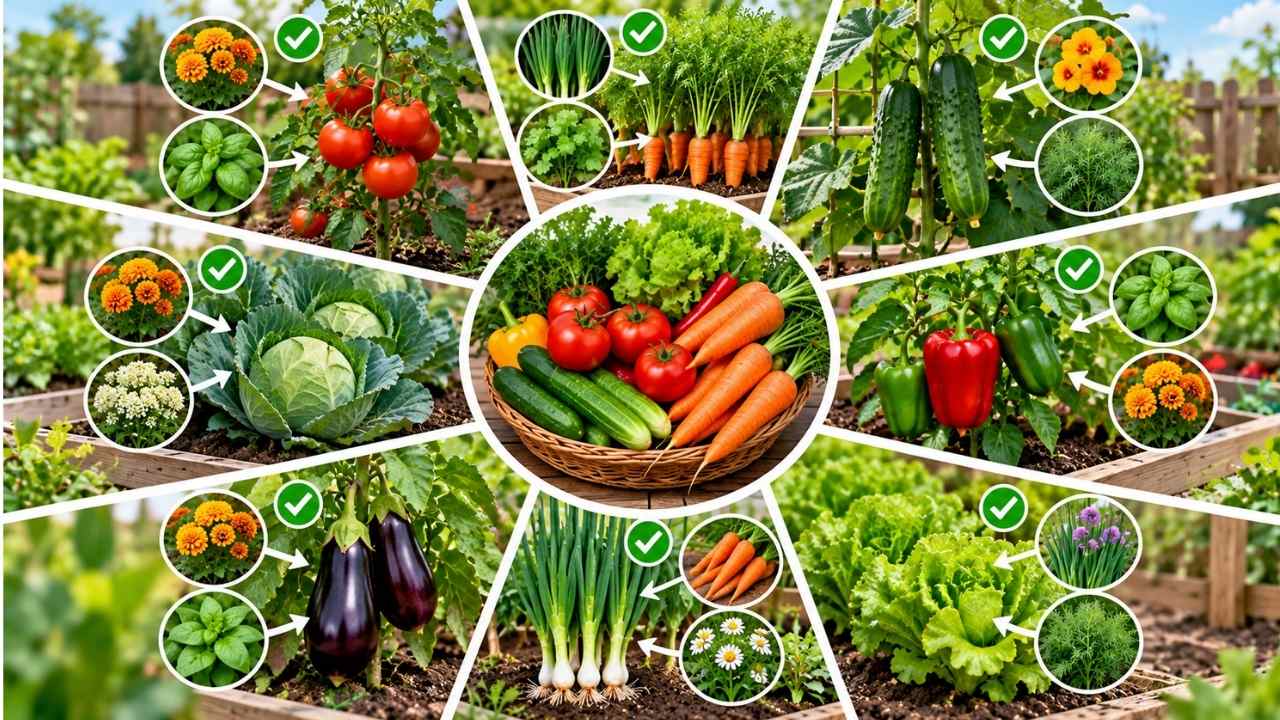
Plant carrots near herbs like rosemary and sage. These plants keep bugs away naturally. Onions and leeks also protect carrots from pests. Avoid planting carrots near dill or parsnips. They attract similar pests and compete for nutrients. Companion planting saves space and helps carrots grow strong.
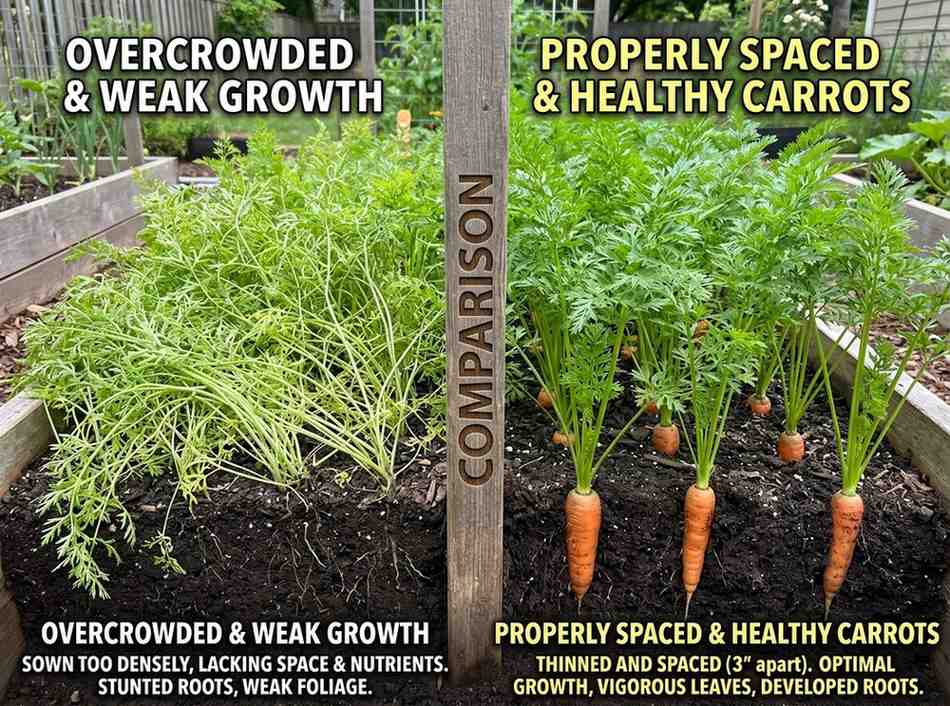
Carrot seeds should be planted about 1 to 2 inches apart for healthy growth.
Space carrot rows 12 to 18 inches apart to allow enough room to grow.
Planting carrots closer than 1 inch can cause poor root development and crowding.
Plant carrot seeds about 1/4 inch deep in loose, well-drained soil.
Correct spacing helps carrots grow straight, big, and reduces diseases and pest problems.
Planting carrots at the right distance helps them grow strong and healthy. Space seeds about 2 to 3 inches apart for best results. This gives each carrot enough room to develop fully. Crowded carrots can become small and misshapen. Remember, soil quality and watering also affect growth.
With proper spacing, your garden will produce tasty, vibrant carrots. Enjoy the process and watch your carrots thrive!