Gardening Made Simple.
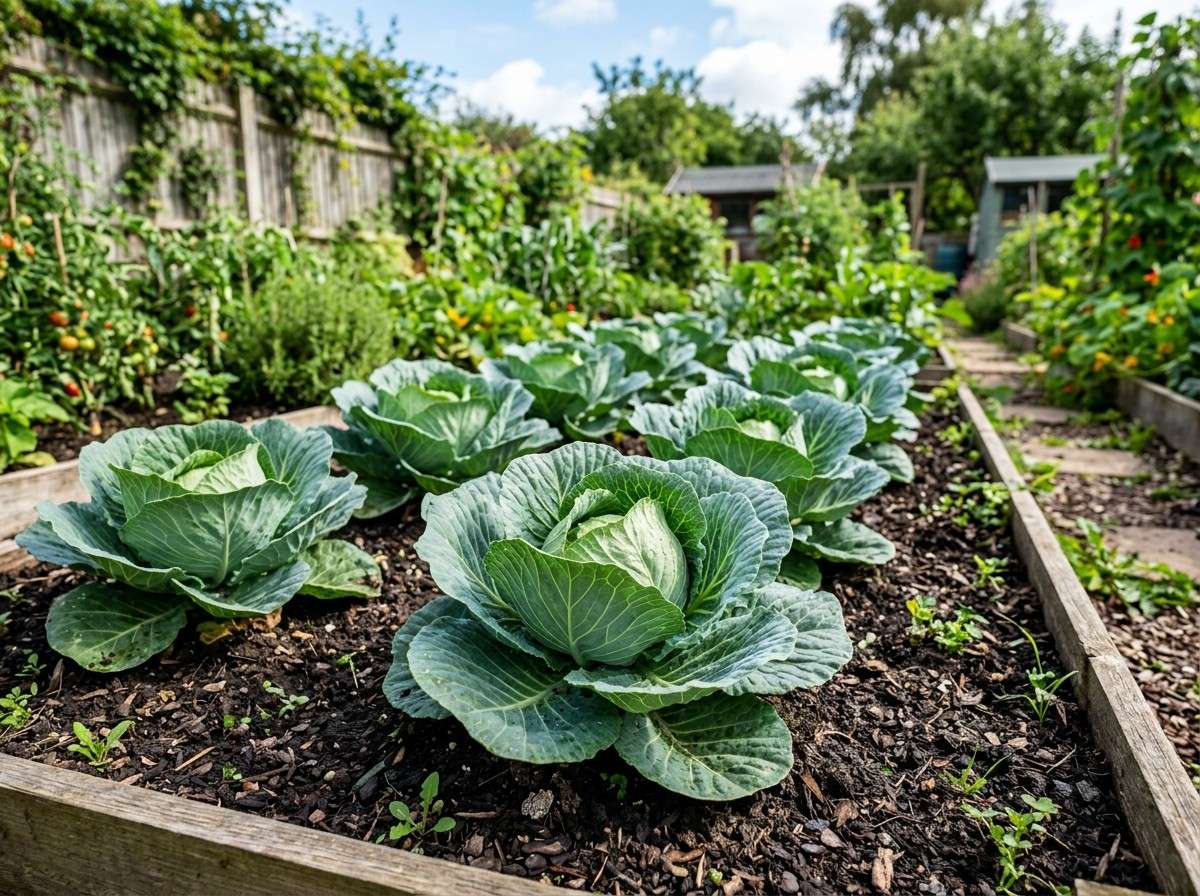
How Far Apart to Plant Cabbage is one of the most important questions gardeners ask to ensure healthy, productive plants. If you're wondering how far apart to plant cabbage, proper spacing gives each plant enough room to develop strong roots, receive adequate sunlight, and maintain good airflow.
The right distance also helps reduce disease problems and encourages larger, healthier cabbage heads. This guide explains the ideal cabbage spacing for a successful and abundant harvest.
Planting too close can stunt growth and invite disease, while spacing them too far wastes precious garden space. You’ll discover the perfect distance to give your cabbage the room it needs to thrive. Keep reading, and you’ll learn simple tips that will help you get the biggest, best heads of cabbage every time.
Choosing the right cabbage variety helps a lot in planning your garden space. Different cabbages have different sizes and shapes. Picking the right type saves space and improves growth. It also affects how far apart you should plant each cabbage.
Cabbage comes in many types. Green cabbage is common and round. Red cabbage has a deep color and is also round. Savoy cabbage has wrinkled leaves and a looser head. Napa cabbage looks like a big, long lettuce. Each type grows differently. This changes how much room each plant needs.
Some cabbages grow very large. These need more space between plants. Smaller types can be planted closer. Round cabbages often need more room than Napa types. Savoy cabbages are medium-sized and need moderate space. Knowing the growth habit helps you plan the space well. Planting with the right gap helps air flow. It also reduces disease risk and helps heads form better.
Planting cabbage with the right space is very important. It helps each plant grow strong and healthy. Too close, and they fight for nutrients and sunlight. Too far, and you waste garden space. The ideal spacing lets air move well around the plants. This reduces disease and helps the cabbage heads form fully. Below are guidelines for spacing cabbage plants to get the best results.
For most cabbage types, space plants 12 to 24 inches apart. Keep rows about 24 to 36 inches away from each other. This gives each plant enough room to spread leaves and develop heads. Smaller cabbages need less space, about 12 to 18 inches. Larger cabbages should have 18 to 24 inches between them. Follow these distances to avoid crowding and ensure good growth.
Different cabbage types need different spacing. Green and red cabbages usually do well with 12 to 18 inches apart. Savoy cabbage, with its curly leaves, can use 18 to 24 inches. Chinese cabbage grows taller and may need 24 inches or more between plants. Check the seed packet for specific spacing advice. Adjust space based on the type to give each plant room to grow.
Fertile soil can support closer planting. Rich soil has more nutrients for dense planting. In poor soil, give plants more space. This reduces competition for food and water. Adding compost or fertilizer improves soil and lets plants grow closer. Always watch your plants. If they look crowded or weak, increase the space next time.
Row spacing is a key part of growing healthy cabbage. Proper spacing helps plants get enough air and sunlight. It also makes it easier to care for the garden. Understanding the right distance between rows can improve cabbage growth and yield.
Careful planning of row spacing saves space and reduces plant stress. It helps keep soil healthy and makes harvesting simpler. Let’s explore the best distances and benefits of proper row spacing.
The best distance between cabbage rows is 18 to 24 inches. This range gives plants enough room to spread leaves wide. It allows air to flow freely, which helps prevent diseases. Too close, and plants compete for light and nutrients. Too far, and you waste garden space.
Good row spacing reduces risks of pests and fungal problems. It improves air circulation, keeping leaves dry and healthy. Plants grow stronger roots with enough space for soil nutrients. Proper spacing also makes watering and weeding easier. Overall, it leads to bigger, better cabbage heads.
Planting cabbage with the right techniques helps plants grow strong and healthy. Proper spacing, soil care, and planting depth all affect the cabbage’s success. These steps help roots spread well and leaves get enough air and light. Follow the simple tips below for better growth and a good harvest.
Choose soil rich in organic matter. Mix compost or aged manure into the soil before planting. This improves soil texture and provides nutrients. Make sure the soil drains well to stop water from pooling. Loosen the soil to a depth of 12 inches. This helps roots grow deep and strong. Test the soil pH and keep it between 6.0 and 7.5 for cabbage. Balanced soil supports healthy plants.
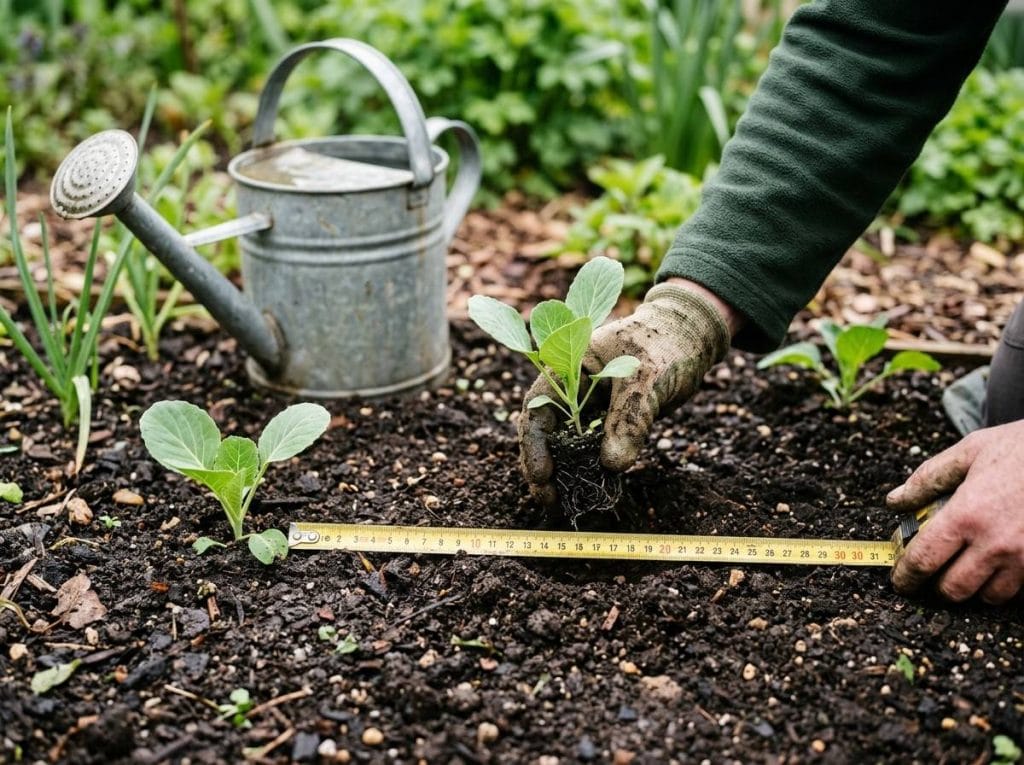
Plant cabbage seedlings about 1 inch deep in the soil. Cover the roots gently but firmly. Avoid planting too deep; this can slow growth. Space cabbage plants 12 to 18 inches apart. Give each plant enough room to spread its leaves. Place plants in rows about 24 inches apart. This allows air to flow and reduces disease risk. Position cabbage in a spot with full sun. Sunlight helps leaves grow firm and crisp.
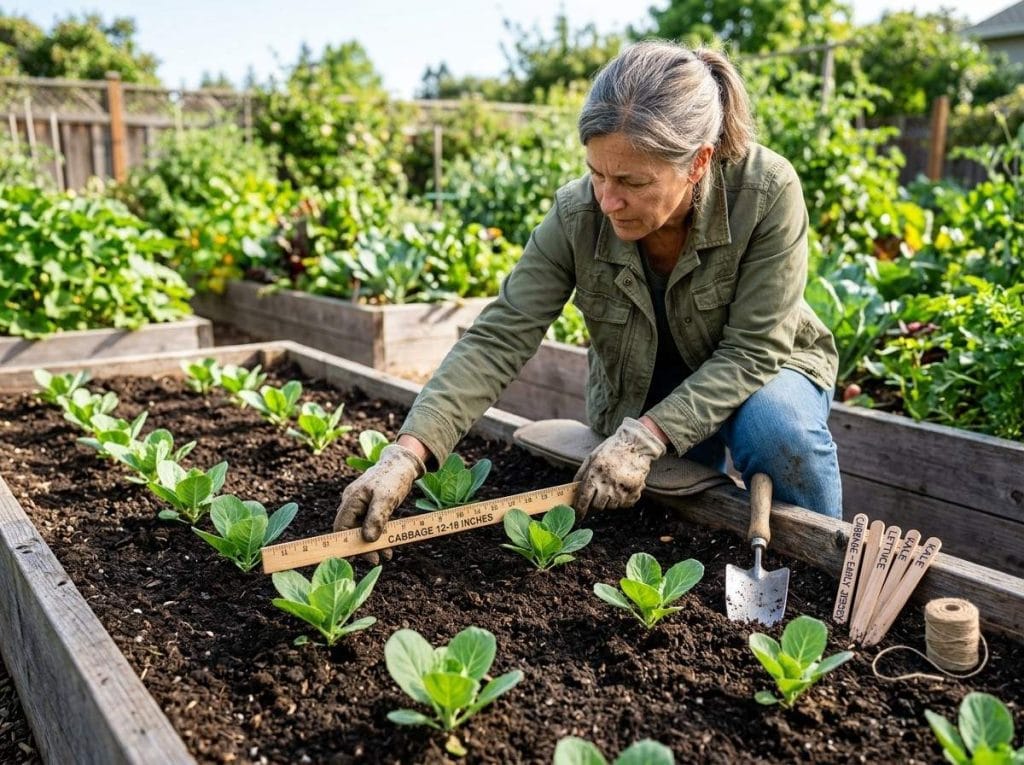
Managing crowding and competition is important for healthy cabbage growth. Plants need enough space for roots and leaves. Proper spacing helps avoid problems like poor air flow and weak heads. It also reduces disease risk and improves yield.
Overcrowding causes plants to compete for water and nutrients. This stress weakens cabbages and slows growth. Leaves may turn yellow or wilt. Crowded plants produce smaller heads with less flavor. Air circulation drops, raising disease chances. Pests find it easier to spread. Overcrowded cabbages often fail to reach full size.
Thinning means removing weaker plants to give others room. Start thinning when seedlings grow a few inches tall. Pull out crowded or unhealthy plants carefully. Transplanting helps move seedlings to spaced spots. Do this gently to avoid root damage. Use a small shovel or your hands. Space plants about 12 to 18 inches apart. Thinning and transplanting improve air flow and light access. Healthy cabbages grow bigger and stronger this way.
Spacing cabbage plants depends a lot on the environment. Different conditions change how much space each plant needs to grow well. Understanding these factors helps gardeners decide the right distance to plant cabbage.
Cabbage grows best in cool weather. Warm climates may need wider spacing. This helps plants avoid heat stress. Cooler climates allow plants to be closer together. Rainfall also affects spacing. More rain means plants need more room to avoid disease. Dry areas might allow tighter planting. Windy areas require extra space to prevent damage.
Cabbage needs plenty of sunlight for healthy growth. Proper spacing ensures each plant gets enough light. Crowded plants block sunlight and slow growth. Good air flow reduces moisture on leaves. This lowers the risk of mold and fungus. Plants spaced too close trap humidity. Proper air circulation keeps plants dry and strong.
Proper spacing plays a key role in growing healthy cabbage plants. It helps plants get enough sunlight, air, and nutrients. This leads to bigger heads and less disease. Knowing how far apart to plant cabbage can boost your garden's yield.
Planting cabbages too close reduces air flow. This makes plants weak and prone to disease. Too much space wastes garden room and lowers total harvest. The right distance keeps plants strong and productive.
For most cabbage varieties, space plants 12 to 24 inches apart. Rows should be 24 to 36 inches apart. This balance helps each plant grow fully while fitting many in a small area.
Planting cabbages too close causes small heads and poor growth. Crowded plants compete for water and nutrients. This leads to weak, unhealthy crops.
Giving too much space wastes garden space and lowers your total yield. It also makes weeds easier to grow between plants. Proper spacing stops these common errors.
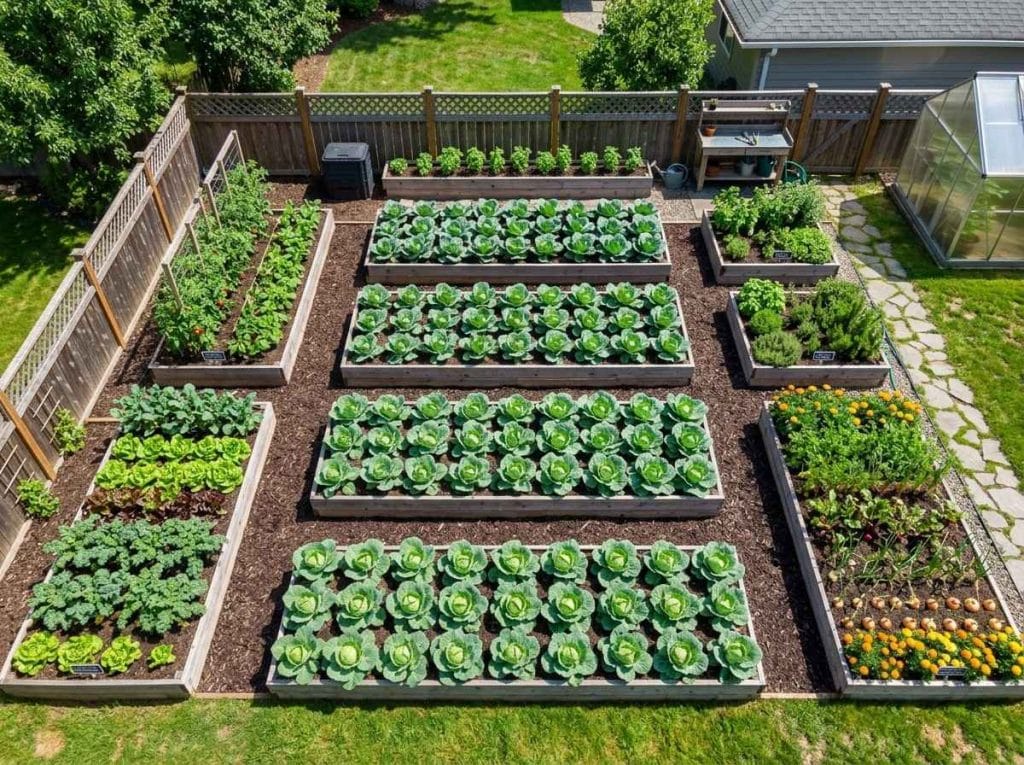
Space cabbage plants 12 to 24 inches apart to allow room for growth and airflow.
Keep cabbage rows 24 to 36 inches apart for easy access and healthy plants.
Yes, close planting limits air and space, causing smaller heads and disease risk.
Cabbage heads need about 12 to 24 inches of space to fully develop.
Proper spacing improves cabbage size, quality, and reduces pest and disease problems.
Planting cabbage with the right space helps them grow big and healthy. Too close, and they may not get enough air or nutrients. Too far, and you lose garden space. Aim for about 12 to 24 inches apart, depending on the cabbage type.
This spacing lets each plant get sunlight and room to spread. Healthy plants mean better cabbage for your table. Remember, good spacing is a simple step for a strong garden. Happy planting!