Gardening Made Simple.

Are you ready to enjoy the fresh, crunchy taste of your own cabbage? Knowing when and how to harvest cabbage can make all the difference in getting the best flavor and texture.
If you pick it too early or too late, you might miss out on the full benefits of your hard work. In this guide, you’ll discover simple steps to harvest your cabbage perfectly every time. By the end, you’ll feel confident and excited to bring that garden-fresh cabbage straight to your kitchen table.
Keep reading to learn how to make the most of your cabbage harvest!
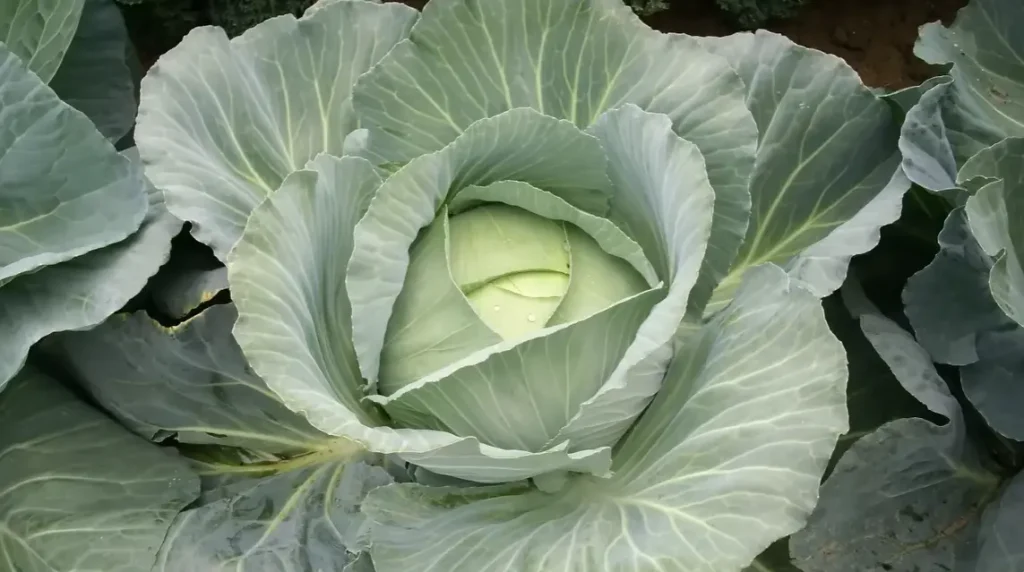
Choosing the right time to harvest cabbage is key to getting the best taste and texture. Picking too early means small, underdeveloped heads. Waiting too long can lead to tough, bitter cabbage. Watch your plants closely to know the perfect moment.
Cabbage heads become firm and dense when mature. Press the head gently; it should feel solid. Leaves around the head tighten up and look full. The size depends on the cabbage type, but usually, heads grow 4 to 10 inches wide. Watch for a slight shine on the leaves, a sign of readiness.
Cabbage grows best in cool weather. Harvest timing changes with seasons. In spring, heads mature faster because of warmer days. Fall cabbage takes longer and grows slowly in cooler weather. Avoid harvesting after heavy frost, which can damage the leaves. Plan your harvest before the first hard freeze arrives.
Harvesting cabbage is easier with the right tools. They help you cut the cabbage cleanly and protect the heads from damage. Using the proper tools also makes the process faster and safer. Prepare your tools before heading to the garden.
A sharp knife is the most important tool for harvesting cabbage. Use a garden knife or a large kitchen knife to cut the cabbage at the base. A pair of pruning shears works well for smaller cabbages or tight spaces. A sturdy basket or crate is useful to carry the harvested cabbages without bruising them. Keep your tools clean to avoid spreading plant diseases.
Wear gardening gloves to protect your hands from sharp knives and rough leaves. Gloves also keep your hands clean and reduce the risk of cuts. Long sleeves and pants protect your arms and legs from scratches and insects. Closed-toe shoes prevent foot injuries while walking in the garden. Safety gear keeps you comfortable and injury-free during harvesting.
Harvesting cabbage requires careful techniques to keep the heads fresh and crisp. Proper methods prevent damage and extend shelf life. These techniques ensure you get the best quality cabbage from your garden.
Use a sharp knife to cut the cabbage head at its base. Cut close to the ground but avoid cutting the roots. Hold the head firmly to keep it steady. Make a clean, straight cut to prevent bruising. Remove any loose or damaged leaves as you cut. Handle the heads gently to avoid crushing them.
Remove outer leaves only if they are wilted or dirty. Keep the fresh leaves intact to protect the head. Handle leaves carefully to avoid tearing them. Store cabbage with leaves on for better freshness. Use clean hands or gloves to prevent contamination. Proper leaf handling helps keep cabbage crisp and tasty.
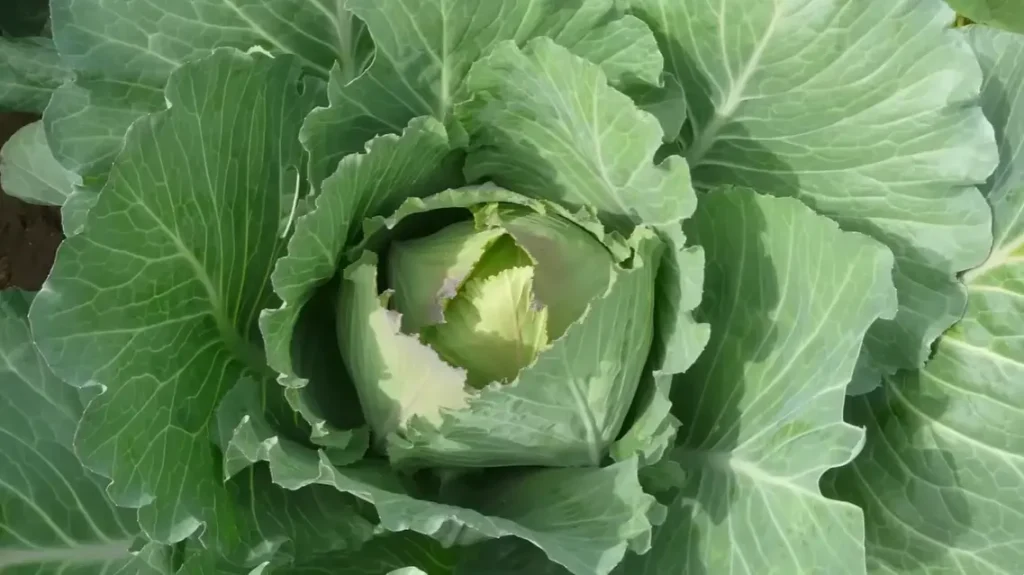
After harvesting cabbage, proper care keeps it fresh and tasty. Post-harvest care prevents spoilage and extends storage life. It involves cleaning, trimming, and storing correctly. These steps help maintain the cabbage’s quality and nutrition.
Remove loose dirt and outer leaves gently. Use cool water to rinse the cabbage heads. Do not soak them; moisture causes rot. Trim damaged or yellow leaves carefully. Keep the core intact to protect the head. Dry the cabbage with a clean cloth or air dry. Clean cabbage looks better and lasts longer.
Store cabbage in a cool, dark place. Ideal temperature is between 32°F and 40°F (0°C to 4°C). Use perforated plastic bags or wrap in damp cloth to keep moisture. Avoid washing cabbage before storage to prevent mold. Keep cabbage away from fruits like apples and bananas. These release gases that cause cabbage to spoil. Check stored cabbage regularly and remove any spoiled leaves. Proper storage keeps cabbage crisp for several weeks.
Harvesting cabbage requires care to get the best results. Many growers make mistakes that reduce the crop’s quality. Avoiding these errors helps to enjoy fresh, crisp cabbage with great flavor. Here are common mistakes to watch out for during harvest.
Picking cabbage before it is fully grown leads to small heads. Early harvest means less flavor and poor texture. Wait until the head feels firm and solid. A soft or loose head shows the cabbage is not ready. Patience ensures a better yield and taste.
Cutting cabbage carelessly can hurt the plant and reduce future growth. Use a sharp knife to make clean cuts at the base. Avoid pulling or twisting the cabbage heads. Rough handling causes bruises and shortens storage life. Handle each head gently for best results.
Extending your cabbage harvest means more fresh vegetables for a longer time. This helps you enjoy homegrown cabbage through different seasons. You can plan your garden to keep harvesting without a long wait between crops.
Succession planting means growing cabbage in stages. Plant seeds or seedlings every few weeks. This way, new cabbages mature while you pick older ones. It keeps your garden busy and productive. You avoid having all cabbage ready at once. This method gives steady supply and reduces waste.
Pests can spoil your cabbage and shorten the harvest. Check leaves often for holes or bugs. Use natural ways to keep pests away. For example, plant herbs like mint or rosemary nearby. You can also hand-pick insects from plants. Cover young cabbages with garden netting to stop bugs. Healthy plants resist pests better and grow longer.
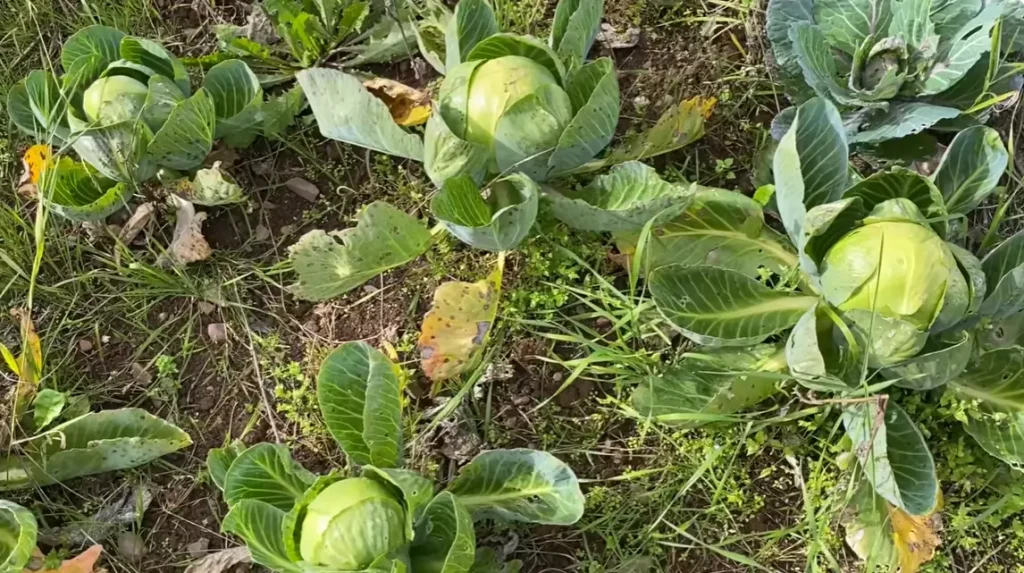
Cabbage is ready when heads feel firm and solid to touch. Usually 70-100 days after planting.
Early morning is best. Cooler temperatures keep cabbage fresh longer after picking.
Use a sharp knife to cut the head at its base, near the soil.
Yes, pick outer leaves carefully. This lets the head keep growing and stay fresh.
Keep cabbage in a cool, moist place like a refrigerator. Use within 2 weeks.
Harvesting cabbage is simple with the right timing and care. Watch for firm heads and green leaves. Cut the cabbage carefully at the base. Store it in a cool, dry place to keep it fresh. Regular checking helps you pick the best heads.
Growing and harvesting your own cabbage brings fresh flavor to your meals. Keep practicing these steps for a good harvest each season. Enjoy the fruits of your labor in your kitchen!