Gardening Made Simple.
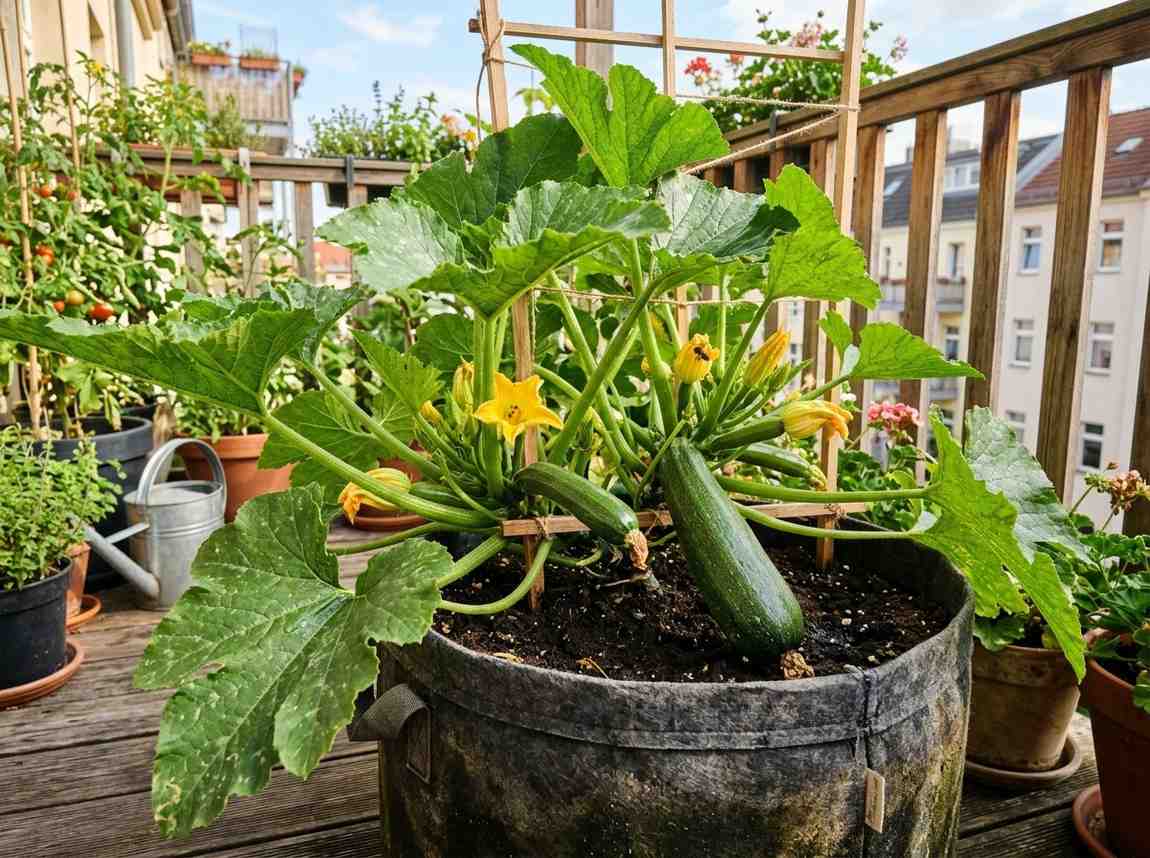
Planting Squash in Containers is a smart way to enjoy fresh, homegrown vegetables even if you don’t have a large backyard. With the right approach, you can harvest healthy squash on balconies, patios, or in small garden spaces.
Container gardening gives you greater control over soil, water, and sunlight, making it easier to manage plants and reduce common pest problems.
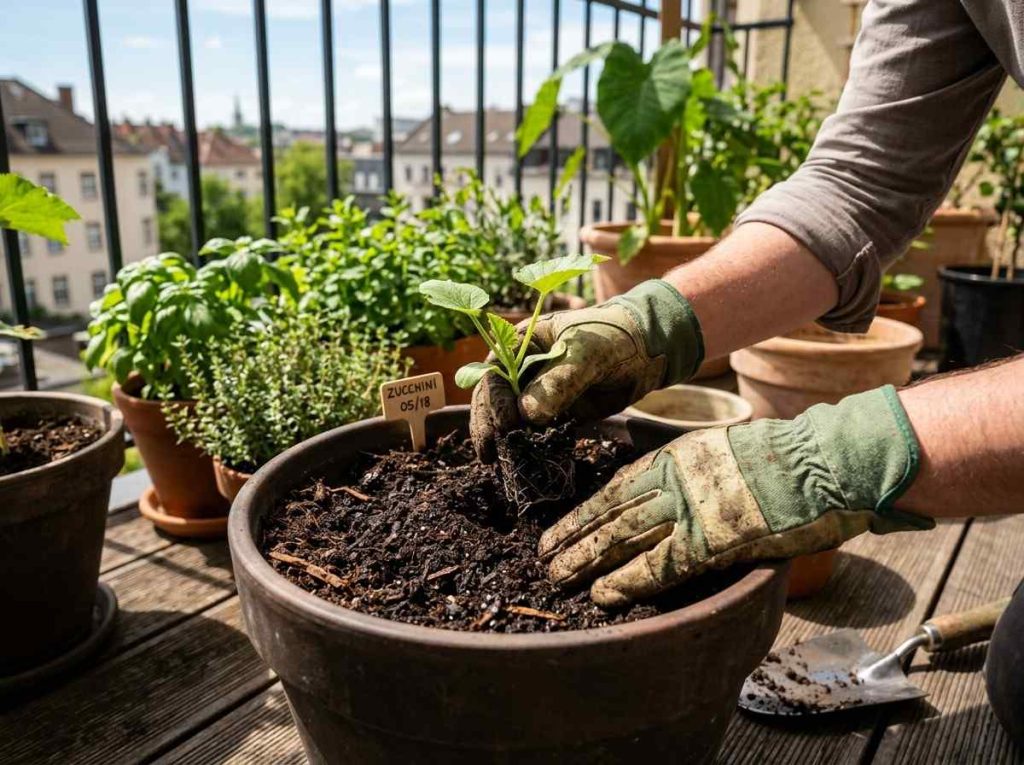
But squash is a vigorous plant that needs space, nutrients, and care to thrive in pots. Let’s explore how you can successfully plant squash in containers and enjoy a productive harvest, even in limited spaces.
Squash comes in many shapes, sizes, and flavors. But not all varieties grow well in containers. The key is to select compact or bush-type squash that don’t sprawl too much.
Avoid vining types like ‘Butternut’ and ‘Spaghetti’ unless you’re ready to use very large containers and vertical supports.
Look for seeds labeled “container” or “patio” varieties. Bush squash will stay more compact, making them easier to manage. If you’re unsure, check the seed packet for growth habits.
Many beginners overlook the importance of variety. Choosing the wrong type can lead to overcrowding, poor fruiting, or disease.
Squash plants need room for their roots and stems. The size and material of your container will affect growth and harvest.
A single squash plant needs at least:
If you want to grow more than one plant, use a larger pot or multiple containers.
Here’s a comparison of common container materials:
| Material | Pros | Cons |
|---|---|---|
| Plastic | Lightweight, cheap, retains moisture | Can crack in sun, less breathable |
| Ceramic | Decorative, stable, insulates roots | Heavy, can break, dries out faster |
| Fabric grow bags | Portable, root air-pruning, drains well | May lose shape, dries faster |
| Wood | Natural look, keeps roots cool | Can rot, heavier, needs lining |
Every container must have drainage holes at the bottom. Squash roots rot easily in waterlogged soil. Place pots on bricks or saucers to improve air flow.
Plastic pots are usually best for beginners—they’re light, affordable, and easy to move. If you’re worried about heat, choose lighter colors.
Squash needs rich, loose soil with good drainage. Regular garden soil is too dense for containers.
Mix well before filling the container.
Many people fill containers with dirt from the yard. This can lead to poor drainage, pests, and diseases.
Adding a handful of slow-release organic fertilizer (like 5-5-5 NPK) to the mix can boost squash growth in pots.
You can start squash from seeds or transplant young plants.
Seeds germinate in 7–10 days at 70–85°F. Thin to the strongest seedling once true leaves appear.
If you buy seedlings:
Each container should host only one squash plant for best results. Overcrowding leads to poor air flow and disease.
Squash needs full sun—at least 6–8 hours daily.
Squash is sensitive to cold. Plant when night temperatures stay above 55°F. Frost can kill young plants, so wait until after the last frost date.
On a balcony, rotate containers so each side gets sun during the day. Avoid placing pots under overhangs or trees.
Water management is key for healthy squash.
| Weather | Frequency | Amount |
|---|---|---|
| Cool & cloudy | Every 3–4 days | 1–2 quarts |
| Warm & sunny | Every 1–2 days | 2–3 quarts |
| Heatwave | Daily | 3–5 quarts |
Use a moisture meter or stick your finger in the soil. If it’s dry 1 inch down, it’s time to water.
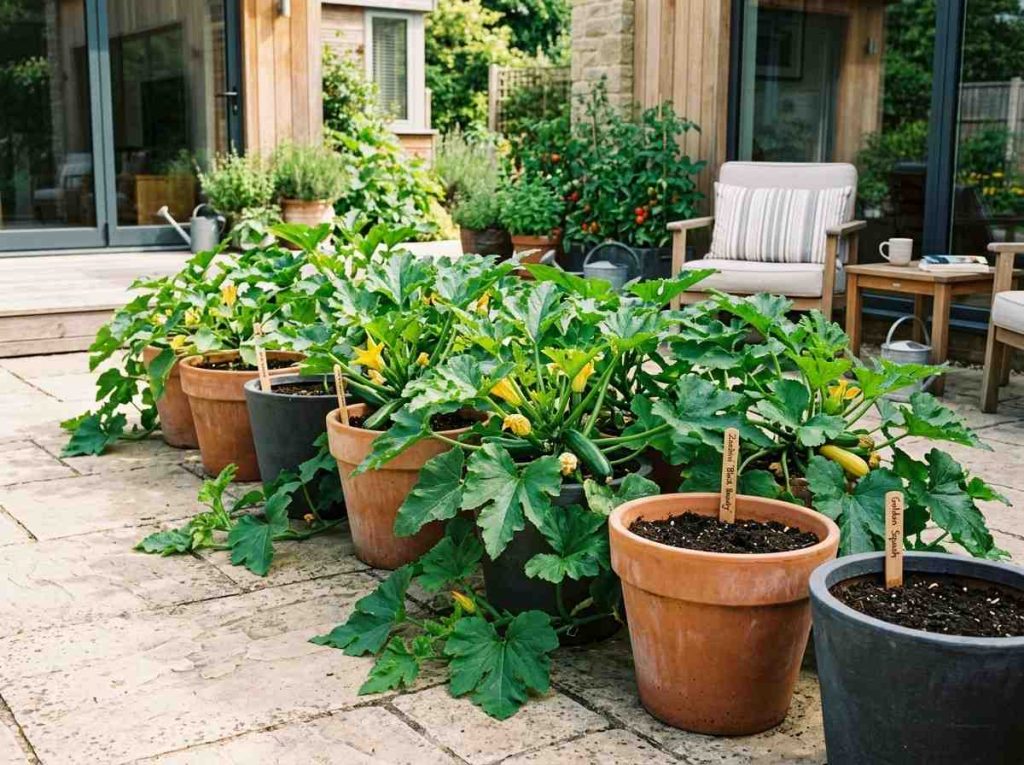
Squash is a hungry plant. Container soil loses nutrients quickly.
Dilute fertilizer according to package instructions. Water around the base—avoid leaves to prevent burning.
Over-fertilizing can burn roots and stunt growth. Follow the recommended dosage.
Organic fertilizers, like worm tea or compost extract, can improve soil health and boost squash flavor.
Some squash varieties need support, especially if fruits are heavy.
Insert support when planting. Tie stems loosely with soft ties. As fruits grow, use slings (cloth strips) for heavy squash.
A tomato cage helps a bush zucchini stay upright, keeping fruits clean and easy to harvest.
Squash flowers are either male or female. Bees and insects usually pollinate them outdoors. But in containers, pollination can be a challenge.
If pollinators are scarce:
Hand pollination increases fruit set and reduces misshapen squash.
Squash attracts pests and diseases, especially in containers.
Container-grown squash is less likely to get root rot if you use well-draining soil and pots with drainage holes.
Harvesting at the right time gives the best flavor and texture.
Pick squash every 2–3 days for continuous production.
Use scissors or pruners. Cut fruit with a short stem attached. Avoid twisting to prevent damage.
The more you pick, the more the plant produces. Don’t let fruits overgrow—they become tough and lose flavor.
Even with care, squash can face challenges. Here are some frequent issues and solutions.
Squash plants can be very productive in containers if cared for properly.
Yield depends on variety, care, and weather.
A single bush zucchini in a 16-inch pot can provide fresh squash for salads and grilling all summer.
Squash needs attention throughout the growing season.
Squash is an annual. After harvest, compost plants and wash containers with bleach solution to prevent disease.
Growing squash in containers has unique benefits.
Urban gardeners report up to 30% higher squash yield in containers compared to poor garden soil, thanks to better control.
Container squash is rewarding, but not without challenges.
Choose large containers and monitor soil moisture daily. Use mulch to reduce evaporation.
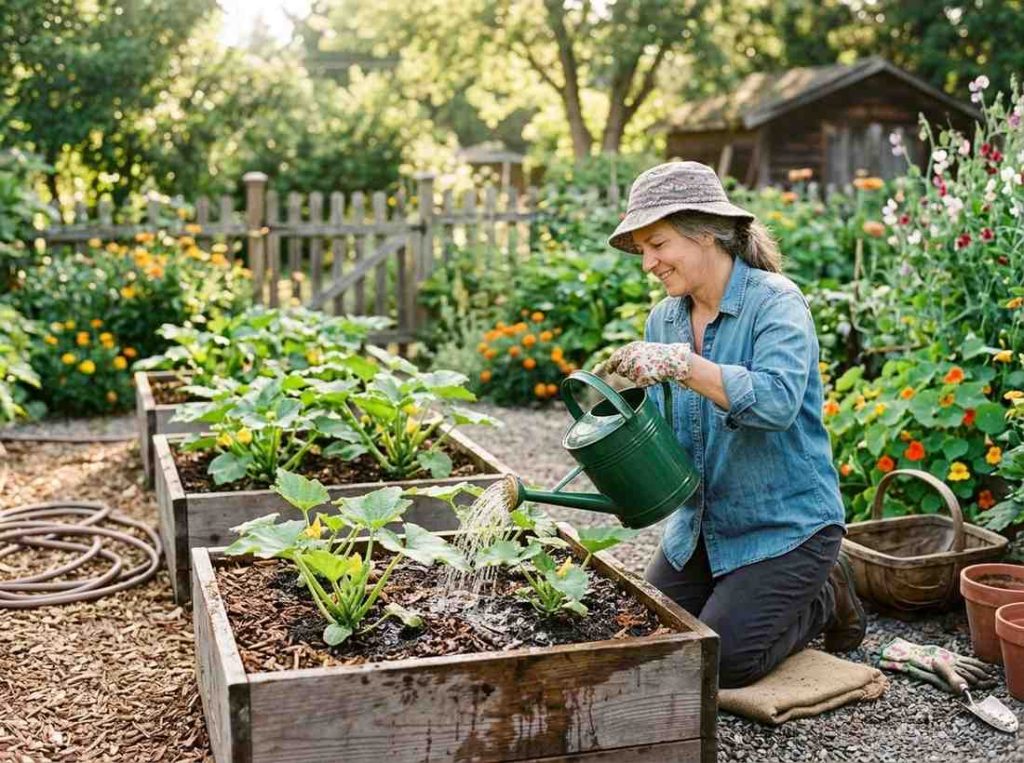
Eco-friendly gardening is possible, even in containers.
Planting squash in biodegradable fabric grow bags cuts plastic use and improves root health.
Many gardeners have achieved impressive results with container squash.
Mixing squash with companion plants (like nasturtium or marigold) in containers can deter pests and boost yield.
You can, but squash needs strong light. Use grow lights or place pots near a sunny window. Indoor squash may need hand pollination.
For best results, plant one squash per container. Crowding reduces airflow and increases disease risk.
Plant after the last frost and when night temperatures stay above 55°F. In most US regions, this is late spring to early summer.
Containers make it easier to control pests, but squash can still attract aphids, squash bugs, and cucumber beetles. Monitor plants regularly.
You can harvest zucchini and yellow squash 45–55 days after planting seeds. Winter squash takes longer, 80–100 days.
Growing squash in containers is a practical solution for gardeners with limited space. By picking the right variety, using large pots, and providing rich soil, you can enjoy fresh squash all season. Regular care—including watering, feeding, and monitoring for pests—makes the process easier and more rewarding. Container gardening also offers flexibility and control, helping you overcome common garden challenges. If you’re ready for a productive harvest, try planting squash in containers this season—you may be surprised by how much you can grow in just a few pots. For more expert gardening advice, visit The Old Farmer's Almanac.