Gardening Made Simple.
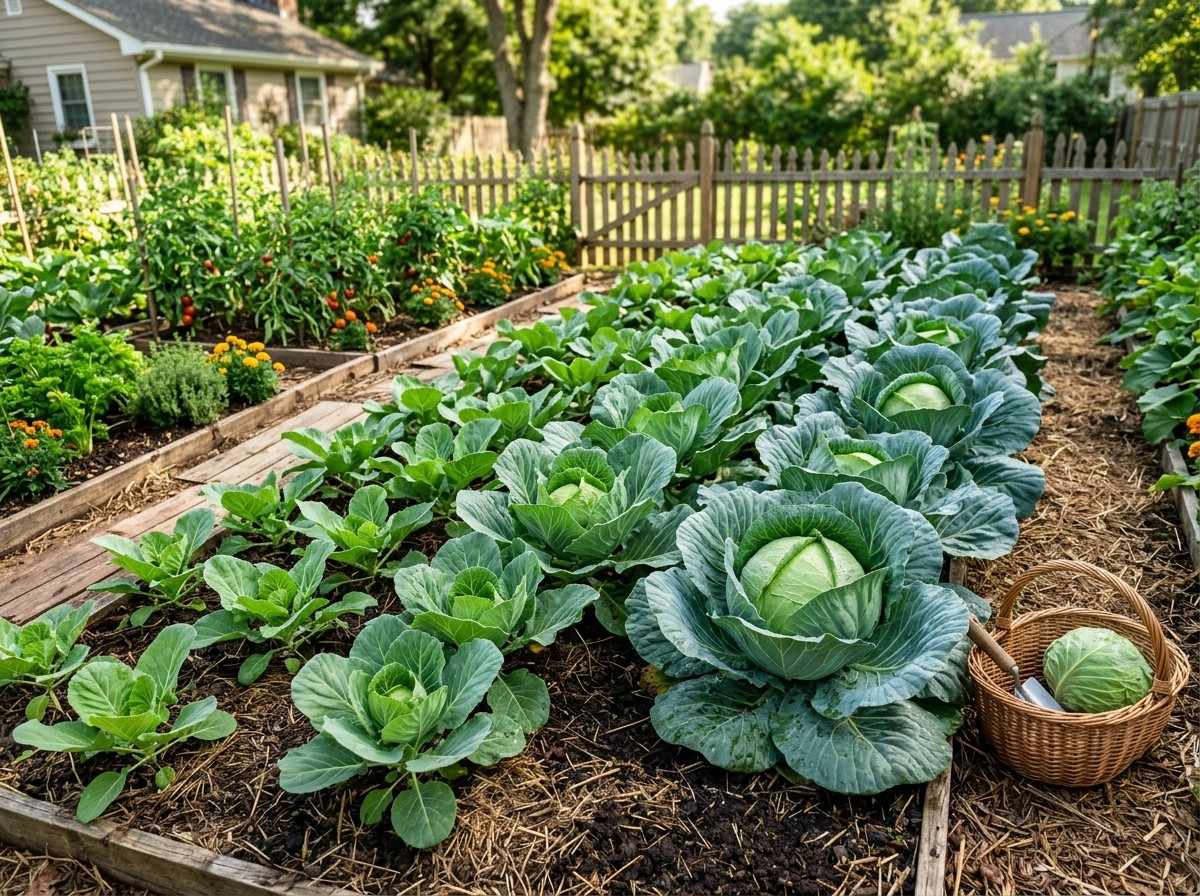
Are you growing cabbage and wondering exactly when to harvest it? Picking your cabbage at the right time makes all the difference between a crisp, tasty head and a tough, bitter one.
You want to enjoy the freshest, most flavorful cabbage possible, but how do you know when it’s ready? You’ll discover simple signs and tips to help you harvest your cabbage perfectly every time. Keep reading, and you’ll never miss the ideal moment to bring your homegrown cabbage from garden to table.

Knowing when to harvest cabbage is key to enjoying fresh, tasty heads. The right time depends on clear signs from the plant. Watch the firmness, size, and color of the cabbage. These clues show if the cabbage is ready to pick. Understanding these signs helps avoid harvesting too early or too late. Let’s explore what to check before harvesting your cabbage.
Check the cabbage head by gently squeezing it. A ready cabbage feels firm and solid. Soft or loose heads need more time to grow. A hard head means the leaves are packed tight. This firmness shows the cabbage is mature and juicy inside. Avoid harvesting if the head still feels spongy.
Cabbage size varies by type, but size matters. Most heads reach about 4 to 10 inches in diameter. Small heads might not taste as good or last long. Large heads may become tough or split open. Use the average size for your cabbage variety as a guide. Pick when the size looks full and balanced.
Leaves change color as cabbage matures. Look for a deep green or bluish-green shade. Pale or yellowing leaves can mean the cabbage is old or stressed. Healthy cabbage leaves shine with a firm texture. Color signals the plant’s health and readiness. Bright, rich color means it is time to harvest.
Harvesting cabbage at the right time is key to great taste and texture. Picking too early or too late can affect the quality. Knowing when your cabbage is ready helps you enjoy fresh and crunchy heads.
Watch your cabbage heads closely as they grow. The perfect harvest time depends on several factors, including how long they take to mature, the season, and the weather conditions.
Cabbage usually takes between 70 and 100 days to mature. This depends on the variety you plant. Early varieties grow faster, while late ones take more time. Check seed packets for exact days to maturity. Counting days from planting helps plan your harvest.
Harvest time changes with the season. Spring and fall cabbages mature quicker in cooler weather. Summer heat can slow growth and affect flavor. Choose the right planting time for your climate. Cooler seasons often produce better cabbage heads.
Weather plays a big role in harvest timing. Hot, dry weather can cause cabbages to split or become bitter. Too much rain may lead to soft heads and rot. Watch the weather closely as harvest time nears. Picking just before bad weather helps preserve quality.

Harvesting cabbage requires the right tools to protect the vegetable and ease the process. Good tools help cut the cabbage cleanly and avoid damage. They also make harvesting faster and safer for you. Here are some key tools and techniques for harvesting cabbage.
Select a sharp knife with a strong blade. A sharp blade cuts through the cabbage stem easily. Choose a knife with a comfortable handle to reduce hand strain. A serrated knife works well, but a straight-edged knife is fine too. Avoid using dull knives because they can crush the cabbage. Keep the knife clean to stop spreading disease between plants.
Hold the cabbage head firmly but gently. Cut the stem close to the base for a clean harvest. Avoid pulling the cabbage from the ground by hand. Use both hands to support the cabbage head during cutting. Handle the cabbage carefully to prevent bruising. Place the harvested cabbage in a basket or container with soft lining. This keeps the cabbage fresh and intact until you store or use it.
Harvesting cabbage requires gentle care to keep the heads fresh and tasty. Different methods suit different garden goals and cabbage types. Knowing how to harvest helps you enjoy your crop longer and maintain plant health.
Cutting at the base means slicing the cabbage head off near the ground. Use a sharp knife to make a clean cut. This method removes the whole head at once. It works well for large, solid cabbages. After cutting, check the head for firmness and color. Store the cabbage in a cool place to keep it fresh longer.
Leaving outer leaves intact helps protect the cabbage head. These leaves act like a natural shield against pests and weather. Cut the head carefully, keeping some outer leaves attached. This method allows the plant to continue growing smaller heads. It suits gardeners who want a longer harvest period. Outer leaves can also be used in cooking or composted for garden health.
Harvesting cabbage is just the start. Proper care after picking helps keep it fresh and tasty. Knowing how to handle cabbage post-harvest can save money and reduce waste. It also ensures the best quality for meals.
Store cabbage in a cool, dark place. The ideal temperature is between 32°F and 40°F. Keep cabbage wrapped in a plastic bag to hold moisture. Avoid washing before storage. Moisture can cause mold and rot.
Place cabbage in the refrigerator’s crisper drawer. This spot controls humidity and keeps it fresh longer. Check cabbage regularly for soft spots or yellow leaves. Remove any damaged outer leaves to protect the rest.
Use cabbage quickly for the best flavor. Fresh cabbage lasts about 1 to 2 weeks in the fridge. For longer storage, try fermenting or pickling. These methods add flavor and extend shelf life.
Keep cabbage heads whole until ready to use. Cutting exposes the inside to air and speeds spoilage. Use a sharp knife to cut only what you need. Wrap leftover pieces tightly in plastic wrap.
Harvesting cabbage at the right time is key for the best taste and texture. Many gardeners make simple mistakes that hurt their crop. Knowing these common errors helps you avoid disappointment. Here are two major mistakes to watch out for during harvest.
Some pick cabbage heads before they are fully firm. Immature heads lack full flavor and crunch. Early picking means smaller, less dense cabbage. The leaves may feel soft or loose. Waiting a few more days improves size and taste. Check the head firmness before harvesting. Firm heads signal readiness.
Leaving cabbage in the ground too long causes problems. Heads can crack or split from growing too big. Overripe cabbage may become tough and bitter. Insects and pests can damage old heads. Once the head feels very hard, harvest soon. Timely picking ensures fresh, sweet cabbage.

Cabbage is ready when the head feels firm and solid when gently squeezed.
Harvest cabbage when heads reach 4 to 10 inches in diameter for best taste.
Yes, early cabbage is soft; late cabbage can split or become bitter.
Most cabbages are ready to harvest 70 to 100 days after planting.
Cut cabbage at the base with a sharp knife to avoid damaging the plant.
Harvest cabbage when heads feel firm and solid. Watch for tight, compact leaves. Avoid waiting too long to prevent splitting. Early harvest means sweeter, crunchier cabbage. Use sharp tools to cut the head cleanly. Store cabbage in a cool, dry place.
Fresh cabbage lasts longer and tastes better. Knowing when to pick helps you enjoy the best flavor. Growing your own cabbage can be simple and rewarding. Keep an eye on your plants each day. Ready to enjoy your fresh cabbage?