Gardening Made Simple.
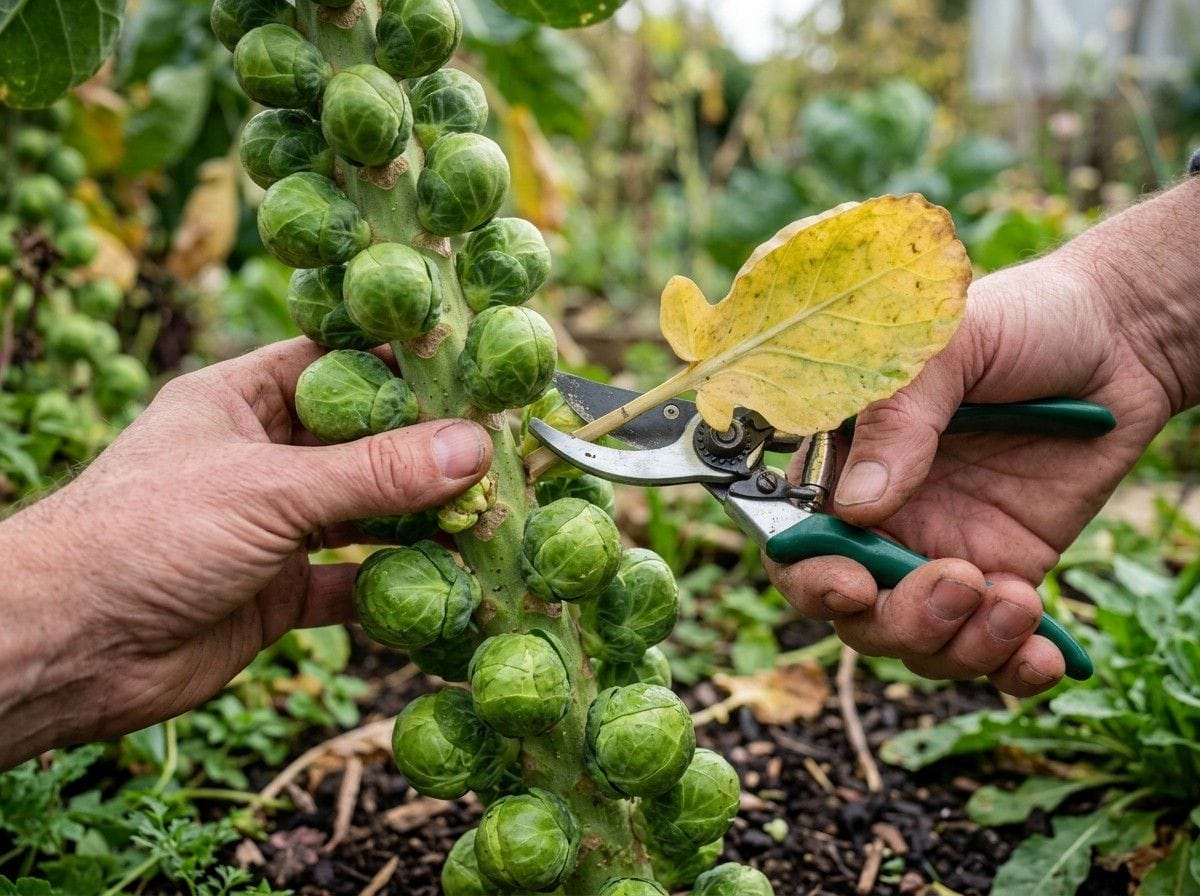
How Do I Trim Brussel Sprouts is a common question for anyone who wants better flavor and texture in their meals. If you're wondering how do I trim Brussel sprouts, the process is quick and easy once you know the right steps.
Proper trimming removes tough ends and damaged outer leaves, helping your Brussels sprouts cook more evenly and taste their best. This guide shows you exactly how to prepare them for roasting, steaming, sautéing, or any favorite recipe.
Knowing the right way to trim Brussels sprouts can change their texture, flavor, and cooking time. If you’ve ever struggled with bitter or tough sprouts, this simple step could be the game-changer you need. Keep reading, and you’ll learn the easy, foolproof method to prepare your Brussels sprouts perfectly every time.
Your next delicious meal is just a trim away!

Choosing fresh Brussels sprouts is important for great taste and texture. Fresh sprouts cook better and taste sweeter. Picking the best ones makes your dish more enjoyable.
Look closely at the sprouts before buying. Freshness shows in color, firmness, and size. These details help you choose the best sprouts for your meal.
Fresh Brussels sprouts have bright green leaves. Avoid sprouts with yellow or brown spots. Leaves should be tight and compact, not loose or wilted. Feel the sprout; it should be firm, not soft or mushy. Fresh sprouts smell clean and earthy, not sour or rotten.
Small to medium sprouts taste sweeter and cook evenly. Large sprouts can be tough and bitter. Choose sprouts about 1 to 2 inches wide. Uniform size helps them cook at the same speed. Avoid very tiny sprouts; they may dry out quickly.
Trimming Brussels sprouts is simple with the right tools. Choosing the correct utensils makes the task faster and safer. This section lists essential tools and helpful gadgets for trimming Brussels sprouts at home.
A sharp knife is key for clean cuts. A paring knife works well because it is small and easy to handle. It lets you remove the stem and outer leaves without wasting the sprout. A chef’s knife also works if you prefer a bigger blade. Make sure the knife feels comfortable in your hand. Keep it sharp to avoid slipping and damaging the sprouts.
Some gadgets can speed up trimming but are not necessary. A vegetable peeler helps remove tough outer leaves quickly. Kitchen scissors can trim stems easily and control the cut better. A small cutting board provides a stable surface for safety. These tools save time but a good knife remains the best choice for precision.
Preparing Brussels sprouts for trimming starts with a clean and organized setup. Clean sprouts cook better and taste fresher. A tidy workspace helps you trim quickly and safely. Follow these steps to get ready.
Rinse Brussels sprouts under cold water. This removes dirt and bugs. Gently shake off excess water. Use a clean kitchen towel or paper towels. Pat the sprouts dry carefully. Wet sprouts are harder to trim and can slip.
Choose a flat surface, like a cutting board. Make sure the area is well-lit. Arrange your tools: a sharp knife and bowl for scraps. Keep a trash bin nearby. This keeps your space neat and saves time.
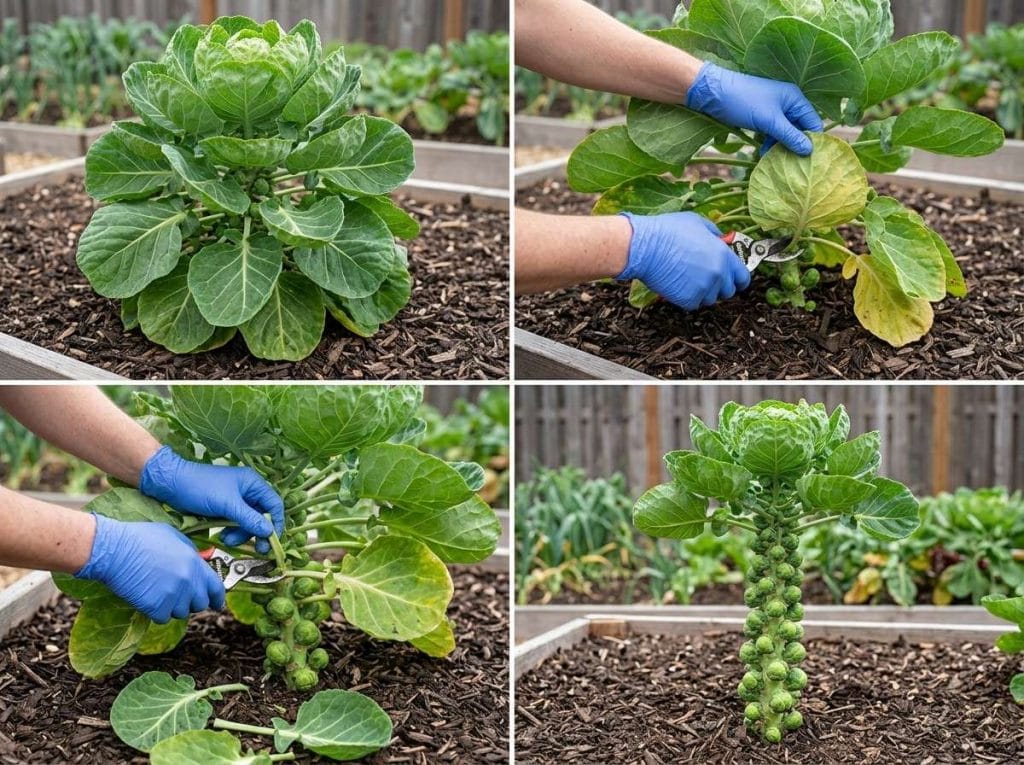
Trimming Brussels sprouts is simple and fast. Proper trimming helps cooks prepare them better for cooking. Clean, trimmed sprouts cook evenly and taste fresher. Follow this step-by-step guide to trim Brussels sprouts easily.
Start by cutting off the tough stem at the bottom. Use a sharp knife to slice about half an inch. Avoid cutting too much to keep the sprout intact. Removing the stem stops the sprouts from tasting bitter.
Next, peel away the loose, yellow, or damaged outer leaves. These leaves can be dry or dirty. Pull them off gently with your fingers. Removing these leaves improves the sprout’s texture and look.
Cut the sprouts in half for quicker cooking and better flavor. Use a sharp knife to slice them from top to bottom. For larger sprouts, cut them into quarters. Smaller pieces cook faster and absorb seasoning well.
Trimming Brussels sprouts can be quick and simple with the right tips. Efficient trimming saves time and keeps the sprouts fresh. Small changes in how you trim can make a big difference in your cooking prep.
Focus on clean cuts and removing only the parts you don’t need. This keeps the sprouts firm and ready to cook. Using the right technique helps keep waste low and your kitchen tidy.
Trim Brussels sprouts in batches to speed up the process. Lay them out on a cutting board and cut the stem ends all at once. Then peel off loose outer leaves in one go. This method reduces constant switching between tasks.
Using a sharp knife helps make smooth cuts. It also prevents bruising the sprouts. Batch processing keeps your workflow steady and makes trimming less tiring.
Cut just enough of the stem to remove the tough part. Avoid cutting too deep into the sprout. Remove only damaged or yellow leaves to keep most of the vegetable. Save the trimmed leaves for stock or compost.
Check each sprout carefully before trimming. This reduces food waste and keeps your meal fresh. Smart trimming ensures you use the Brussels sprouts fully and wisely.
Storing trimmed Brussels sprouts properly keeps them fresh and tasty. Freshness matters for good flavor and texture. Store them right after trimming to keep quality.
Place trimmed Brussels sprouts in a plastic bag. Remove as much air as possible before sealing. Store the bag in the refrigerator’s crisper drawer. Keep them cool and dry to last up to 3 days. Check for any soft spots or mold before use.
Blanch trimmed sprouts by boiling for 3 minutes. Then, quickly cool them in ice water. Drain and dry completely to avoid ice crystals. Spread sprouts on a baking sheet to freeze individually. Once frozen, transfer to a freezer bag or container. Label with the date. Frozen Brussels sprouts last up to 12 months.
Trimming Brussels sprouts is simple but easy to mess up. Avoiding common mistakes helps keep sprouts fresh and tasty. These errors can waste parts or cause uneven cooking.
Only trim the very end of the stem. Cutting too far removes leaves and makes sprouts fall apart. Leave the stem firm to hold the leaves tight.
Always peel off yellow or wilted leaves. They taste bitter and spoil the dish’s look. Fresh green leaves cook better and taste good.
A dull knife crushes the sprouts instead of cutting cleanly. This causes bruises and bad texture. Use a sharp knife for smooth, even cuts.
Big sprouts need more trimming than small ones. Cut away loose outer leaves and trim stems more on large sprouts. This makes cooking even and fast.
Always wash sprouts after trimming. Dirt and bugs hide in tight leaves. Clean sprouts taste better and stay fresh longer.

Cut off the tough stem end to remove the hard part and make sprouts cook evenly.
Yes, peel off any yellow or damaged outer leaves to improve taste and texture.
Trim about 1/4 inch from the stem to keep the sprout intact and fresh.
Yes, slicing them in half helps them cook faster and get a nice crispy edge.
Always rinse trimmed sprouts under cold water to remove dirt and bugs before cooking.
Trimming Brussels sprouts is quick and simple. Cut off the stem and remove loose leaves. This helps them cook evenly and taste better. Clean sprouts make your dish look fresh and neat. With a little practice, you can prepare them fast.
Enjoy cooking and tasting these healthy vegetables often. They add great flavor to many meals. Try trimming them yourself and see the difference!