Gardening Made Simple.
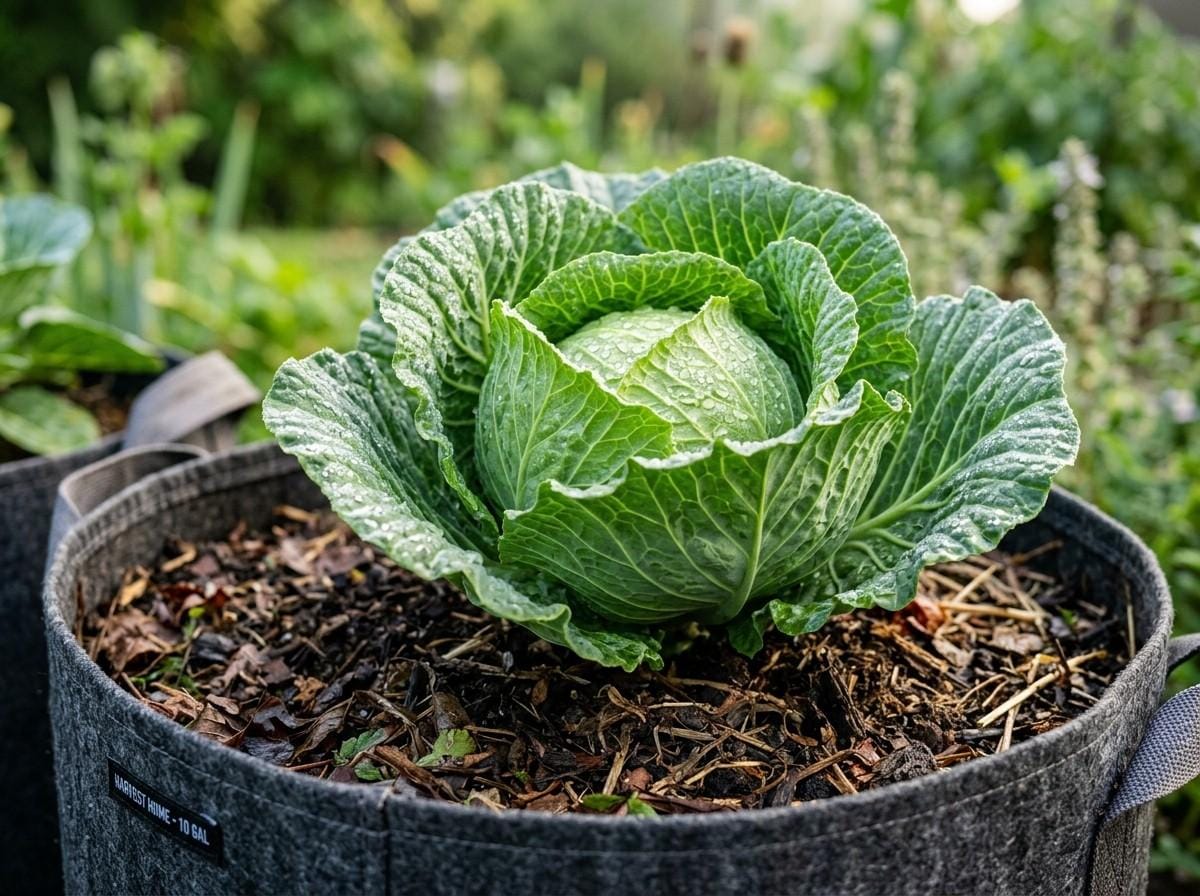
Have you ever wanted to grow fresh, crunchy cabbage right on your balcony or patio? Growing cabbage in pots is easier than you think, even if you don’t have a big garden.
Imagine picking your own healthy cabbage, full of flavor and nutrients, just steps away from your door. You’ll discover simple tips and tricks to help your cabbage thrive in containers, no matter your experience level. Ready to turn your small space into a green, productive oasis?
Let’s dive in and make your cabbage-growing dreams come true!
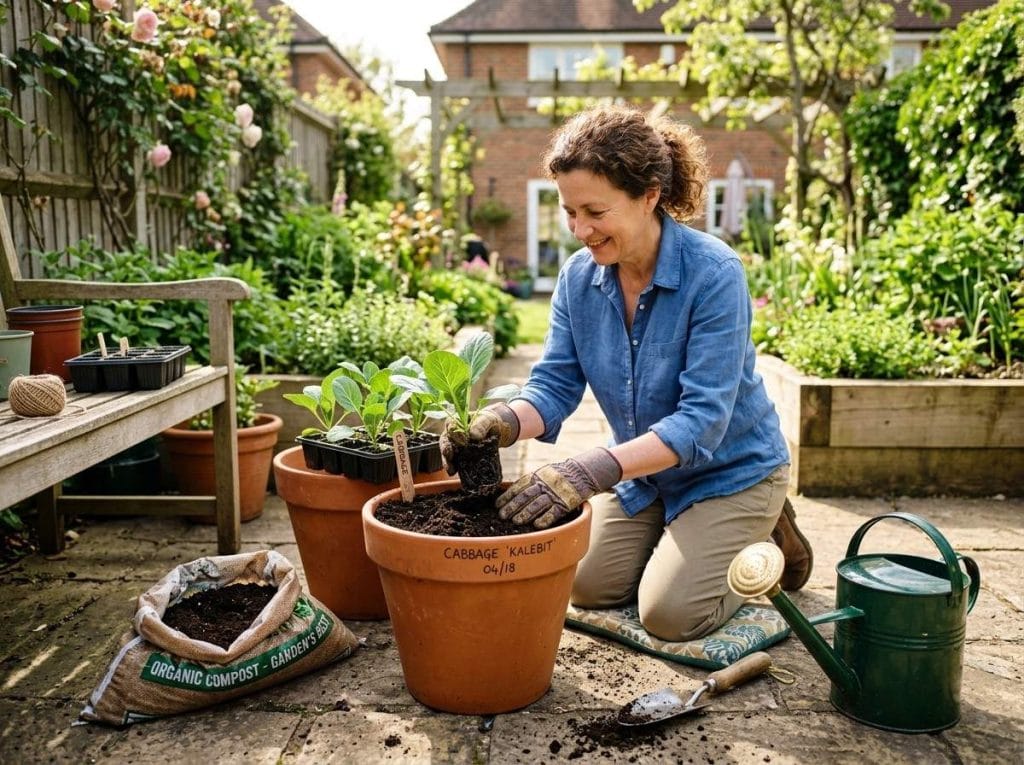
Choosing the right cabbage variety is key for growing healthy plants in pots. Different types of cabbage grow better in containers than others. Picking a suitable variety helps save space and ensures a good harvest. It also makes care easier and boosts your chance of success.
Some cabbage types work well in pots. Compact varieties fit small spaces and grow fast. Examples include red cabbage, green cabbage, and savoy cabbage. These types form tight heads that are perfect for container growth. They need less room for roots and leaves. Choose these for a good start in container gardening.
Climate affects which cabbage grows best in pots. Cooler climates favor certain types that resist cold. Warmer areas need varieties that handle heat well. Space also matters. Large pots allow bigger cabbage heads. Smaller containers suit dwarf or mini cabbage types. Match the cabbage variety to your climate and pot size for best results.
Selecting the right pots and soil is key for growing healthy cabbage in pots. Good choices help roots grow strong. They also keep the plant safe from water problems. Let’s explore what pot size and soil type work best for cabbage.
Choose pots at least 12 inches deep and wide. Cabbage needs room for roots to spread. Clay pots are heavy and keep soil cool. Plastic pots hold moisture longer and are lighter. Pick pots with drainage holes to prevent water buildup.
Use loose, well-draining soil rich in organic matter. Mix garden soil with compost and perlite for better air flow. Avoid heavy clay soils that hold too much water. Add a layer of small stones at the pot bottom to improve drainage. Keep soil moist but not soggy for best growth.
Growing cabbage in pots needs careful planting techniques. Good planting helps cabbage grow strong and healthy. Choosing the right seeds and planting them correctly is very important. Proper spacing and depth make sure the plant has enough room to grow well in a pot.
Start cabbage seeds indoors 6 to 8 weeks before the last frost. Use small pots or seed trays with good seed-starting mix. Keep soil moist but not wet. Place the trays where they get light daily. When seedlings have 3 to 4 true leaves, they are ready to move.
Harden off seedlings by placing them outside for a few hours daily. Increase time outside over a week. This helps plants adjust to outdoor conditions. Plant seedlings in pots filled with rich potting soil. Water well after planting to settle the soil.
Plant cabbage seedlings 12 to 18 inches apart in the pot. This space allows heads to grow fully without crowding. The pot should be at least 12 inches deep for root growth. Plant seedlings at the same soil depth they grew in their seed trays. Avoid planting too deep or too shallow.
Leave about 1 to 2 inches of space between soil surface and pot edge. This space helps water reach roots without spilling. Proper spacing and depth improve air flow and reduce disease risk in pots.
Growing cabbage in pots needs careful watering and feeding. These two care steps help cabbage grow healthy and strong. Pots dry out faster than garden soil. Cabbage plants need steady water and enough nutrients to thrive. Proper watering and feeding improve cabbage size and taste.
Water cabbage plants regularly to keep the soil moist. Avoid letting soil dry out completely. Dry soil stresses the plant and slows growth. Check soil daily by touching the top inch. Water deeply until water drains from the pot’s holes. Do not overwater; soggy soil causes root problems. Morning watering is best to reduce mold and fungus risks. Use a watering can or drip system for even moisture.
Feed cabbage plants with balanced fertilizer for strong growth. Use slow-release fertilizer mixed in potting soil at planting time. Apply liquid fertilizer every two weeks during the growing season. Choose fertilizer with equal parts nitrogen, phosphorus, and potassium. Organic options like compost tea or fish emulsion work well. Avoid too much nitrogen; it causes leafy growth but fewer heads. Follow package instructions to prevent fertilizer burn.
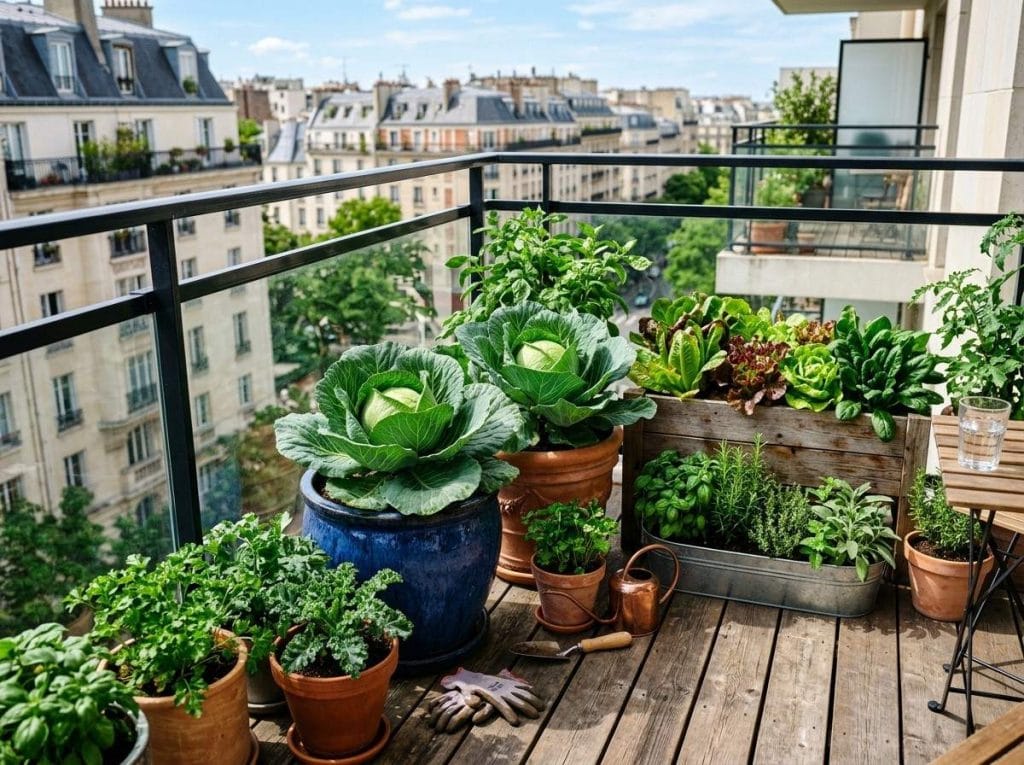
Growing cabbage in pots is a rewarding hobby, but pests and diseases can cause problems. Managing these issues early keeps your plants healthy and strong. Watch your cabbage closely for signs of trouble. Acting fast stops damage and helps your plants grow well.
Cabbage worms are small green caterpillars that chew leaves. Aphids are tiny insects that suck sap and weaken plants. Slugs and snails leave holes and slime trails on leaves. Whiteflies can cover leaves and spread disease. Each pest harms your cabbage differently but all reduce growth.
Hand-pick pests like worms and slugs off your plants. Spray leaves with water to remove aphids and whiteflies. Use neem oil or insecticidal soap for gentle pest control. Plant herbs like mint or rosemary nearby to repel insects. Keep pots clean and remove dead leaves to reduce pests.
Growing cabbage in pots needs careful attention to sunlight and temperature. These factors help plants grow strong and healthy. Pots can heat up or cool down fast. Managing light and heat ensures good growth and tasty cabbage.
Cabbage needs at least 6 hours of sunlight daily. Place pots where they get morning sun. Morning light is gentle and good for plants. Avoid harsh afternoon sun. It can burn leaves and dry soil quickly. Rotate pots every few days. This helps plants get light evenly on all sides. Use a light-colored pot to reflect heat and keep roots cool.
Watch for very hot or cold days. Move pots to shaded spots during heat waves. Shade cloth or umbrellas work well. Cold nights can harm cabbage. Cover pots with frost cloth or bring them indoors if possible. Strong winds can damage leaves. Place pots near a wall or fence for shelter. Check plants daily in bad weather. Quick action saves your cabbage from stress.
Harvesting and storing cabbage grown in pots requires care. Picking cabbage at the right time keeps it fresh and tasty. Proper storage helps the cabbage last longer. This section explains how to know when cabbage is ready and the best ways to store it.
Cabbage heads feel firm when they are ready to harvest. The leaves should be tight and compact. If the head feels soft or loose, wait a few more days. Color is also a clue; the cabbage should have a rich green or purple shade, depending on the variety. Check the size, too. Most cabbages are ready at 4 to 8 inches wide. Cut the head from the stem with a sharp knife. Harvest before the weather gets very hot or cold for best flavor.
Store cabbage in a cool, dark place like a fridge. Keep it in a plastic bag with small holes. This stops moisture loss but allows air flow. Avoid washing the cabbage before storage. Wash it only before cooking or eating. Cabbage can last up to two weeks in the fridge. For longer storage, try pickling or fermenting. These methods preserve cabbage and add new flavors. Check stored cabbage often for soft spots or mold. Remove damaged parts to keep the rest fresh.
Growing cabbage in pots is rewarding but can bring some challenges. Plants may show signs of stress or poor growth. Spotting problems early helps save your crop. Troubleshooting common problems makes your gardening easier and more fun. Below are key issues and how to fix them.
Cabbage needs balanced nutrients for strong growth. Yellowing leaves or slow growth may signal a lack of nitrogen. Pale leaves with purple edges often mean phosphorus is low. Weak stems or leaf edges turning brown could show potassium deficiency. Use a complete fertilizer designed for vegetables. Follow package directions to avoid overfeeding. Regular feeding keeps your cabbage healthy and green.
Wilting often means too little water or root damage. Check soil moisture by touching the soil surface. Water deeply but avoid waterlogging. Yellow leaves may also result from pests or disease. Look for holes, spots, or sticky residue on leaves. Remove damaged leaves and treat pests with gentle sprays. Good air flow around pots helps prevent fungal problems. Healthy leaves lead to better cabbage heads.
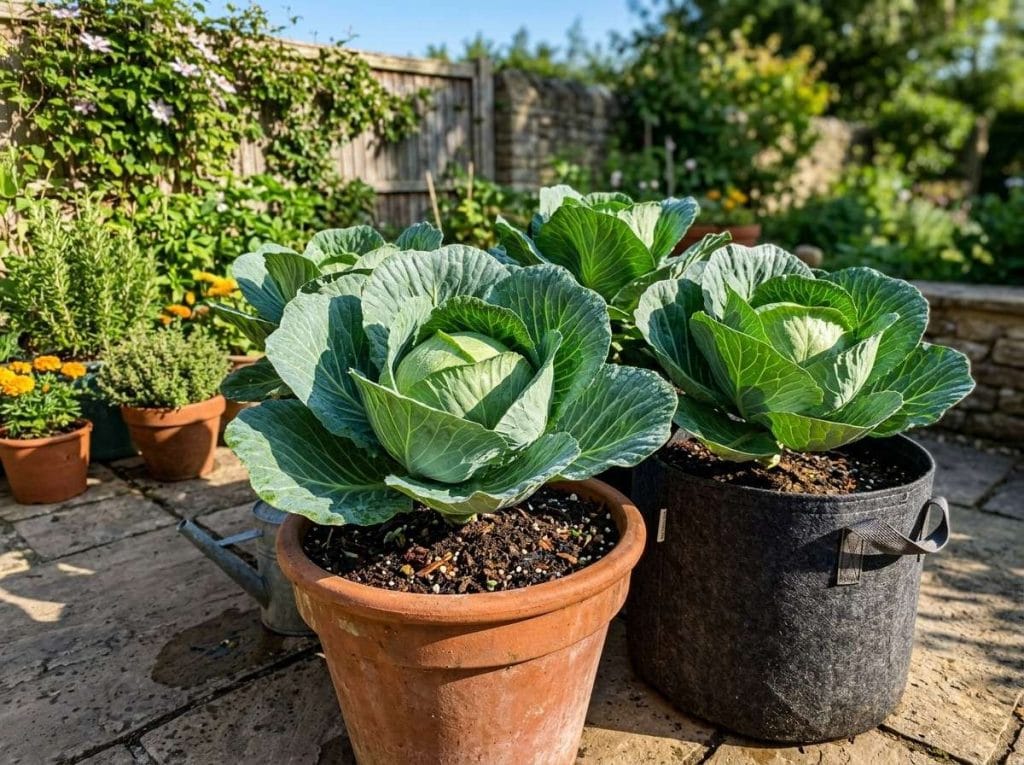
Cabbage needs 6 to 8 hours of direct sunlight daily for healthy growth in pots.
A pot at least 12 inches deep and wide is ideal to allow proper root growth.
Water cabbage regularly to keep soil moist but not soggy, about 2-3 times per week.
Use well-drained, fertile soil rich in organic matter for best results in pots.
Cabbage usually takes 70 to 90 days from planting to harvest in containers.
Growing cabbage in pots brings fresh veggies right to your doorstep. It saves space and fits small gardens well. Keep soil moist and give your plants enough sunlight. Watch for pests and trim leaves when needed. Harvest leaves when they look full and green.
Enjoy the taste of homegrown cabbage anytime. Pots make gardening easy and fun for everyone. Start small, and soon you’ll have healthy cabbage to share. Gardening in pots is simple and rewarding. Try it today and see the results yourself.