Gardening Made Simple.
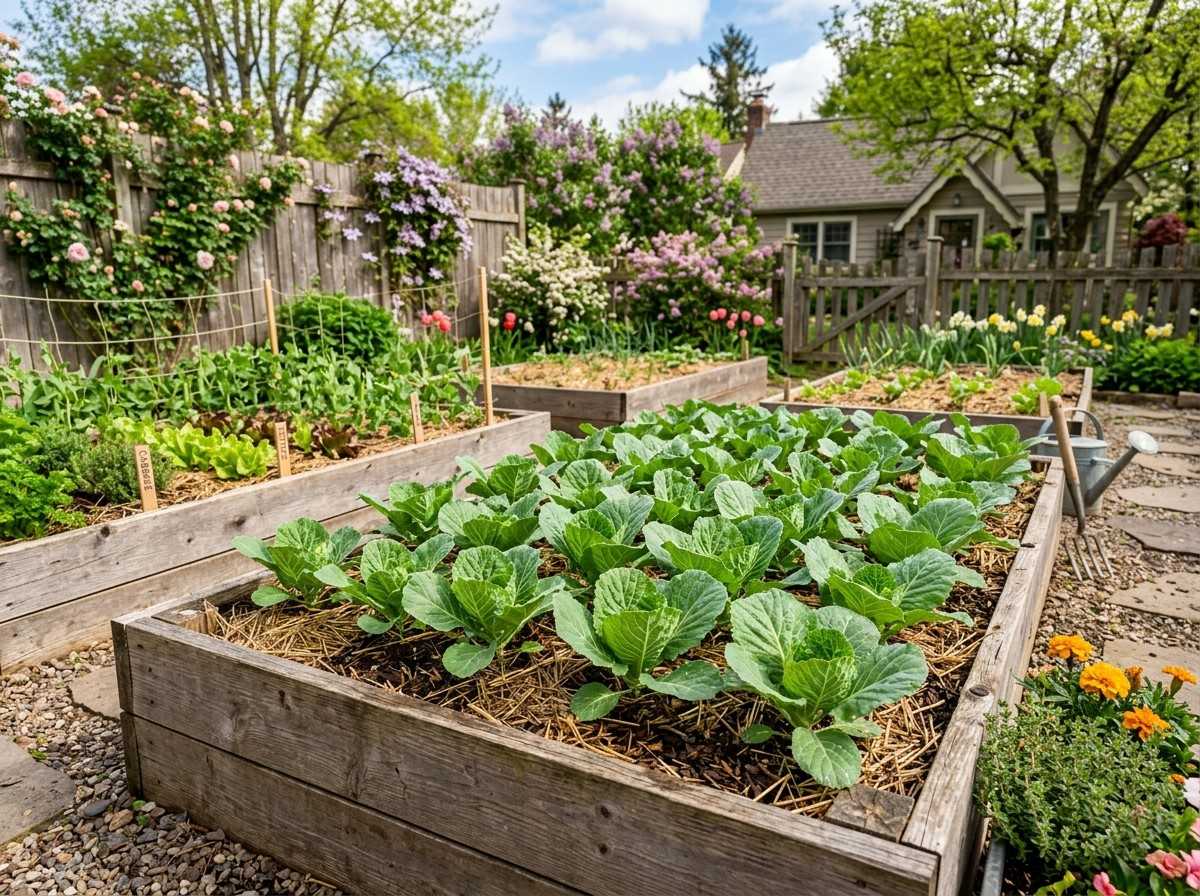
How to Plant Cabbage Seeds is one of the first things every gardener should learn to enjoy healthy, homegrown cabbage. If you're wondering how to plant cabbage seeds, the process is easier than you might think with the right preparation and care.
Whether you're starting your first vegetable garden or looking to improve your harvest, knowing the proper planting techniques will help your cabbage grow strong and produce crisp, flavorful heads. This guide covers everything you need to know, from sowing seeds to caring for young plants for a successful harvest.
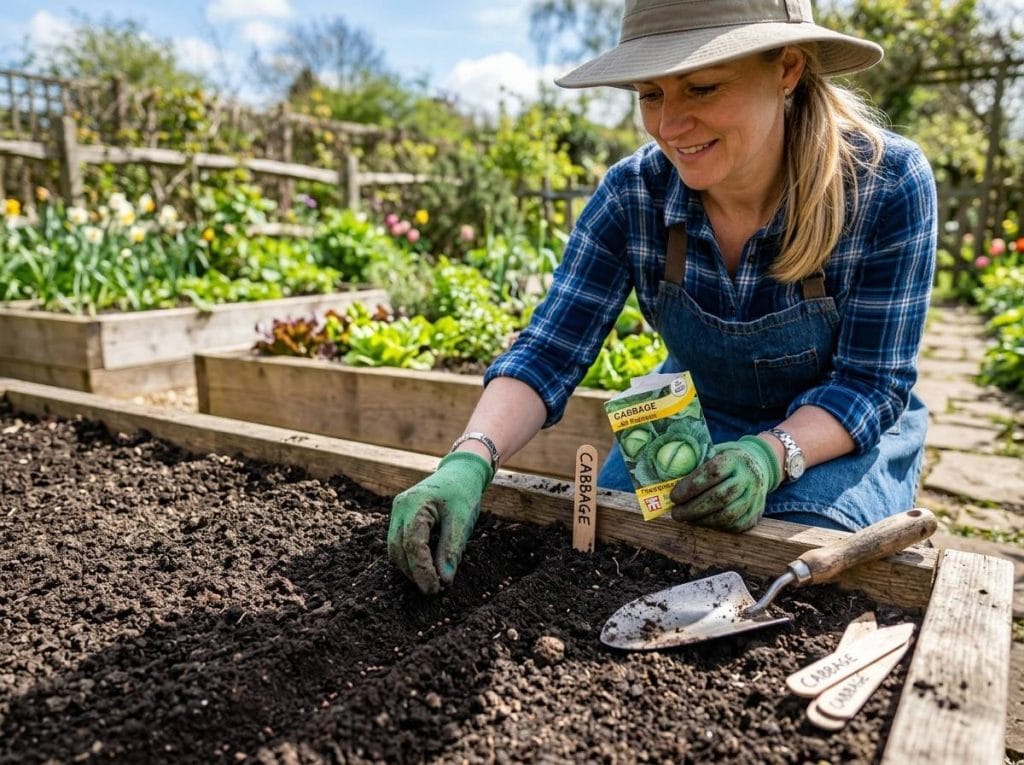
Imagine picking your own cabbage for salads, soups, or stir-fries—fresh, healthy, and homegrown. In this guide, you’ll discover simple, clear instructions that make planting cabbage seeds easy and rewarding. Keep reading, and soon you’ll be on your way to growing beautiful cabbage heads that will impress your family and friends.
Choosing the right cabbage variety is key to a successful garden. Different types grow better in different places. Some cabbages like cool weather, while others handle heat well. Picking the right kind helps your plants grow strong and healthy. It also affects the taste and size of your cabbage heads.
Think about how much space you have. Some cabbage varieties grow large and need more room. Smaller types work well in tight spaces or containers. Seed packets usually tell you about size and growing needs. This information helps you pick the best variety for your garden.
There are many types of cabbage. Green cabbage is the most common. It has a round head and crisp leaves. Red cabbage is similar but has purple leaves. Savoy cabbage has wrinkled leaves and a mild taste. Each type suits different recipes and garden styles.
Cabbage grows best in cool weather. Some types can handle frost. Others prefer warmer temperatures. Check the days to maturity on seed packets. It shows how long the cabbage takes to grow. Choose a variety that fits your local climate and season length.
Think about how you will use your cabbage. Some varieties are good for fresh salads. Others are better for cooking or fermenting into sauerkraut. Pick a cabbage that matches your cooking style. This way, you get the best flavor and texture.
Preparing the soil is the first step to grow healthy cabbage plants. Good soil helps seeds sprout and roots grow strong. It also provides the right nutrients for the cabbage to develop crisp, tasty leaves. Understanding your soil type and how to improve it makes a big difference in your cabbage garden.
Cabbage grows best in soil that feels loose and crumbly. Clay soils hold too much water and can cause root problems. Sandy soils drain too fast and may need extra water.
The ideal soil pH for cabbage is between 6.0 and 7.5. This range helps the plant absorb nutrients well. Test your soil pH with a simple kit available at garden stores. Adjust the pH by adding lime to raise it or sulfur to lower it.
Cabbage needs plenty of nutrients, especially nitrogen, to grow lush leaves. Before planting, mix compost or well-rotted manure into the soil. These natural materials feed the soil and improve its texture.
A balanced fertilizer with nitrogen, phosphorus, and potassium also helps. Follow the package instructions to avoid over-fertilizing. Too much fertilizer can harm the plants.
Good drainage prevents water from pooling around the roots. Standing water can cause root rot and other diseases. To improve drainage, raise your planting beds slightly above ground level.
Mix organic matter into the soil to help water flow better. Avoid compacting the soil by stepping on it too much. Loose soil lets air reach the roots and keeps plants healthy.
Starting cabbage seeds indoors gives plants a strong beginning. It helps young plants grow safe from cold weather. You can control the growing conditions better inside. This method leads to healthy and robust cabbage ready to move outside.
Choose fresh seeds from a trusted source. Pick varieties suited for your climate. Some types grow faster and resist disease well. Check the seed packet for details on growth time and care.
Plant seeds about ¼ inch deep in soil. Cover lightly with seed-starting mix. Too deep can slow germination. Too shallow may dry out seeds quickly. Keep soil moist but not soggy.
Keep soil temperature between 65-75°F for best germination. Use a heat mat if needed. Place seedlings where they get 12-16 hours of light daily. A sunny window or grow light works well. Good light prevents weak and leggy plants.
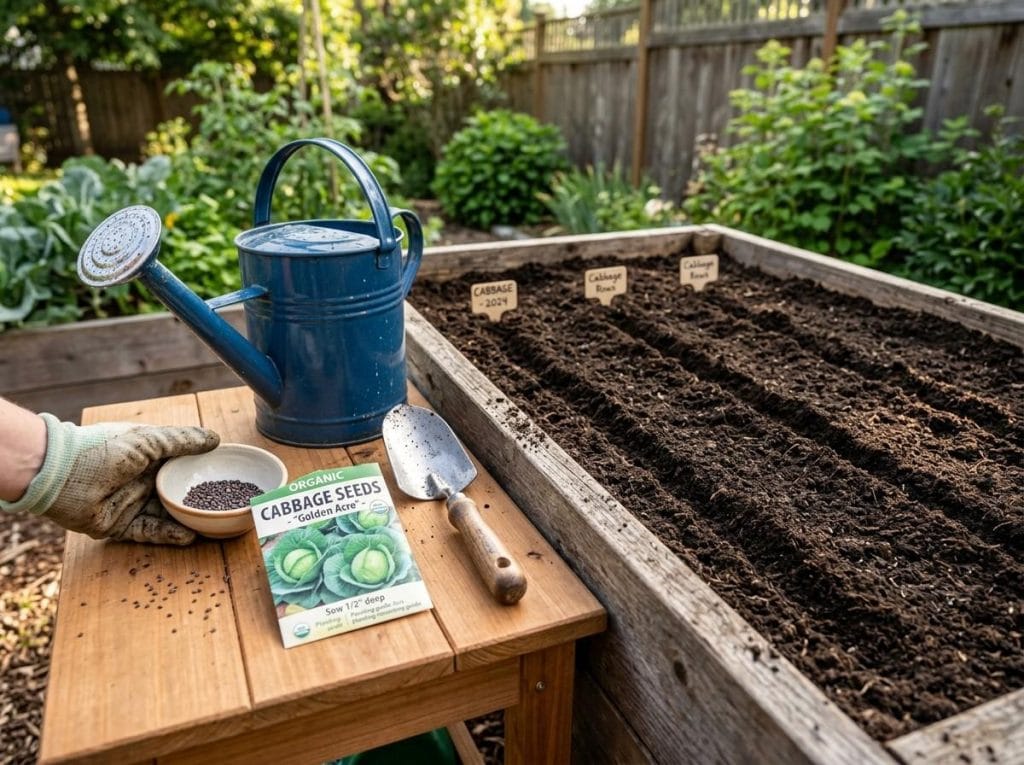
Transplanting cabbage seedlings is an important step in growing healthy plants. It moves young plants from small containers to the garden soil. This gives them more space to grow strong roots and leaves. Proper transplanting helps cabbage plants grow better and produce more heads.
Transplant seedlings when they have 4 to 6 true leaves. This usually happens 4 to 6 weeks after sowing seeds. Avoid transplanting seedlings that are too young or too old. Move them before the weather gets too hot. Cabbage grows best in cool temperatures around 60 to 70°F.
Harden off seedlings before planting outside. This means slowly exposing them to outdoor conditions. Start by placing seedlings outside for a few hours a day. Increase the time over 5 to 7 days. Protect them from strong sun, wind, and cold. Hardening off helps seedlings adjust and reduces transplant shock.
Plant cabbage seedlings 12 to 24 inches apart in rows. Space rows about 24 to 36 inches wide. Proper spacing allows air to flow and reduces disease risk. It also gives plants enough room to grow large heads. Crowded plants may grow small and weak.
Watering and fertilizing are key steps for healthy cabbage growth. Proper care helps seeds sprout strong and develop big heads. Water and nutrients keep soil fertile and plants hydrated. Both need balance to avoid problems.
Keep soil moist but not wet. Water cabbage seeds daily in dry weather. Reduce watering after seedlings appear. Check soil by touching it. Water again when top feels dry. Consistent moisture helps roots grow deep.
Use balanced fertilizers with nitrogen, phosphorus, and potassium. These support leaf growth and root strength. Organic options like compost or manure work well. Apply fertilizer every two weeks for best results. Avoid too much fertilizer to prevent leaf burn.
Too much water causes root rot and weak plants. Drainage must be good in planting area. Water early in the day to let soil dry. Watch for yellow leaves or wilting as signs. Adjust watering to keep soil moist, not soggy.
Controlling pests and diseases is key to growing healthy cabbage. These problems can stunt growth and reduce your harvest. Knowing how to spot and manage threats helps your plants thrive. Protect your cabbage early for the best results.
Cabbage faces many pests. Cabbage worms chew leaves quickly. Aphids suck plant juices and spread disease. Flea beetles leave small holes in leaves. Slugs and snails eat tender parts at night. These pests weaken your cabbage and lower yield.
Start with healthy seeds and clean soil. Space plants to improve air flow. Avoid wetting leaves when watering. Remove weeds that host pests. Rotate crops yearly to stop pest buildup. Use row covers to block insects early. Check plants often for pest signs.
Spray neem oil to repel many insects. Introduce ladybugs to eat aphids naturally. Use insecticidal soap for soft-bodied pests. Handpick larger pests like slugs and worms. Sprinkle diatomaceous earth around plants to deter slugs. Compost tea can boost plant health and fight disease.
Harvesting cabbage at the right time is very important. It ensures the best taste and texture. Knowing when and how to harvest helps you enjoy fresh, crisp cabbage. Follow these tips for the best results.
Cabbage heads feel firm and dense when mature. The size depends on the variety but usually reaches 4 to 10 inches wide. Outer leaves may start to loosen slightly. The color should be deep and consistent. Avoid harvesting if heads feel soft or loose.
Use a sharp knife or garden shears for a clean cut. Cut the head at the base, leaving a few outer leaves on the plant. Do not pull the head off by hand; this can damage the plant. Cutting close to the ground helps keep the cabbage fresh longer. Always cut carefully to avoid bruising.
Remove damaged or dirty outer leaves before storage. Store cabbage in a cool, humid place to keep it fresh. Avoid exposure to direct sunlight or heat. Use plastic bags with holes to maintain moisture. Proper care extends the cabbage's shelf life and quality.
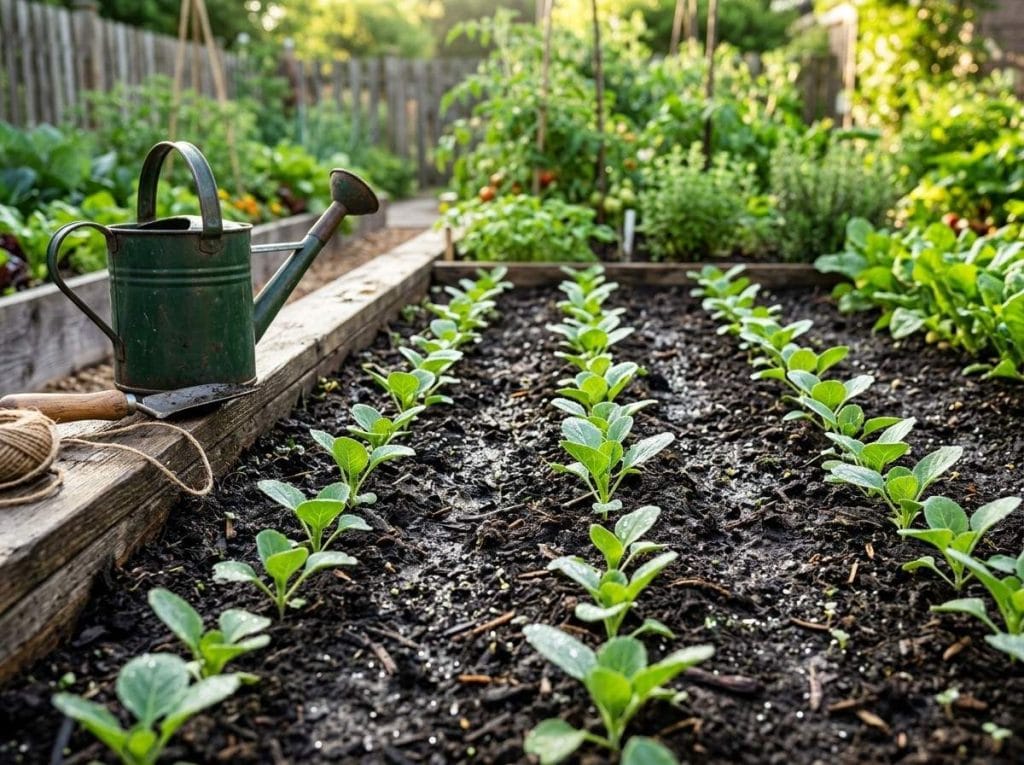
Plant cabbage seeds about ¼ inch deep in moist soil for best germination.
Plant cabbage seeds in early spring or late summer for a cool growing season.
Cabbage seeds need full sun, at least 6 hours of direct sunlight daily.
Water cabbage seeds gently and keep soil consistently moist but not soggy.
Cabbage seeds usually sprout within 5 to 10 days after planting.
Planting cabbage seeds is simple and rewarding. Choose good soil and plant seeds at the right depth. Water gently and keep the soil moist. Watch your seedlings grow strong and healthy. Thin them to give space for growth. Protect plants from pests and cold weather.
With care, you will enjoy fresh cabbage soon. Gardening brings joy and fresh food to your table. Start today and see your garden thrive!