Gardening Made Simple.
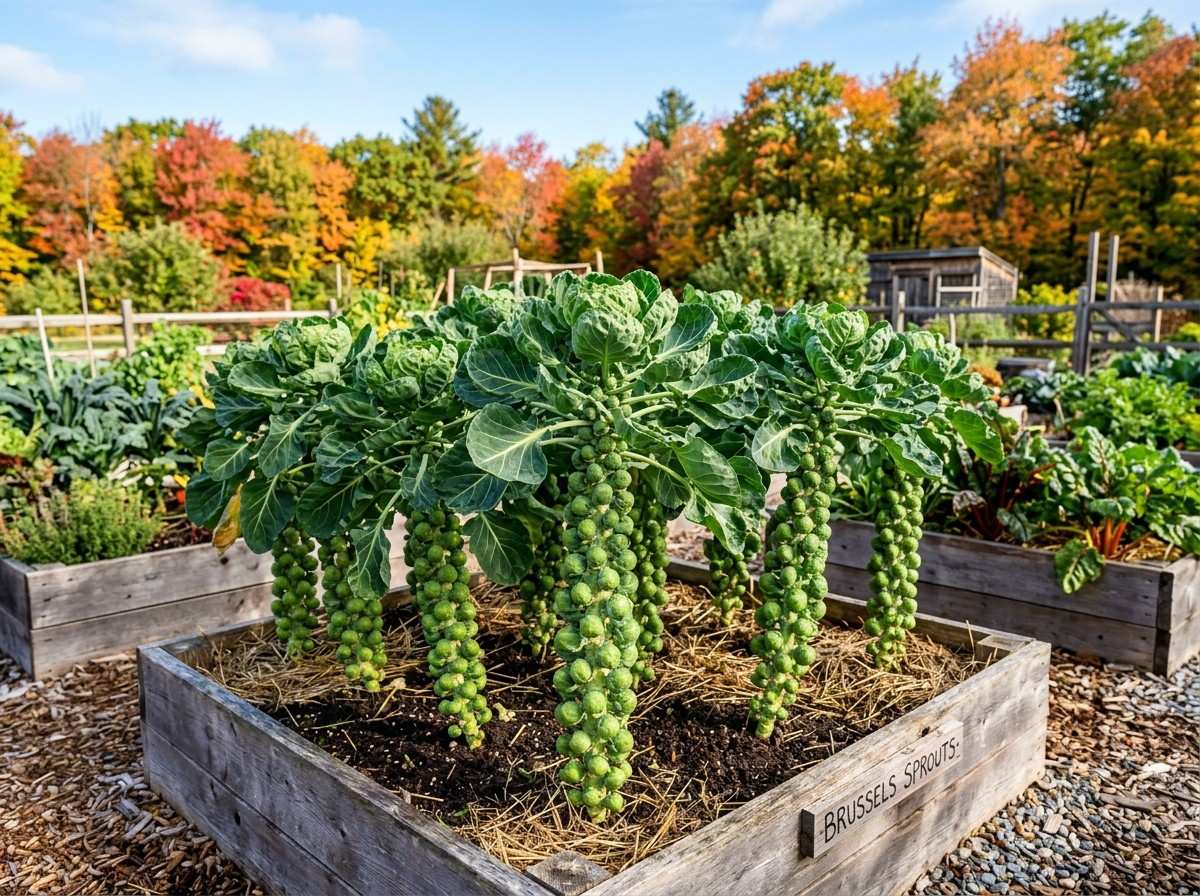
Season for Brussel Sprouts is an important topic for gardeners, shoppers, and anyone who wants to enjoy the freshest, most flavorful sprouts. If you're wondering about the season for Brussel sprouts, knowing when they are planted, harvested, and at their peak can help you choose the best produce for your meals. This guide explains the ideal growing and harvesting seasons, along with tips for enjoying Brussels sprouts at their highest quality.
Imagine biting into crisp, flavorful sprouts that are at their peak—full of nutrients and natural sweetness. This article will guide you to discover exactly when these little green gems are at their best, so you can plan your shopping and cooking with confidence.
Keep reading to unlock the secret to enjoying Brussels sprouts at their finest!
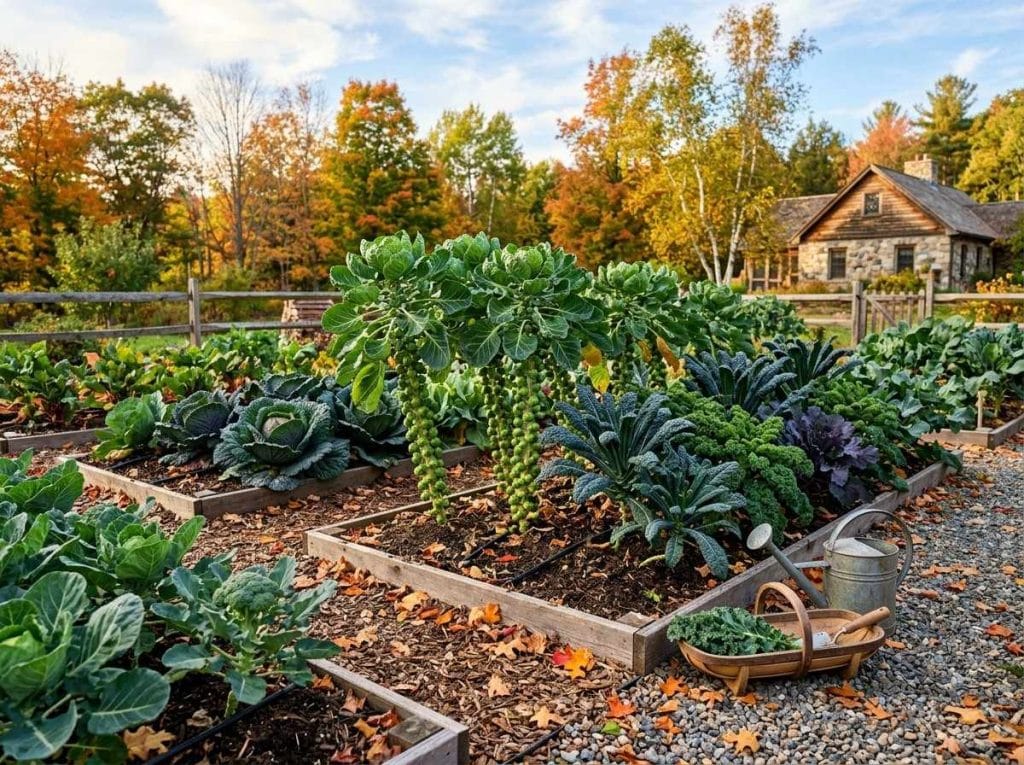
Brussel sprouts grow in a unique cycle that suits cooler climates. They need several months to develop from seed to harvest. Understanding their growth cycle helps gardeners plan planting and harvesting well. The plant grows best in cool seasons, making timing important for success.
Plant Brussel sprouts in early spring or late summer. The seeds require about 3 to 4 months to mature. Starting seeds indoors helps in colder areas. Transplant seedlings outdoors once the risk of frost ends. Choose a spot with full sun and fertile soil. Proper timing ensures strong plants and healthy sprouts.
Harvest begins when sprouts are firm and 1 to 2 inches wide. This usually happens in late fall or early winter. Pick sprouts from the bottom of the stalk first. This encourages growth of new sprouts higher up. Regular harvesting keeps plants productive for several weeks. Cool weather improves the sprouts’ flavor and texture.
Brussel sprouts have a specific time of year when they taste best and cost less. Knowing the best months to buy helps you enjoy fresh, tasty sprouts. This section explains when to find the best Brussel sprouts near you.
Brussel sprouts grow best in cooler weather. Most local markets have fresh sprouts from late fall to early winter. Farmers often harvest them after the first frost. This cold helps make the sprouts sweeter. You can find fresh Brussel sprouts in local stores from October to December. Some places may have them earlier or later depending on the weather.
Different regions have different growing seasons. In northern areas, the season starts in late September and ends by November. Southern regions may see sprouts from November through January. Coastal areas might have a longer season due to milder winters. Always check your local market for the freshest Brussel sprouts during these months. The best time depends on your location, but fall and early winter are usually best.
Fresh Brussels sprouts taste better and are more nutritious. Knowing how to spot fresh sprouts helps you enjoy their best flavor. Freshness shows in their color, texture, size, and firmness. These signs guide you to pick the best sprouts.
Choose Brussels sprouts with bright green leaves. Avoid yellow or brown spots. The leaves should look tight and compact. Loose leaves mean the sprout is old. Smooth, firm leaves show freshness and quality. Fresh sprouts shine with a natural green glow.
Smaller sprouts tend to be sweeter and more tender. Large sprouts can be bitter or tough. Feel the sprout for firmness. It should feel solid and dense. Soft or spongy sprouts are not fresh. Pick sprouts that feel heavy for their size.
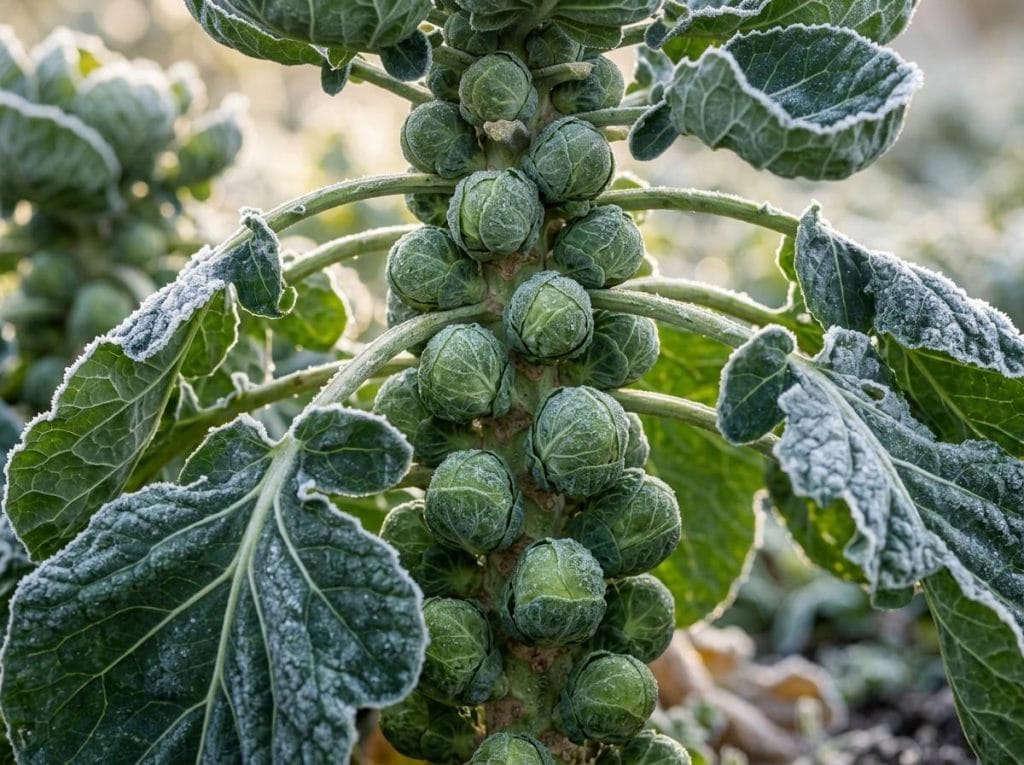
Storing Brussels sprouts correctly keeps them fresh and tasty longer. Proper storage helps retain their crunch and flavor. It also reduces waste and saves money. Below are simple tips to store Brussels sprouts well.
Place Brussels sprouts in a plastic bag with holes. This allows air to circulate and prevents moisture buildup. Keep the bag in the vegetable drawer of the fridge. Do not wash sprouts before storing. Moisture causes them to spoil faster. Wash them only before cooking.
Fresh Brussels sprouts last about one to two weeks in the fridge. Check them regularly for soft or yellow leaves. Remove any bad sprouts to keep the rest fresh. Avoid storing Brussels sprouts near fruits like apples. They release gases that speed up spoilage.
Brussels sprouts shine brightest during their peak season. Seasonal recipes make the most of their fresh, nutty flavor. These dishes bring warmth and comfort to your table.
Using Brussels sprouts in recipes that match the season helps you enjoy them at their best. Here are some tasty ideas for winter and holiday meals.
Roasting Brussels sprouts with a drizzle of olive oil and sea salt is simple and delicious. Try adding garlic or balsamic vinegar for extra flavor. They pair well with root vegetables like carrots and potatoes. Soups and stews benefit from chopped Brussels sprouts for added texture and nutrition. A warm Brussels sprouts salad with nuts and cranberries brightens cold days.
Brussels sprouts are a classic holiday side dish. Sauté them with bacon or pancetta for a rich taste. A creamy Brussels sprouts gratin makes any feast feel special. Roasting sprouts with chestnuts or dried fruit adds a festive touch. These recipes bring a fresh twist to traditional holiday meals.
Buying fresh Brussels sprouts can make a big difference in taste and nutrition. Knowing where and how to buy them helps you pick the best ones. Fresh Brussels sprouts are firm and bright green. Avoid those that look yellow or have spots. Smaller sprouts tend to be sweeter and more tender.
Here are some tips to guide you through buying Brussels sprouts, so you get the best quality and value.
Farmers markets often have fresher Brussels sprouts. They are picked recently and sold quickly. This means better flavor and nutrients. You can ask the farmer how they grow their crops. Supermarkets offer convenience and variety. You can find Brussels sprouts year-round there. Sometimes, supermarket sprouts are older and less fresh. Check the appearance carefully before buying. Farmers markets may have limited supply and higher prices. Supermarkets usually have lower prices and more choices.
Organic Brussels sprouts grow without synthetic pesticides. They can be safer for the environment. Some people prefer organic for health reasons. Conventional Brussels sprouts use regular farming methods. They may have pesticide residues, but usually within safe limits. Organic sprouts often cost more. Both types can be nutritious and tasty. Wash all Brussels sprouts well before cooking. Choose based on your budget and preference.
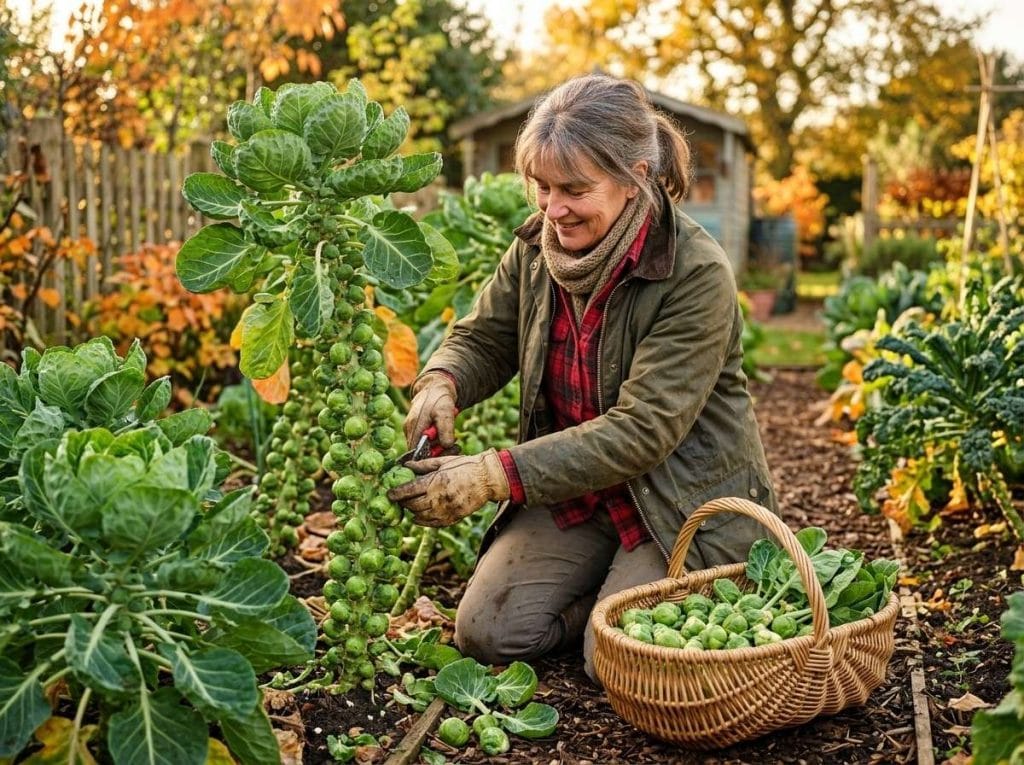
Brussels sprouts grow best in cool weather, usually harvested in late fall and early winter.
Cold weather sweetens Brussels sprouts, making them taste milder and less bitter.
They need cool temperatures, so they don’t grow well in hot or tropical climates.
Brussels sprouts are in season from September through February in most US regions.
Keep them in the fridge in a plastic bag; they last about one week.
Brussels sprouts taste best in cool weather. They grow well in fall and winter. Fresh sprouts are sweeter and less bitter. Try to buy them during their peak season. This helps you enjoy better flavor and nutrition. Cooking them simply keeps their natural taste.
Add Brussels sprouts to your meals for a healthy boost. Seasonal eating supports local farmers and reduces waste. Remember, fresh is always best for your plate. Enjoy the season and these small, tasty vegetables!