Gardening Made Simple.
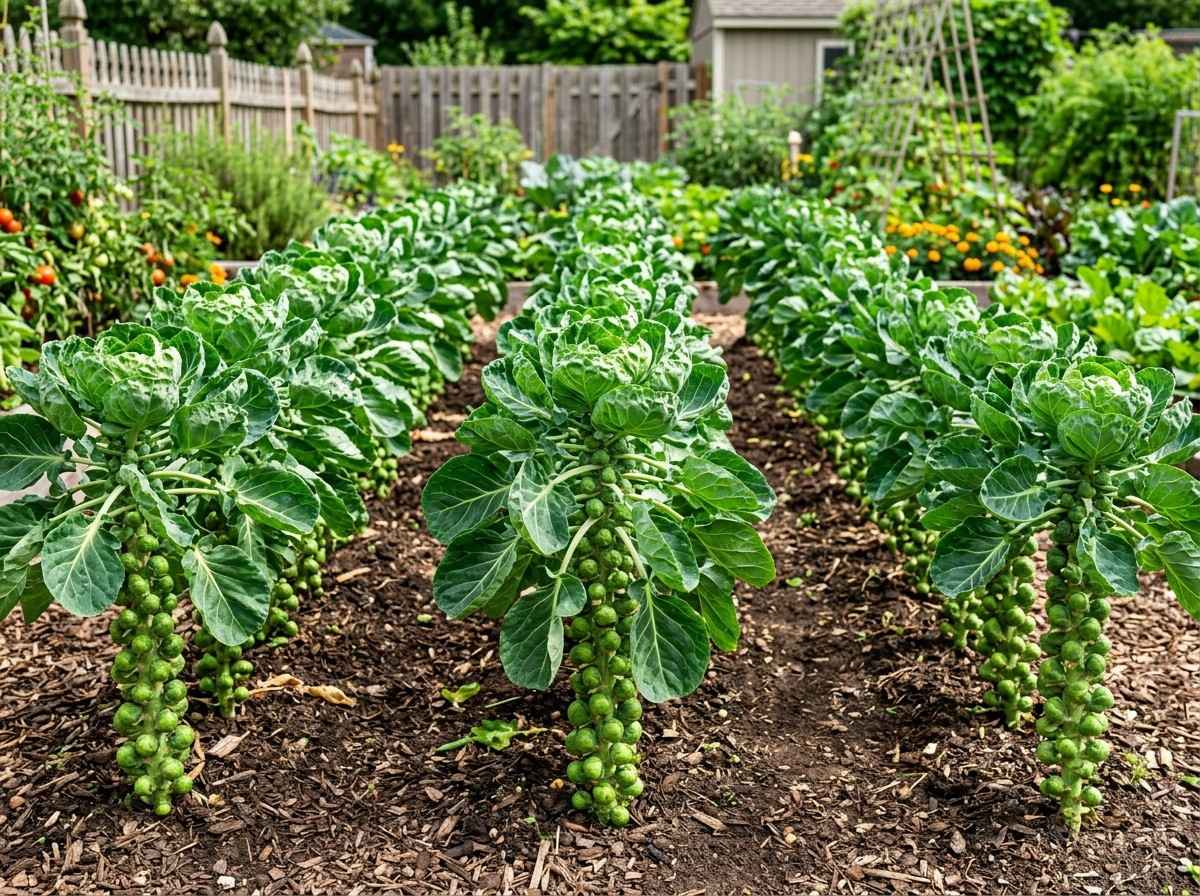
How to Grow Brussels Sprouts is a common question among gardeners who want to enjoy fresh, homegrown vegetables. If you're wondering how to grow Brussel sprouts, the process is easier than you might think with the right planning and care.
Whether you're a beginner or an experienced gardener, following the proper growing techniques will help you produce healthy plants and flavorful sprouts. This guide covers everything from planting and maintenance to harvesting for a successful Brussels sprout crop.
Imagine picking crisp, green sprouts straight from your own backyard—no more waiting for store-bought ones that can be bland or expensive. In this guide, you’ll discover simple tips to help your Brussels sprouts thrive, from planting to harvest. Keep reading, and soon you’ll enjoy the satisfaction of growing your own healthy, delicious Brussels sprouts.
Choosing the right variety of Brussels sprouts is key to a healthy garden. Different types grow better in different climates and soils. Some mature faster, while others tolerate cold better. Picking the right variety helps you get a good harvest.
Early maturing varieties produce sprouts quickly. They are perfect for shorter growing seasons. These types let you harvest before frost. 'Jade Cross' is a popular early variety that grows well in many areas.
Cold hardy varieties survive freezing temperatures. They improve flavor after frost. 'Long Island Improved' is a strong cold-tolerant choice. These varieties allow you to harvest late in the season.
High yield types give more sprouts per plant. They are great for larger families or sharing. 'Diablo' is known for its large, tight sprouts. Choosing high yield varieties maximizes your garden space.
Preparing the soil is the first step to growing healthy Brussels sprouts. Good soil helps the plants grow strong and produce big sprouts. It needs to be loose, rich, and well-drained. The right soil gives the roots room to grow and access to nutrients.
Start by checking the soil’s pH. Brussels sprouts like soil that is slightly acidic to neutral. A pH between 6.0 and 7.0 is best. You can test the soil with a simple kit from a garden store.
Remove weeds, rocks, and debris from the garden bed. Clear space helps the plants get enough sunlight and air. Use a rake or your hands to clean the soil surface. This step prevents competition for nutrients.
Break up hard soil using a garden fork or tiller. Loosen the soil to a depth of about 12 inches. Loose soil allows roots to spread easily. It also improves water drainage and air flow around roots.
Mix compost or aged manure into the soil. This adds organic matter and nutrients that Brussels sprouts need. Work the compost into the top 6 to 8 inches of soil. Fertilize with a balanced fertilizer rich in nitrogen for leafy growth.
Check that water does not pool in the planting area. Brussels sprouts do not like soggy roots. If soil is heavy clay, raise the bed or mix in sand. Good drainage helps prevent root rot and other diseases.
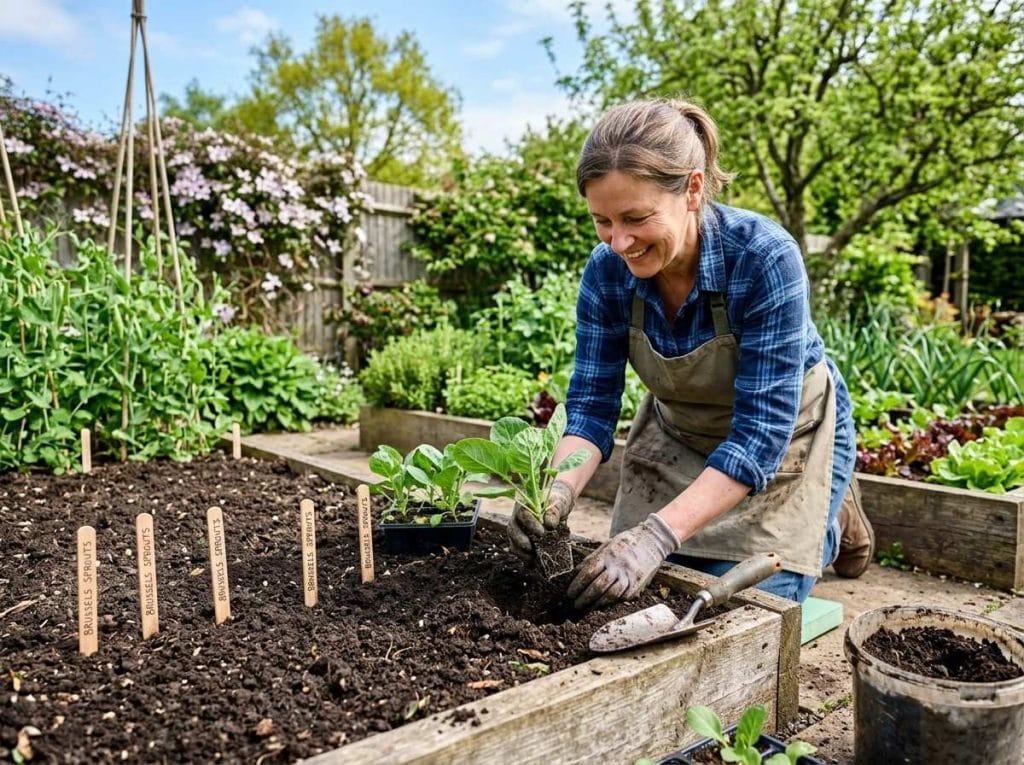
Planting Brussels sprouts requires care and attention to detail. These vegetables grow best in cool weather. Start early to give them enough time to mature before frost arrives. Proper planting helps sprouts develop tight, flavorful heads. Follow these simple steps to start your Brussels sprouts right.
Begin seeds indoors about 6 to 8 weeks before the last frost. Use seed trays or small pots with good drainage. Plant seeds about ¼ inch deep in seed-starting mix. Keep soil moist but not soggy. Place trays in a warm spot with light. Seedlings usually sprout in 5 to 10 days.
Transplant seedlings outdoors when they have 4 to 6 leaves. Harden off plants by placing them outside for a few hours daily. Do this for 5 to 7 days to reduce transplant shock. Choose a sunny spot with well-drained soil. Water seedlings well before transplanting to reduce stress.
Plant seedlings 18 to 24 inches apart in rows 30 inches apart. Space allows air to circulate and plants to grow large. Plant seedlings at the same depth as they grew indoors. Firm soil gently around roots to hold plants upright. Water thoroughly after planting to settle the soil.
Brussel sprouts need the right amount of water and nutrients to grow strong. Proper watering keeps the soil moist but not soggy. Feeding with the right fertilizer helps plants develop healthy leaves and buds. Both watering and feeding are key to a good harvest.
Water Brussel sprouts evenly to keep soil moist. Avoid letting soil dry out completely. Use drip irrigation or a soaker hose to water deeply. Water early in the morning to reduce evaporation. Avoid wetting the leaves to prevent disease. Mulch around plants to keep moisture in the soil.
Use a balanced fertilizer with equal nitrogen, phosphorus, and potassium. Apply fertilizer every 4 to 6 weeks during growing season. Mix compost into the soil before planting for extra nutrients. Side-dress plants with fertilizer once they reach 12 inches tall. Avoid over-fertilizing to prevent weak stems and leaf burn.
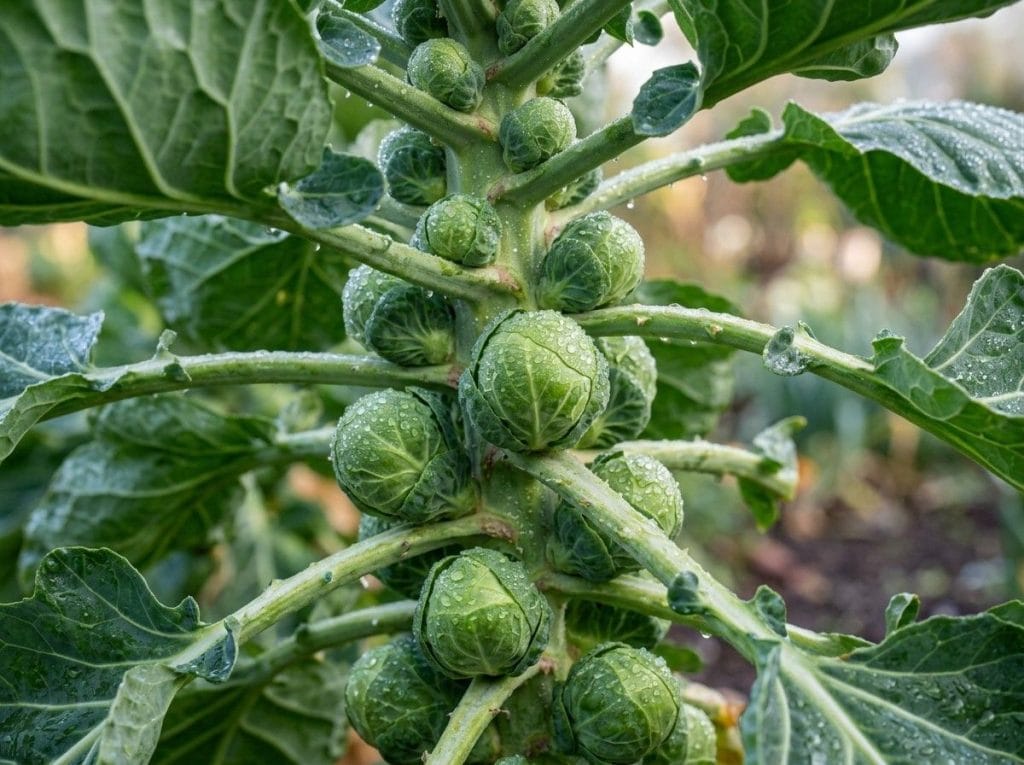
Brussel sprouts need the right sunlight and temperature to grow well. These two factors affect the plant’s health and the size of the sprouts. Giving your plants the best conditions will help you harvest more and better sprouts.
Understanding how much sun and what temperature range Brussel sprouts prefer is key to growing them successfully in your garden.
Brussel sprouts thrive in full sun. They need at least 6 hours of direct sunlight daily. Sunlight helps the plant make food through photosynthesis. More sun means stronger plants and bigger sprouts. If they get less sun, growth slows and sprouts may be small.
Brussel sprouts grow best in cool weather. The ideal temperature is between 45°F and 75°F (7°C to 24°C). Too hot, and the sprouts become bitter or stop growing. Cold temperatures below 20°F (-6°C) can damage the plant, but light frost can improve flavor.
Cool temperatures help sprouts form tight heads. Warm weather causes loose, bitter sprouts. Frost can make sprouts sweeter by turning starch to sugar. Watch the weather and plan your planting to match these needs. This will improve both yield and taste.
Pest and disease control plays a key role in growing healthy Brussels sprouts. These plants face many threats from bugs and illnesses. Managing these problems early keeps your plants strong and productive.
Cabbage worms are a common pest. They chew holes in leaves and sprouts. Aphids suck plant juices and weaken growth. Flea beetles create tiny holes in leaves. Slugs and snails feed on young plants, leaving slimy trails. Watch your plants often to spot pests early. Handpick bugs or use natural sprays to control them.
Plant Brussels sprouts in well-drained soil to avoid root rot. Rotate crops each year to reduce disease buildup. Remove dead leaves and debris to stop fungal growth. Water plants at the base to keep leaves dry. Avoid overcrowding to improve air flow. Use disease-resistant seed varieties when possible. Healthy plants resist diseases better and grow stronger.
Pruning and maintenance are key to growing healthy Brussels sprouts. These tasks help plants grow stronger and produce more sprouts. Regular care keeps plants clean and stops pests and diseases. It also helps sunlight reach all parts of the plant.
Cut off the older leaves near the bottom of the plant. These leaves block air and light. Removing them improves air flow and reduces disease risk. Do this every two weeks as the plant grows.
Pinch or cut the top of the plant when it reaches about 30 inches. This stops the plant from growing taller and focuses energy on sprout growth. Use clean scissors or your fingers to pinch the top.
Look at leaves and stems for bugs or holes. Common pests include aphids and caterpillars. Remove pests by hand or use mild insect soap. Early action stops pests from spreading.
Brussels sprouts can get heavy and fall over. Use stakes or garden twine to support the main stem. Tie gently to avoid damage. Support helps the plant stay upright and healthy.
Harvesting Brussels sprouts is an important step to enjoy fresh, tasty vegetables. Knowing the right time and method helps get the best flavor and texture. Harvesting too early or too late affects taste and size. Careful picking also protects the plant for future sprouts.
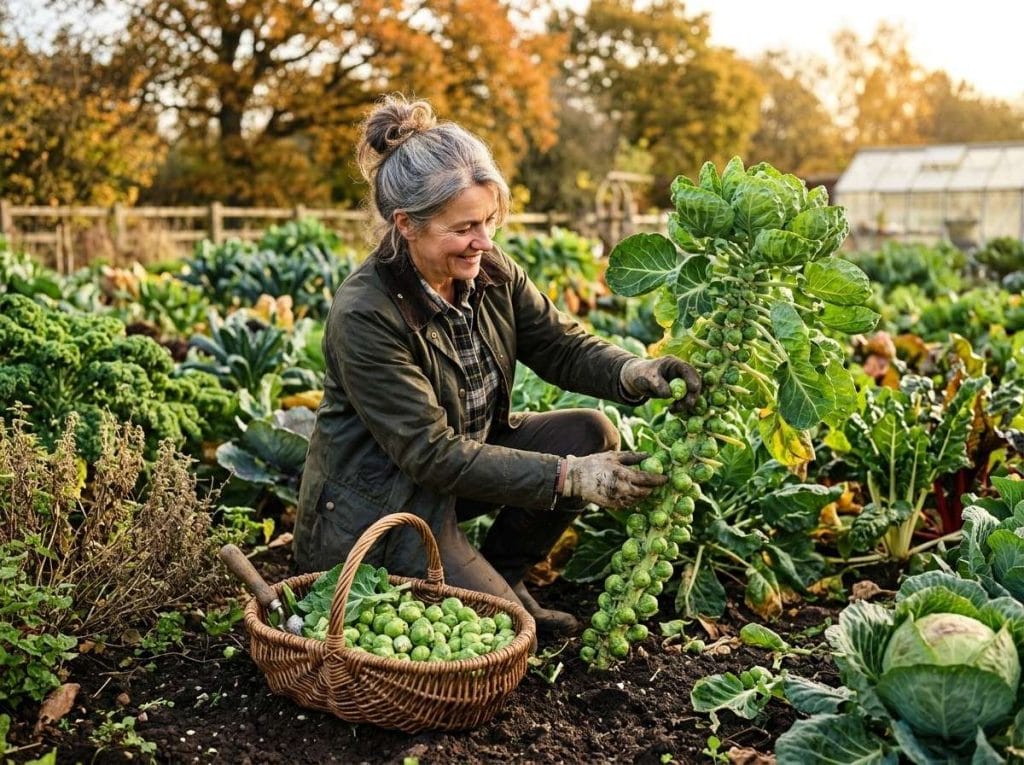
Brussels sprouts are ready to pick about 80 to 90 days after planting. The sprouts should be firm and about 1 to 2 inches in diameter. Look for small, green buds along the stem. They grow from the bottom up. Start harvesting the lower sprouts first. Wait until the sprouts are tight and compact before picking. Cooler weather improves the flavor after the first frost. Avoid picking sprouts that are yellow or soft.
Use a sharp knife or garden scissors to cut sprouts. Cut close to the stem without damaging the plant. Hold the sprout firmly before cutting. Remove sprouts from the bottom of the stem first. Leave the top sprouts to grow longer. Pick sprouts regularly to encourage new growth. Check plants every few days during harvest time. Handle sprouts gently to avoid bruises. Store harvested sprouts in a cool, dry place to keep them fresh.
After harvesting your Brussels sprouts, proper storage keeps them fresh and tasty. Knowing how to store and use them helps reduce waste and enjoy their flavor longer.
Keep Brussels sprouts in the fridge to stay fresh. Store them unwashed in a plastic bag with holes. This keeps air flowing and prevents moisture build-up. Use them within one to two weeks for best taste. Avoid washing until ready to cook. Freezing is an option. Blanch sprouts in boiling water for three minutes. Cool them quickly in ice water. Drain and freeze in airtight bags. Frozen sprouts last up to a year.
Brussels sprouts taste great roasted, steamed, or sautéed. Roast with olive oil and salt for a crisp texture. Steam to keep their natural flavor and nutrients. Sauté with garlic and a little butter for a quick side dish. Add them to soups or stir-fries for extra nutrition. Try shredding raw sprouts in salads for crunch. Experiment with bacon or nuts to add flavor. Simple cooking makes Brussels sprouts enjoyable for everyone.
Brussel sprouts usually take 80 to 100 days from planting to harvest.
Brussel sprouts grow best in rich, well-drained soil with a pH of 6. 0 to 7. 5.
They need full sun, about 6 hours or more of direct sunlight each day.
Water Brussel sprouts deeply once or twice a week to keep the soil moist.
Use row covers and inspect plants regularly to catch pests early for control.
Growing Brussels sprouts can be simple and rewarding. Plant them in cool weather and give them plenty of sun. Water regularly, but do not overwater. Watch for pests and remove any damaged leaves. Harvest sprouts when they are firm and green.
These steps help you enjoy fresh, homegrown Brussels sprouts. Start small and learn as you go. Your garden will thank you with tasty, healthy vegetables. Keep trying, and soon you will have a great crop. Enjoy the process and the delicious results.