Gardening Made Simple.
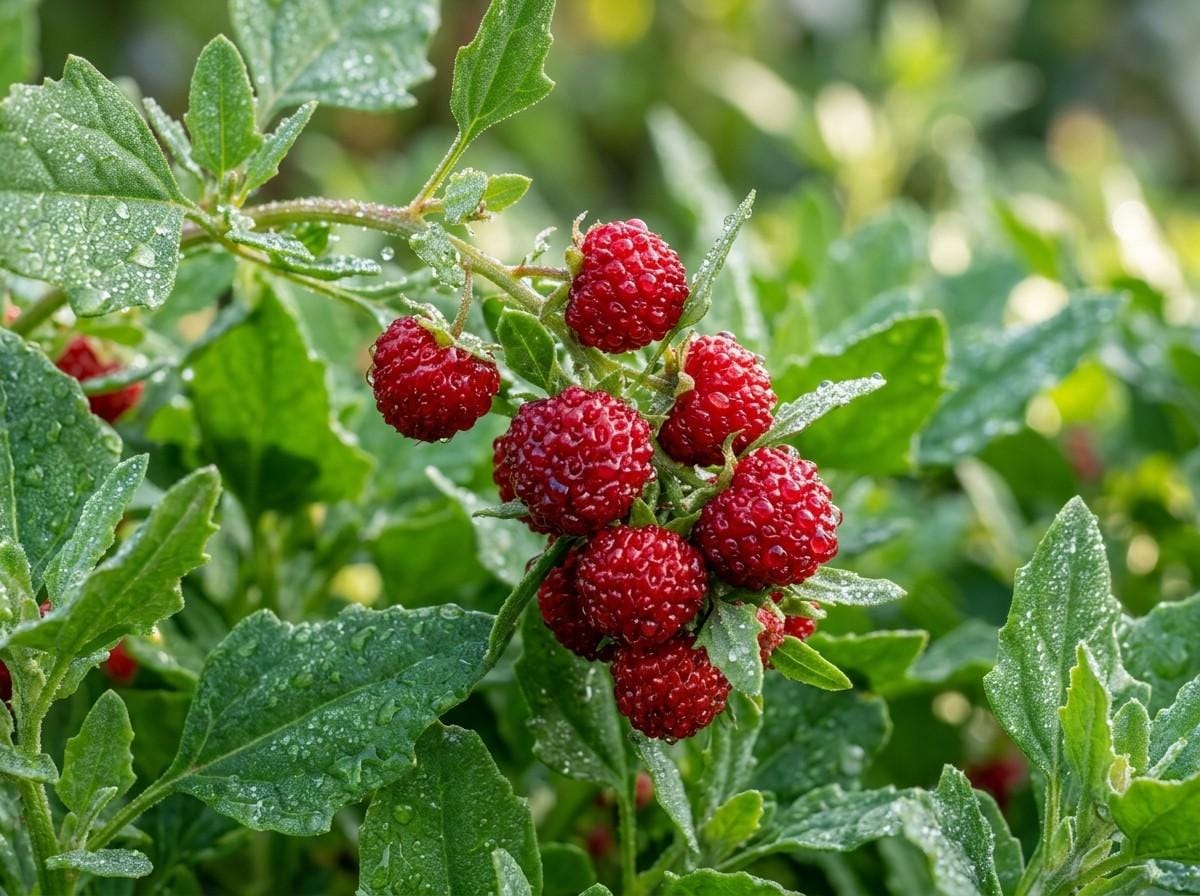
Are you looking to add something unique and nutritious to your garden? Growing strawberry spinach might be just what you need. This eye-catching plant produces tender edible leaves and bright red berry-like fruits, making it both ornamental and practical. Easy to grow and low-maintenance, strawberry spinach is an excellent choice for gardeners who want a productive, attractive, and conversation-starting addition to their vegetable garden.
This unusual plant offers bright red berries and tasty leaves, giving you a fresh twist on your usual greens. Imagine picking vibrant, juicy berries and crisp spinach right from your backyard. You’ll discover simple tips to grow strawberry spinach successfully, so you can enjoy its beauty and flavor all season long.
Ready to transform your garden? Let’s get started!
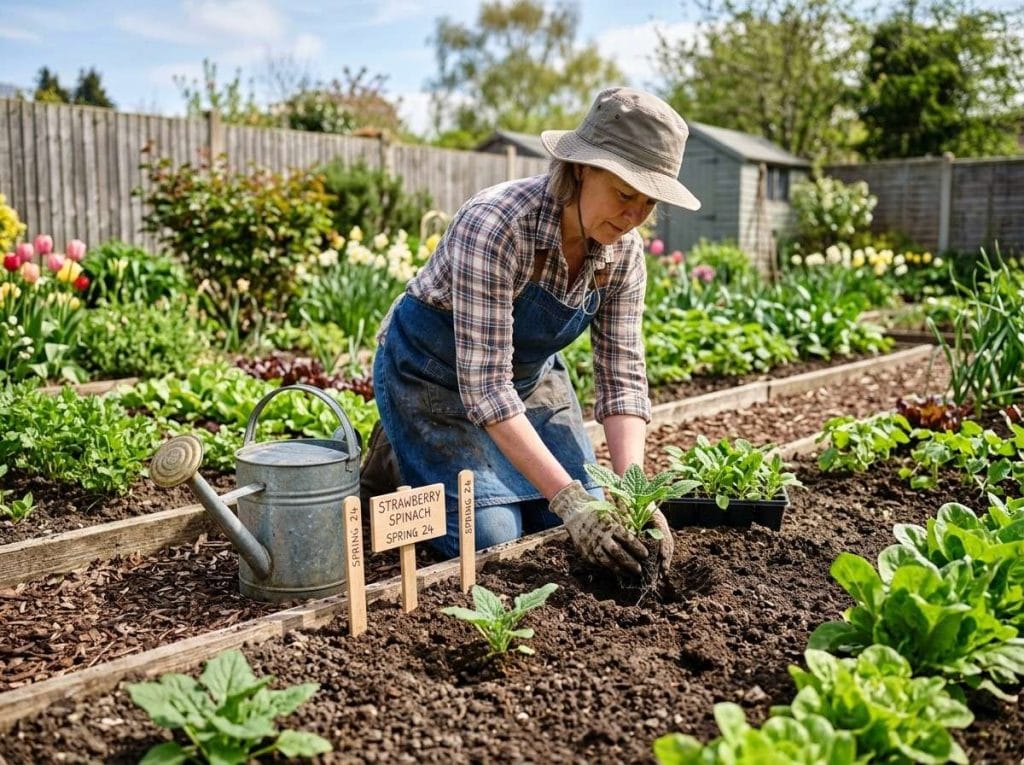
Choosing the right strawberry spinach is key to a healthy garden. This plant is unique with its red berries and leafy greens. Picking the best variety and planting method helps your garden thrive. Consider what fits your space and climate. Learn about popular varieties and decide between seeds or transplants.
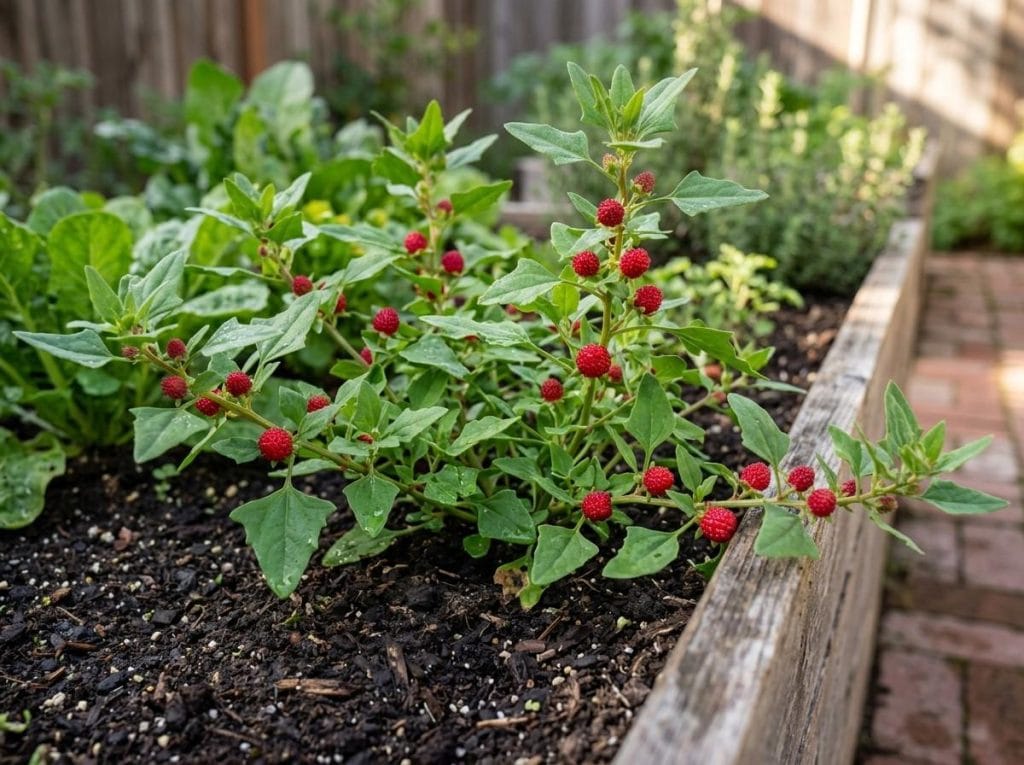
Strawberry spinach comes in a few popular types. The most common is the true strawberry spinach, which has bright red berries. Some varieties focus on bigger leaves for salads. Others produce more berries for decoration or eating. Choose a variety based on what you want to use it for. Check the plant’s size and growth speed too.
Starting from seeds is cheaper and offers many plants. Seeds need warmth and moisture to sprout well. Transplants give a head start with stronger plants. They save time and reduce risk of early pests. Transplants cost more but may grow faster. Decide based on your gardening experience and schedule. Both methods can work well for strawberry spinach.
Planting strawberry spinach starts with good preparation. This plant grows best in the right soil and climate. Proper spacing helps it get enough light and air. Follow these tips for a strong, healthy crop.
Strawberry spinach prefers soil that drains well. Choose soil rich in organic matter. It thrives in soil with a pH between 6.0 and 7.5. Avoid heavy clay or very sandy soils. Mix compost to improve soil texture and nutrients.
Plant strawberry spinach in early spring or late summer. It grows best in cool weather. Avoid planting during hot summer months. This helps prevent the plant from bolting or going to seed too soon. Keep soil moist for good seed germination.
Space seeds or seedlings about 6 to 8 inches apart. This gives each plant room to grow. Plant seeds ¼ inch deep in the soil. Cover lightly with soil and press gently. Thin seedlings if they grow too close to keep airflow open.
Growing strawberry spinach is simple with the right care. This plant thrives with regular attention. Proper watering, feeding, and mulching help it stay healthy and productive. Follow these tips to keep your strawberry spinach strong and vibrant.
Strawberry spinach needs consistent moisture. Water the plant deeply once or twice a week. Avoid letting the soil dry out completely. Too much water can cause root problems. Water early in the morning for best results.
Feed strawberry spinach every four to six weeks. Use a balanced fertilizer with equal parts nitrogen, phosphorus, and potassium. Organic options like compost or fish emulsion work well. Do not over-fertilize, as this can harm the plant.
Mulch helps keep soil moist and cool. Apply a layer of straw, leaves, or grass clippings around the plant. Mulching also reduces weeds that compete for nutrients. It improves soil health over time. Replace mulch as needed to maintain coverage.
Pest and disease control is vital for healthy strawberry spinach plants. Pests can damage leaves and stems, reducing growth. Diseases can stunt plants or kill them. Spotting problems early helps protect your garden.
Using good control methods keeps plants strong and productive. Choose ways that are safe for the environment and your family.
Aphids and spider mites often attack strawberry spinach. They suck plant juices, causing leaves to curl and yellow. Leaf miners can tunnel inside leaves, leaving white trails. Slugs and snails chew holes in leaves, especially in damp areas.
Check plants regularly for these pests. Early detection stops big infestations. Handpick larger pests like slugs to remove them quickly.
Keep plants dry to prevent fungal diseases. Water at the base, not on leaves. Space plants well to allow air flow. Remove dead or diseased leaves to stop spread.
Use clean tools and fresh soil each season. Crop rotation helps reduce soil-borne diseases. Avoid planting strawberry spinach near related plants that attract pests or diseases.
Neem oil works well to control many insect pests. Spray in the early morning or late evening. Insecticidal soap can also reduce soft-bodied insects like aphids. Use garlic spray as a natural insect repellent.
Introduce beneficial insects like ladybugs or lacewings. They eat harmful pests and keep numbers low. Use diatomaceous earth around plants to deter slugs and snails safely.
Harvesting and storing strawberry spinach properly ensures fresh, tasty leaves for your meals. Picking at the right time keeps the plant healthy and encourages new growth. Proper storage helps keep leaves crisp and flavorful longer.
Pick strawberry spinach leaves when they are young and tender. Leaves about 3 to 4 inches long taste best. Harvest before the plant flowers for milder flavor. You can also pick the red berries once they turn bright and firm.
Use clean scissors or garden shears for a neat cut. Cut leaves at the base, near the stem. Avoid pulling leaves to prevent plant damage. Pick only what you need to allow regrowth. Harvest in the morning for the freshest leaves.
Rinse leaves gently with cool water before storing. Pat dry with a clean towel or use a salad spinner. Store leaves in a breathable bag or container. Keep in the fridge’s crisper drawer to maintain freshness. Use within 3 to 5 days for best taste.
Strawberry spinach is a unique leafy green that adds color and flavor to dishes. Its red berries and tender leaves make meals more exciting. This plant grows well in gardens and can be used fresh or cooked. Using strawberry spinach in your kitchen brings variety and nutrition. It fits many recipes and provides health benefits.
Strawberry spinach works well in salads and sandwiches. The leaves taste mild and slightly sweet. The red berries add a fresh pop of color and flavor. You can cook the leaves like regular spinach. They soften quickly and blend into soups or stews. Use the berries as a garnish for desserts or breakfast bowls. This plant offers many ways to enjoy fresh, healthy meals.
Strawberry spinach is full of vitamins A and C. These vitamins support the immune system and skin health. It also contains iron, important for strong blood. The leaves have antioxidants that fight harmful molecules. The berries provide fiber, which helps digestion. Eating strawberry spinach can boost energy and improve overall health. It is a good choice for a balanced diet.
Try a strawberry spinach salad with nuts and cheese. Drizzle olive oil and lemon juice for a simple dressing. Blend the leaves into green smoothies for extra nutrients. Add berries to yogurt or oatmeal for a tasty breakfast. Cook the leaves with garlic and olive oil as a side dish. Use the berries in muffins or pancakes to add sweetness. These ideas make strawberry spinach easy to enjoy every day.
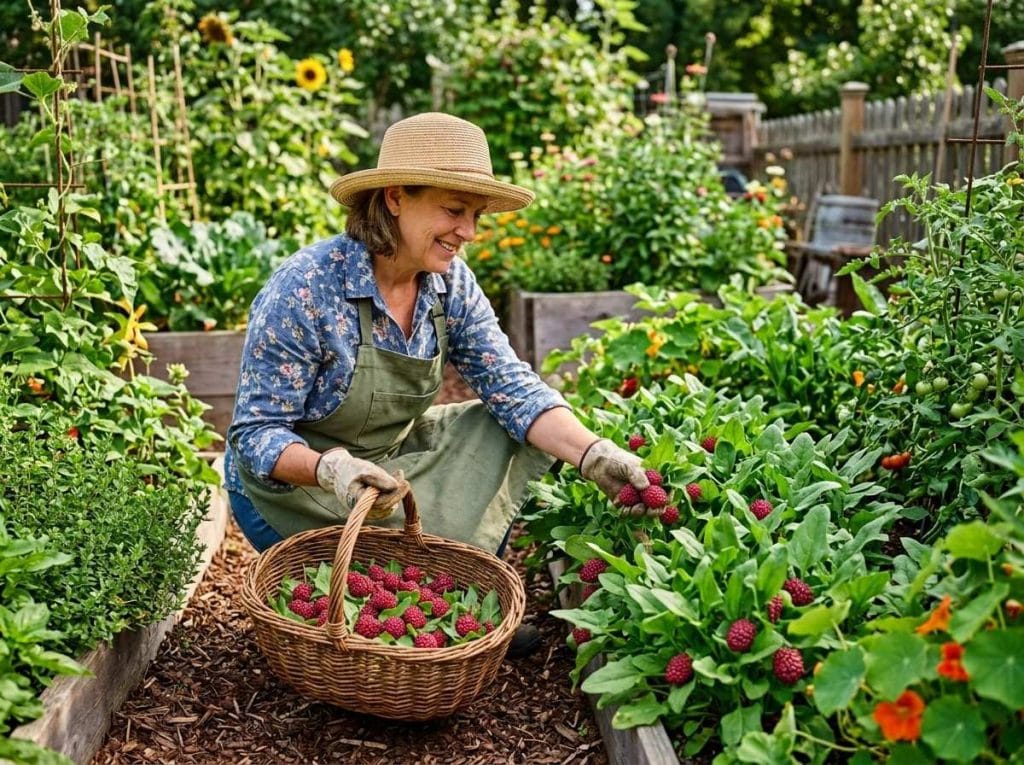
Strawberry spinach is a leafy plant with red berries resembling strawberries. Its leaves look like spinach.
Plant seeds in well-drained soil, 1/4 inch deep, in a sunny spot. Water gently.
Water strawberry spinach regularly to keep soil moist but not soggy. Avoid overwatering.
Harvest leaves when young and tender. Pick berries when they turn bright red and soft.
Yes, strawberry spinach grows well in containers with good soil and sunlight. Drainage is key.
Growing strawberry spinach adds fresh flavor and color to your garden. It thrives in cool, shady spots with well-drained soil. Regular watering keeps the leaves tender and healthy. Harvest young leaves for salads or cooking. This plant also attracts beneficial insects to your garden.
Easy to grow and maintain, it suits both beginners and experts. Give it a try for a tasty, nutritious addition to your home garden. Enjoy the unique taste and vibrant look of strawberry spinach all season long. Simple care brings great rewards.