Gardening Made Simple.
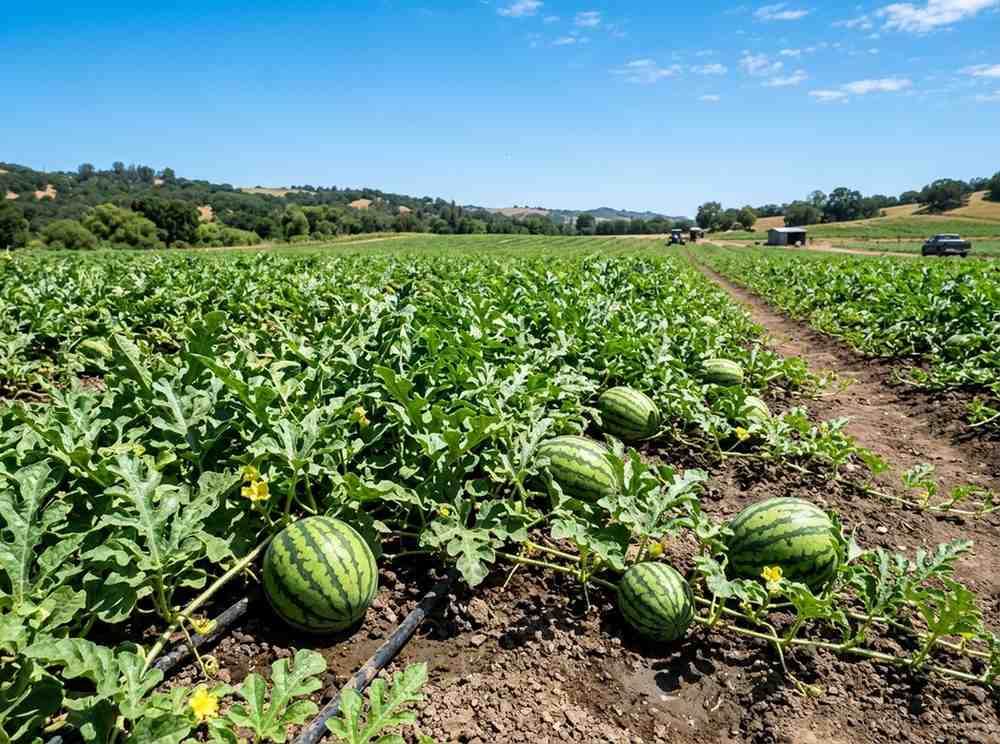
Watermelon is a symbol of summer for many people. Its sweet, juicy flesh and cooling effect make it one of the most popular fruits during hot months. But if you’ve ever craved watermelon in spring or late fall, you may have wondered: When do watermelon season start? The answer is not as simple as giving a single month or date.
Watermelon season depends on where you live, the climate, and even the type of watermelon you want to enjoy. In this article, you’ll learn when watermelon season begins in different regions, how to spot the best watermelons, and why timing matters for both flavor and nutrition.
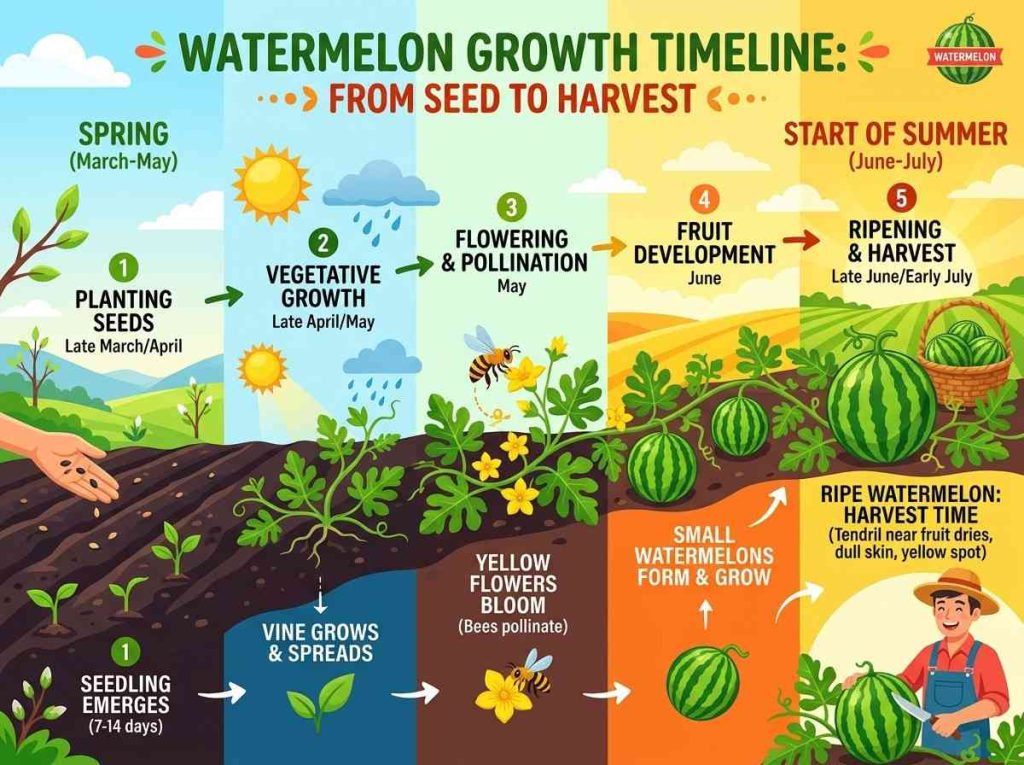
Watermelons need warm weather and lots of sunshine to grow well. They are not frost-tolerant and can only be planted after the last threat of cold has passed. The typical growing season for watermelons is during the late spring and summer months, but local conditions can shift this window.
For example, watermelons in southern states like Florida and Texas can be ready much earlier than those in the Midwest or Northeast.
There are also many varieties of watermelon, each with its own growth time. Some mature in as little as 70 days, while others need up to 100 days. Farmers choose varieties based on their climate and market needs.
To understand when watermelon season starts, it helps to know how watermelon grows:
This whole process usually takes 70–100 days. That’s why the season can shift based on when the weather warms up in each area.
Different regions in the United States have their own watermelon seasons due to differences in climate, daylight, and temperature.
| Region | Typical Start | Peak Season | End |
|---|---|---|---|
| Florida | April | May–June | July |
| Texas | May | June–July | August |
| California | May | June–August | September |
| Southeast (GA, AL, SC) | June | July | August |
| Midwest (IL, IN, OH) | Late June | July–August | September |
| Northeast (NY, MA, PA) | July | August | September |
| Northwest (WA, OR) | July | August | September |
As you can see, southern regions enjoy watermelon earliest, sometimes as soon as April. Northern regions generally wait until July or even August. This pattern repeats every year, depending on how fast the weather warms up.
If you see watermelons in the grocery store in winter or early spring, these are usually imported from countries with warmer climates, such as Mexico, Guatemala, or Honduras. Large grocery chains import fruit to keep it available year-round.
However, imported watermelons may not taste as sweet or juicy as those grown locally in season. That’s because they are often picked before fully ripe so they can survive the trip. Eating watermelon during your local season almost always gives better flavor and freshness.
Several important elements influence when watermelon season starts:
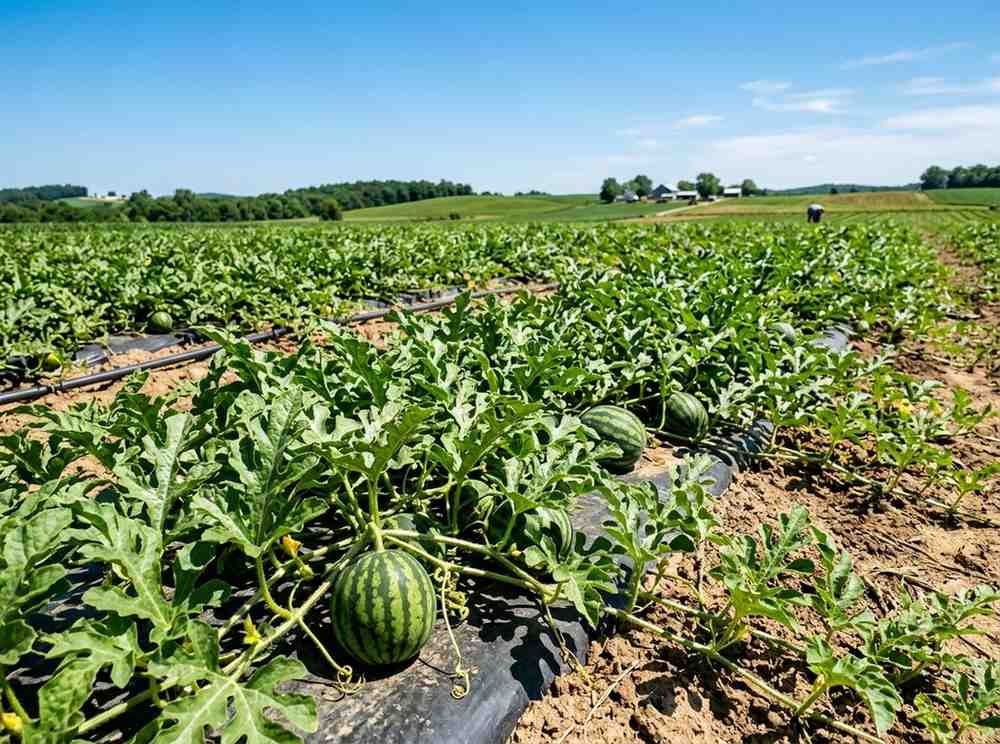
A less obvious factor is soil temperature. Many beginners don’t realize that watermelon seeds won’t germinate in cold ground. Even if the air feels warm, the soil may still be too chilly in early spring. Using black plastic mulch or raised beds can help warm the soil sooner and give farmers a head start.
Watermelon is grown in over 100 countries. The timing of the season changes depending on the hemisphere and climate zone.
| Country | Planting Season | Harvest Season | Main Production Region |
|---|---|---|---|
| United States | April–June | May–September | Florida, Texas, California |
| China | March–May | June–September | Hebei, Xinjiang |
| Mexico | December–March | March–June | Sonora, Jalisco |
| Brazil | August–October | November–February | Bahia, Rio Grande do Sul |
| Spain | February–April | June–August | Andalusia, Murcia |
| Australia | August–September | December–March | Queensland, Northern Territory |
This table shows how the watermelon season is different in each country, depending on local weather and whether it is in the Northern or Southern Hemisphere.
How can you tell when watermelon season is starting in your area? Here are some signs to watch for:
Some people make the mistake of buying watermelons too early, when they are still coming from far away. These are often less flavorful. Waiting a few weeks for your local season can really make a difference.
Knowing when watermelon season starts is only part of the story. Picking a good watermelon is an art, and in-season fruit is usually best. Here are some tips:
A surprising tip: Some people think bigger is always better, but medium-sized watermelons often have better texture and sweetness. Also, seedless varieties can taste just as good as seeded ones if picked at the right time.
Eating watermelon during its natural season is not just about taste. In-season watermelons are:
A 2-cup serving of watermelon contains about 80 calories, over 20% of your daily vitamin C, and is 92% water—helping you stay hydrated in the summer heat. Lycopene, the pigment that gives watermelon its red color, is linked to better heart health and lower cancer risk, according to the National Institutes of Health.
There are more than 1,200 types of watermelon in the world, but just a few are common in the U.S. Each has its own season and taste:
| Variety | Days to Maturity | Peak Harvest | Notes |
|---|---|---|---|
| Crimson Sweet | 80–85 | July–August | Classic striped, very sweet |
| Jubilee | 90–95 | July–August | Large, oblong, popular in the South |
| Charleston Gray | 85–100 | July–September | Long shape, disease-resistant |
| Sugar Baby | 70–75 | June–July | Small, early season |
| Seedless (triploid) | 85–90 | June–August | Convenient, popular for families |
Choosing the right variety for your area can help you enjoy watermelons earlier or later, depending on your preference.
Many people dream of growing their own watermelons at home. If you want to do this, timing is everything. Here’s how to plan:
Homegrown watermelons are often smaller but can taste even better than store-bought when picked at the peak of ripeness. Many beginners forget to plan for space—watermelon vines need lots of room to spread out.
Even experienced shoppers can make mistakes about watermelon season. Here are some things to avoid:
A non-obvious tip: Watch for weather news in your region. A late frost or heavy rain can delay the season. Talking with local farmers or market sellers is often the best way to know when true watermelon season has begun.
Eating in-season watermelon helps the environment in several ways:
Imported watermelons are sometimes necessary, but they often have a larger carbon footprint. Enjoying watermelon when it’s truly in season is better for you and the planet.
These numbers show just how important watermelon is to summer culture and agriculture.
The best month depends on your region. In most of the U.S., July is peak watermelon season. In the South, June is also good. Buying in peak months gives the best taste and price.
You can find watermelon year-round, but it may come from other countries. Out-of-season watermelons are often less sweet, as they are picked before fully ripe. For the best quality, buy during your local season.
Check for a creamy yellow spot (field spot), dull skin, and a hollow sound when tapped. The watermelon should feel heavy for its size. These signs mean the fruit is ripe and ready to eat.
In most places, watermelon season lasts about 3–4 months, from late spring to early fall. Southern states have a longer season, while northern states have a shorter one.
Yes, seedless and seeded watermelons have similar seasons. Both types are grown together and are available at the same time in most regions.
Enjoying watermelon at the right time is a classic summer pleasure. Whether you’re shopping at the farmers’ market or growing your own, knowing when watermelon season starts will help you get the juiciest, most flavorful fruit. With the tips and insights in this guide, you’re ready to make the most of every bite.