Gardening Made Simple.
Have you ever wondered if a fungus and a mushroom are actually the same thing? You might be surprised to learn that many people use these words interchangeably, but understanding Is a Fungus the Same Thing As a Mushroom can help clear up the confusion and explain how fungi and mushrooms are connected.
Understanding the difference can change the way you see the natural world around you—and even impact your health and cooking. Keep reading to discover the simple facts that will clear up the confusion and give you a fresh perspective on these fascinating organisms.
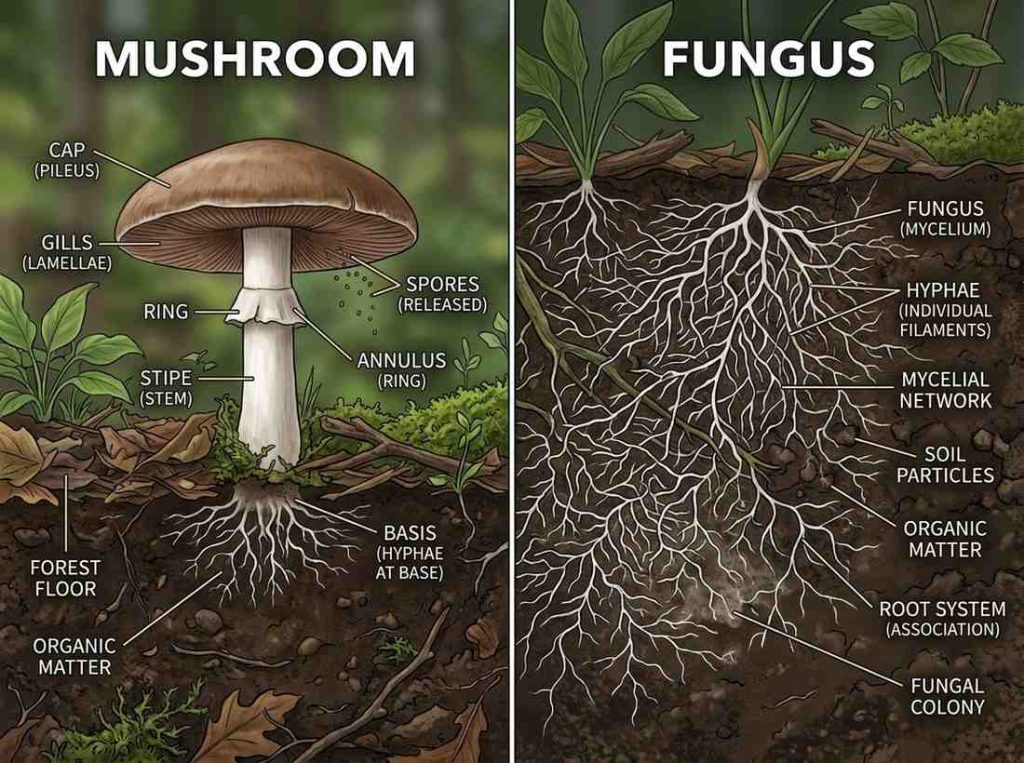
Many people use the words fungus and mushroom as if they mean the same. They do not. Understanding their differences helps us see the natural world more clearly.
Fungi is a large group of living things. Mushrooms are just one part of this group. This section explains what fungi and mushrooms really are.
Fungi are living organisms like plants and animals. They grow on soil, wood, and other places. Fungi get food by breaking down dead things. They do not make their own food like plants do.
Fungi can be very small or big. Some fungi look like mold or yeast. Others form shapes like mushrooms. They play a key role in nature by recycling nutrients.
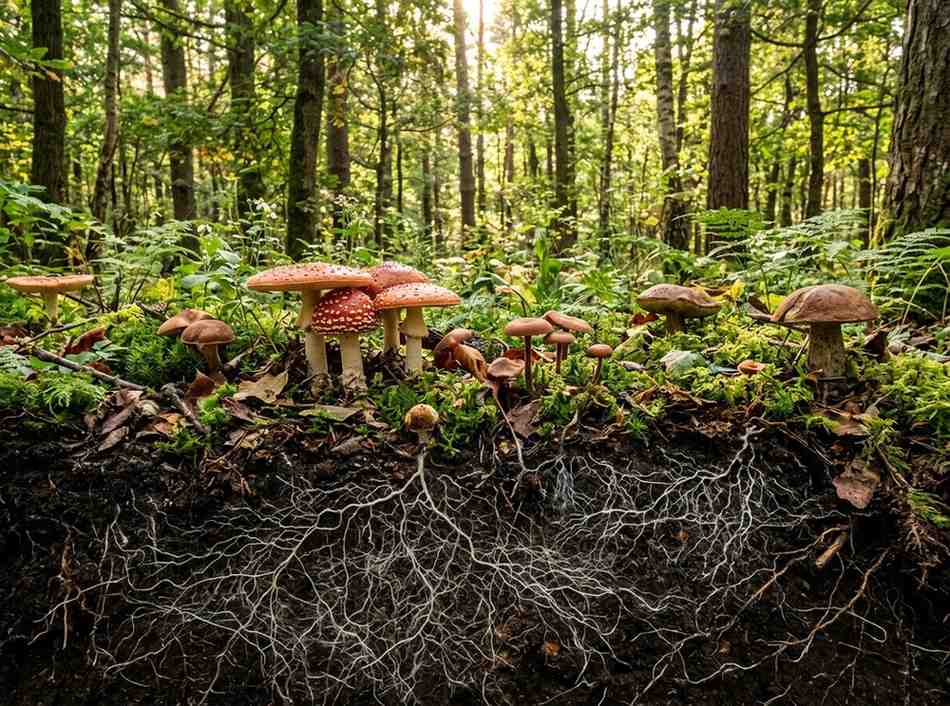
Mushrooms are the fruiting bodies of some fungi. They are the part we see above the ground. Mushrooms produce spores to make new fungi. They often have a cap and a stem.
Not all fungi make mushrooms. Only some types produce these visible structures. Mushrooms can be edible or poisonous. Identifying them correctly is very important.
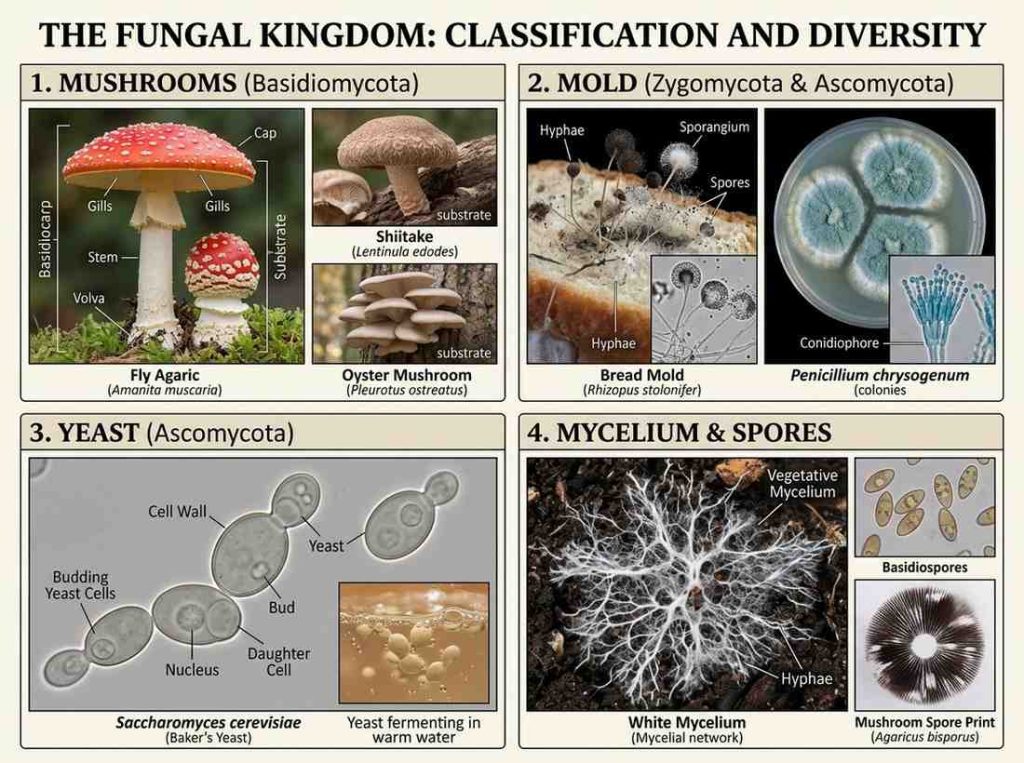
Fungi include many groups: molds, yeasts, and mushrooms. Mushrooms belong to a group called Basidiomycetes. This group makes spores on small structures called basidia.
Other fungi groups do not form mushrooms. For example, yeasts are single-celled fungi. Molds grow as threads and rarely produce mushrooms. This shows how diverse fungi really are.
Mushrooms are part of a large group called fungi. All mushrooms are fungi, but not all fungi are mushrooms. Fungi include many organisms that grow in soil, on wood, or in water. Mushrooms are the fruiting bodies of certain fungi. They appear above ground and release spores for reproduction. Understanding this helps to see how mushrooms fit into the bigger fungal family.
Mushrooms come in many shapes, sizes, and colors. Some are edible and popular in cooking. Others can be toxic and harmful if eaten. There are also medicinal mushrooms used in health remedies. Common types include button, shiitake, and portobello mushrooms. Each type grows in different environments and seasons. Knowing these types helps identify mushrooms safely.
Many fungi do not produce mushrooms at all. These fungi often grow as mold or yeast. Mold can appear as fuzzy patches on food or walls. Yeast is used in baking and brewing but looks very different. These fungi reproduce by spores or budding, not by mushrooms. They play important roles in nature and industry. This shows fungi have many forms beyond just mushrooms.
The fungi life cycle and structures reveal how fungi grow and reproduce. Fungi include many types, not just mushrooms. Their life cycle has unique stages that differ from plants and animals. Understanding these stages helps explain the role of fungi in nature.
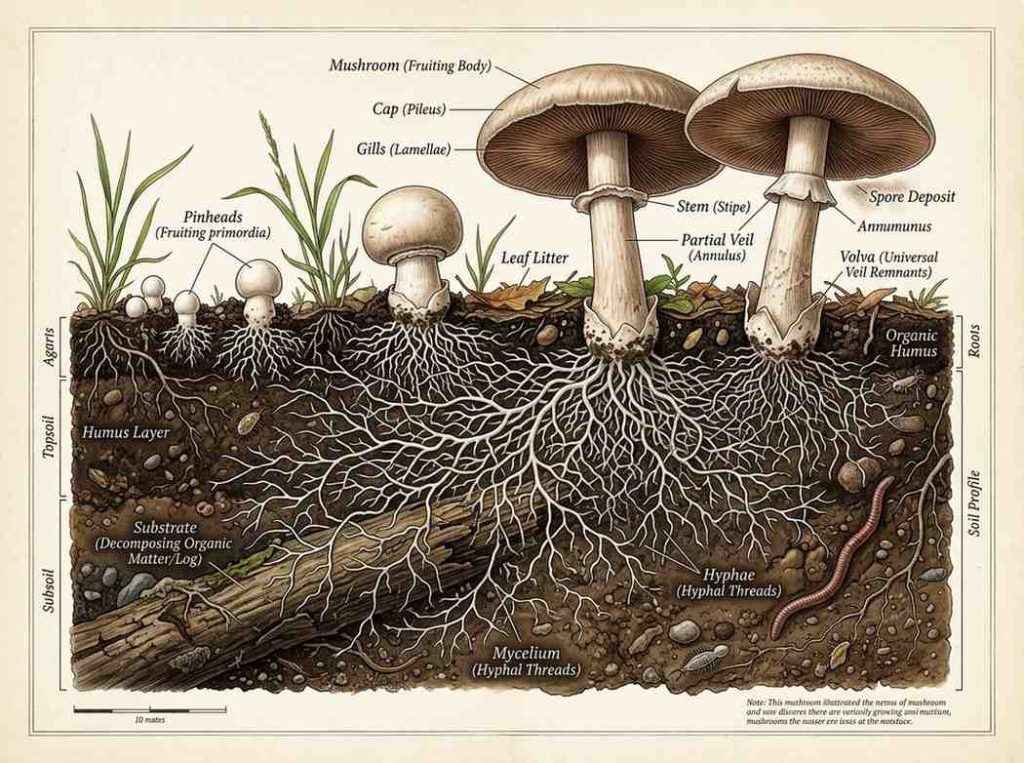
Fungi start as tiny threads that spread underground or inside decaying matter. These threads form a network that absorbs nutrients. Later, fungi produce visible parts called fruiting bodies. These fruiting bodies create spores to continue the cycle.
Mycelium is a web of thin threads called hyphae. It grows underground or inside wood, leaves, and soil. This network absorbs water and nutrients from the environment. Mycelium can cover large areas and connect different plants. It plays a key role in breaking down dead material. Without mycelium, fungi cannot survive or grow mushrooms.
Fruiting bodies are the visible parts of fungi. Mushrooms are the most common fruiting bodies. They grow from the mycelium when conditions are right. Their main job is to produce spores for reproduction. Spores spread by wind, water, or animals. Once spores land in a good spot, they grow new mycelium. This cycle keeps fungi alive and spreading.
Fungi and mushrooms play important roles in nature. They help keep the environment healthy and balanced. These roles include breaking down dead matter, forming partnerships with plants, and sometimes causing diseases. Understanding these functions shows how fungi and mushrooms impact ecosystems.
Fungi break down dead plants and animals. They turn this matter into nutrients that soil and plants can use. Mushrooms are the fruiting bodies of some fungi. They help spread spores to grow new fungi. This process recycles nutrients and keeps the soil fertile.
Many fungi live in close partnerships with plants. These relationships help plants absorb water and nutrients. Fungi get food from the plants in return. Mushrooms often come from fungi that support trees and other plants. These partnerships improve plant growth and health.
Some fungi cause diseases in plants and animals. These harmful fungi can damage crops and forests. Mushrooms can also be part of these harmful fungi groups. Understanding pathogenic fungi helps protect plants and animals from harm.
Fungi and mushrooms play important roles in human life beyond nature. People use them in many ways, from food to medicine and industry. Understanding these uses helps us see their value clearly.
Mushrooms are popular in many kitchens worldwide. They add flavor and texture to dishes. Some mushrooms are eaten fresh, while others are dried or canned. Fungi also help make fermented foods like soy sauce and cheese. Their unique taste and nutrients make meals healthier and more enjoyable.
Many fungi contain compounds that support health. Some mushrooms help boost the immune system. Others may reduce inflammation or fight infections. Traditional medicine has used fungi for centuries. Modern science studies these benefits to create new medicines. Fungi offer natural options for health improvement.
Fungi contribute to various industries beyond food and health. They help produce antibiotics and enzymes. Fungi are used in bio-remediation to clean polluted environments. Some fungi help make biofuels from waste materials. Their versatility makes them valuable in many industrial processes.
Many people mix up fungi and mushrooms, causing confusion. This section clears up common misunderstandings. It shows how mushrooms relate to fungi and other organisms. Understanding these facts helps you see the true nature of mushrooms.
Not all mushrooms are safe to eat. Some are poisonous and can cause serious illness. Edible mushrooms are only a small part of the mushroom world. Always identify mushrooms carefully before eating. Never assume a mushroom is safe just because it looks common.
Fungi include mushrooms, molds, and yeast. Mold is a type of fungus, but it looks different. Mold grows as fuzzy patches on food and walls. Mushrooms grow as a stalk and cap above the ground. Both are fungi but have different roles and forms.
Mushrooms are not plants. They do not make their food like plants do. Mushrooms get nutrients by breaking down dead material. Plants use sunlight to create energy through photosynthesis. Mushrooms belong to a separate group called fungi. They have unique structures and functions.
Fungi are a large group of organisms, while mushrooms are a type of fungus with a visible fruiting body.
Yes, all mushrooms belong to the fungi kingdom but not all fungi produce mushrooms.
Yes, many fungi live as molds or yeasts and do not form mushrooms at all.
No, only some fungi grow mushrooms; others reproduce differently without visible mushrooms.
Mushrooms are fruiting bodies that appear to release spores, often under specific conditions like moisture.
Fungi and mushrooms are closely related but not the same. Mushrooms are a type of fungus, just one group among many. Fungi include molds, yeasts, and more. Mushrooms grow above ground and have a visible shape. Other fungi often live hidden or microscopic.
Knowing this helps you understand nature better. Next time you see a mushroom, remember it’s part of a larger fungal family. Simple, fascinating, and important to the ecosystem.