Gardening Made Simple.

Are you ready to discover how to grow your own delicious portobello mushrooms right at home? Growing these meaty, flavorful mushrooms is easier than you might think, and it can bring fresh, healthy ingredients straight to your kitchen. Learning How to Grow Portobello Mushrooms the right way ensures a lush, productive harvest and perfectly textured mushrooms every time.
Imagine harvesting your own mushrooms whenever you want—no store trips, no guessing if they’re fresh. In this guide, you’ll learn simple steps to start growing portobellos successfully, even if you’ve never grown mushrooms before. Keep reading, and soon you’ll be enjoying homegrown mushrooms that impress your family and friends!
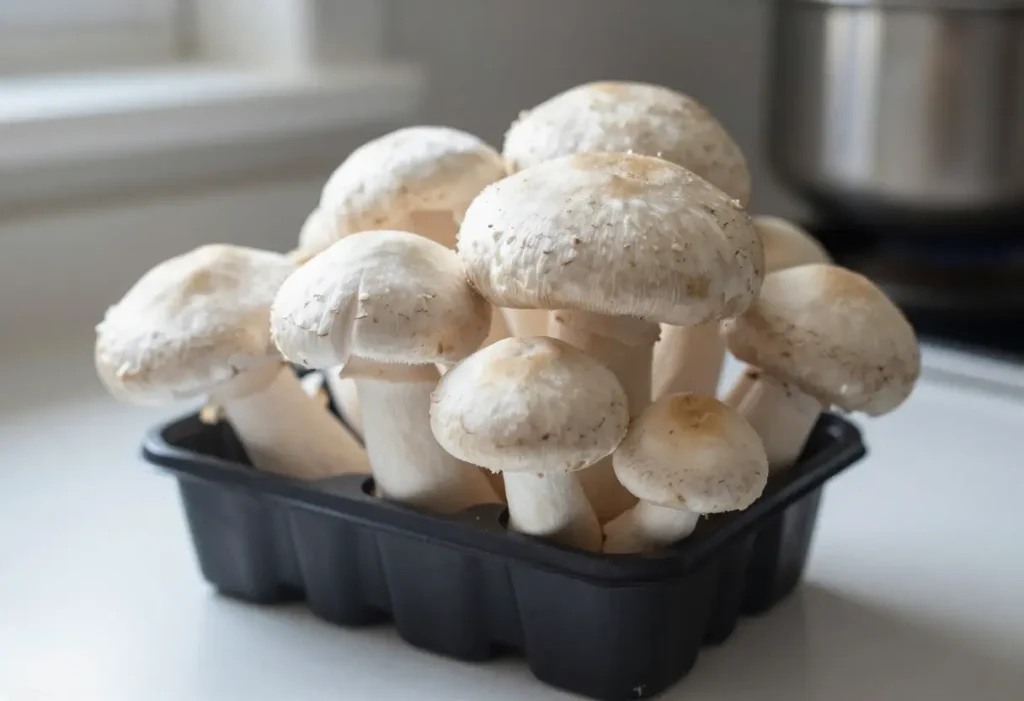
Choosing the right spawn is a key step in growing healthy Portobello mushrooms. Spawn acts like a seed for mushrooms. It contains the mycelium, which will grow into mushrooms under the right conditions. Picking good quality spawn improves your chances of a strong harvest.
Not all spawn is the same. Different types suit different growing methods. Knowing the options helps you pick the best for your setup. It also saves time and effort. Quality spawn leads to bigger, fresher mushrooms.
There are mainly three types of spawn for Portobello mushrooms. Grain spawn is popular and easy to use. It contains mycelium grown on grains like rye or wheat. It spreads quickly in the growing medium.
Sawdust spawn is another choice. It has mycelium on fine sawdust. This spawn works well for wood-based growing materials. It can take longer to colonize but is effective.
Cake spawn is less common for Portobellos. It uses sterilized blocks or cakes of substrate fully colonized with mycelium. It is often used by hobby growers and small farms.
Buy spawn from trusted suppliers only. Quality spawn is clean and fresh. It should come with clear instructions and a sell-by date. Avoid spawn that looks dry or has strange colors.
Specialty mushroom farms and garden centers often sell good spawn. Online stores also offer a wide selection. Check reviews to find reliable sellers. Order spawn shortly before you plan to start growing.
Proper storage is important. Keep spawn cool and dry until use. This helps keep the mycelium alive and active. Good spawn boosts your success with Portobello mushrooms.
Preparing the growing medium is a key step in growing portobello mushrooms. The right medium provides nutrients and a good environment. This helps the mushrooms grow strong and healthy.
The growing medium must be clean and well-prepared. This reduces the risk of disease and pests. It also helps mushrooms to develop fully.
Choose compost rich in organic matter for best results. Horse manure mixed with straw works well. It provides nutrients mushrooms need to grow. Avoid fresh manure as it can harm the mushrooms.
The compost should be moist but not too wet. Too much water can cause mold and rot. Check the compost's smell; it should smell earthy, not sour.
Sterilize the compost to kill harmful bacteria and fungi. Use steam or heat to sterilize it properly. This helps create a safe environment for mushrooms.
After sterilizing, condition the compost by letting it cool. Mix it well to spread moisture evenly. Proper conditioning prepares the medium for mushroom spawn.
Setting up the right space helps portobello mushrooms grow strong and healthy. They need a clean, dark, and moist place to thrive. Preparing the area correctly makes a big difference in how well your mushrooms grow. Focus on temperature, humidity, lighting, and air flow. These factors create the perfect environment for portobello mushrooms.
Portobello mushrooms grow best between 65°F and 75°F (18°C to 24°C). Keep the temperature steady to avoid stress. Humidity should stay high, around 85% to 90%. High humidity prevents the mushrooms from drying out. Use a humidifier or mist water to keep moisture levels right. Avoid damp spots that cause mold or rot.
Portobello mushrooms do not need bright light. A little indirect light helps them grow well. Avoid direct sunlight as it dries out the mushrooms. Fresh air is important to stop stale conditions. Good ventilation reduces the risk of mold. Use a small fan or open vents to keep air moving gently. Proper airflow keeps mushrooms healthy and strong.
Planting the spawn is the first step to growing healthy Portobello mushrooms. Spawn contains the mushroom mycelium, which will grow and produce mushrooms. Proper planting helps the mycelium spread well in the growing medium. This stage sets the foundation for a good harvest.
Start with clean hands and tools to avoid contamination. Spread the spawn evenly over the prepared compost or substrate. Gently mix the spawn into the top layer without crushing it. Cover the bed with a thin layer of casing soil. Keep the area shaded and cool during this process. Avoid pressing down too hard on the spawn to protect the mycelium.
Keep the growing medium moist but not wet. Water lightly every day or as needed to prevent drying. Use a spray bottle for gentle misting. Too much water can cause mold or rot. Check moisture levels by touching the surface; it should feel damp. Proper moisture helps the mycelium grow strong and healthy.
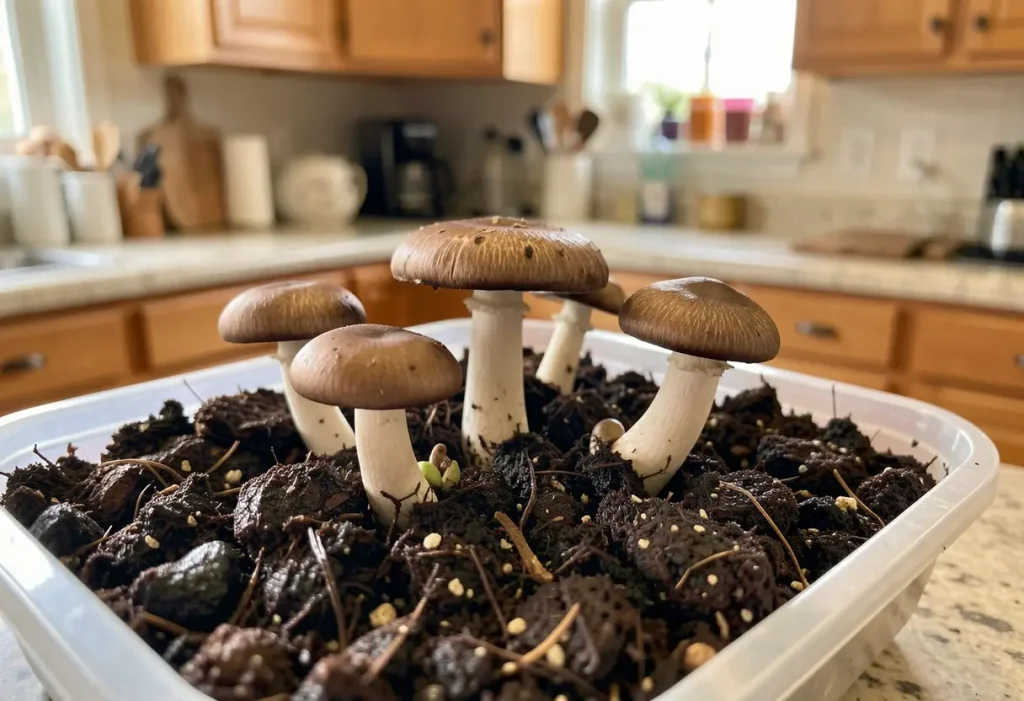
Caring for mushroom beds is key to growing healthy Portobello mushrooms. Proper care helps mushrooms grow strong and produce more. It means paying close attention to water, pests, and diseases. A well-maintained bed creates the perfect environment for mushrooms to thrive.
Keep the mushroom bed moist but not wet. Use a spray bottle or fine mist to water gently. Avoid pouring water directly onto mushrooms or the bed. Water early in the day to allow drying before night. Check moisture levels daily to prevent drying out or waterlogging.
Watch for signs of pests like flies or mites. Use natural pest control methods, such as neem oil or insecticidal soap. Remove any infected mushrooms or compost to stop spread. Keep the area clean and free from old debris. Good airflow reduces disease risk and keeps mushrooms healthy.
Harvesting Portobello mushrooms is a key step in growing your own fungi. Picking mushrooms at the right time ensures the best taste and texture. It also helps keep your mushroom bed healthy for future harvests.
Knowing when to pick and how to do it correctly protects the mushrooms and your plants. Careful harvesting improves your chances of growing more mushrooms soon.
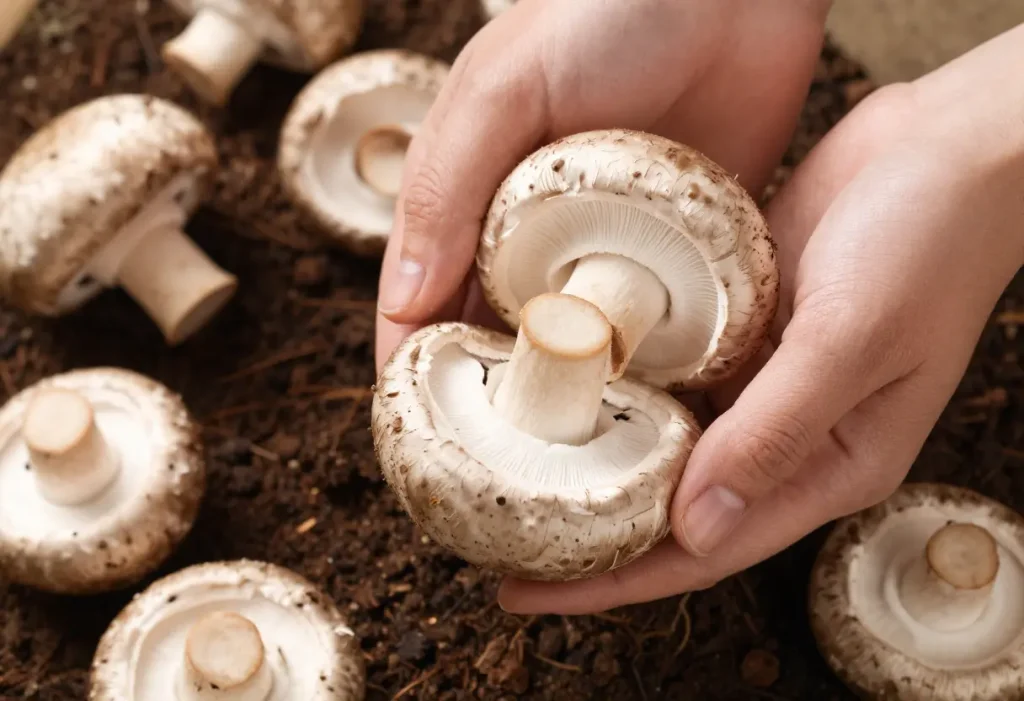
Portobello mushrooms are ready to harvest when their caps are fully open. The caps should be large and flat, about 4 to 6 inches wide. Look for dark brown gills underneath the cap. These gills should be visible but not overly dry or curled up.
If the cap edges start to turn upward, it means the mushroom is mature. At this stage, the mushroom is flavorful and firm. Avoid picking mushrooms that are too small or have tightly closed caps. These need more time to grow.
Use a clean knife or twist the mushroom gently at the base. Avoid pulling, as this can damage the mycelium below. Hold the stem close to the base and cut carefully to prevent harm.
Place harvested mushrooms in a basket or container. Avoid stacking them too high to prevent bruising. Clean the mushrooms with a soft brush or damp cloth before use. Do not wash them with water until you are ready to cook.
Growing portobello mushrooms can be very rewarding. Extending your harvest season means more mushrooms to enjoy. It also makes your growing efforts more efficient. Simple steps can help you get multiple harvests from one batch. This section explains how to reuse compost and start new batches.
Compost is the base where mushrooms grow. After the first harvest, the compost still holds nutrients. You can reuse it for another crop. Remove old mushroom roots carefully to avoid damaging the compost. Keep the compost moist and in a cool place. This helps new mushrooms grow faster.
Starting new batches regularly keeps your harvest steady. Prepare fresh compost or mix reused compost with new material. Add mushroom spawn to the prepared compost. Maintain the right temperature and humidity for growth. Starting batches every few weeks means fresh mushrooms often. This method keeps your harvest season longer and more productive.
Growing portobello mushrooms can sometimes be tricky. Problems may arise during the process. Identifying and fixing these issues fast helps your mushrooms grow healthy. This section guides you on common problems and how to solve them.
Contamination is a major problem in mushroom growing. It can ruin your entire crop. Keep your tools and hands clean. Use gloves and sanitize surfaces before handling the mushrooms. Avoid using old or spoiled compost. Store mushroom kits in a clean, dry place. Good airflow helps stop mold and bacteria. Check regularly for any signs of contamination. Remove infected parts immediately to protect the rest.
Poor growth slows your harvest and wastes effort. Check if your mushrooms get enough moisture. Dry conditions stunt growth. Mist them lightly but avoid soaking. Temperature matters too. Portobellos prefer cooler spots, around 60-70°F (15-21°C). Too hot or cold slows development. Light also affects growth. Keep the area dim but not dark. Finally, check the substrate quality. Old or poor substrate causes weak mushrooms. Replace it if needed to boost growth.
Portobello mushrooms grow well between 65°F and 75°F for optimal growth and yield.
It usually takes about 3 to 4 weeks from spawning to harvest.
Use rich composted manure or a special mushroom growing mix for best results.
Keep the soil moist by watering lightly every day or when the surface feels dry.
Yes, they can grow indoors with proper humidity, temperature, and light control.
Growing Portobello mushrooms can be a fun and rewarding task. Keep your growing area clean and moist. Use good quality compost or soil for best results. Watch your mushrooms carefully as they grow. Harvest them when they reach a good size.
Enjoy fresh, home-grown mushrooms in your meals. With patience and care, you will succeed. Give it a try and enjoy the process!