Gardening Made Simple.
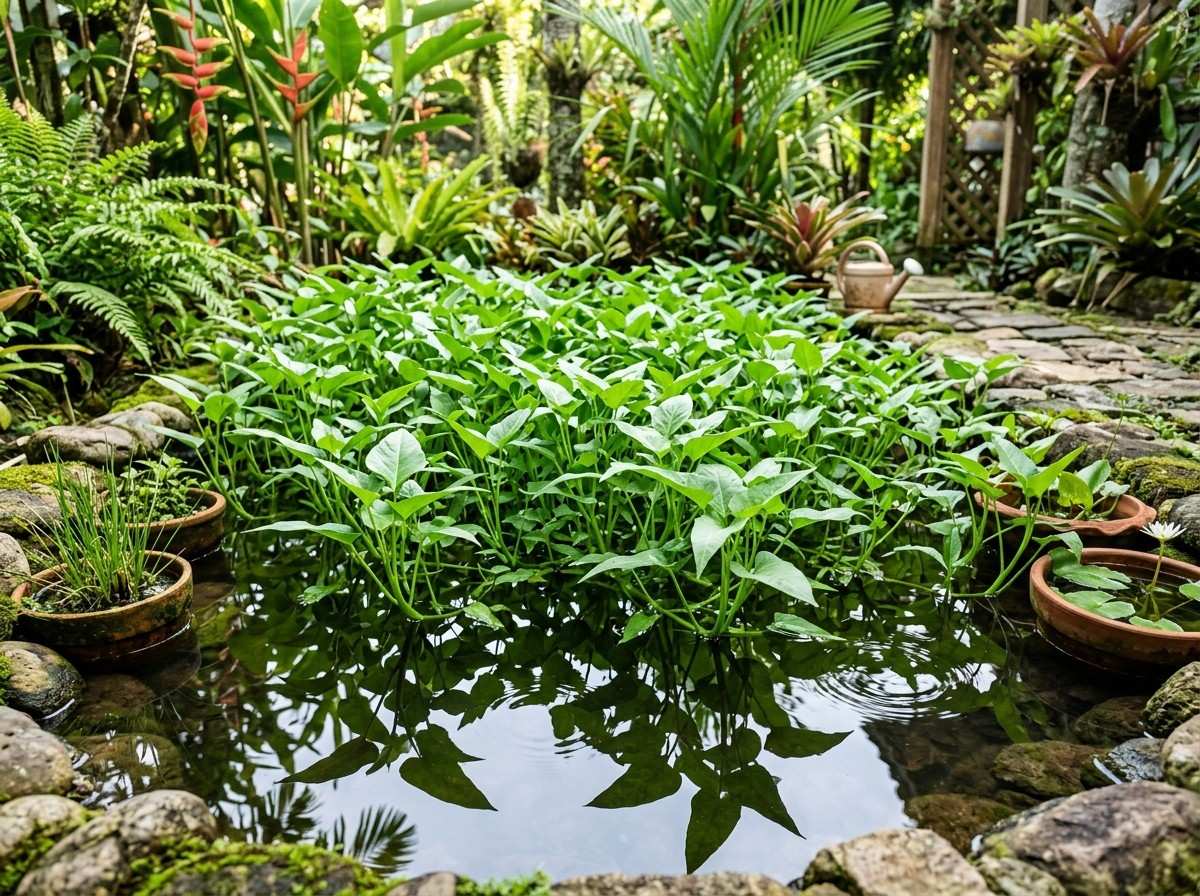
Are you ready to add fresh, crunchy water spinach—also known as kangkong—to your garden or kitchen? Growing this vibrant green vegetable is easier than you might think, and it can bring a burst of flavor and nutrition right to your fingertips.
Learning How to Grow Water Spinach Kangkong will help you produce fast-growing, healthy plants whether you're gardening in soil, raised beds, or containers. With the right care, you can enjoy a continuous harvest of fresh, nutritious greens throughout the growing season.
Whether you have a backyard, a balcony, or even just a sunny windowsill, you can start growing kangkong today. Keep reading, and you’ll discover simple, proven steps to grow healthy water spinach that will thrive and impress your family and friends.
Your journey to fresh, homegrown greens begins here!
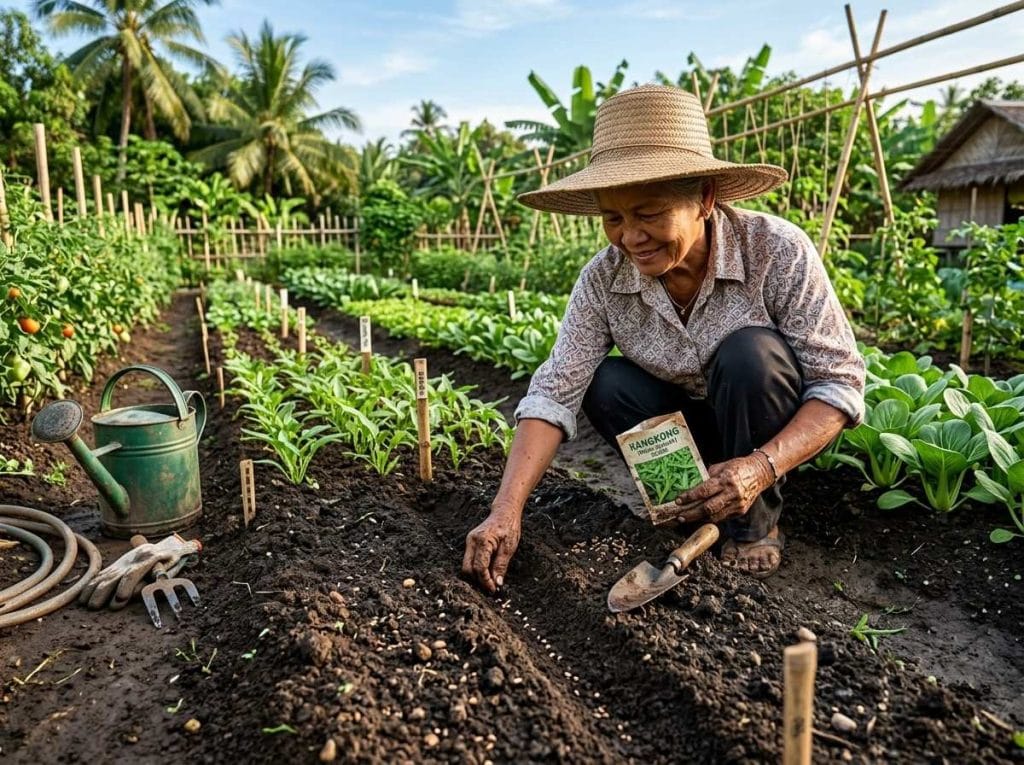
Choosing the right variety of water spinach, also called kangkong, is key to a healthy garden. Different types grow best in different climates and soils. This choice affects the plant’s taste, growth speed, and yield.
Some varieties handle heat better. Others resist pests or produce more leaves. Picking the right type saves time and effort. It also means a better harvest for cooking or selling.
Asian kangkong is popular in many dishes. It has tender leaves and thin stems. It grows fast and likes warm, wet conditions.
Western varieties have thicker stems and leaves. They may grow slower but are hardier. These types suit cooler climates better.
Some varieties have narrow, arrow-shaped leaves. Others have broader, round leaves. Leaf size affects cooking style and texture.
Choose narrow leaves for stir-fry dishes. Broader leaves work well for soups and salads. Size also influences how much space the plant needs.
Fast-growing varieties produce more leaves quickly. They are ideal for frequent harvesting. Slower types need more care but may last longer.
Consider how much kangkong you need. Plant varieties that match your harvest goals. This helps avoid waste and keeps plants healthy.
Water spinach, also known as kangkong, thrives best under specific conditions. Understanding these conditions helps you grow healthy and vibrant plants. This section explains the ideal environment for kangkong to flourish.
Kangkong grows well in moist, fertile soil. The soil should drain well but hold some moisture. Loamy or sandy soil with organic matter is perfect. Avoid heavy clay soils that stay waterlogged. A slightly acidic to neutral pH between 6 and 7 suits kangkong best.
Water spinach needs full sun to grow fast. It requires at least 6 hours of direct sunlight daily. The ideal temperature range is 75°F to 95°F (24°C to 35°C). Kangkong does not like cold or frost. Warm weather helps it grow lush and green.
Kangkong loves water and grows well near ponds or streams. Keep the soil consistently moist but not flooded. Water regularly, especially during dry spells. Proper watering prevents wilting and supports steady growth.
Planting water spinach, also called kangkong, starts with choosing the right method. This plant grows fast and likes warm weather. You can start it from seeds or cuttings. Both ways are easy and work well. Proper spacing and planting depth help the plant grow strong. Let’s explore the best ways to plant water spinach.
Plant water spinach seeds in moist soil. Sow them about 1/4 inch deep. Keep the soil warm and wet for quick germination. Seeds usually sprout in 7 to 10 days. Thin seedlings so they have enough space to grow. Starting from seeds is simple and cost-effective.
Cut healthy stems about 6 to 8 inches long. Remove leaves from the bottom part. Place cuttings in water until roots form. Roots appear in 5 to 7 days. Then plant the cuttings in soil or directly in water. Cuttings grow faster than seeds and give quick results.
Space plants at least 12 inches apart. This spacing helps air flow and prevents disease. Plant seeds or cuttings 1 to 2 inches deep. Keep soil moist but not soggy. Proper spacing and depth encourage strong roots and healthy leaves.
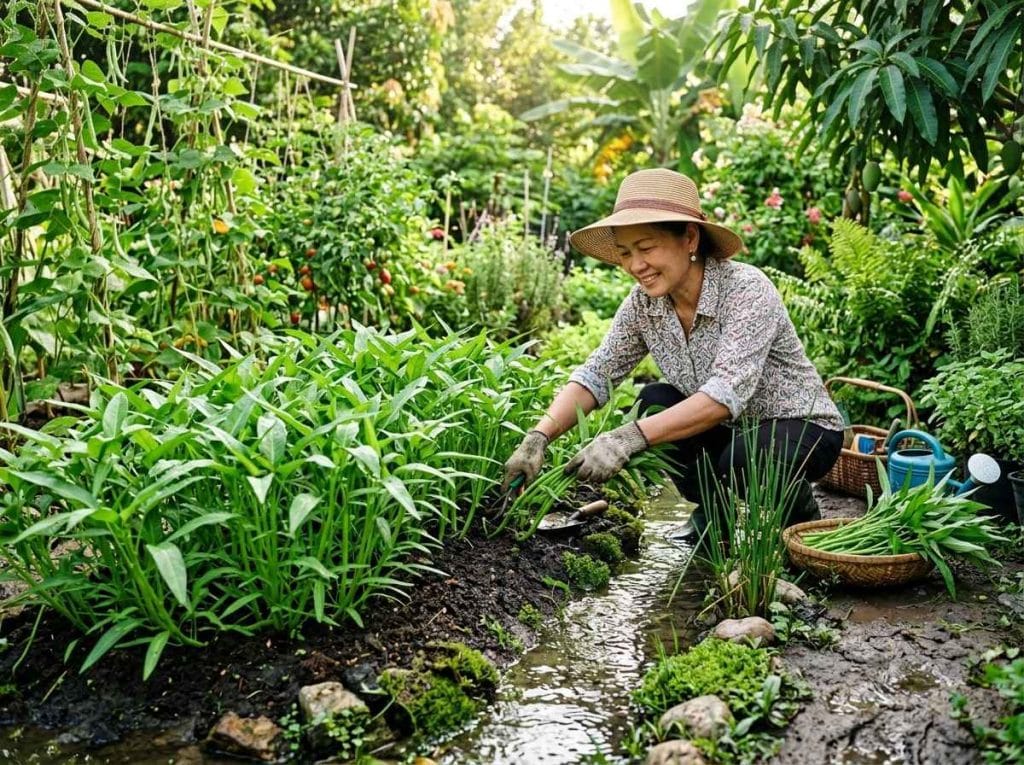
Caring for your water spinach kangkong plants is key to a healthy, bountiful harvest. Proper care helps the plants grow strong and resist pests. It also ensures the leaves stay fresh and tender for cooking. A few simple steps can keep your kangkong thriving throughout the season.
Water spinach loves moist soil but not soggy roots. Water your plants deeply every two to three days. Increase watering during hot, dry weather to keep soil damp. Avoid letting the soil dry out completely. Use a watering can or hose with a gentle spray to protect young plants.
Feed your kangkong plants every two weeks for best growth. Use a balanced fertilizer with equal nitrogen, phosphorus, and potassium. Organic options like compost or fish emulsion work well. Apply fertilizer around the base, not on the leaves. Water after fertilizing to help nutrients soak into the soil.
Weeds compete with kangkong for nutrients and water. Remove weeds regularly by hand or with a hoe. Mulching with straw or grass clippings helps block weed growth. Keep the area around your plants clean. This reduces pests and helps kangkong grow faster.
Managing pests and diseases is key to growing healthy water spinach, also known as kangkong. Pests can damage leaves and stems, reducing your harvest. Diseases can stunt growth and cause leaves to wilt or rot. Early detection and proper care help keep your plants strong and productive.
Several pests target water spinach. Aphids suck sap from leaves, causing yellowing and curling. Leaf miners burrow tunnels inside leaves, leaving visible trails. Whiteflies feed on plant juices and spread diseases. Caterpillars chew holes in leaves, weakening the plant. Identifying these pests early helps protect your crop.
Use natural remedies to control pests safely. Spray neem oil on affected leaves to repel aphids and whiteflies. Introduce ladybugs, which eat aphids and other small insects. Mix garlic or chili pepper spray to deter caterpillars. Handpick visible pests to reduce their numbers. These methods avoid harmful chemicals and protect beneficial insects.
Prevent pests and diseases by keeping plants healthy. Space plants well to improve air circulation. Remove dead or infected leaves promptly to stop disease spread. Water plants early in the day to dry leaves quickly. Rotate crops yearly to avoid soil-borne diseases. Healthy soil and good care reduce pest problems naturally.
Harvesting water spinach, or kangkong, is key to enjoying fresh, healthy greens. Proper techniques keep the plants growing strong and healthy. This section explains when and how to harvest kangkong for the best results.
Harvest kangkong when the stems reach 6 to 8 inches tall. The leaves should look fresh and vibrant. Harvest before the stems become too tough or woody. Morning is the best time to pick for freshness. Avoid harvesting after rain to prevent damage and disease.
Cut the stems about 2 inches above the soil or water surface. Use clean scissors or a sharp knife to avoid harming the plant. Leave the lower leaves and roots intact to encourage new shoots. Regular harvesting every 1 to 2 weeks helps the plant grow back quickly. Do not remove all stems at once; keep some for future growth.
Maximizing the yield of water spinach, also known as kangkong, requires smart growing techniques. These tips help you grow more healthy plants in less space. Proper care and planning lead to a better harvest.
Using crop rotation and companion planting are two key methods. Both improve soil health and protect plants from pests. Follow these ideas to boost your kangkong growth.
Crop rotation means changing the plant type in your garden each season. It stops soil from losing nutrients. Kangkong grows best after crops that add nutrients, like beans or peas.
Rotating crops also reduces harmful pests and diseases. It makes the soil stronger and better for growing. Avoid planting kangkong in the same place every season.
Companion planting means growing kangkong near certain plants. Some plants help kangkong grow well or keep pests away. Good companions include basil and mint.
These plants can protect kangkong from bugs without using chemicals. They also improve the garden’s smell and health. Place kangkong close to these herbs for best results.
Water spinach grows fast, usually ready to harvest in 4 to 6 weeks.
Loamy, well-drained soil rich in organic matter works best for kangkong.
Water spinach needs moist soil; water plants daily or when soil feels dry.
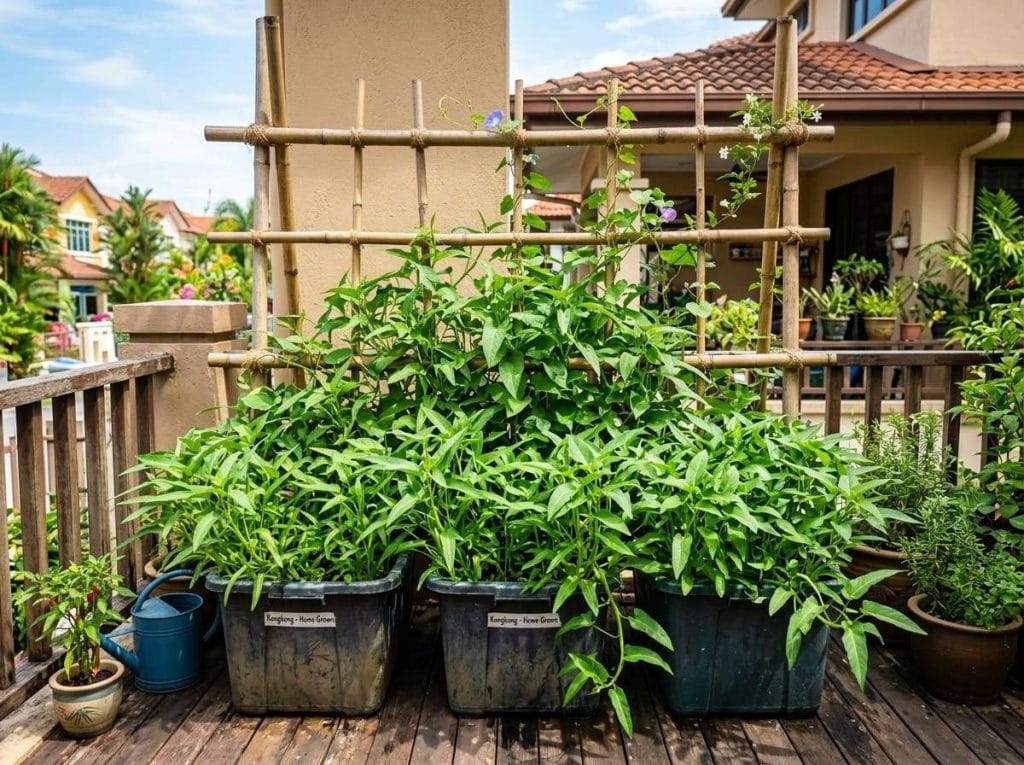
Yes, water spinach grows well in large containers with good drainage.
Aphids and caterpillars often attack water spinach; check plants regularly for pests.
Growing water spinach kangkong can be simple and rewarding. Start with healthy cuttings and plant them in moist soil. Give your plants plenty of sunlight and water regularly. Watch them grow fast and green. Harvest leaves often to encourage new growth.
This leafy vegetable adds fresh taste to many dishes. With basic care, you can enjoy homegrown kangkong anytime. Try growing it in your garden or pots. Fresh, healthy, and easy to grow. Why not start today?