Gardening Made Simple.
Garlic is one of the most rewarding crops for gardeners in Minnesota. Its strong flavor, long storage life, and health benefits make it a staple in many kitchens. If you want to grow garlic successfully, timing is everything—especially in a state with cold winters and short growing seasons.
Knowing when to plant garlic in Minnesota can mean the difference between small, weak bulbs and a big, robust harvest. This article will help you understand the ideal planting window, how to adjust for local conditions, and the steps for success.
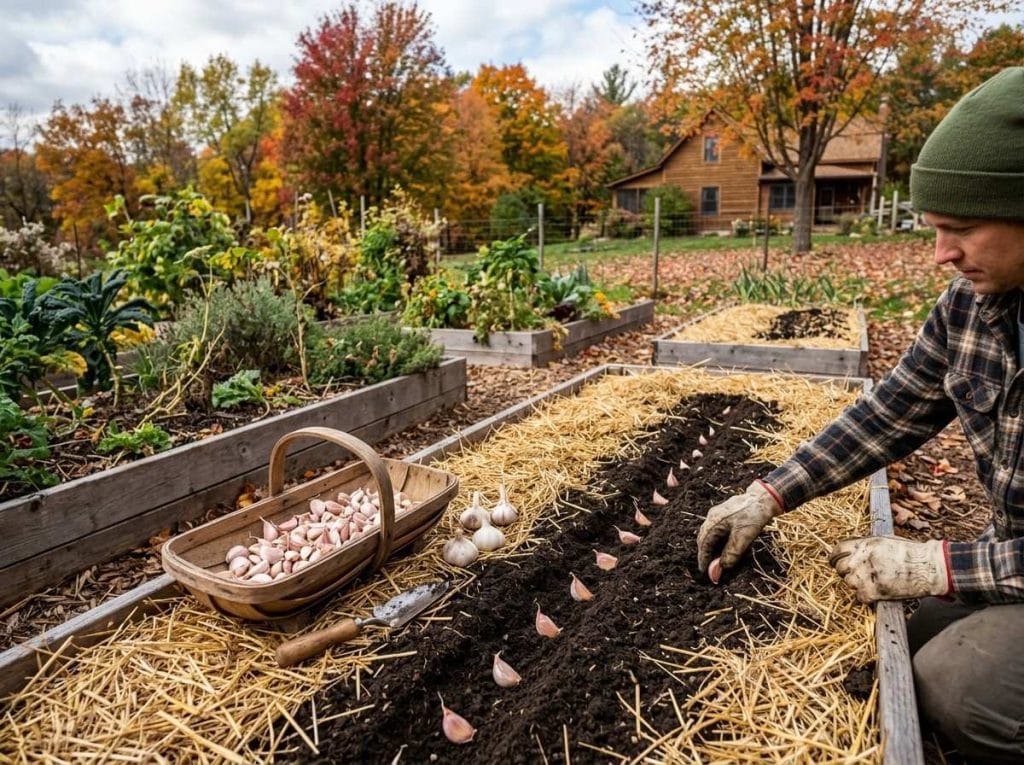
Whether you are a beginner or a seasoned gardener, you’ll find practical advice, data, and answers to common questions.
Minnesota’s climate is famous for its cold winters and variable springs. The state is divided into several USDA hardiness zones, ranging from zone 3b in the north to zone 5a in the south. This affects both the length of the growing season and the severity of winter. Garlic needs a period of cold to form bulbs, but planting too early or too late exposes it to risks like rot or stunted growth.
The average frost dates vary:
| Region | First Fall Frost | Last Spring Frost |
|---|---|---|
| Northern MN (Zone 3b) | Sept 15 - Sept 25 | May 20 - May 30 |
| Central MN (Zone 4) | Sept 25 - Oct 5 | May 10 - May 20 |
| Southern MN (Zone 5a) | Oct 5 - Oct 15 | Apr 25 - May 5 |
This climate means garlic must be planted at a time that allows roots to develop before the ground freezes, but not so early that shoots emerge and freeze.
Garlic is unique compared to other vegetables. It needs to experience a period of cold—called vernalization—to trigger bulb formation. If you plant too early, the shoots can emerge and get killed by frost. Too late, and the roots don’t have time to establish, reducing growth in spring.
In Minnesota, this balance is especially important because of unpredictable fall weather.
The ideal time to plant garlic in Minnesota is mid-September to late October. The exact date depends on your location:
This timing allows garlic to establish roots while keeping shoots from coming up before winter. Most gardeners find that planting about 2-3 weeks before the first hard frost is ideal.
Minnesota weather can change quickly. If the fall is unusually warm, you can plant a bit later. If a cold snap is coming early, plant a bit sooner. The soil temperature at planting should be around 50°F (10°C) at 4 inches deep. This temperature gives the best balance between root development and shoot risk.
Use a soil thermometer or check local extension office reports to know when your soil reaches this temperature.
While fall planting is standard, some gardeners wonder about planting garlic in spring. In Minnesota, spring-planted garlic typically produces smaller bulbs because it misses the winter cold needed for full vernalization. However, it can still be grown as “green garlic,” which is used much like green onions. If you missed the fall window, you can try planting as soon as the soil can be worked in spring, but expect smaller heads.
Garlic comes in two main types: hardneck and softneck. Your choice affects not only flavor but also planting and harvest success in Minnesota.
| Type | Best For Minnesota? | Flavor | Storage Life |
|---|---|---|---|
| Hardneck | Yes (very hardy) | Strong, complex | 4–6 months |
| Softneck | Less ideal (less hardy) | Mild, simple | 6–9 months |
Most Minnesota gardeners choose hardneck varieties for reliable results.
Once you know when to plant, following the right steps ensures a healthy crop. Here is a clear guide:
Garlic likes well-drained, loose soil rich in organic matter.
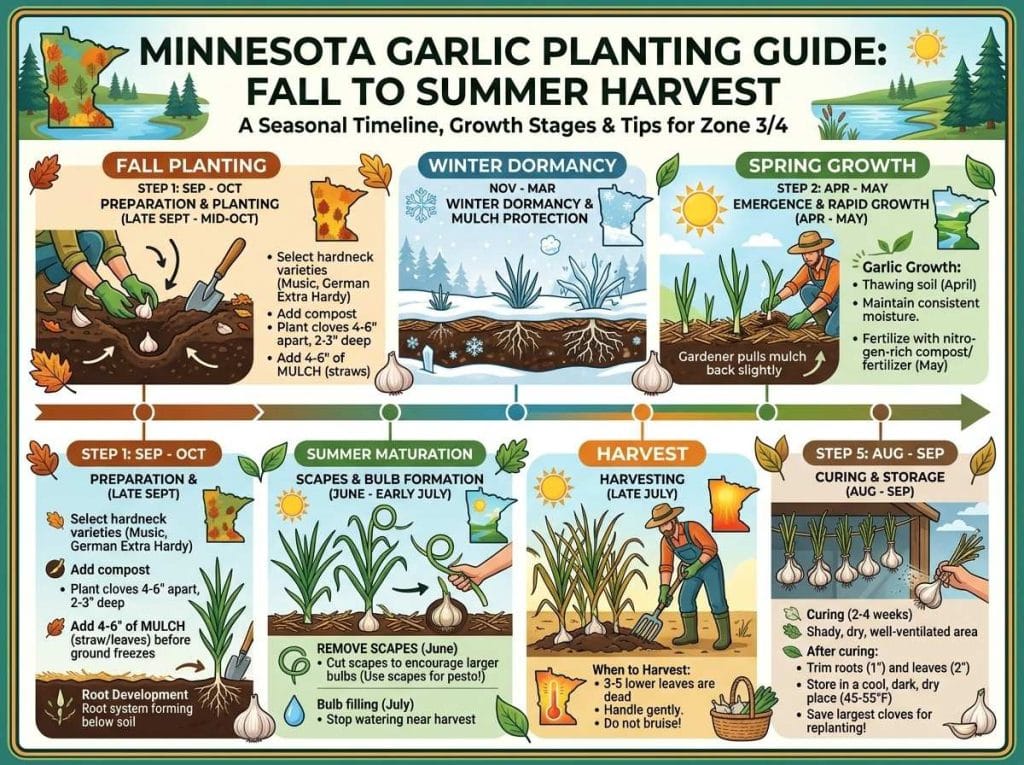
Even experienced gardeners sometimes make errors. Here are common mistakes and how to avoid them:
Some garlic varieties stand out in Minnesota’s climate. Here are a few top choices:
Most of these are hardneck types, which handle cold winters better.
It’s normal to worry about timing. Here are signs you’re on track:
You can also check garlic planting guides from the University of Minnesota Extension for updates.
Garlic is tough, but a few extra steps help it survive:
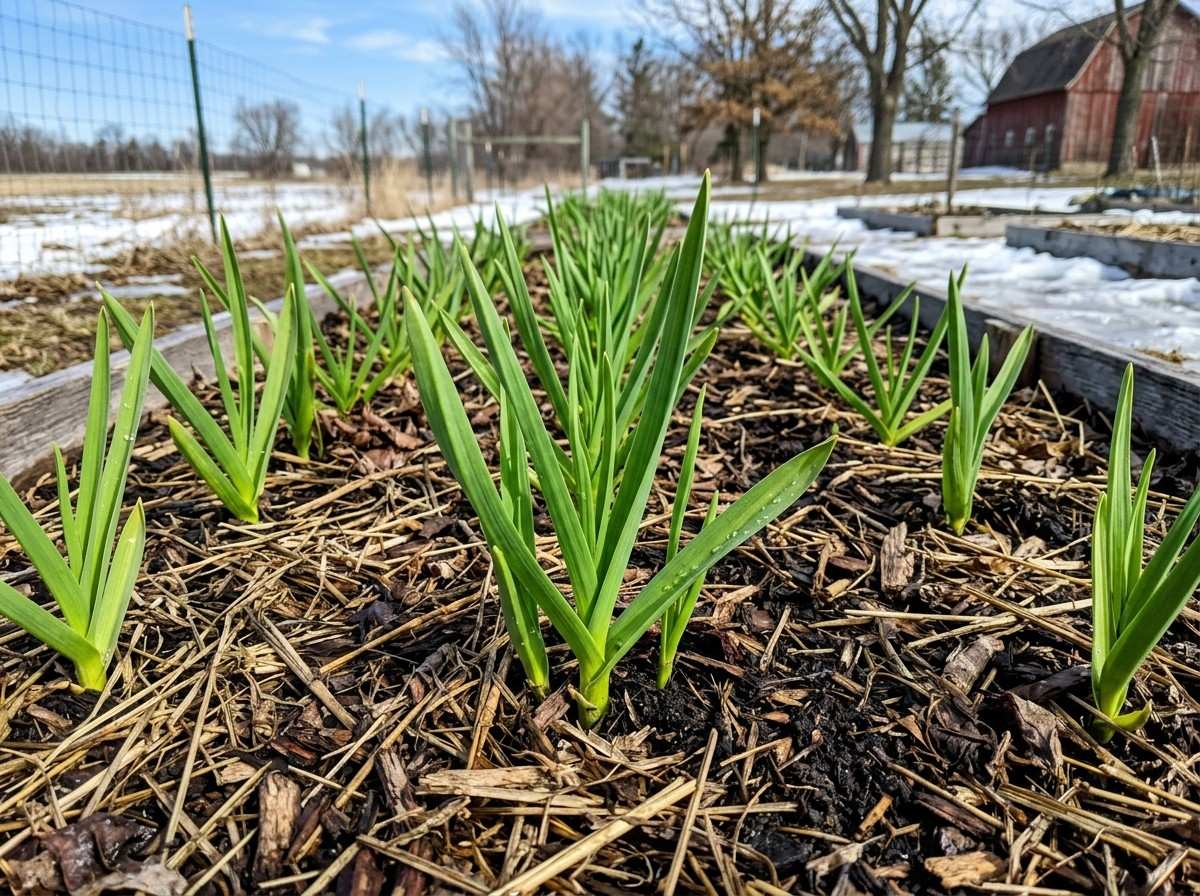
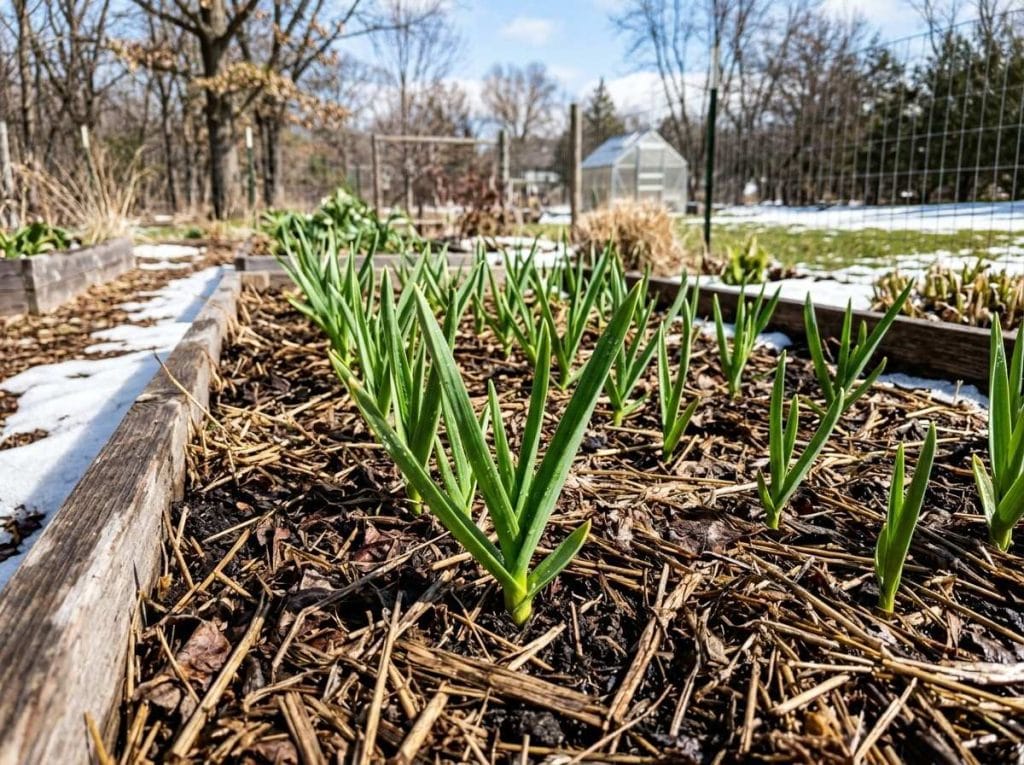
As the snow melts, garlic will send up green shoots. Here’s what to do:
Planting garlic at the right time pays off with a good harvest. Here’s when and how to harvest:
Proper curing improves flavor and storage life.
One insight many new growers miss: Garlic is sensitive to soil compaction. Even with mulch, walking on garlic beds during winter or spring can compress soil, hurting root growth. Always make paths and avoid stepping on garlic rows.
Another detail: Scape removal matters. Hardneck garlic sends up a flower stalk (scape) in early summer. Cut these off as soon as they curl. This sends more energy to the bulb, making it larger.
Here’s a sample calendar for a gardener in central Minnesota (Zone 4):
| Date | Activity |
|---|---|
| September 20 | Purchase seed garlic, test soil, prepare beds |
| September 28 | Separate cloves, plant, water, mulch |
| October 15 | Check mulch depth, add more if needed |
| April 20 | Check for shoots, pull back some mulch |
| May 1 | Fertilize, begin regular watering |
| June 15 | Remove scapes from hardneck garlic |
| July 20 | Harvest and cure garlic |
Adjust dates by 1–2 weeks earlier for the north and later for the south.
Garlic is not just tasty—it’s also a good companion plant. It helps repel pests like aphids and some beetles. You can grow garlic near carrots, beets, lettuce, and cabbage. Avoid planting garlic near beans and peas, as it can slow their growth.
For more details, research, and local advice, visit the University of Minnesota Extension. Their resources are updated yearly and reflect the latest climate data and research. University of Minnesota Extension is an excellent starting point.
The best month is usually October for most of Minnesota. In the north, late September is best. In the south, you can plant through mid-October. Plant about 2–3 weeks before the first hard frost for your area.
It’s not recommended. Grocery store garlic is often treated to prevent sprouting and may not survive Minnesota’s winters. It can also carry diseases. Always use certified seed garlic from a reputable supplier.
Late planting means garlic has less time to develop roots before the ground freezes. This can lead to small bulbs, weak plants, and a lower yield. In extreme cases, bulbs may not survive the winter.
Yes. Garlic is a heavy feeder. Work compost or slow-release fertilizer into the soil before planting. In spring, side-dress with a balanced fertilizer when shoots are 6 inches tall. Avoid over-fertilizing with nitrogen after May, as it can reduce bulb size.
After harvesting and curing, store garlic in a cool, dry, and well-ventilated place. Temperatures between 55–65°F (13–18°C) and low humidity are ideal. Do not refrigerate garlic, as this can trigger sprouting.
Growing garlic in Minnesota is a rewarding experience if you pay attention to timing and local conditions. With the right preparation, you’ll enjoy flavorful, homegrown garlic all year long.