Gardening Made Simple.
Have you ever wondered why some recipes call for white onions while others insist on red? You might think all onions are the same, but understanding the Difference between White And Red Onion can help you choose the best flavor, texture, and use for every dish you prepare.
Knowing the difference between these two can help you cook smarter and enjoy your meals even more. Keep reading, and you’ll discover the surprising details that make white and red onions stand apart—and how you can use each one to make your food shine.
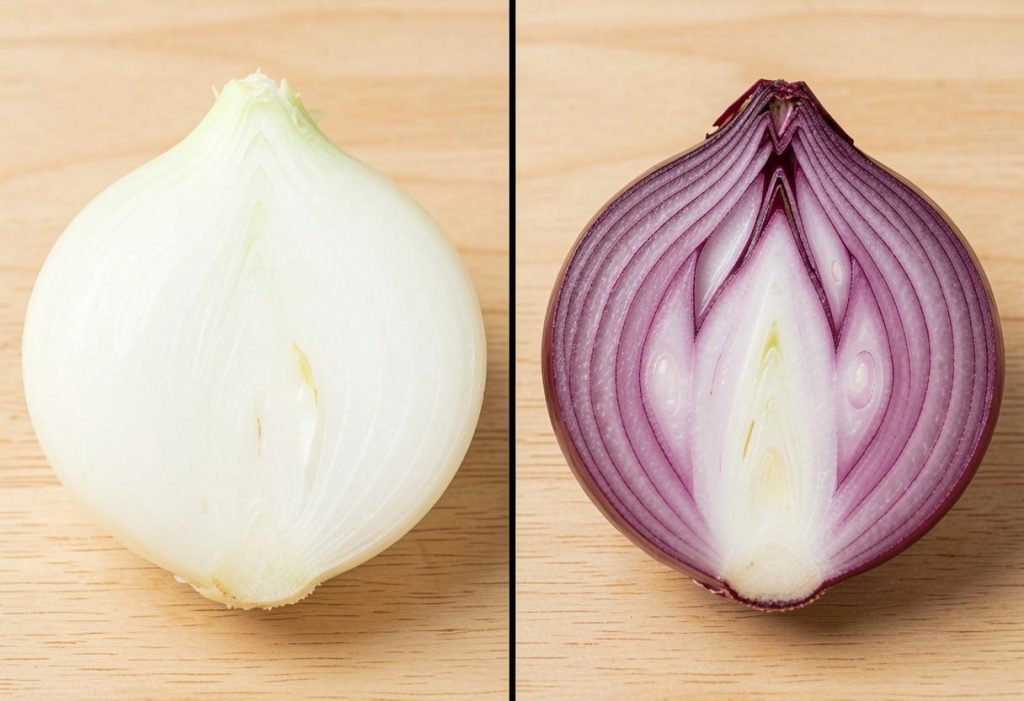
Color and appearance are the first things you notice about white and red onions. They look different and this affects how you use them in cooking. Their colors tell a lot about their flavor and texture.
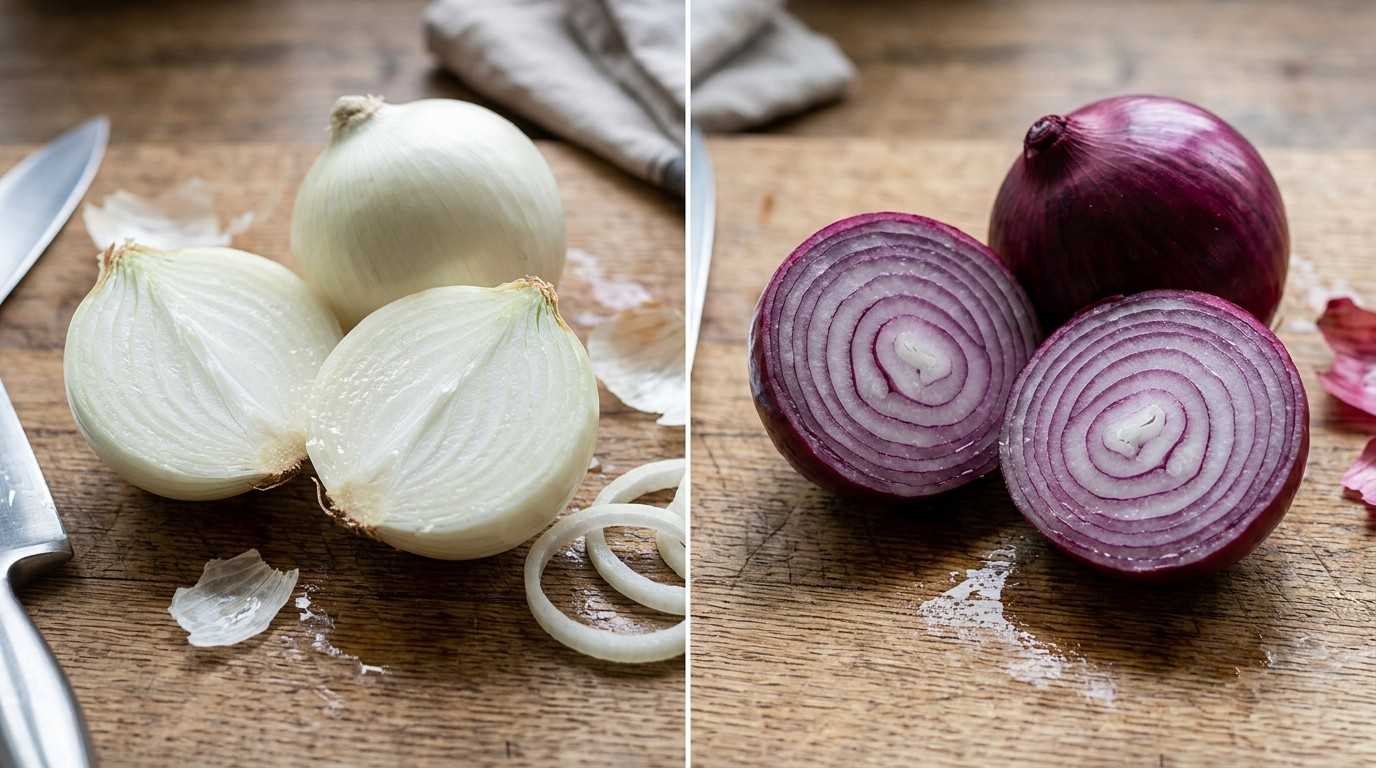
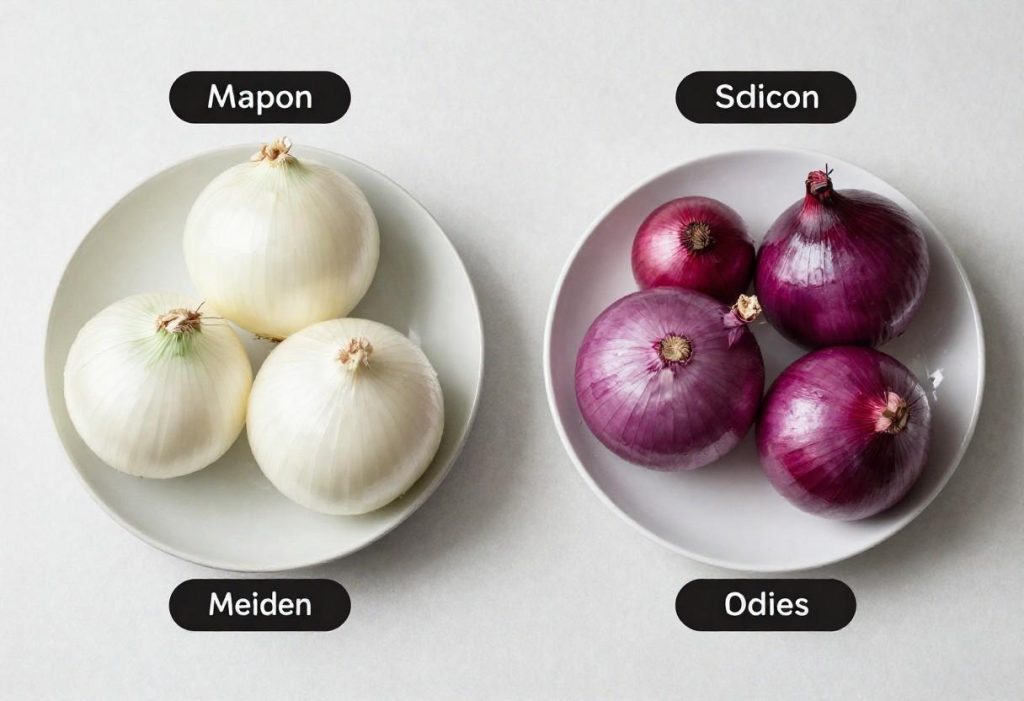
White onions have a pale, almost shiny white skin. Their flesh inside is also white and crisp. Red onions show a deep purple-red skin. Inside, the flesh has red and white rings. These colors make red onions popular for salads and garnishes.
White onions tend to be round and medium-sized. They have a smooth, even shape. Red onions can be round or slightly flattened. Their size varies more, from small to large bulbs. This difference helps cooks choose the right onion for each dish.
Onions add flavor and texture to many dishes. White and red onions have different tastes. Knowing their flavor helps choose the right one for your recipe.
Each type has its unique flavor profile. These differences affect how they taste raw or cooked. Let’s explore the sweetness and sharpness of white and red onions.
Red onions often taste sweeter than white onions. Their natural sugars are more noticeable. This makes red onions a good choice for salads and sandwiches.
White onions have a milder sweetness. They taste clean and fresh. Cooking white onions can bring out a gentle sweetness too.
White onions usually have a stronger, sharper taste. Their pungency can make your eyes water. This sharpness works well in salsas and spicy dishes.
Red onions are less pungent. They offer a smooth, mild bite. This makes them easier to eat raw without overwhelming the palate.
White and red onions offer different flavors and textures for cooking. Their culinary uses vary based on taste and appearance. Knowing their best uses helps create tasty dishes.
White onions have a sharp and crisp taste. They are great in salads and salsas. Their mild flavor adds a fresh crunch without overpowering other ingredients.
Red onions are sweeter and less pungent. Their vibrant color adds beauty to raw dishes. They work well in sandwiches and as a topping for burgers.
White onions soften quickly when cooked. They blend well in soups, stews, and sauces. Their strong taste mellows and enriches the dish.
Red onions keep some firmness after cooking. They add color and mild sweetness to roasted or grilled dishes. Use them in stir-fries or caramelize for extra flavor.
White onions match well with bold flavors like garlic, tomatoes, and chili peppers. They complement Mexican and Indian cuisines perfectly.
Red onions pair nicely with mild cheeses, olive oil, and fresh herbs. They suit Mediterranean and Middle Eastern dishes well.
White and red onions both offer important nutrients. Their nutritional content varies, which affects their health benefits. Understanding these differences helps you choose the right onion for your meals and health goals.
Red onions have more vitamin C than white onions. Vitamin C supports the immune system and skin health. Both onions contain small amounts of B vitamins. These vitamins help convert food into energy. White onions have slightly more calcium and potassium. These minerals help maintain strong bones and healthy muscles.
Red onions contain higher levels of antioxidants than white onions. Antioxidants protect cells from damage caused by free radicals. They may reduce the risk of chronic diseases. Quercetin is a key antioxidant found in red onions. This compound has anti-inflammatory properties. White onions have fewer antioxidants but still support heart health. Eating either onion adds valuable nutrients to your diet.
Growing onions requires the right conditions. White and red onions need soil, water, and light. Their growth depends on climate and timing. These factors affect their size, taste, and quality. Understanding their growing needs helps gardeners and farmers alike.
White onions prefer cooler climates. They grow best in mild temperatures. Too much heat can make them sprout early. Red onions like warmer weather. They need more sunlight to develop their color. Both types need well-drained soil to avoid rot.
White onions usually mature faster. They are ready to harvest in about 90 days. Red onions take longer, around 100 to 120 days. Timing the harvest affects flavor and storage life. Harvest too early or late, and quality drops.
Storing onions properly keeps them fresh and tasty for longer. White and red onions have different storage needs. Knowing these can help you avoid waste and save money. Proper storage also keeps onions firm and flavorful.
Store onions in a cool, dry, and dark place. Avoid places with moisture or sunlight. Use mesh bags or baskets to allow air flow. Do not store onions near potatoes. Potatoes release moisture that makes onions spoil faster.
Once cut, wrap onions tightly in plastic wrap or store in airtight containers. Keep cut onions in the refrigerator to slow down spoilage. Use them quickly, as cut onions lose freshness fast.
White onions usually last about 1 to 2 months in proper storage. Red onions can last slightly longer, up to 2 to 3 months. Both types spoil faster if stored in humid or warm places. Check onions regularly and remove any soft or moldy ones.
Onions come in many types, each with unique flavors and uses. White and red onions have popular varieties known worldwide. Knowing these types helps choose the right onion for your dish. These varieties differ in taste, size, and color. Here are some common types of white and red onions.
White onions have a sharp, clean taste. The most common type is the White Granex. It is sweet and often used in salads. Another type is the Mexican White. It is crisp and good for cooking. Egyptian White onions are mild and round. They work well in sauces and salsas.
Red onions are known for their mild, sweet flavor. The Red Burgundy is a classic red onion. It has a deep red color and strong taste. The Red Wethersfield variety is large and spicy. It is great for grilling and roasting. Red Torpedo onions are long and sweet. They add color and flavor to sandwiches and salads.
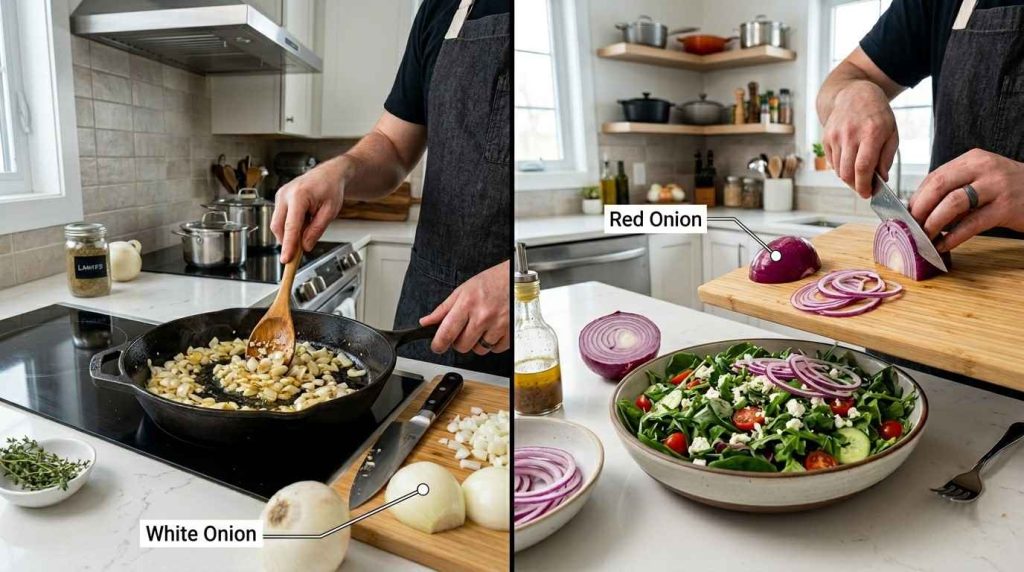
White onions have a sharp, strong taste, while red onions are milder and sweeter.
Red onions are preferred for raw dishes because of their mild flavor and attractive color.
White onions suit frying and sautéing; red onions add color and mild flavor when cooked lightly.
Red onions contain more antioxidants and vitamins than white onions, making them slightly healthier.
White onions blend into dishes without color change; red onions add a vibrant, purple hue.
White and red onions each have unique flavors and uses. White onions taste milder and are great for salads. Red onions offer a stronger taste and add color to dishes. Both types provide health benefits and enhance meals in different ways.
Choosing the right onion depends on your recipe and taste. Now, you can pick onions with confidence and enjoy cooking more. Simple choices lead to better meals every time.