Gardening Made Simple.

When you reach for garlic in your kitchen, do you ever stop to think about the difference between a garlic clove and a garlic bulb? Understanding Garlic Clove Vs Bulb can change the way you cook, store, and enjoy garlic’s rich flavor in your everyday meals.
If you’ve ever been confused about whether to use a clove or the whole bulb, or wondered how each affects your recipes, you’re in the right place. By the end of this article, you’ll know exactly when to use a clove versus a bulb—and why it matters for your meals and your health.
Ready to unlock the full potential of garlic? Keep reading.
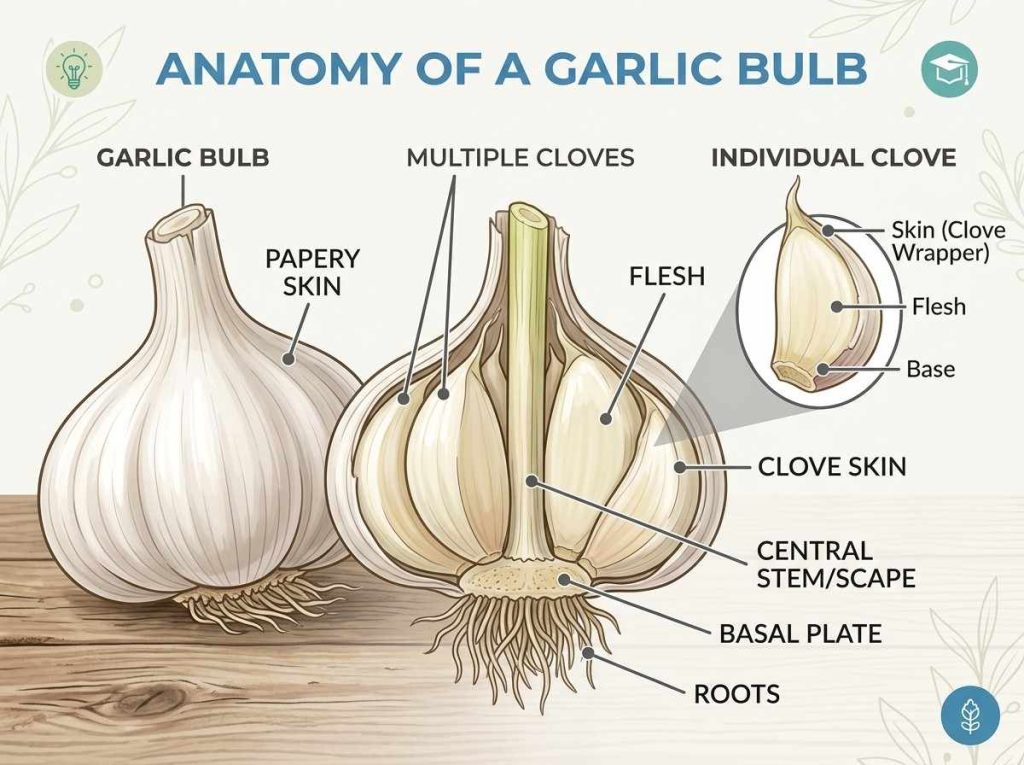
Understanding the garlic bulb is key to appreciating its role in cooking and health. The bulb is the whole part you buy at the store. It contains many small sections called cloves. Each clove holds the strong flavor and aroma we associate with garlic. Knowing about the bulb helps in choosing the right garlic for your needs and using it well in recipes.
The garlic bulb is round and covered by a thin papery skin. Inside, it holds several cloves. Each clove is wrapped in its own thin skin. The cloves fit tightly together in a cluster. At the base, a small root plate holds the cloves. The bulb’s layers protect the cloves from drying out or damage. This structure keeps the garlic fresh and flavorful.
Garlic bulbs come in two main types: hardneck and softneck. Hardneck garlic has a stiff central stalk. It produces fewer, larger cloves. These cloves have a strong taste and peel easily. Softneck garlic lacks a stiff stalk. It has more cloves that are smaller. Softneck garlic stores longer and has a milder flavor. Both types suit different cooking styles and preferences.
Garlic cloves are the small segments that make up a garlic bulb. Each clove is a tiny package of flavor and nutrition. Understanding these cloves helps you use garlic better in cooking and health.
Garlic cloves have unique features that differ from the whole bulb. Knowing these features can improve your kitchen skills and your knowledge of this common ingredient.
A garlic clove has a thin, papery skin that protects it. Inside, the clove is firm and white or pale yellow. It contains oils that give garlic its strong smell and taste. Each clove has a small root end and a pointed tip. The size of cloves varies depending on the garlic type.
Cloves group together to form the whole garlic bulb. Each clove can grow into a new garlic plant if planted. The bulb protects the cloves and keeps them fresh. Cloves store nutrients that help the plant grow. Together, cloves make garlic easy to divide and share.
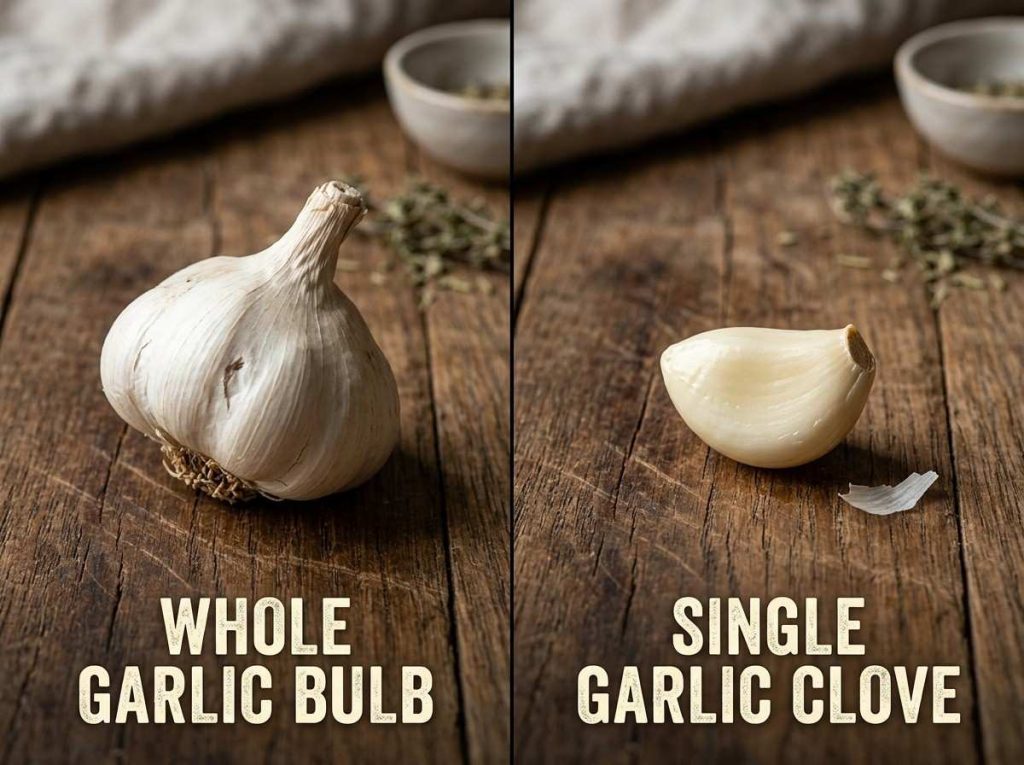
Garlic cloves and bulbs differ greatly in size and look. Understanding these differences helps in cooking and storage. Each part has unique features to identify easily.
A garlic bulb is much larger than a single clove. It contains many cloves grouped tightly together. Each clove is small and wedge-shaped. Bulbs usually fit in the palm of your hand. Cloves are about the size of a small almond. The size difference affects how you use them in recipes.
Garlic bulbs are round and covered with papery skin. The skin can be white, purple, or off-white. Cloves are wrapped individually in thin, papery layers. Cloves have a smooth, curved shape. The bulb looks like a cluster of cloves held together. Cloves separate easily from the bulb when peeled.
Garlic adds unique flavors and aromas to food. The difference between a garlic clove and a bulb affects taste and smell. Understanding these variations helps in cooking and choosing the right garlic form.
A garlic clove has a sharp, strong taste. It can be spicy and pungent. The flavor is more direct and intense.
A garlic bulb contains many cloves. Its flavor is milder and more balanced. Bulbs offer a blend of sharp and sweet notes.
Using cloves gives a bold garlic flavor. Bulbs provide a smoother taste over time. Each form suits different recipes.
The aroma of a garlic clove is powerful and fresh. It releases strong scents when crushed or chopped. This aroma can fill a kitchen quickly.
Garlic bulbs have a softer, warmer smell. The combined cloves create a rich, rounded aroma. It is less sharp but more complex.
Choosing cloves or bulbs changes the smell of your dish. Cloves give a sharper aroma. Bulbs offer a gentler garlic scent.
Garlic is a staple in kitchens worldwide. Both garlic bulbs and cloves have unique uses in cooking. Each brings distinct flavors and textures to dishes. Understanding their culinary roles helps enhance your meals.
Whole garlic bulbs add depth to slow-cooked recipes. Roasting a whole bulb softens the cloves inside. The flavor becomes sweet and mild. You can spread the roasted garlic on bread or mix it into sauces. Whole bulbs also work well in stews and soups. They release flavor slowly, enriching the dish without overpowering it. Using whole bulbs saves prep time. Just cut off the top, drizzle with oil, and roast.
Individual garlic cloves offer concentrated flavor. Minced or crushed cloves add sharpness to sautéed dishes. They cook quickly and blend well with vegetables and meats. Cloves are perfect for stir-fries, marinades, and salad dressings. Adding garlic cloves early in cooking mellows their taste. Adding them late keeps their pungent kick. Peeling cloves is easy with a gentle press. Using cloves gives precise control over garlic intensity in recipes.
Garlic storage affects its flavor and freshness. Proper storage keeps garlic usable for weeks or months. Both garlic cloves and bulbs need different care to last longer. Understanding how to store each type helps reduce waste and saves money.
Keep garlic bulbs in a cool, dry place. Air circulation is important. Avoid plastic bags that trap moisture. Use a mesh bag or a basket instead. Store bulbs away from sunlight. This slows sprouting and decay. Whole bulbs can last for several months this way.
Separate cloves from the bulb only when ready to use. Keep unpeeled cloves in a dry place at room temperature. Peeled cloves need refrigeration to stay fresh. Use an airtight container for peeled cloves. This prevents them from drying out. Properly stored cloves last one to two weeks.
Garlic bulbs and cloves both offer valuable nutrients. Yet, their nutritional profiles differ. Knowing these differences helps in using garlic better in cooking and health.
Garlic bulbs contain high amounts of vitamins and minerals. They are rich in vitamin C, B6, and manganese. Bulbs also provide selenium and calcium. These nutrients support the immune system and bone health. Bulbs have antioxidants that protect the body from damage. They contain fiber, which helps digestion.
Garlic cloves have concentrated nutrients compared to bulbs. Each clove contains allicin, a powerful compound for heart health. Cloves are high in vitamin B6 and vitamin C too. They also provide iron and magnesium. Cloves have strong antibacterial and antiviral properties. Their nutrients help reduce inflammation and support overall wellness.
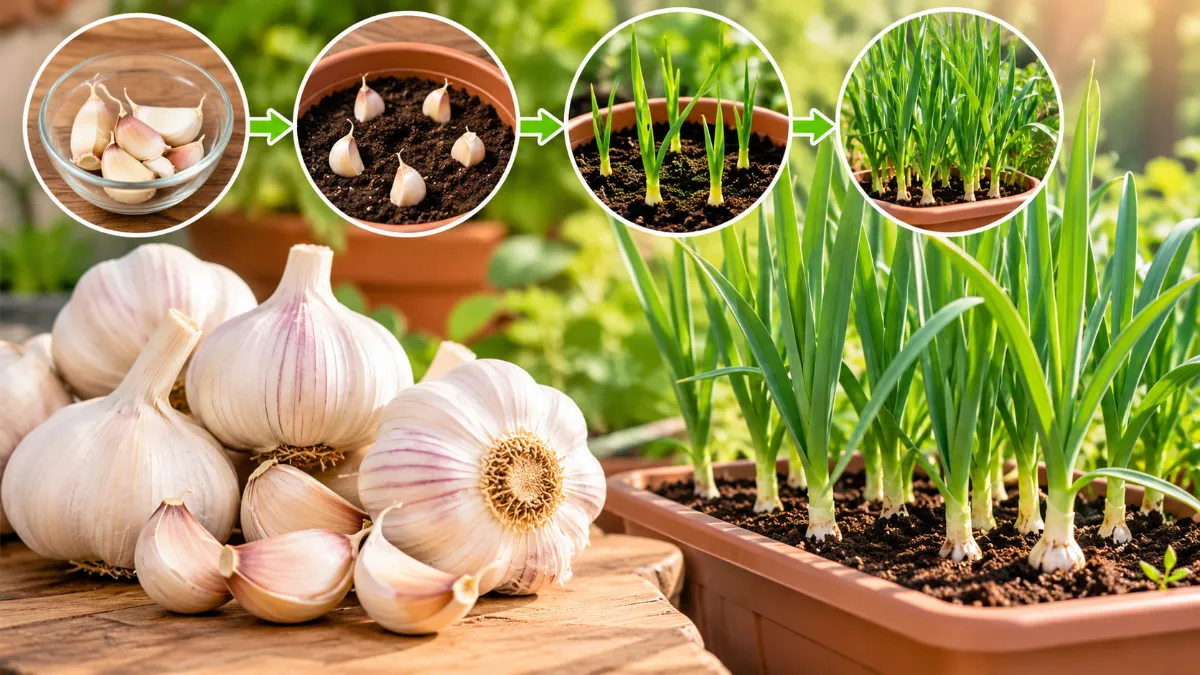
Understanding how garlic grows helps gardeners get better results. Garlic planting starts with choosing the right part to plant. Both bulbs and cloves can be used to grow garlic. Each has unique steps and needs. Knowing these differences guides you to healthy plants and good harvests.
Planting whole garlic bulbs is rare but possible. Bulbs need to be split carefully before planting. This process is delicate to avoid damage. Bulbs require loose, rich soil and good drainage. Plant bulbs in early fall for best growth. Keep soil moist but not wet. Bulbs take longer to grow than cloves. This method suits gardeners who want to start many plants fast.
Cloves are the most common planting choice. Each clove grows into one garlic plant. Separate cloves gently from the bulb before planting. Plant cloves pointy side up, two inches deep in soil. Space cloves four to six inches apart. Cloves need full sun and well-drained soil. Water regularly, especially during dry times. Cloves produce bigger bulbs than whole bulb planting. This method is easy and reliable for most gardeners.
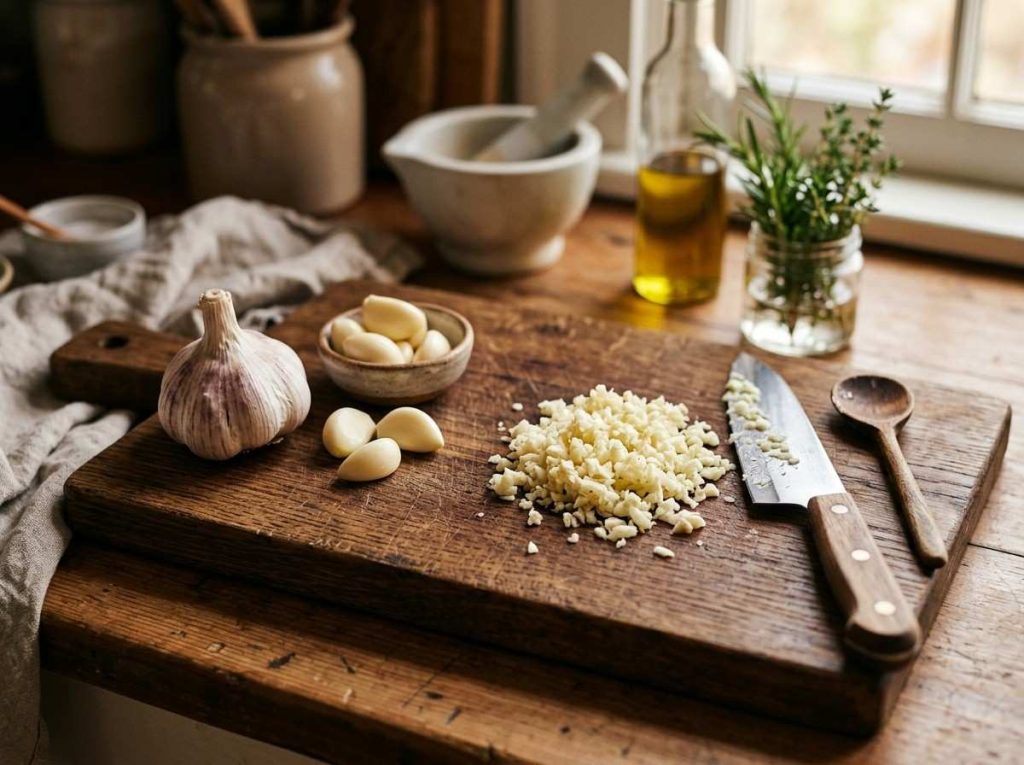
A garlic bulb is the whole garlic head, while a clove is one small piece inside it.
A garlic bulb typically contains 10 to 20 cloves, depending on its size.
Yes, but a clove is much smaller, so you need several to equal one bulb.
The clove has the strong flavor since it is the part used in cooking.
Press the bulb with your palm to loosen cloves, then pull them apart gently.
Garlic clove and bulb both add flavor to dishes. Cloves are small and used one by one. Bulbs hold many cloves inside. Each part has its own use in cooking. Knowing the difference helps in recipes. Choose cloves for quick, fresh taste.
Use bulbs to store garlic longer. Both are healthy and tasty options. Try them to see what you like best. Simple and natural, garlic boosts any meal.