Gardening Made Simple.

Are you ready to grow your own fresh, flavorful garlic right in your garden? How to Plant Garlic Bulbs is easier than you might think and can reward you with healthy, homegrown garlic for your cooking.
Whether you have a big garden or just a small patch, this simple guide will show you exactly how to plant garlic bulbs for the best results. Keep reading, and by the end, you’ll have everything you need to start growing garlic that’s full of taste and ready to harvest.
Your kitchen—and your taste buds—will thank you!
Choosing the right garlic variety is important for a healthy harvest. Different types grow better in different climates and soils. Knowing the differences helps you pick the best garlic for your garden. This section explains the main types of garlic and how to select good bulbs for planting.
Hardneck garlic grows well in cold climates. It has a stiff central stalk and produces fewer but larger cloves. The flavor is strong and spicy. Hardneck varieties also produce flower stalks called scapes.
Softneck garlic is better for warmer areas. It has many small cloves and a soft, flexible stem. Softneck garlic stores longer and has a milder taste. This type is common in grocery stores.
Choose firm garlic bulbs without soft spots or mold. Avoid bulbs with broken skin or shriveled cloves. Look for large bulbs with many cloves for a better yield. Use bulbs from a trusted source or saved from a healthy crop. Healthy bulbs grow strong plants and good garlic.
Preparing the soil is an important first step for planting garlic bulbs. Healthy soil helps garlic grow strong and produce big bulbs. Good soil supports root growth and keeps water moving well. Spend time getting the soil ready before planting.
Garlic grows best in loose, well-drained soil. The soil should be rich in organic matter. It needs a pH between 6.0 and 7.0. Avoid heavy clay or very sandy soils. These types hold too much or too little water. Test the soil before planting to know its pH and nutrients.
Drainage is key to prevent water from pooling around garlic bulbs. Add compost or aged manure to improve soil texture. These materials increase nutrients and help soil drain better. Mix them well into the top 8 inches of soil. Avoid fresh manure, as it may burn the bulbs.
Raised beds or small mounds also improve drainage. If soil is very heavy, add sand or fine gravel. This stops water from collecting and causing root rot. Fertile soil gives garlic the food it needs to grow big. Use balanced organic fertilizers to boost fertility.
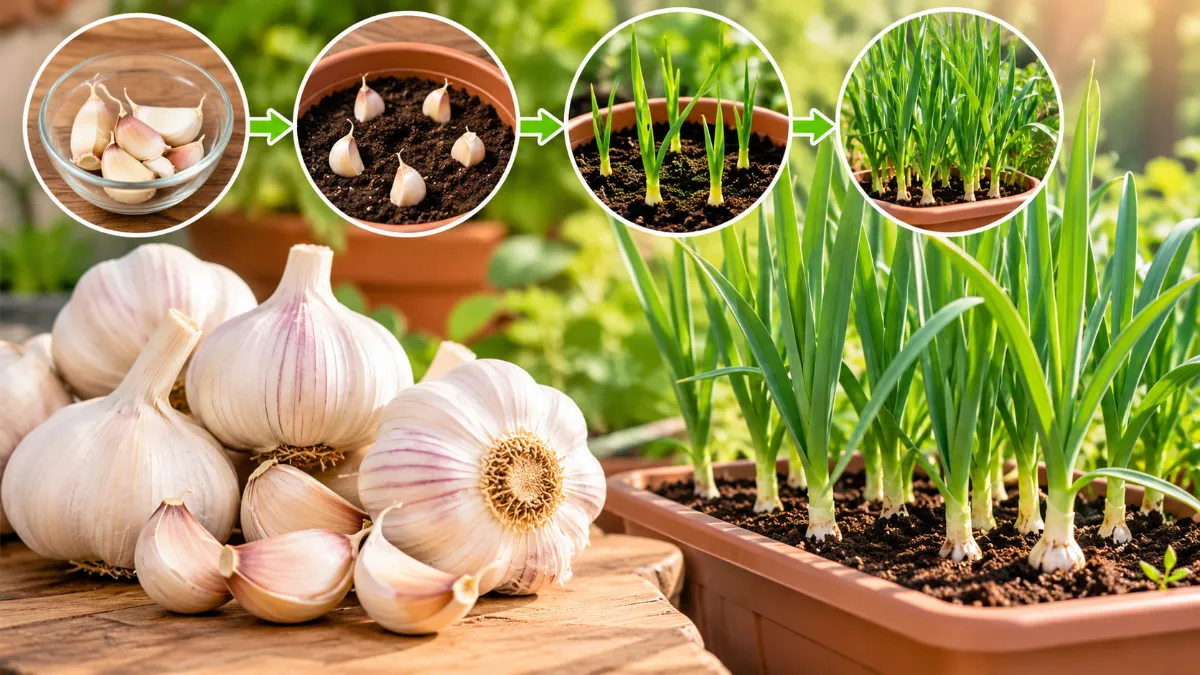
Planting garlic bulbs is simple and rewarding. Garlic grows well in many gardens. It needs good soil and space to develop. Proper planting helps bulbs grow big and healthy. Follow these basic steps to plant garlic correctly.
Plant garlic bulbs in the fall, about 4 to 6 weeks before the first frost. This gives roots time to grow before winter. Garlic needs cold weather to start growing strong. In mild climates, plant in late fall. In cold areas, plant earlier for best results.
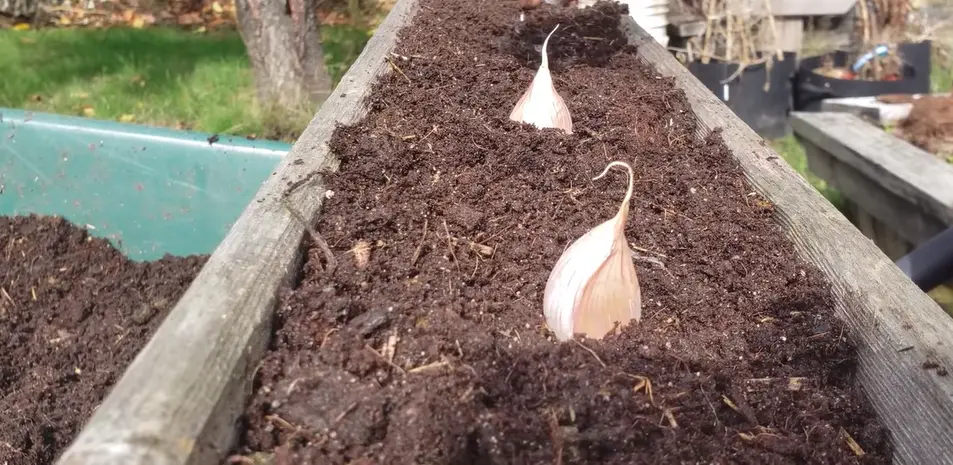
Plant each garlic clove 2 inches deep, with the pointed end up. Space cloves about 4 to 6 inches apart. Leave 12 inches between rows for good air flow. This spacing helps bulbs grow large and prevents disease. Cover cloves with soil and water lightly.
Caring for garlic plants is simple yet important for a good harvest. Healthy care helps bulbs grow big and strong. Pay attention to water, mulch, and fertilizer. These steps keep the soil and plants healthy. Follow easy tips to give your garlic the best care.
Water garlic plants regularly but do not soak the soil. Keep the soil moist, especially during dry days. Reduce watering as the plants mature. Overwatering can cause bulbs to rot. Check soil moisture before watering again.
Mulch helps keep soil cool and moist. It stops weeds from growing around garlic. Spread a layer of straw or leaves around plants. Mulching also protects garlic from frost in cold weather. Remove mulch in spring to let soil warm up.
Fertilize garlic plants twice during the growing season. Use a balanced fertilizer high in nitrogen early on. Apply again when bulbs start to form. Avoid too much fertilizer to prevent weak growth. Follow package instructions for best results.
Managing pests and diseases is key to growing healthy garlic bulbs. Garlic plants can face many problems from bugs and fungi. These issues can reduce your harvest or damage the bulbs. Early care helps keep plants strong and productive.
Garlic is often attacked by onion maggots, thrips, and nematodes. Onion maggots eat the roots and bulbs, causing plants to wilt. Thrips suck sap from leaves, leaving white spots and weak plants. Nematodes are tiny worms that damage roots, slowing growth.
Check plants regularly for these pests. Use natural predators or insecticidal soap to reduce their numbers. Crop rotation also helps by preventing pests from building up in the soil.
Fungal diseases like white rot and downy mildew can harm garlic. White rot affects roots and bulbs, leading to decay. Downy mildew causes yellow spots on leaves and stunts growth.
Plant garlic in well-drained soil to avoid excess moisture. Space bulbs properly for good air flow. Avoid overhead watering to keep leaves dry. Remove and destroy infected plants quickly to stop spread.
Harvesting and curing garlic is a key step in growing healthy bulbs. Proper timing and drying keep garlic fresh and tasty. This process also helps garlic last longer in storage.
Leaves turning brown means garlic is ready to harvest. Usually, 70 to 90 days after planting is the right time. Pull the bulbs gently from soil to avoid damage. Avoid waiting too long; bulbs can split and spoil.
Dry garlic in a warm, dry place with good air flow. Hang bulbs in small bunches or spread them on a screen. Keep them out of direct sunlight to prevent burning. Drying takes about two to three weeks. Once dry, trim roots and cut tops to store easily.
Storing garlic properly keeps it fresh and tasty for a long time. Garlic bulbs can last several months if stored right. This helps you enjoy homegrown garlic beyond the harvest season. Simple steps make a big difference in garlic storage.
Garlic needs a cool, dry place to stay fresh. The temperature should be around 60°F (15°C). Keep garlic away from direct sunlight and moisture. A dark pantry or cupboard works well. Good air circulation helps prevent rot. Avoid storing garlic in the fridge. Cold and wet conditions make garlic soft and moldy.
Check garlic bulbs regularly for soft spots or mold. Remove any damaged cloves to protect the rest. Keep bulbs whole until you use them. Breaking bulbs causes quicker sprouting and spoilage. Use mesh bags or paper bags for storage. These allow air to flow and stop moisture build-up. Do not seal garlic in plastic bags. This traps moisture and encourages mold growth.

Plant garlic bulbs about 2 inches deep in loose, well-drained soil for best growth.
Plant garlic bulbs in fall, 4-6 weeks before the first frost date.
Space garlic bulbs 4-6 inches apart to allow enough room for growth.
Garlic grows best in rich, loose, well-drained soil with good sunlight.
Garlic bulbs usually mature in 7-8 months after planting, depending on the variety.
Planting garlic bulbs is simple and rewarding. Choose healthy bulbs and plant them in loose soil. Water regularly but avoid overwatering. Watch your garlic grow strong and healthy. Harvest when leaves turn brown and dry. Store bulbs in a cool, dry place.
Growing garlic adds fresh flavor to your meals. Enjoy the process and tasty results. Gardening brings joy and fresh food to your home. Give garlic planting a try this season!