Gardening Made Simple.

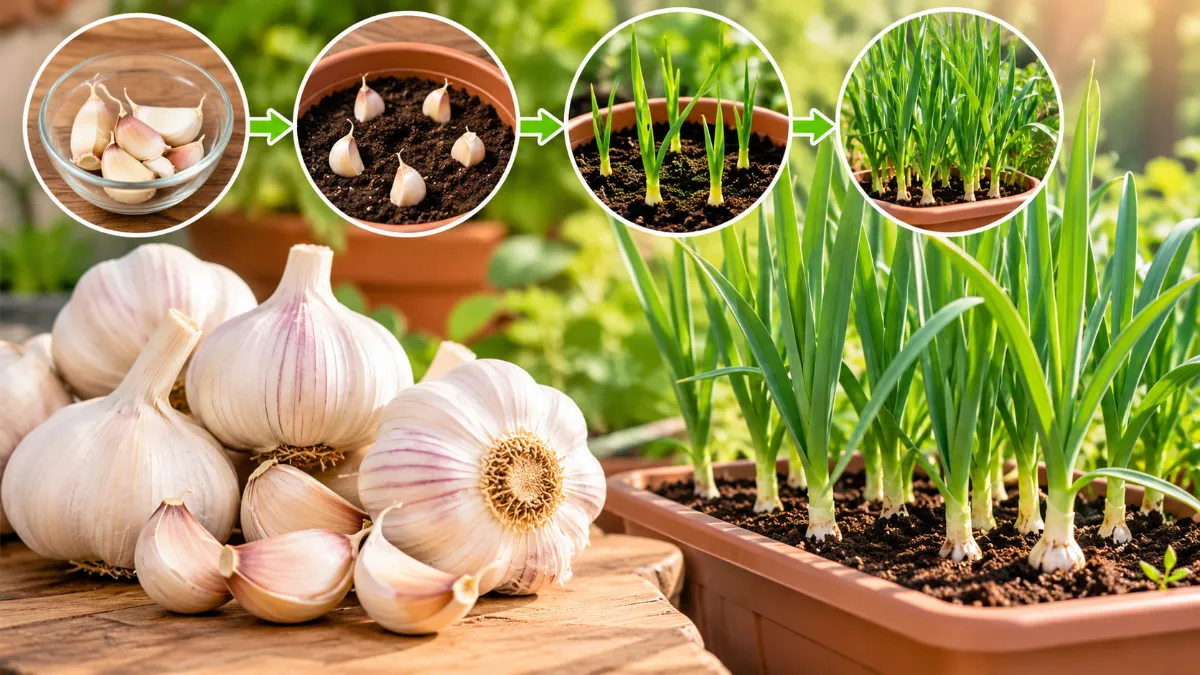
If you want to grow big, flavorful garlic in your garden, the best time to start is in the fall. Planting Garlic in the Fall gives it a head start to develop strong roots and healthy bulbs by next summer, leading to a more productive harvest.
Imagine harvesting fresh garlic that’s full of aroma and taste, straight from your backyard. You’ll discover simple steps to plant garlic successfully, avoid common mistakes, and enjoy a bountiful harvest. Ready to turn your garden into a garlic paradise? Let’s dive in!
Planting garlic in the fall is a smart choice for many gardeners. It allows the garlic to develop strong roots before winter. The cold weather helps the garlic grow better bulbs. This timing also reduces the risk of disease and pests. Fall planting prepares garlic for a healthy and productive season.
Garlic planted in fall has time to establish roots. The soil is still warm enough for root growth. This early start leads to bigger and healthier bulbs. Cold weather helps garlic develop strong flavors. Fall planting means less work in spring. It also avoids the hot summer heat that can harm garlic.
Garlic needs a period of cold to grow properly. This process is called vernalization. In fall, garlic cloves start root growth but stay dormant during winter. When spring arrives, garlic begins to sprout and grow leaves. The bulb forms under the soil through the spring and early summer. Harvest happens in mid to late summer after leaves dry out.
Choosing the right garlic variety is key for a successful fall planting. Different types grow best in certain climates and soil conditions. Picking the right kind helps you grow healthy, flavorful garlic bulbs. This section explains the main types and which varieties work best for fall planting.
Garlic comes in two main types: hardneck and softneck. Hardneck garlic has a stiff central stalk and grows well in cold climates. It produces larger cloves and strong flavors. Softneck garlic has no hard stalk and stores longer. It grows better in mild winters and warmer areas. Softneck types usually have more cloves per bulb. Choose hardneck for colder zones and softneck for warmer zones.
Some garlic varieties do better when planted in fall. Popular hardneck varieties include Rocambole, Purple Stripe, and Porcelain. They have rich taste and good cold tolerance. For softneck, Silverskin and Artichoke types are common. They store well and grow in mild climates. Select varieties based on your weather and soil. Planting the right garlic leads to bigger, better bulbs.
Preparing the soil is a key step before planting garlic in the fall. Healthy soil helps garlic grow strong roots. Good soil also improves bulb size and flavor. Taking time to prepare the ground will bring better results in the spring.
Garlic prefers loose, well-drained soil. Heavy clay or waterlogged soil can cause bulbs to rot. The soil should be rich in organic matter. A slightly acidic to neutral pH, around 6.0 to 7.0, works best. Test the soil to check its pH and texture. Adjust the soil type if needed for better drainage and air flow.
Add compost or well-rotted manure to feed the soil. These materials improve texture and add nutrients. Spread a 2-3 inch layer over the planting area. Work it into the top 6-8 inches of soil. Avoid fresh manure, as it can burn young roots. Garlic needs nitrogen, phosphorus, and potassium for healthy growth. Use a balanced fertilizer if the soil lacks nutrients. Preparing fertile soil gives garlic a strong start.
Planting garlic in the fall is a simple task that sets the stage for a strong harvest. Using the right techniques helps garlic grow healthy and full. Careful planting encourages good root development and protects cloves through winter.
Follow these steps to plant garlic correctly and give your crop the best chance to thrive.
Choose large, healthy garlic bulbs without soft spots or mold. Separate the bulbs gently into individual cloves. Leave the papery skin on each clove to protect it. Use only the biggest cloves for planting. Small cloves produce weaker plants. Before planting, soak cloves in water for a few hours. This boosts root growth once in soil.
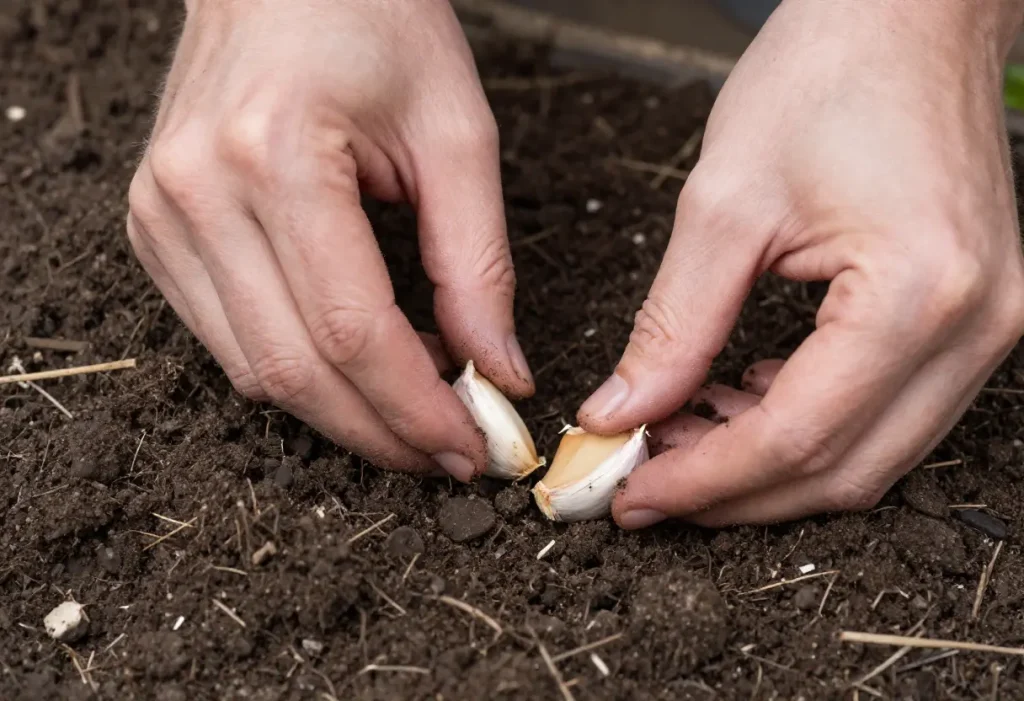
Plant cloves about 2 inches deep to protect them from frost. Place the pointed end facing up. Space cloves 4 to 6 inches apart. This allows room for bulbs to grow large. Rows should be 12 inches apart for good air flow. Cover cloves with soil and press gently. Mulch with straw to keep soil warm and moist.
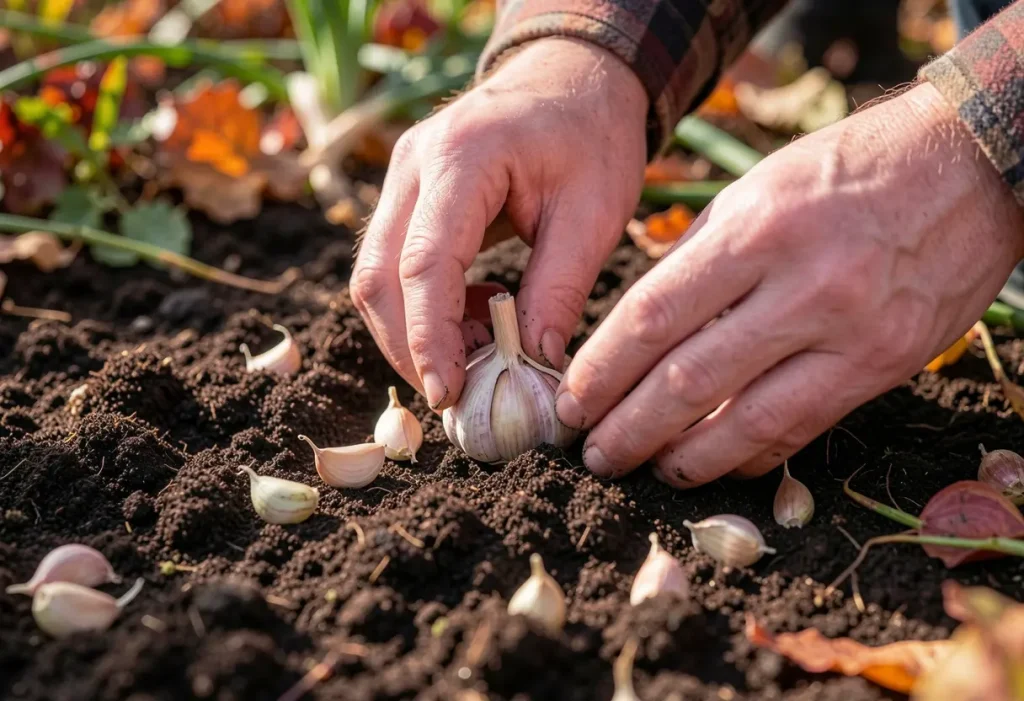
Winter care is crucial for garlic planted in the fall. Proper protection helps garlic survive cold months. It also supports strong growth in spring. Without care, garlic can suffer from frost damage. Simple steps can keep your garlic safe and healthy.
Mulching helps keep soil temperature stable. Use straw, leaves, or grass clippings as mulch. Spread a thick layer, about 3 to 4 inches deep. Mulch stops soil from freezing too hard. It also keeps moisture in the ground. This helps garlic roots stay healthy all winter.
Strong winds and heavy snow can harm garlic plants. Cover garlic beds with row covers or garden fabric. These protect against wind and frost. Avoid heavy snow piling directly on plants. Clear snow gently if it becomes too thick. Check plants regularly during winter for damage.
Spring maintenance is key to healthy garlic plants. It helps garlic grow strong and produce large bulbs. Proper care in spring sets the stage for a good harvest in summer. Focus on watering, fertilizing, and weed control during this time.
Garlic needs regular watering in spring. Keep the soil moist but not soggy. Water early in the day to avoid mold. Garlic also benefits from light feeding. Use a balanced fertilizer or compost to add nutrients. Apply fertilizer once or twice during the growing season. Too much fertilizer can harm the plants. Watch the leaves for signs of nutrient shortage or excess.
Weeds compete with garlic for water and nutrients. Remove weeds by hand or use shallow cultivation. Avoid deep digging to protect garlic roots. Mulch around plants to reduce weed growth. Mulching also keeps soil moist and cool. Check the bed regularly and clear any new weeds. Clean garlic beds help plants stay healthy and strong.
Harvesting and storing garlic properly ensures you enjoy fresh bulbs for months. Knowing when to pick garlic and how to store it is key. Careful handling keeps the garlic flavorful and firm. This section explains signs of maturity, harvesting methods, and storage tips.
Garlic is ready to harvest when the lower leaves turn brown. Count about five or six green leaves left on the stalk. The bulbs feel full and round under the soil. The outer skin starts to dry and peel. Avoid waiting too long to prevent bulbs from splitting.
Use a garden fork or shovel to loosen soil gently. Lift the bulbs carefully without damaging them. Shake off excess dirt but do not wash the garlic. Let the bulbs dry in a shady, airy spot for two weeks. Avoid direct sunlight to keep the skin intact.
Store garlic in a cool, dry place with good air circulation. Avoid damp or warm areas to prevent mold and sprouting. Hang garlic in mesh bags or braid the stalks for air flow. Check bulbs regularly and remove any soft or rotten ones. Proper storage extends garlic freshness for up to 6 months.
Planting garlic in the fall is simple, but some problems may occur. Knowing common issues helps you grow healthy garlic bulbs. This section covers pests, diseases, and growth problems. Find easy solutions to keep your garlic strong and productive.
Garlic faces threats from pests like onion maggots and nematodes. These bugs eat roots and damage bulbs. Use crop rotation to stop pests from building up in soil. Plant garlic in well-drained soil to avoid fungal diseases. Watch for white rot and rust, common fungal infections. Remove infected plants quickly to protect others. Natural remedies, like neem oil, can help control pests safely.
Slow growth often means poor soil or wrong planting depth. Garlic needs loose soil with good nutrients. Plant cloves about two inches deep for best results. Yellow leaves show nutrient deficiency or too much water. Water garlic evenly, not too much or too little. Thin plants that crowd each other to improve air flow. Healthy garlic grows in cool, sunny spots with good care.
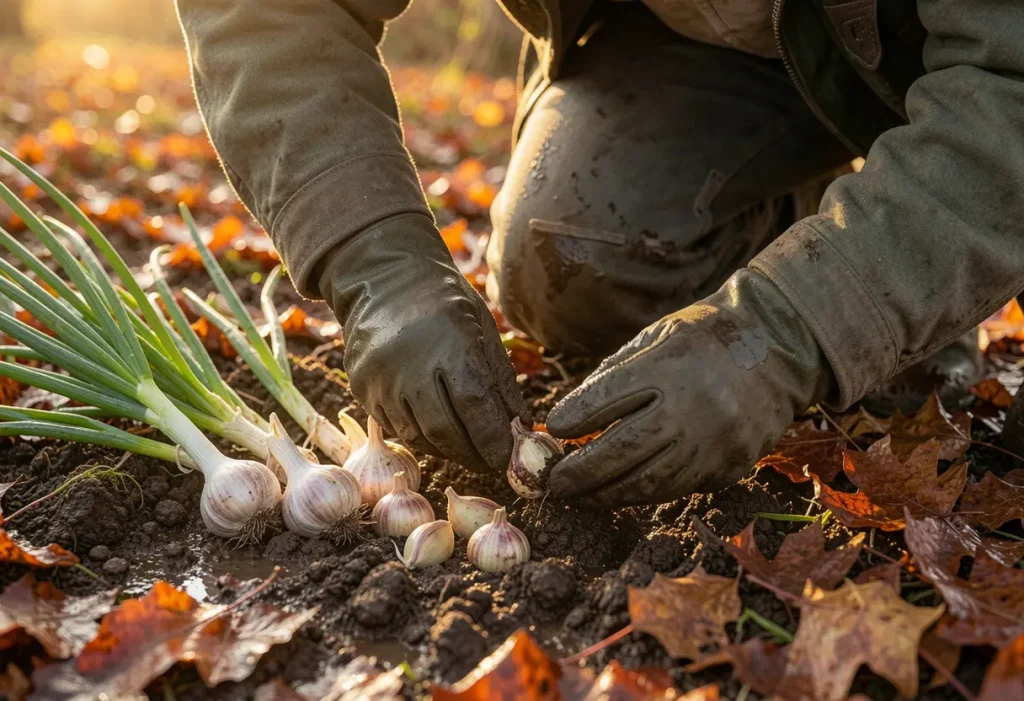
Plant garlic about 4-6 weeks before the ground freezes for strong root growth.
Plant cloves 2 inches deep with the pointed end up for proper growth.
Loamy, well-drained soil with good organic matter is ideal for garlic.
Water lightly after planting to keep soil moist but not soggy.
Fall planting helps garlic develop stronger bulbs, ready to harvest the next summer.
Planting garlic in the fall brings a strong harvest in spring. The cool soil helps cloves grow roots well. Choose healthy cloves and plant them deep enough. Keep soil moist but not too wet. Watch your garlic grow slowly through winter.
Harvest time will reward your patience and care. Start your fall planting now for fresh garlic later. Simple steps lead to tasty, homegrown garlic bulbs. Gardening is fun and gives great results. Try planting garlic this fall and enjoy the process.