Gardening Made Simple.
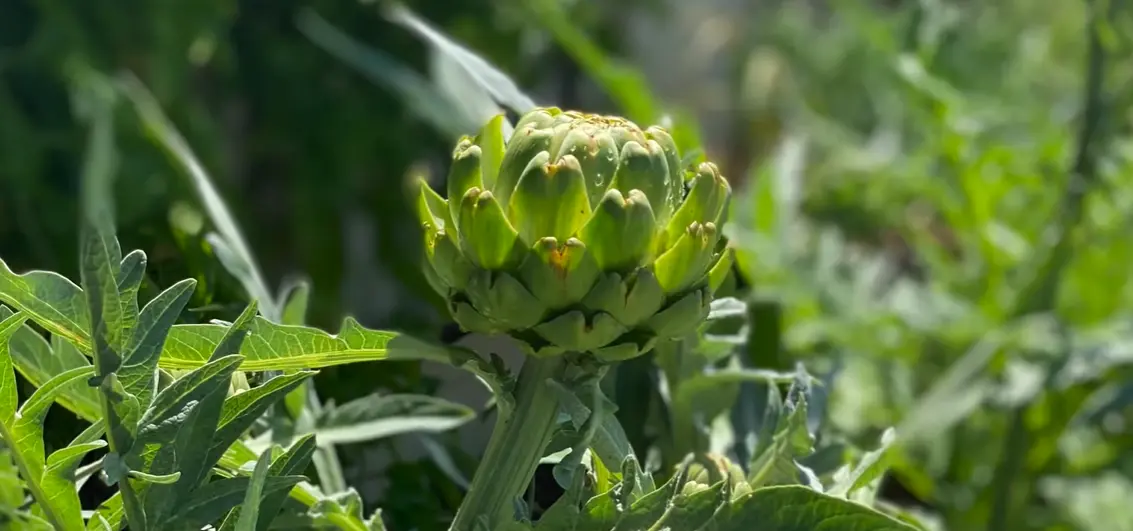
Are you ready to add something unique and delicious to your garden? How to Grow Artichokes shows you the steps to enjoy fresh, tender artichokes straight from your backyard, even if you’ve never grown them before.
Imagine picking these beautiful, green buds and turning them into tasty meals. In this guide, you’ll discover simple tips and tricks that make growing artichokes easier than you think. Keep reading, and soon you’ll be on your way to a garden full of these impressive and tasty plants.
Choosing the right artichoke variety is important for a healthy garden. Different types grow well in different places. Picking the best one helps you get bigger and tastier artichokes. Consider your local climate and growing space to make the right choice.
There are several common artichoke types to choose from. The Green Globe is classic and grows well in many areas. Imperial Star is a good choice for warmer places. Violetto has a unique purple color and a sweet taste. Each type offers different flavors and growing needs.
Artichokes grow best in mild climates. They need cool, moist winters and warm summers. Some types handle frost better than others. Check your area's temperature range before planting. Choosing a variety suited to your climate helps plants thrive and produce more buds.
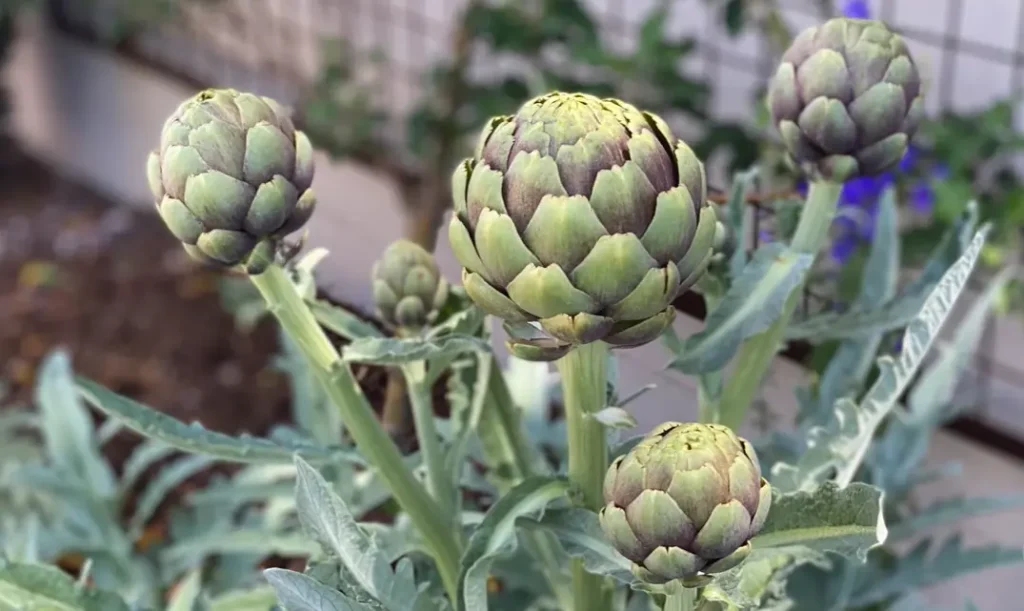
Preparing the soil is the first step to growing healthy artichokes. Good soil supports strong roots and big, tasty buds. It also helps plants resist disease and drought. Spending time on soil preparation will make your garden more productive.
Artichokes prefer loose, well-drained soil. Heavy clay or waterlogged soil harms roots. A sandy loam or loamy soil works best. The soil should have a pH between 6.5 and 7.5. Slightly acidic to neutral soil helps artichokes absorb nutrients well. Check soil drainage by digging a small hole. Water it and watch how fast water drains.
Adding organic matter improves soil texture and fertility. Mix compost, aged manure, or leaf mold into the soil. This boosts nutrients and helps retain moisture. Avoid fresh manure; it can burn roots. Work the organic matter deep, about 12 inches. This loosens the soil and encourages root growth. Test soil pH and adjust with lime or sulfur if needed. Well-prepared soil lays the foundation for strong artichoke plants.
Planting artichokes is the first step to growing these unique vegetables. They need care and the right conditions to thrive. You can start them from seeds or use young plants. Both methods have good results.
Choosing the right time and method helps your artichokes grow strong. This section explains how to plant artichokes for the best harvest.
Begin artichokes indoors to protect young plants. Use seed trays or small pots with good soil. Keep seeds moist and warm for faster germination. This process takes about two to three weeks. Once seedlings have a few leaves, move them outdoors carefully.
Buying young artichoke plants saves time and effort. Transplants are stronger and ready for the garden. Plant them gently to avoid root damage. Space plants at least three feet apart for room to grow. Water well after planting to help them settle.
Plant artichokes in early spring in most climates. In mild areas, fall planting also works. Avoid frost, which can harm young plants. Check local frost dates to plan your planting. Proper timing gives artichokes the best start for growth.
Watering and fertilizing are key to growing healthy artichokes. These plants need steady moisture and the right nutrients to produce big, tender buds. Without enough water, artichokes may become tough and dry. Without proper feeding, their growth slows and yields drop.
Good watering and feeding help artichokes stay strong and vibrant throughout the season. Keep the soil moist but not soggy. Feed regularly to support leafy growth and flower development. This care makes your artichokes thrive.
Water artichokes deeply once or twice a week. Check soil moisture by feeling the top inch. If dry, it's time to water. Early morning watering helps prevent diseases. Avoid wetting leaves to reduce mold risks. In hot weather, increase watering frequency. Mulch around plants to keep soil moist longer.
Choose a balanced fertilizer with nitrogen, phosphorus, and potassium. A 10-10-10 formula works well. Apply fertilizer every 3 to 4 weeks during growing season. Use compost or well-rotted manure to enrich soil naturally. Avoid too much nitrogen; it can create leafy plants with fewer buds. Follow package instructions for safe feeding amounts.
Sunlight and spacing play a big role in growing healthy artichokes. These plants need the right amount of light and room to grow strong. Proper care in these areas helps artichokes produce large, tasty buds. Understanding their sunlight needs and how far apart to plant them is key.
Artichokes need full sun to thrive. They grow best with at least six hours of direct sunlight daily. Sunlight helps the plant make food and build strong stems. Too little sun can cause weak growth and fewer buds. Choose a spot that stays bright most of the day.
Space artichoke plants about 3 to 4 feet apart. This gives them enough room to spread their large leaves. Crowded plants compete for water and nutrients. Good spacing improves air flow around the plants. It also reduces the chance of disease. Leave enough space to walk between rows for easy care.
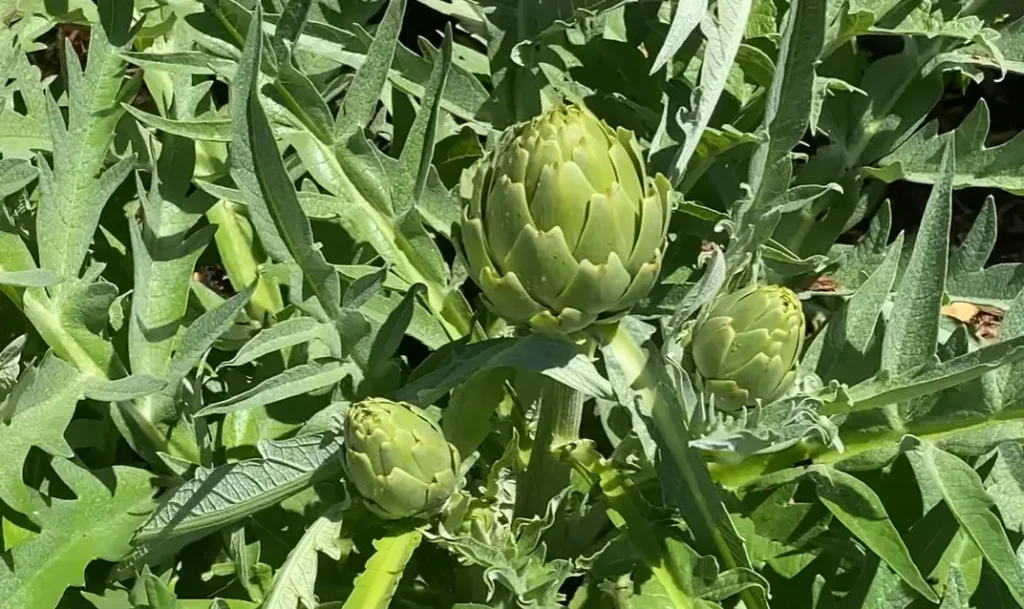
Growing artichokes can be very rewarding, but pests and diseases may cause trouble. Keeping these problems under control helps your plants stay healthy. Healthy plants grow better and give you more delicious artichokes.
Aphids are small bugs that suck sap from artichoke leaves. They make leaves curl and weaken the plant. Use insecticidal soap or spray water to remove them.
Artichoke plume moth larvae eat leaves and buds. They can ruin your harvest. Handpick larvae or use natural predators like ladybugs to reduce their numbers.
Slugs and snails enjoy munching on tender artichoke leaves. They leave holes and slime trails behind. Place barriers like crushed eggshells or use slug traps to protect your plants.
Good air flow helps prevent fungal diseases. Space plants properly and prune crowded leaves. Avoid wetting leaves during watering.
Rotate crops yearly to stop soil diseases from building up. Avoid planting artichokes where related plants grew before.
Remove dead or diseased leaves quickly. This stops infections from spreading to healthy parts.
Use disease-resistant artichoke varieties when possible. They need less care and stay healthier.
Harvesting artichokes at the right time is key for the best taste and texture. Knowing how to pick them correctly protects the plant and encourages more growth. Follow these simple tips to get the most from your artichoke plants.
Pick artichokes before the buds open. The ideal size is 3 to 5 inches across. The buds should feel firm and tight. If the petals start to spread, the artichoke is past its prime. Check plants every few days during harvest season. This helps catch them at the right time.
Use a sharp knife or garden shears to cut artichokes. Leave about 1 to 3 inches of stem attached. Cut at a slight angle to avoid water collecting on the stem. Handle artichokes gently to avoid bruising. Remove older leaves from the plant to keep it healthy. Regular harvesting can encourage new buds to grow.
Extending the growing season for artichokes helps you enjoy fresh harvests longer. It also boosts plant health and yield. Simple steps protect your plants from cold and stress. These methods keep your artichokes thriving beyond the usual months.
Mulch keeps soil warm and moist around artichoke roots. Apply a thick layer of straw or leaves. This protects roots from cold and dry winds. Mulch also reduces weed growth that competes for nutrients. Replace mulch if it gets thin or wet.
Frost can damage artichoke leaves and buds. Cover plants with cloth or frost blankets at night. Avoid plastic directly on leaves; it can freeze and cause harm. Use stakes to hold fabric above plants. Remove covers during the day to allow sunlight and air.
Growing artichokes is rewarding, but some problems can slow progress. Recognizing common issues helps keep plants healthy and productive. Troubleshooting early prevents damage and improves yields.
Yellow leaves often show nutrient or water problems. Too much water can drown roots and cause yellowing. Check soil moisture; it should be damp, not wet.
Lack of nitrogen also turns leaves yellow. Use a balanced fertilizer to supply needed nutrients. Avoid fertilizers high in nitrogen only.
Sometimes pests cause yellow spots or patches. Look closely for insects or eggs on leaves. Treat pests with mild insecticidal soap if needed.
Poor growth means the plant struggles to thrive. Artichokes need full sun for at least six hours daily. Less light slows growth and reduces bud size.
Soil quality affects growth. Artichokes prefer loose, well-drained soil rich in organic matter. Heavy clay or sandy soil limits root development.
Root damage from pests or diseases also stunts growth. Check roots for signs of rot or insect damage. Remove damaged plants to protect others.
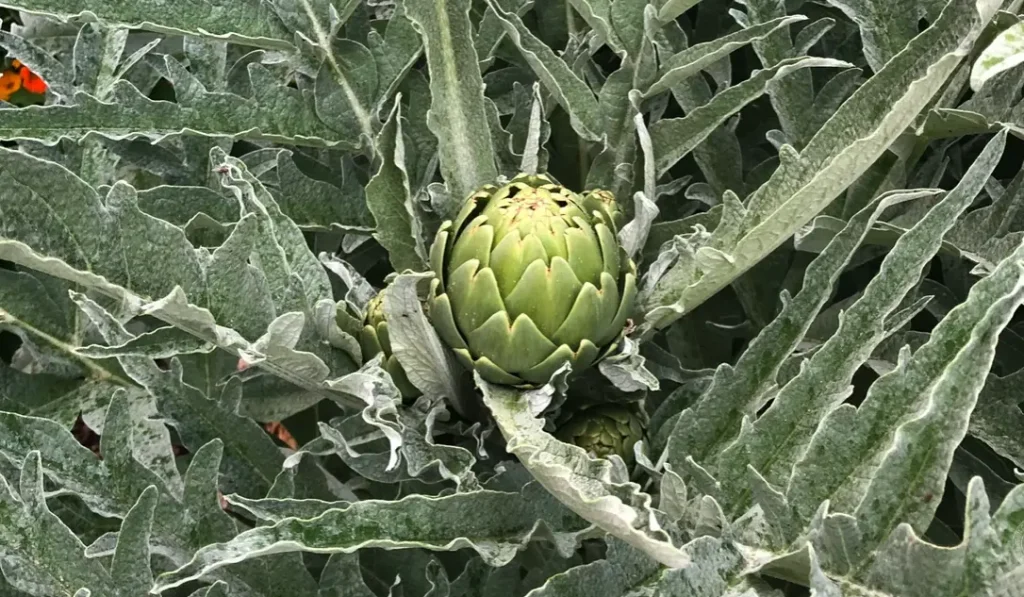
Artichokes usually take about 85 to 100 days to grow fully from planting.
Artichokes grow best in well-drained, sandy or loamy soil with good organic matter.
Water artichokes deeply once or twice a week to keep soil moist but not soggy.
Yes, artichokes can grow in large pots with good drainage and enough sunlight.
Plant artichokes in early spring or fall, depending on your local climate and frost dates.
Growing artichokes can be a fun and rewarding task. Start with good soil and plenty of sunlight. Water your plants regularly but avoid overwatering. Watch for pests and keep the area clean. Patience pays off—artichokes take time to grow. Harvest the buds when they are tight and firm.
Fresh homegrown artichokes taste better than store-bought ones. Keep caring for your plants season after season. Enjoy the process and the tasty results. Growing artichokes brings a fresh touch to your garden.