Gardening Made Simple.

Are you wondering when to harvest artichokes to get the best flavor and texture? When to Harvest Artichokes is key to ensuring your buds are tender, flavorful, and perfect for eating, rather than tough and disappointing.
You’ll discover clear signs that tell you exactly when your artichokes are ready. By the end, you’ll feel confident and excited to enjoy your homegrown artichokes at their peak. Keep reading to unlock the secrets of the perfect harvest!
Artichokes grow through clear stages that tell you when to harvest. Understanding these stages helps pick artichokes at the best time. This ensures the best taste and texture for your meals.
Watching your artichokes closely lets you catch the right moment before they bloom fully. Each stage shows different signs of growth and readiness. Let’s explore these stages in detail.
Artichokes start as small, tight buds. These buds grow larger and the scales begin to form. The bud stays closed for a while. This stage is crucial because the artichoke is still tender.
As time passes, the bud grows bigger and rounder. If you wait too long, the bud will start to open. The petals will spread, and the artichoke turns into a flower. Once blooming starts, the artichoke becomes tough and less tasty.
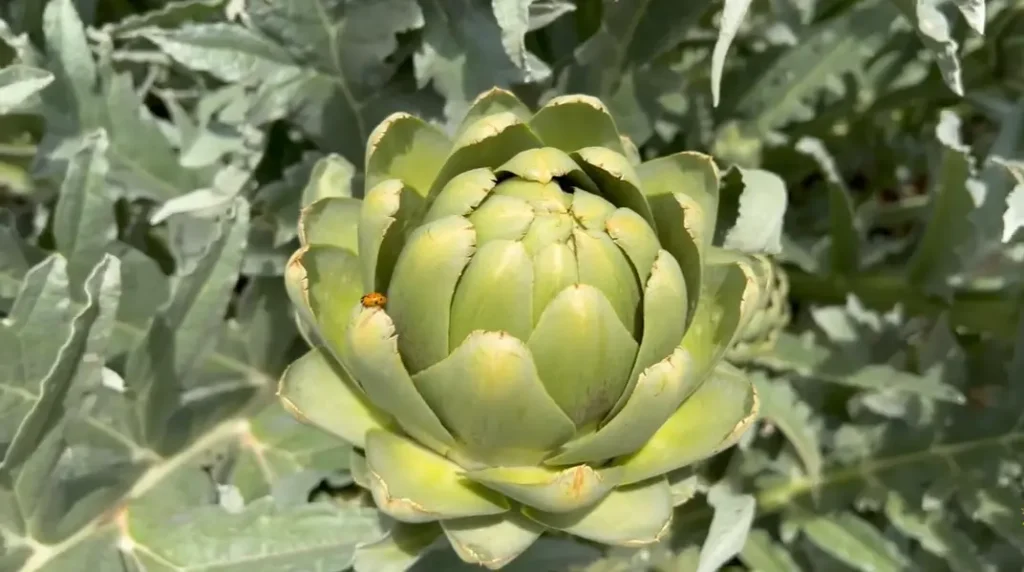
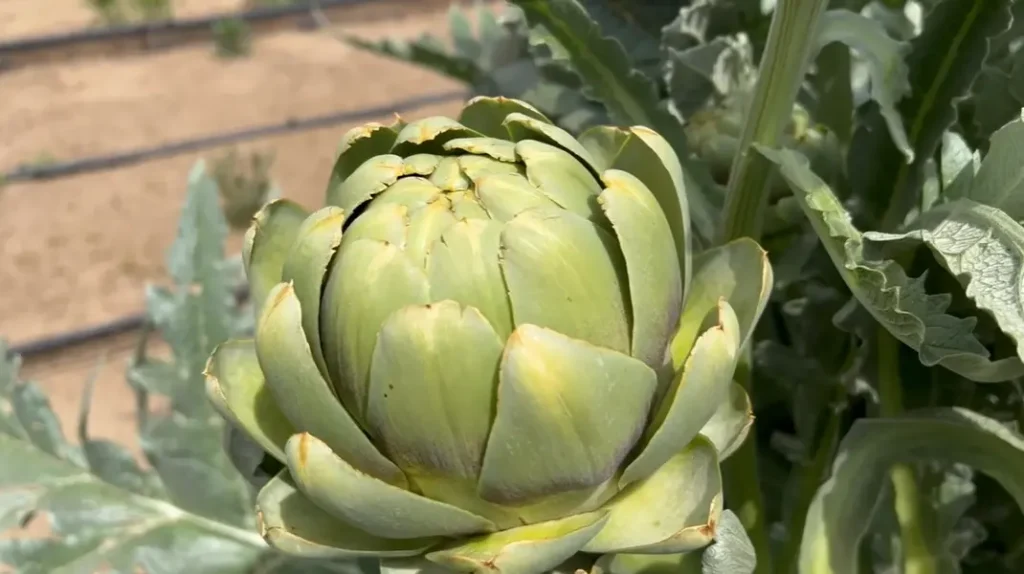
Look for firm, tight buds that feel heavy for their size. The color should be deep green or purple, depending on the variety. The scales should be tightly closed and not dry or brown.
Pick artichokes before the petals begin to open. If you see the tips of the petals starting to separate, it is time to harvest. Mature artichokes have a slight give when squeezed gently but are not soft.
Knowing the ideal time to harvest artichokes helps you get the best taste and texture. Harvest too early, and the flavor may be weak. Wait too long, and the artichoke becomes tough and bitter. Watch your plants closely as they grow to pick the perfect moment.
Artichokes grow in sizes and shapes, showing clear signs when they are ready. These signs guide you to harvest at the right time for a fresh, delicious vegetable.
Artichokes should be firm and tight before harvest. The buds grow large, about 3 to 5 inches across. The shape must be round and full, not loose or spreading open. Smaller buds under 3 inches usually lack flavor. If the petals start to spread, the artichoke is past its peak.
Look for a deep green color on the artichoke. A dull or brownish tint means the vegetable is aging. The surface should feel smooth and firm, not soft or spongy. Light green or purple hues are normal and show freshness. Avoid any artichokes with dry or cracked leaves.
Harvesting artichokes requires care and the right methods. Using proper techniques helps keep the plant healthy for future growth. It also ensures the buds are picked at their best size and taste. Knowing the right tools and cutting methods makes harvesting easier and safer.
Use sharp garden shears or a knife to cut the artichoke. Tools must be clean to avoid plant disease. Gloves protect your hands from the sharp leaves. A bucket or basket helps carry the harvested artichokes. Having the right tools saves time and effort.
Cut the artichoke stem about one to two inches below the bud. Make a clean, angled cut to help water run off. Avoid pulling or twisting the artichoke from the plant. This prevents damage to the stem and nearby buds. Harvest early in the day for the freshest buds.
Knowing the right time to harvest artichokes is important for the best taste and texture. Seasonal timing affects the size and quality of the buds. This section explains how spring and fall harvests differ and how regions change the timing.
Spring artichokes grow after winter dormancy. The buds appear in early spring and are ready by late spring or early summer. These artichokes tend to be tender and have a mild flavor. Fall artichokes grow later in the year. They start growing in summer and mature in early fall. The fall harvest often produces larger buds with a stronger taste. Both seasons offer good artichokes, but the texture and flavor can vary.
Climate affects when artichokes are ready to pick. In mild coastal areas, artichokes can be harvested almost year-round. In colder regions, the season is shorter, mostly in spring or fall. Warmer areas may have a longer growing season but watch for heat stress. Local weather patterns change the harvest time by weeks. Knowing your region’s climate helps plan the best harvest time. This way, artichokes reach peak freshness and flavor.
After harvesting artichokes, proper care helps keep them fresh and tasty. Handling them right preserves flavor and texture. Quick action after picking prevents spoilage and waste.
Store artichokes in a cool place to slow down decay. Treat them gently to avoid bruising, which causes faster deterioration. Clean storage conditions reduce the risk of mold and rot.
Keep artichokes in the refrigerator for best results. Place them in a plastic bag with holes for air flow. Avoid washing before storage to prevent moisture build-up. Use within one week for optimal freshness and taste.
Freezing artichokes extends their shelf life significantly. Blanch them briefly in boiling water before freezing. Dry well to avoid ice crystals and freezer burn. Canning is another method, but requires proper sterilization. Pickling offers a tasty alternative with a longer shelf life.
Harvesting artichokes at the right time is important for the best taste and texture. Many gardeners make common mistakes that reduce the quality of their harvest. These errors often come from picking the artichokes too early or too late. Understanding these mistakes helps you get the best from your plants.
Picking artichokes too soon leads to small, underdeveloped buds. These young artichokes are tough and lack flavor. They also have fewer edible parts, which means less yield. Wait until the buds feel firm and tight for the best quality. Early harvesting wastes the full potential of your crop.
Leaving artichokes on the plant too long causes them to become overripe. Overripe artichokes open up and turn dry or tough. They lose their tender texture and become bitter. The edible parts shrink, and the taste worsens. Harvest just before the buds start to open to avoid this problem.
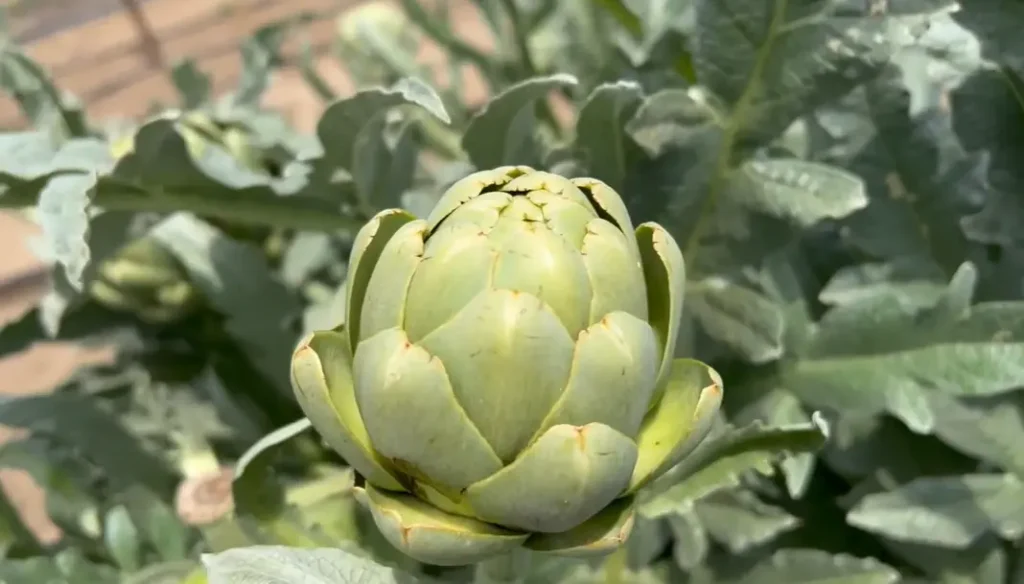
Harvest artichokes when their buds are tight and firm, before they start to open.
Pick artichokes when buds reach 3 to 5 inches in diameter for best taste.
No, artichokes become tough and less tasty once the flower opens fully.
Check your artichokes every few days during the growing season for perfect timing.
Harvest artichokes in the morning when they are cool and fresh for better flavor.
Harvest artichokes when the buds are tight and firm. Choose them before the petals start to open. This ensures the best taste and texture. Pick regularly to encourage more growth. Freshly harvested artichokes taste sweeter and have less bitterness. Watch the size; medium to large buds are usually ideal.
Keep an eye on your plants each day during harvest season. Enjoy the rewarding experience of growing and eating your own artichokes. Simple steps lead to fresh, delicious results every time.