Gardening Made Simple.
Are you ready to grow your own onions year after year without buying new seeds? Learning How to Harvest Onion Seeds is easier than you might think, and it gives you full control over the quality, freshness, and variety of onions you grow in your garden.
Imagine saving money, enjoying fresh, homegrown onions, and feeling proud of your gardening skills. In this guide, you’ll discover simple steps to collect and store onion seeds successfully. Keep reading, and by the end, you’ll have everything you need to start your own onion seed harvest with confidence.
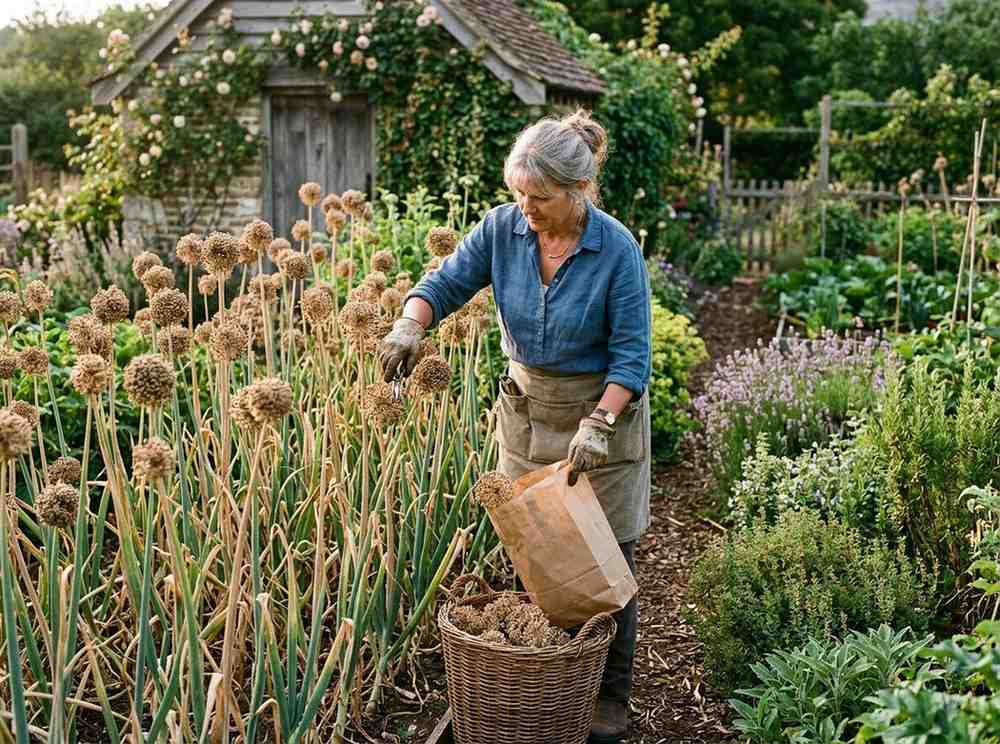
Choosing the right onions is the first step to harvest good seeds. The quality of your seeds depends on the onions you select. Healthy, strong onions give better seeds and healthier plants next season.
Not all onions produce seeds well. Some types are better for seed harvesting. Knowing which ones to pick saves time and effort.
Pick onions with no signs of disease or damage. Look for firm bulbs without soft spots or mold. Healthy bulbs store energy needed to produce strong seeds. Avoid onions with cracked skin or unusual colors. Choose onions that look fresh and solid.
Some onion varieties are made for seed growing. Choose open-pollinated or heirloom types. These grow true from seed. Hybrid onions often do not produce good seeds. Check seed packets or ask local gardeners for seed-ready types. Select varieties that suit your climate and soil for best results.
Preparing onion plants for seed is an important step in harvesting quality seeds. Healthy seed production depends on careful preparation. It starts with letting your onions grow through specific stages. These stages help the plant develop strong seeds for the next planting season.
Understanding how to prepare onions for seed saves time and effort. It also ensures better germination rates. Knowing what to expect helps you support the plants properly. This care leads to a good harvest of onion seeds.
Bolting means the onion plant sends up a flower stalk. This is the natural way onions create seeds. Let the onions grow without cutting the tops. The bulb will send a tall flower stalk upward. It can take several weeks for the stalk to fully develop.
Do not pull or break the flower stalk. The flower heads hold the seeds. Wait until the flowers bloom and dry out. This stage shows the seeds are ready for harvest. Bolting is crucial for seed production.
Flower stalks can grow tall and heavy. They may bend or break in wind or rain. Support the stalks with stakes or small sticks. Tie the stalk gently to the support. Use soft ties to avoid damaging the plant.
Supporting the flower stalk keeps it upright. This helps seeds develop fully. It also prevents seed loss from broken stalks. Proper support leads to a better seed harvest.
Collecting onion seeds is a simple process that helps gardeners grow new onions year after year. Saving seeds from your best onions saves money and ensures plants suited to your climate. The key is to know the right time and method for harvesting seeds.
Proper seed collection ensures healthy, strong onions in the next season. Careful handling keeps seeds viable and ready for planting.
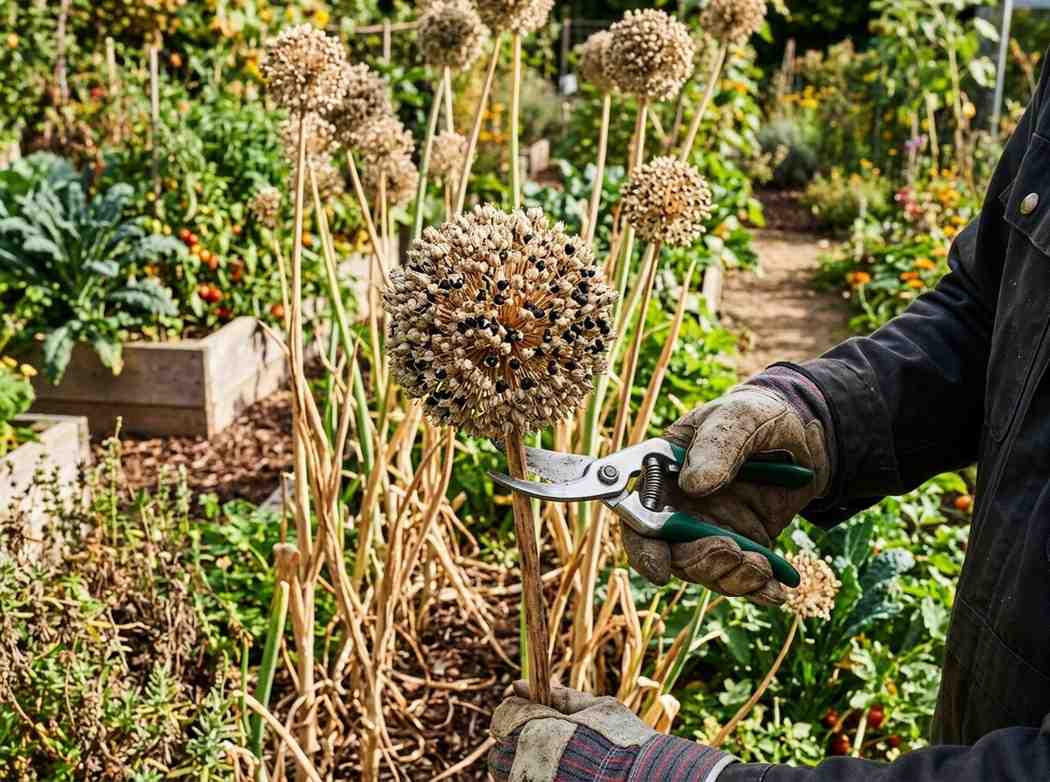
Harvest onion seeds when seed heads turn brown and dry. This usually happens late in the growing season. Seeds mature only after the flower dies. If you pick too early, seeds may not grow well. Wait for the seed heads to feel dry and brittle. This shows seeds are ready for collection.
Cut seed heads carefully from the onion plant. Use sharp scissors or garden shears to avoid damage. Place the seed heads in a paper bag or bowl. Avoid plastic bags to prevent moisture buildup. Let them dry further indoors for a few days. After drying, gently crush seed heads to release seeds. Store seeds in a cool, dry place until planting time.
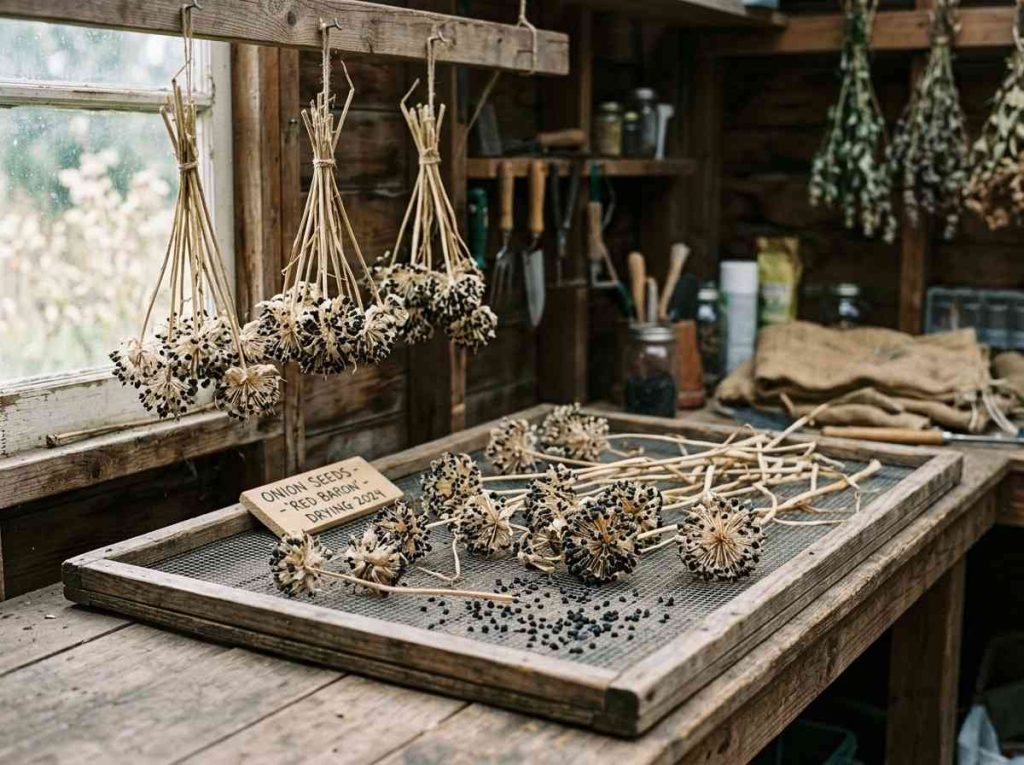
Drying and cleaning onion seeds is a key step in saving seeds for the next planting season. Proper drying stops mold and keeps seeds from rotting. Cleaning removes bits of plant and dirt, which helps seeds last longer and sprout better. Take time with this process to get healthy seeds.
Spread seeds thinly on a paper towel or screen. Choose a warm, dry place with good air flow. Avoid direct sunlight, which can damage seeds. Let seeds dry for about two weeks. Check daily and stir gently to keep seeds from sticking. Seeds should feel hard and dry before storing.
Chaff means the dry bits of plant mixed with seeds. To separate, gently rub seeds between your fingers or use a fine sieve. Blow lightly to remove lighter chaff pieces. Repeat until mostly clean seeds remain. Clean seeds reduce mold risk and improve germination. Store seeds in a cool, dry container after cleaning.
Storing onion seeds safely is important for keeping them healthy and ready to grow. Proper storage helps seeds stay fresh and strong for the next planting season. Seeds need the right container and environment to last long without losing their ability to sprout.
Pick containers that keep out moisture and air. Small glass jars with tight lids work well. Paper envelopes can be used, but place them inside a sealed plastic bag. Avoid containers that let light in. Dark, airtight containers protect seeds best.
Store seeds in a cool, dry place. A temperature between 32°F and 41°F (0°C and 5°C) is ideal. Keep seeds away from heat and sunlight. A basement or refrigerator works well. Make sure the storage area stays dry to prevent mold. Check seeds regularly for signs of damage.
Planting onion seeds starts with careful preparation. Healthy seedlings lead to strong onion plants. Growing seedlings indoors helps control temperature and light. This step gives young onions a better start before moving outside.
Transplanting seedlings to the garden needs care. Proper timing and handling reduce plant shock. This step ensures your onions grow well in the soil.
Choose a seed tray or small pots with drainage holes. Fill them with light, well-draining seed-starting mix. Sow onion seeds thinly, covering lightly with soil. Keep the soil moist but not wet. Place trays in a warm spot with indirect light. Seedlings usually appear in 7 to 14 days. Thin seedlings to avoid crowding once they grow a bit. Maintain good air flow to prevent mold or disease.
Transplant seedlings when they reach 4 to 6 inches tall. Harden them off by placing outside for a few hours daily. Increase time outdoors over one week. Choose a sunny spot with loose, rich soil. Space seedlings 4 to 6 inches apart in rows 12 to 18 inches wide. Water well after planting to settle soil around roots. Avoid planting on very windy days to protect young plants.
Harvesting onion seeds can be tricky. Many gardeners face common problems that reduce seed quality and yield. Knowing these challenges helps protect your seeds and improve results.
Careful handling and timely action avoid many issues. Paying attention to details makes a big difference in seed success.
Onion seeds are small and easy to lose. Dry seed heads can break and scatter seeds in the wind. Harvest seeds on a dry day to keep them intact.
Use a paper bag or container to catch seeds. Avoid plastic bags; they trap moisture and cause mold. Store seeds in a cool, dry place to prevent damage.
Old or poorly stored seeds often fail to sprout. Keep seeds dry and cool to maintain their strength. Test a few seeds by planting them before storing large batches.
Use fresh seeds within one year for best results. Remove any debris from seeds to avoid mold. Proper drying and storage improve germination success.
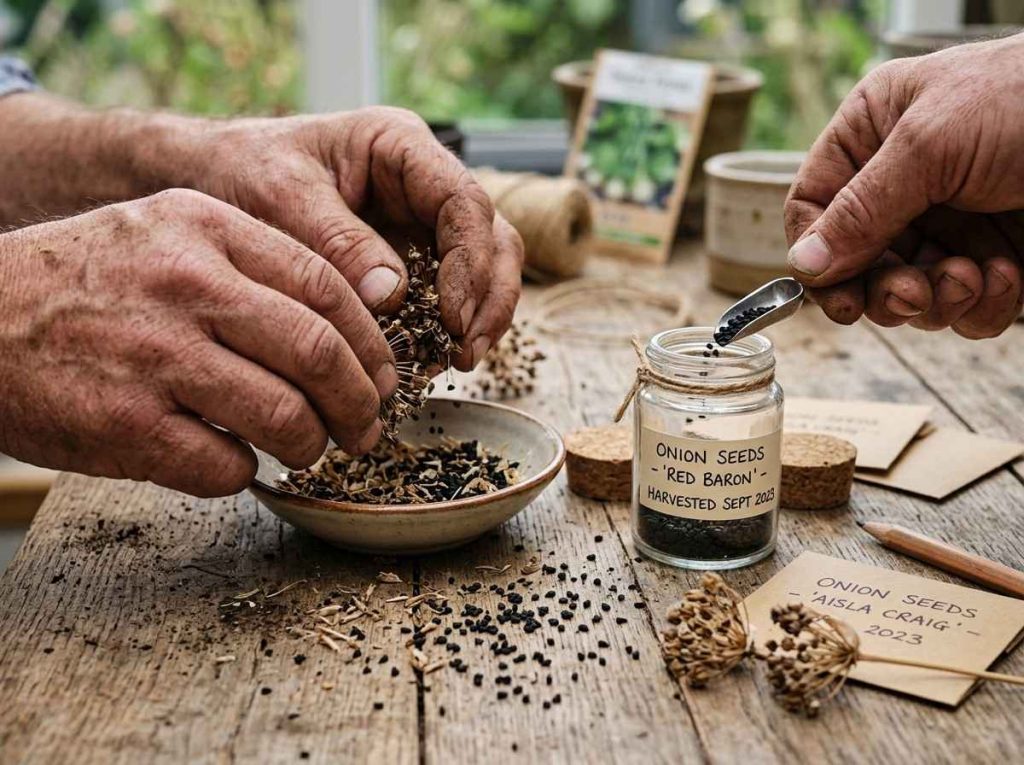
Onion seeds are ready when the seed heads turn brown and dry. They should feel brittle to touch.
Cut dry seed heads and place them in a paper bag. Shake gently to release seeds.
Onion seeds usually take 3-4 months from planting to fully mature seed heads.
Store-bought onions rarely produce good seeds. Use seeds from healthy, open-pollinated onion plants instead.
Keep seeds in a cool, dry place inside an airtight container. Avoid moisture and heat.
Harvesting onion seeds takes time and care. Wait until the seed pods dry on the plant. Cut the pods and let them dry more in a cool place. Gently crush the pods to collect the seeds. Store seeds in a dry, dark container.
Using your own seeds saves money and grows strong onions. Try this easy process for fresh seeds next season. Keep your garden growing with home-harvested onion seeds. Simple steps, great results.