
Gardening Made Simple.
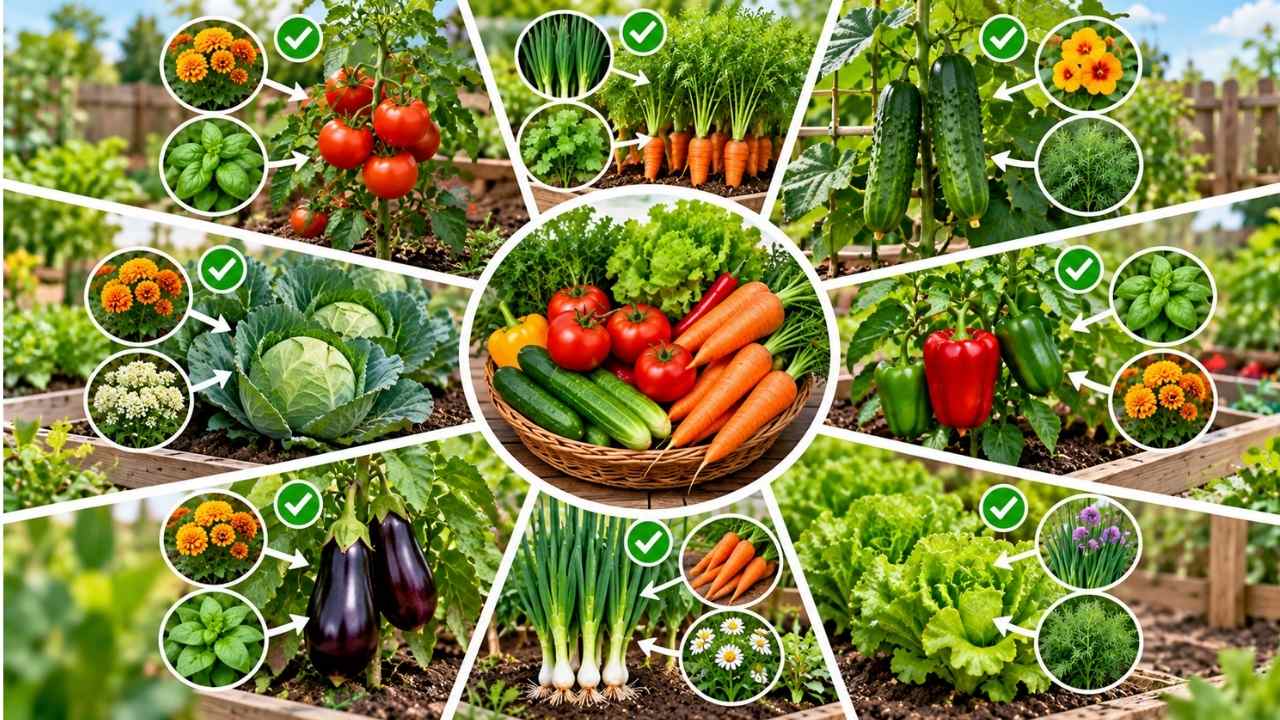
When a new gardener plans a first vegetable bed, the hardest part is often deciding what belongs together. A companion planting chart for vegetables offers a practical starting point: pair crops that can share space, support one another, attract helpful insects, or make pest problems less inviting. In 2026, however, the most useful approach is to treat these pairings as garden-planning guidance rather than guaranteed results.
For example, popular combinations include tomatoes with basil, carrots with onions, and the classic Three Sisters planting of corn, climbing beans, and squash. The chart below also highlights combinations to avoid because related crops may share diseases, pests, or competing space requirements.
A companion planting chart for vegetables matches crops according to useful relationships such as pest confusion, physical support, soil enrichment, pollinator attraction, and efficient use of space. However, it does not replace healthy soil, suitable sunlight, watering, crop rotation, or regular inspection for pests and disease.
For example, tall corn can support climbing beans, while squash spreads across the ground and helps block weeds. Similarly, aromatic herbs and bright flowers can make a vegetable bed more diverse. As a result, that diversity may help attract beneficial insects or make it harder for some pests to locate a single crop.
Garden conditions still matter. Therefore, a pairing that works in a sunny raised bed may perform poorly in a crowded container or a damp, shaded plot. Before planting, keep spacing, mature plant size, airflow, and each crop’s growing season in mind.
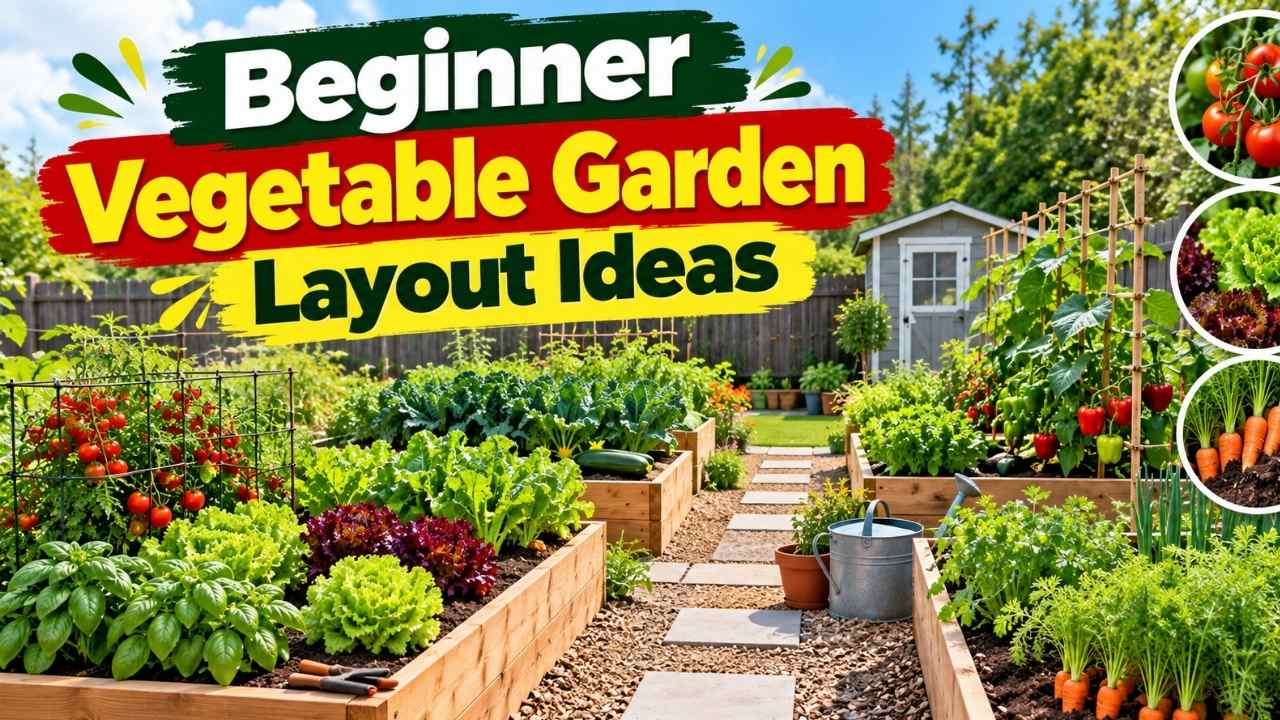
Read More: Beginner Vegetable Garden Layout Ideas
The most useful pairings combine a clear practical benefit with compatible growing habits. Some plants provide support, while others occupy different root zones. In addition, several herbs or flowers add scent and colour. The table below brings together the main combinations and the cautions supplied for each crop group.
| Vegetable | Good companions | Companions to avoid | Main benefit |
|---|---|---|---|
| Tomatoes | Basil, carrots, onions, marigolds, parsley | Potatoes, corn, mature dill | Basil may repel flies and marigolds may deter nematodes. |
| Bush and pole beans | Corn, squash, rosemary, nasturtiums, beets | Onions, garlic, gladiolus | Corn provides support and beans fix nitrogen in the soil. |
| Carrots | Onions, leeks, lettuce, rosemary | Dill, parsnips | Onions may deter carrot root flies while carrots may deter onion flies. |
| Cabbage and brassicas | Nasturtiums, mint, thyme, sage, onions | Strawberries, tomatoes | Nasturtiums can act as a trap crop and mint may deter flea beetles. |
| Cucumbers | Beans, corn, peas, radishes, sunflowers | Potatoes, sage | Radishes may deter cucumber beetles while corn offers support and light shade. |
| Potatoes | Beans, corn, horseradish, marigolds, peas | Tomatoes, squash, cucumber | Horseradish is associated with disease resistance, while beans and corn share space well. |
| Lettuce | Carrots, radishes, strawberries | Parsley, celery | Radishes and carrots can loosen soil and fit into tight root zones. |
These seven crop groupings are most helpful when they solve a real layout problem. For instance, a small garden can place lettuce beside carrots and radishes because their root zones use space differently. By contrast, a larger bed may reserve a sunny section for corn, beans, and squash so the plants can share vertical, middle, and ground-level space.
The Three Sisters planting combines three crops: corn, climbing beans, and squash. Corn serves as a living support for beans, beans enrich the soil with nitrogen, and squash spreads along the ground to help block weeds. Together, the plants use different levels of the same growing area.
This method is not simply a decorative arrangement. Instead, it is a space-sharing system. A beginner with a small plot can understand the logic quickly: corn grows upward, beans climb, and squash covers the soil. However, each crop still needs adequate sun, moisture, and room to mature without becoming overcrowded.
Planting order and spacing deserve attention. Corn needs to establish enough height and strength to support climbing beans. If beans grow too aggressively before the corn is ready, the stalks may struggle. Meanwhile, squash also needs room to spread, so the bed should not be placed beside a narrow walkway or a small container.
Herbs and flowers can make a vegetable bed more useful by adding scent, colour, habitat, and structural variety. Marigolds and nasturtiums are especially important in the supplied pairings. In addition, rosemary, mint, thyme, sage, and parsley appear beside several vegetables because aromatic plants may confuse or discourage certain pests.
Nasturtiums can serve as a trap crop for caterpillars around cabbage and other brassicas. That means pests may be drawn toward the nasturtiums instead of concentrating only on the main crop. Likewise, mint may deter flea beetles, while marigolds are associated with deterring nematodes near tomatoes and potatoes.
There is, however, a practical limitation. Mint can spread quickly, so growing it in a container may make garden maintenance easier. Likewise, flowers should not be planted so densely that they block airflow around vegetables. Therefore, a mixed bed works best when every plant has a clear role and enough space.
Beginners should keep listed “bad companions” apart when crops belong to related groups or share similar pest and disease concerns. Tomatoes and potatoes are the clearest example. Although both are useful garden crops, planting them together can create a concentrated area where shared problems may spread more easily.
The chart also recommends separating tomatoes from corn and mature dill, beans from onions, garlic, and gladiolus, and carrots from dill and parsnips. In addition, cabbage and brassicas should be kept away from strawberries and tomatoes. Cucumbers should not be paired with potatoes or sage.
One common mistake is treating every plant in a family as interchangeable. A gardener may see that beans work well with corn and assume all tall crops will behave similarly. In practice, however, plant shape, root competition, disease history, mature size, and seasonal timing all influence the result.
Start with the main crop rather than trying to plant every suggested companion. Choose one vegetable you want to grow, then add one or two compatible plants that solve a specific problem. This keeps the bed easier to monitor and makes it clearer which combination is performing well.
Imagine a first-time gardener with one sunny bed and limited experience. Tomatoes could form the main crop, while basil and parsley could fill nearby spaces, and marigolds could add a flowering edge. Meanwhile, potatoes would be placed elsewhere rather than sharing the tomato area. This arrangement is simple enough to manage and still reflects the chart’s main principles.
For UK and US gardeners, the same planning logic applies, but planting dates vary with local climate, frost risk, and hardiness conditions. Therefore, check regional guidance from a trusted horticultural source, such as the Royal Horticultural Society’s companion planting guidance, before setting out tender crops.
The strongest companion planting decisions are based on function, not appearance. Ask what each neighbour contributes: support, soil improvement, pest confusion, pollinator access, shade, or efficient root-space use. If a pairing has no clear role and creates crowding, it may not deserve valuable garden space.
A useful rule is to change one major variable at a time. If a beginner plants six companions around one tomato bed, it becomes difficult to know which plant helped, competed, or caused crowding. Therefore, a smaller trial with one or two companions produces clearer observations and is easier to maintain.
Companion planting means growing compatible vegetables, herbs, or flowers together to support growth, discourage pests, attract pollinators, or use garden space more efficiently.
Yes, tomatoes and basil are a popular pairing. Basil may help repel flies and can fit near tomatoes, provided both plants receive enough sunlight, airflow, water, and root space.
Tomatoes and potatoes are related crops that can share disease and pest concerns. As a result, keeping them apart reduces the chance of concentrating similar problems in one section of the garden.
The Three Sisters are corn, climbing beans, and squash planted together. Corn supports beans, beans enrich the soil, and squash spreads across the ground to help block weeds.
They are commonly paired because onions may deter carrot root flies while carrots may deter onion flies. In addition, their different root patterns can make efficient use of garden space.
Mint can be useful around brassicas because it may deter flea beetles, but it can spread quickly. Therefore, a container or controlled edge is often easier to manage than open ground.
No. A chart is a planning aid, not a guarantee. Instead, regular inspection, healthy soil, suitable spacing, crop rotation, and prompt action remain important parts of vegetable gardening.
A companion planting chart for vegetables works best when it helps you make a sensible layout rather than follow a rigid formula. Begin with the crop you care about most, add companions with a clear purpose, and keep incompatible pairings separate. The Three Sisters, tomato-and-basil beds, and carrot-and-onion rows each demonstrate a different way to share space.
For a first garden in 2026, choose a manageable combination and observe it through the growing season. Record what grows strongly, where pests appear, and whether plants become crowded. Before planting, confirm local timing and spacing guidance from a reliable horticultural source. Then adapt the chart to your own soil, light, and climate.
Subscribe to the blog and newsletter to get new updates in simple, clear words straight to your inbox.
Recent Articles
Related Articles
Keengarden is your simple, friendly guide to growing healthy plants, fixing garden problems, and choosing the right tools.
© 2025 keengarden. All rights reserved. Designed by Affpilot