Gardening Made Simple.
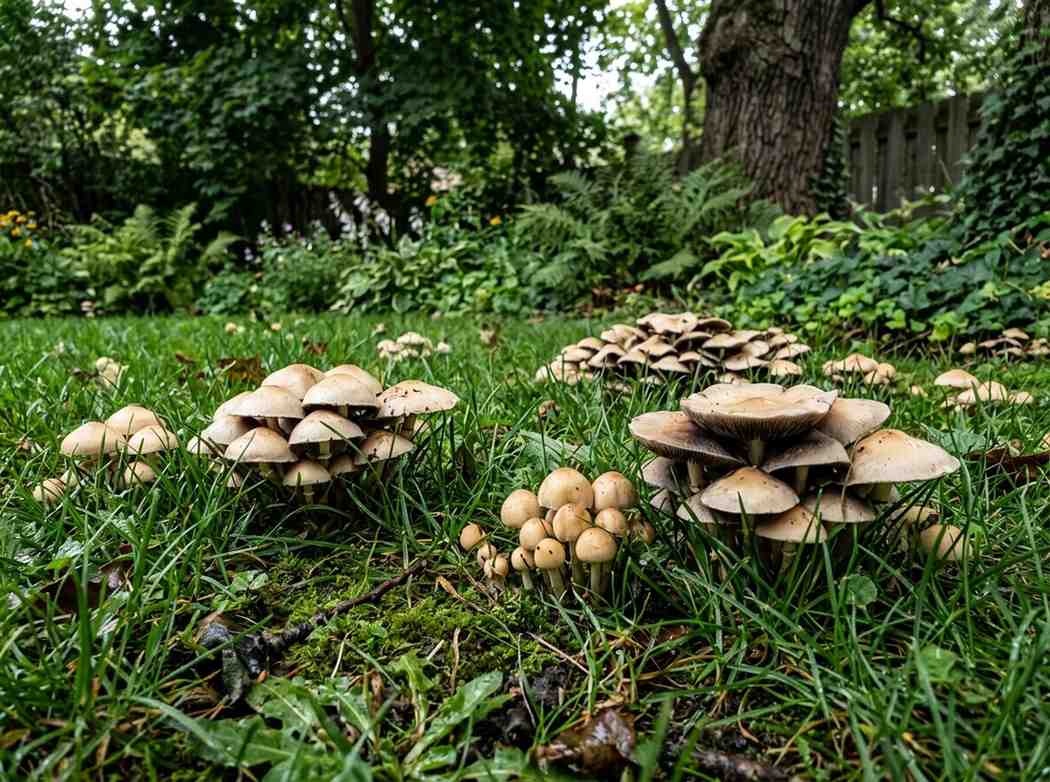
Are you noticing mushrooms popping up all over your yard? While they might seem harmless, these fungi can quickly take over and affect the look of your lawn. Learning How to Get Rid of Mushrooms in Yard areas can help you keep your landscape clean, healthy, and easier to maintain.
You probably want to enjoy a clean, healthy outdoor space without worrying about these unexpected guests. The good news is, you don’t have to live with them. You’ll discover simple and effective ways to get rid of mushrooms in your yard for good.
Keep reading to find out how to protect your lawn and keep it looking its best.
Mushrooms often appear in yards, surprising many homeowners. These fungi grow because of natural processes in the soil and environment. Understanding why mushrooms grow can help you control or prevent them effectively.
Mushrooms grow from spores that land on your lawn. They need organic matter to feed on. Dead leaves, grass clippings, and tree roots provide food for mushrooms. Old tree stumps underground are a common source. Mushrooms break down this material, which helps recycle nutrients in the soil.
Yards with rich organic matter often have more mushrooms. Overwatered lawns can also encourage growth. Mushrooms thrive in moist, decaying environments. Poor drainage or compacted soil can trap moisture, making perfect spots for mushrooms.
Warm and damp weather supports mushroom growth. Mushrooms prefer shaded areas where sunlight is limited. Cool nights and warm days create ideal conditions. Heavy rainfall or frequent watering keeps soil moist. Mushrooms appear quickly after these wet periods.
Lawns with dense grass or lots of shade tend to have more mushrooms. They protect moisture and organic matter from drying out. Mushrooms are nature’s way of breaking down dead material and enriching soil health. This natural cycle happens quietly beneath your feet.
Mushrooms often appear in yards, especially after rain. Knowing their types helps decide how to handle them. Some mushrooms are safe and harmless. Others can be harmful to pets and children. Identifying mushrooms is the first step to managing them effectively.
Safe mushrooms usually grow on dead wood or mulch. They do not spread quickly or damage the lawn. Harmful mushrooms might have bright colors or unusual shapes. These can be toxic if touched or eaten. Always keep children and pets away from unknown mushrooms.
Some mushrooms appear often in yards. The Puffball mushroom is round and white. It releases spores like dust when touched. The Fairy Ring mushroom grows in circles on grass. The Ink Cap mushroom has a tall, thin cap. Learning these common types helps identify mushrooms quickly.
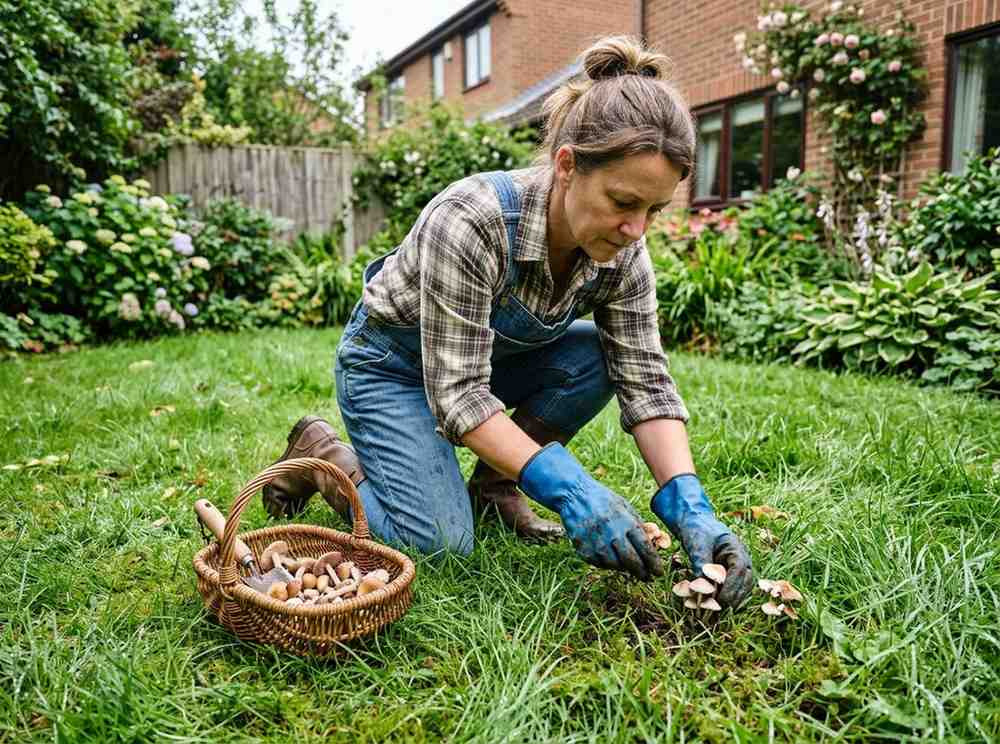
Mushrooms can appear quickly in your yard. They grow fast and spread easily. Taking action right away helps stop their growth. Removing mushrooms immediately prevents spores from spreading further. Quick removal also keeps your yard safe for children and pets.
Wear gloves before touching mushrooms. Gently pull mushrooms from the soil. Remove the entire base to stop regrowth. Use a small shovel or garden trowel if needed. Avoid breaking mushrooms to reduce spore release. Collect mushrooms carefully in a bucket or bag.
Do not compost mushrooms. Spores can survive and spread in compost. Seal mushrooms in a plastic bag tightly. Throw the bag in your trash bin. Avoid tossing mushrooms into the yard or garden. Proper disposal stops mushroom spores from returning.
Stopping mushrooms from coming back means changing the yard’s conditions. Mushrooms like damp, shady, and rich soil spots. Making the area less friendly helps keep mushrooms away. Focus on three main things: better drainage, less organic matter, and balanced soil pH.
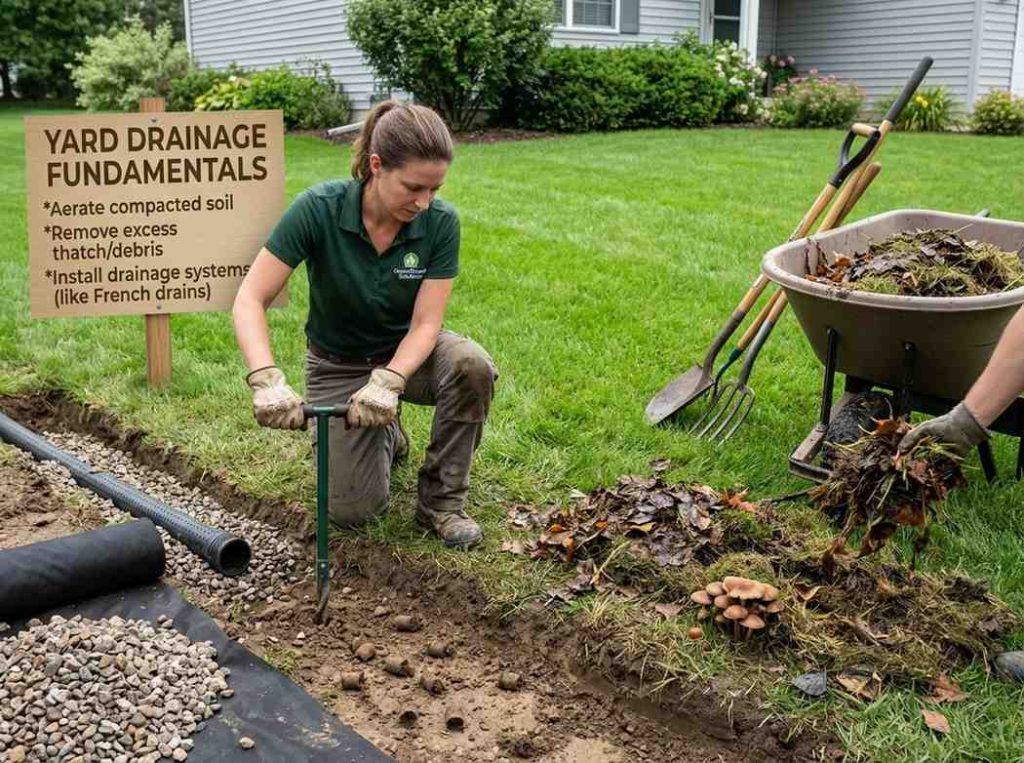
Water that stays too long makes mushrooms grow fast. Fixing drainage lets water flow and dry out the soil. Use tools like a rake or shovel to create small channels. These channels help water move away from problem areas. Avoid overwatering your lawn and garden. Let the soil dry between watering times.
Mushrooms feed on dead plants, leaves, and wood. Clearing away this debris removes their food source. Rake leaves and branches regularly. Remove old mulch or replace it with fresh, dry mulch. Avoid piling up wood or plant waste near your house. Keep the yard clean to stop mushroom growth.
Mushrooms prefer slightly acidic to neutral soil. Test your soil pH with a simple kit. Add lime to raise pH if the soil is too acidic. Use sulfur to lower pH if the soil is too alkaline. Balanced pH slows mushroom growth and helps plants stay healthy. Check soil pH every year for best results.
Mushrooms in the yard can look messy and might harm your plants. Natural remedies offer gentle ways to reduce their growth. These options use common items and avoid harsh chemicals. They help keep your yard safe for kids and pets.
Baking soda is a simple and effective ingredient. Sprinkle it on mushroom clusters to dry them out. Vinegar also works well. Mix it with water and spray on affected areas. This changes the soil's pH, making it harder for mushrooms to grow.
Salt can stop mushrooms by drawing out moisture. Use it sparingly to avoid harming plants. Coffee grounds act as a natural fertilizer but can also reduce mushroom growth. Spread used grounds thinly across your lawn for best results.
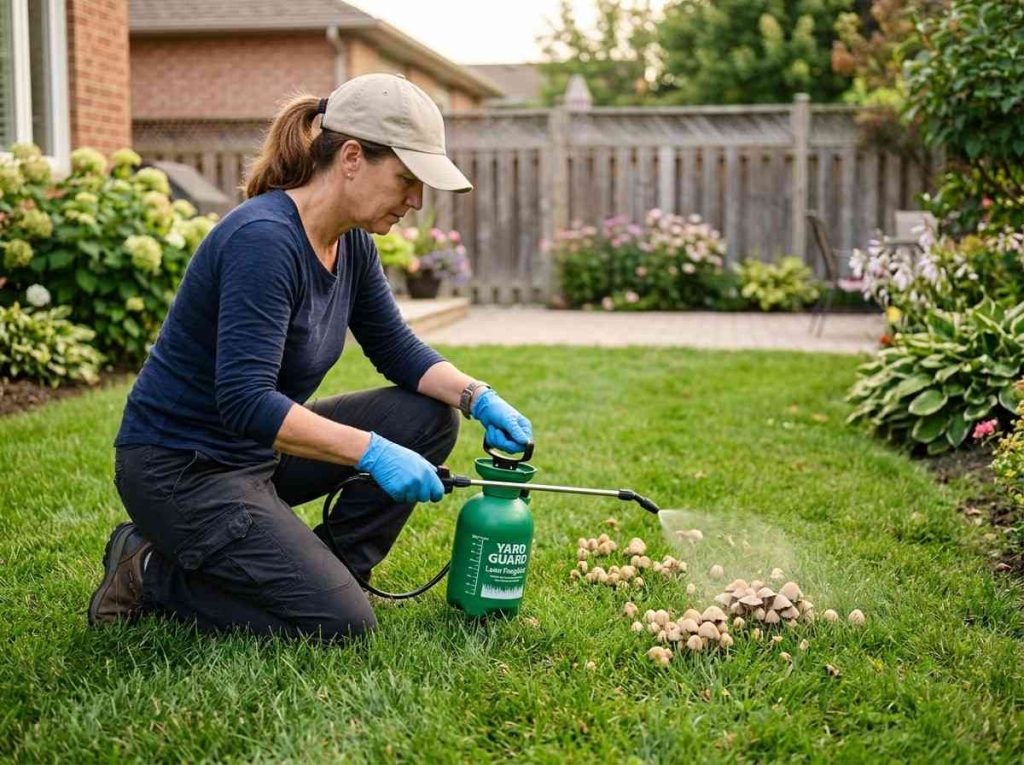
Some safer chemicals target mushrooms without damaging the environment. Products with potassium bicarbonate kill fungi on contact. They are less toxic than many fungicides. Neem oil is another option. It disrupts mushroom growth while being safe for pets and plants.
Always follow label instructions carefully. Apply treatments on dry days for better effects. These alternatives help control mushrooms without risking your yard's health.
Mushrooms in the yard can be harmless, but sometimes they signal a bigger issue. Knowing when to call a professional helps protect your lawn and plants. Professionals can identify and treat problems that are hard to solve alone. Getting expert help saves time and effort. It also stops mushrooms from coming back quickly.
Some mushroom problems do not go away with simple care. Mushrooms growing back after removal show a deeper issue. These fungi often grow from decaying roots or buried wood. If mushrooms spread fast or cover large areas, the problem is serious. Professionals look for hidden causes that are easy to miss. They check soil health and lawn conditions. This step is important for long-term mushroom control.
Experts use special methods to remove mushrooms safely. They apply fungicides that are not available for home use. Treatment may include soil aeration or improving drainage. Professionals can remove decayed organic matter underground. They also give advice on lawn care to prevent mushrooms. Their treatments often last longer and work better. Calling a professional means a cleaner, healthier yard faster.
Mushrooms grow in damp, shady places with decaying organic material like leaves or wood.
Some mushrooms are toxic. Keep pets and children away from mushrooms to be safe.
Remove decayed wood, improve drainage, and reduce shade to prevent mushrooms from returning.
Yes, removing mushrooms helps reduce fungi that can harm grass and soil quality.
Fungicides can help but use them carefully and follow instructions to protect plants and pets.
Mushrooms in your yard can be a common problem. Removing them takes patience and regular care. Keep your lawn dry and clean to stop growth. Remove mushrooms as soon as you see them. Fix any areas with too much shade or moisture.
Healthy grass helps keep mushrooms away. Watch your yard often to catch new mushrooms early. Following these simple steps will help your yard look better. A clear, mushroom-free yard is possible with steady effort.