Gardening Made Simple.
Have you ever spotted mushrooms popping up inside your home and wondered why they’re there? It can be surprising—and a little unsettling—to see these little fungi growing where you least expect them. Mushrooms Growing in House is usually a sign of excess moisture, damp conditions, or hidden organic material that creates the perfect environment for fungi to thrive.
But don’t worry, you’re not alone, and understanding why mushrooms appear indoors is easier than you think. You’ll discover the common reasons behind this curious growth, how it affects your living space, and what simple steps you can take to keep your home safe and fresh.
Keep reading to learn everything you need to know about mushrooms growing in your house.
Mushrooms growing inside your house might surprise you. They often show up where you least expect them. Understanding why they appear helps you manage and prevent them. Mushrooms need certain conditions to grow, and your home can provide just that.
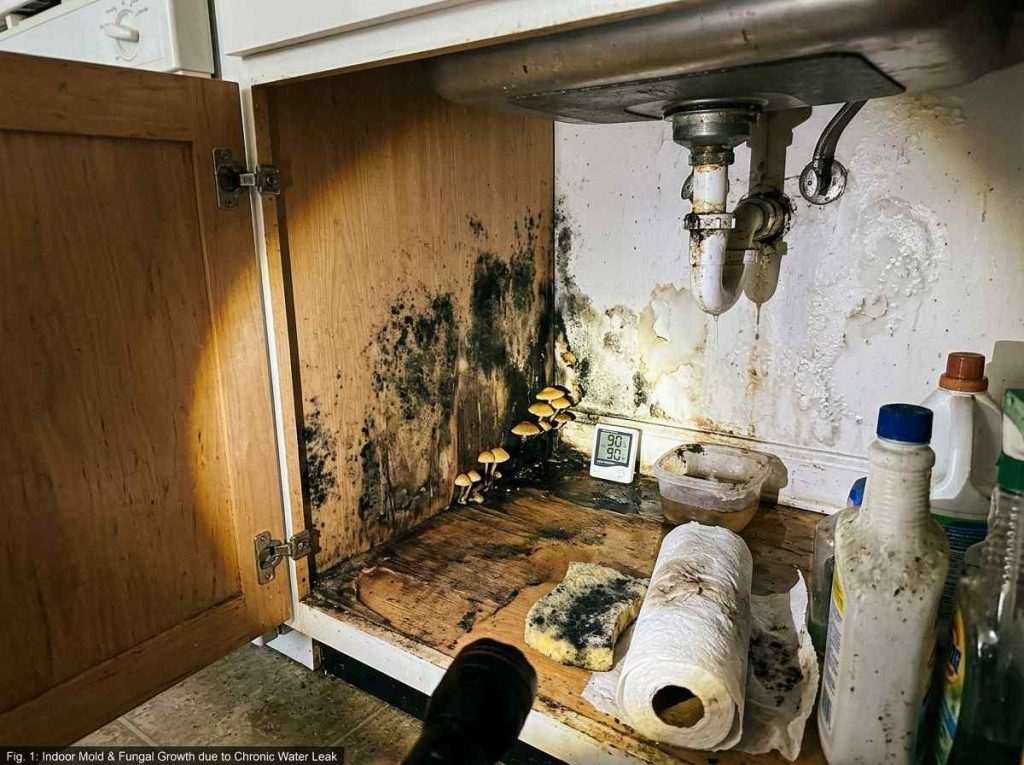
Mushrooms grow indoors because of damp areas. Leaks in pipes or roofs create moisture. Poor ventilation traps humidity inside rooms. Overwatered houseplants also raise moisture levels. Organic material like wood or paper can feed mushroom growth. These causes create a perfect environment for mushrooms to appear.
Dark, wet, and warm places favor mushroom growth. Basements and bathrooms often have these conditions. High humidity levels keep surfaces moist. Lack of sunlight slows down drying. Mushrooms thrive in these environments and spread quickly. Controlling moisture and light can reduce their growth.
Spores float in the air and enter homes easily. Open windows and doors allow spores inside. Spores also hitch a ride on shoes and pets. Spores settle on wet or organic surfaces. Once spores find the right place, they start growing. Cleaning and drying surfaces help remove spores.
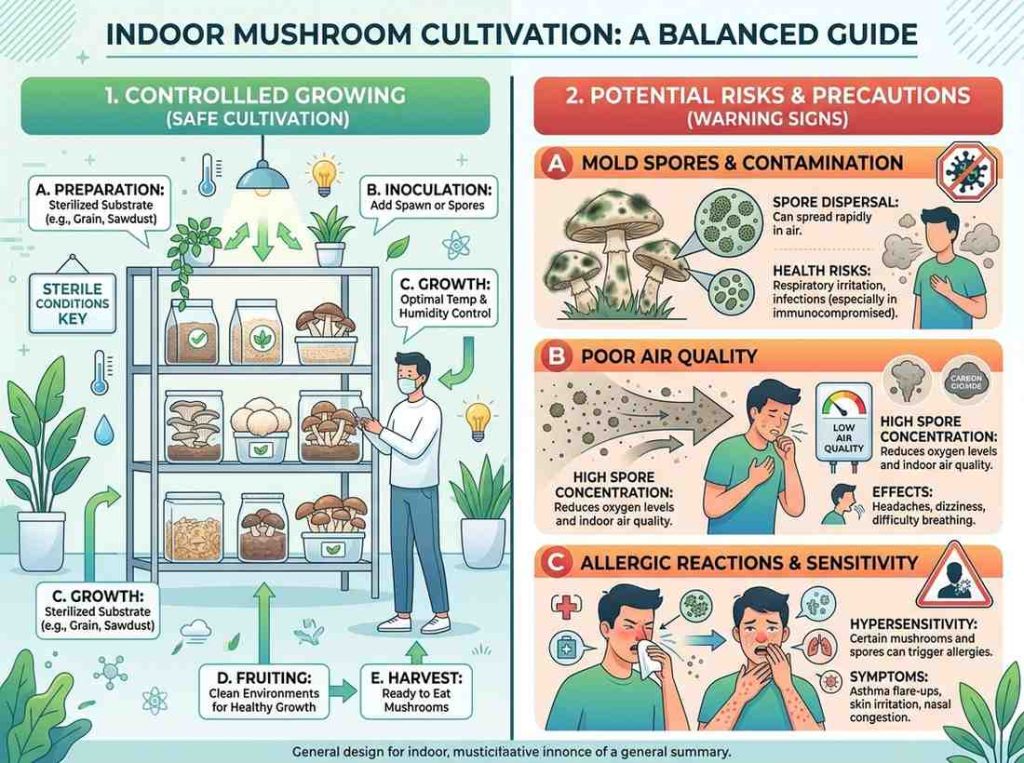
Mushrooms growing inside the house can cause serious health and safety problems. They thrive in damp, dark places and can spread quickly. The presence of mushrooms may indicate high moisture or water damage. This can lead to other issues like mold growth.
Understanding the risks helps keep your home safe. Some mushrooms are harmful if touched or eaten. Others release spores that can affect breathing. Young children and pets are especially at risk.
Some mushrooms growing indoors can be poisonous. They contain toxins that harm the body. Touching or eating these mushrooms can cause nausea, vomiting, or worse. Identifying toxic mushrooms is difficult without expert help. Never allow children or pets near unknown mushrooms. Remove mushrooms safely to avoid contact with toxins.
Mushrooms release tiny spores into the air. These spores can trigger allergies and breathing problems. People with asthma or allergies may have worse symptoms. Sneezing, coughing, and itchy eyes are common signs. Long-term exposure can damage lung health. Proper ventilation and moisture control reduce spore buildup indoors.
Children and pets are curious and may touch or eat mushrooms. This can cause poisoning or allergic reactions. Symptoms include stomach pain, dizziness, and skin irritation. Pets may show weakness or vomiting. Keep mushrooms out of reach and remove any growth immediately. Monitor children and pets for unusual symptoms.
Finding mushrooms growing inside your home can feel strange and worrying. Identifying these indoor mushrooms helps you understand if they are harmless or need attention. This knowledge keeps your home safe and clean.
Common indoor mushrooms include small white or brown fungi. They often grow in damp places like bathrooms or basements. Some types feed on wood, while others grow on soil or damp carpet. The most frequent types are indoor molds and wood-decay fungi.
Look at the mushroom cap size, shape, and color. Notice the stem length and thickness. Check the gills under the cap for color and spacing. Smell the mushroom; some have a strong, earthy odor. Spotting these features helps in basic identification.
Contact an expert if mushrooms spread quickly or appear in many places. If you see unusual colors or shapes, get a professional opinion. Also, seek help if anyone in your home has allergies or health problems. A specialist can confirm if mushrooms are harmful or safe.
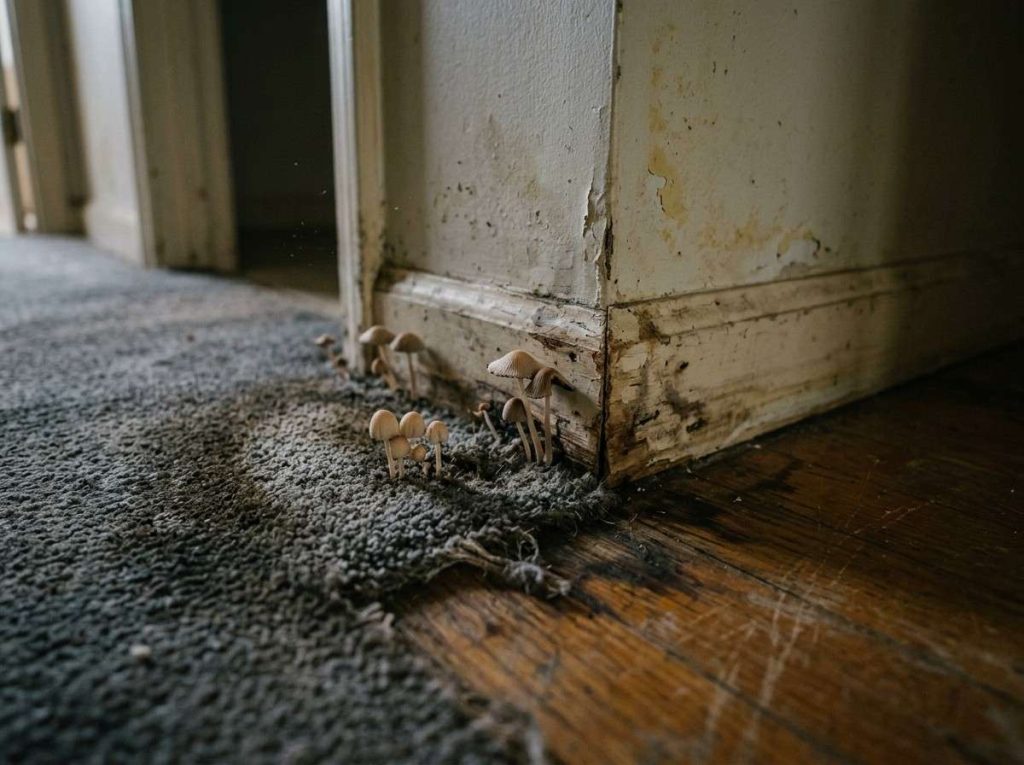
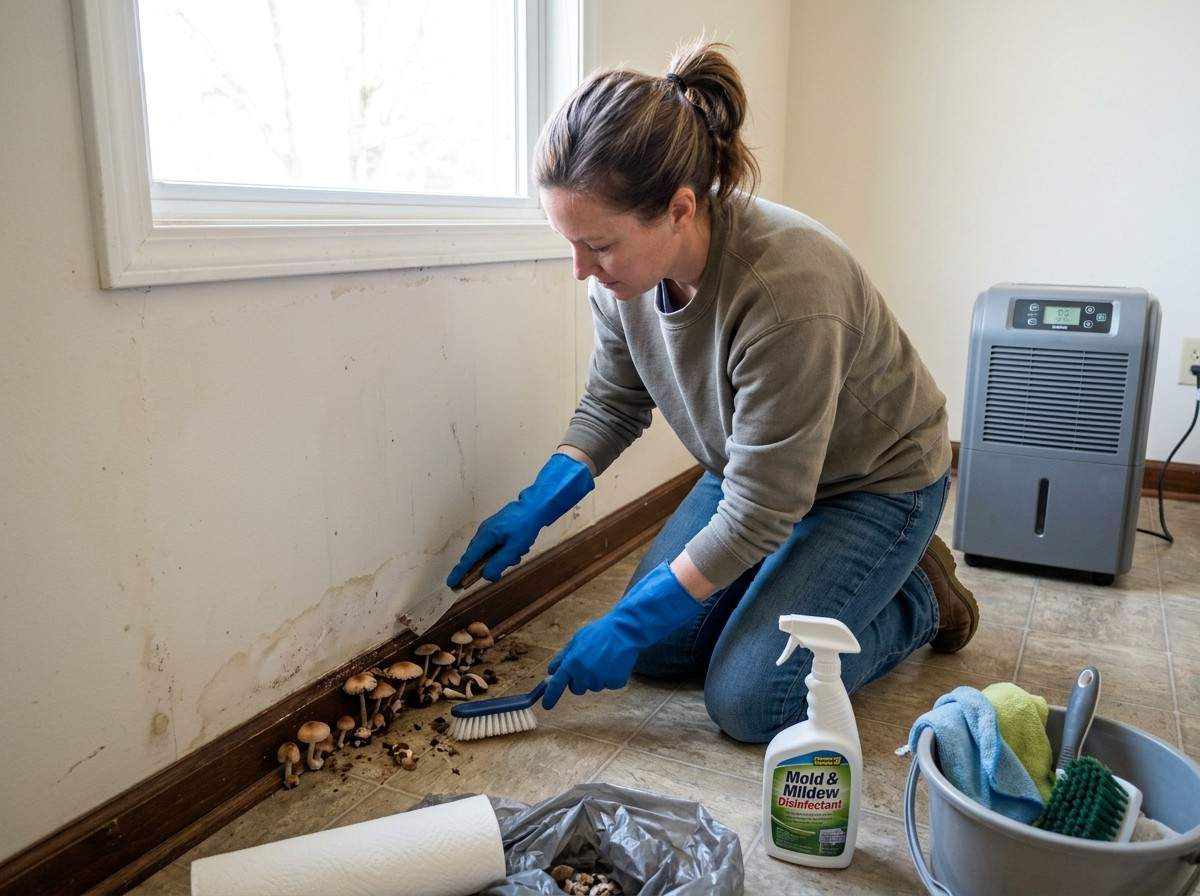
Mushrooms growing inside your home need careful cleanup. Removing them safely stops damage and health risks. Proper cleanup clears spores and stops new growth. Use the right methods and tools for best results. Follow steps to protect your home and family.
Wear gloves and a mask to protect yourself. Gently remove mushrooms by hand or with a tool. Avoid crushing mushrooms to reduce spore release. Place mushrooms in a sealed bag before disposal. Clean the area thoroughly after removal to stop regrowth.
Use a mixture of water and mild detergent for cleaning. Disinfect the area with a solution of bleach and water. Vinegar also helps kill spores without harsh chemicals. Avoid using harsh chemicals on delicate surfaces. Always test cleaning products on a small area first.
Keep windows closed to stop spores from spreading. Use a damp cloth to wipe surfaces instead of dry dusting. Dispose of cleaning materials and gloves in sealed bags. Avoid shaking cloths or brushes to reduce airborne spores. Clean tools and wash hands after the process.
Stopping mushrooms from growing inside your home starts with preventing the right conditions. Mushrooms need moisture, air, and entry points to thrive. Controlling these factors can keep your home mushroom-free. Focus on reducing dampness, improving airflow, and blocking spores.
Mushrooms grow best in damp places. Check for leaks in pipes and roofs. Fix any water damage quickly. Use a dehumidifier in rooms that feel humid. Keep bathrooms and kitchens dry after use. Avoid overwatering indoor plants. Dry areas discourage mushroom growth.
Fresh air stops moisture buildup. Open windows regularly to let air move. Use fans in rooms without windows. Ensure vents are clean and unblocked. Good airflow dries wet surfaces faster. This lowers the chance of mushrooms forming.
Mushroom spores enter through cracks and gaps. Check walls, windows, and doors for openings. Seal cracks with caulk or weatherstripping. Repair damaged screens on windows and vents. Keep your home sealed tight to keep spores out. This helps prevent new mushrooms from growing.
Finding mushrooms growing inside your home can be worrying. These fungi often signal deeper problems with moisture or decay. Knowing when to call a professional helps stop damage early. Experts can assess the situation and offer safe solutions. Act fast to protect your home and health.
Small mushrooms may look harmless at first. Watch for large groups or fast growth. Mushrooms spreading over walls or floors show serious infestation. A musty or earthy smell often comes with heavy growth. Dark spots or wet areas nearby suggest hidden decay. These signs mean it is time to get expert help.
Mushrooms need moisture to grow. That moisture can cause mold inside walls and floors. Mold harms indoor air quality and can trigger allergies. Fungi break down wood and weaken house structures. Ignoring mushrooms risks costly repairs later. Professionals find the root cause and protect your home’s frame.
Select a professional with experience in fungus and moisture problems. Check for certifications in home inspection or pest control. Ask about their process for removal and prevention. A good expert explains risks and next steps clearly. Trust matters when solving mushroom growth inside your home.
Mushrooms grow indoors due to moisture, darkness, and organic material like wood or plants.
Some mushrooms indoors can cause allergies or respiratory issues, so it's best to remove them.
Reduce moisture, fix leaks, improve ventilation, and clean organic debris to prevent mushroom growth.
Yes, certain mushrooms indicate wood rot, which can weaken your home's structure over time.
Wearing gloves is wise; some mushrooms can irritate skin or release spores that affect health.
Mushrooms growing in your house can signal moisture problems. Act quickly to find and fix water leaks or damp areas. Clean the affected spots with safe solutions to stop growth. Keep your home dry and well-ventilated to prevent mushrooms. Regular checks help catch issues before they spread.
Healthy homes mean fewer unwanted fungi. Stay alert and protect your living space every day.