Gardening Made Simple.
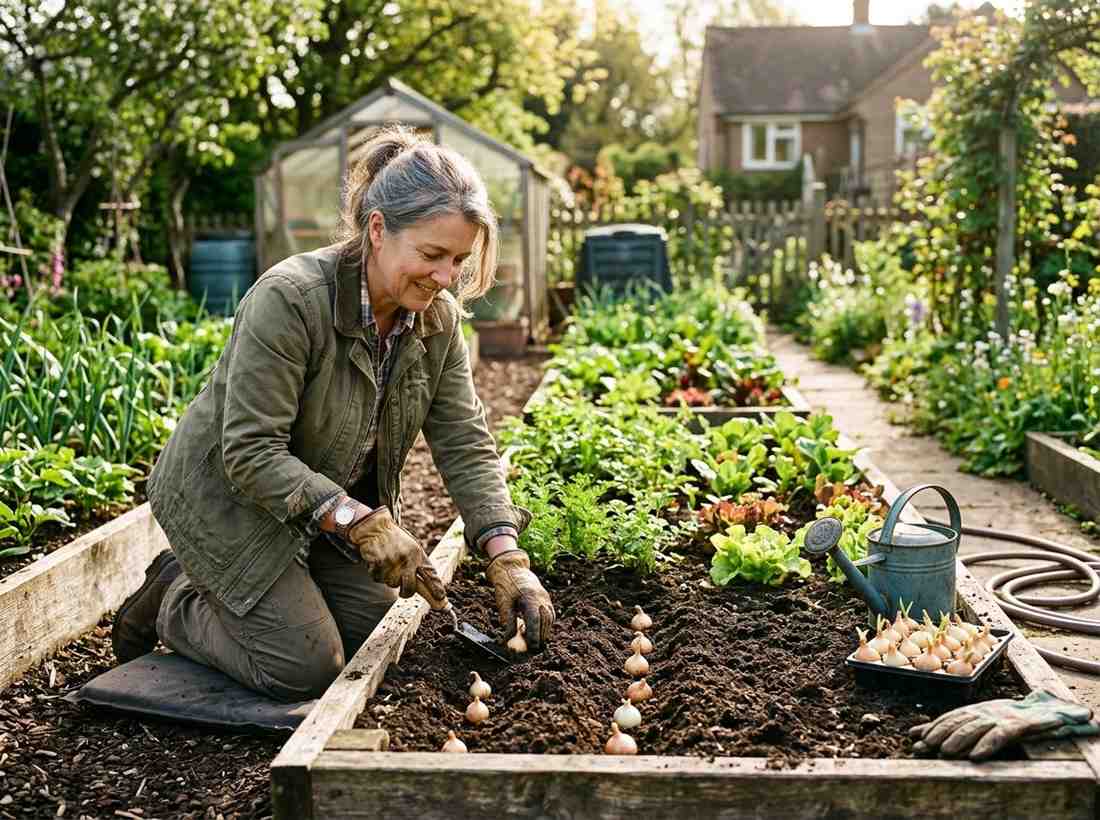
Are you wondering when is the Best Time to Plant Onion Sets for a healthy, bountiful harvest? Timing can make all the difference between small, weak onions and big, flavorful bulbs that grow successfully in your garden.
Knowing exactly when to plant your onion sets can save you time, effort, and disappointment. You’ll discover simple, clear tips to help you choose the perfect planting time. Keep reading, and you’ll be on your way to growing onions that will impress your family and friends!
Choosing the right onion sets is key to a good harvest. Onion sets are small bulbs planted to grow full onions. Picking the correct type and quality sets helps plants grow strong and healthy. This section explains how to choose the best onion sets for your garden.
Onion sets come in different types. The most common are yellow, red, and white onions. Each type has a unique flavor and use in cooking. Yellow onions are mild and sweet. Red onions have a sharper taste and bright color. White onions are strong and often used in Mexican dishes.
Onion sets also vary by size. Small sets grow slower but produce larger bulbs. Large sets grow quickly but may give smaller onions. Choose the type and size that fits your garden and cooking needs.
Good quality onion sets look firm and healthy. Avoid sets that are soft, moldy, or shriveled. Check for signs of damage or sprouting. Healthy sets have smooth skin and no cracks.
Pick sets that are about the size of a marble. This size grows well and reduces the chance of disease. Store sets in a cool, dry place until planting. Proper selection and care of sets improve your chance for a great onion crop.
Choosing the right season to plant onion sets is key for a healthy crop. Onion sets need cool weather to grow strong roots before warmer days arrive. Planting at the best time helps onions develop fully and taste great. Understanding the ideal planting seasons improves your chance of success.
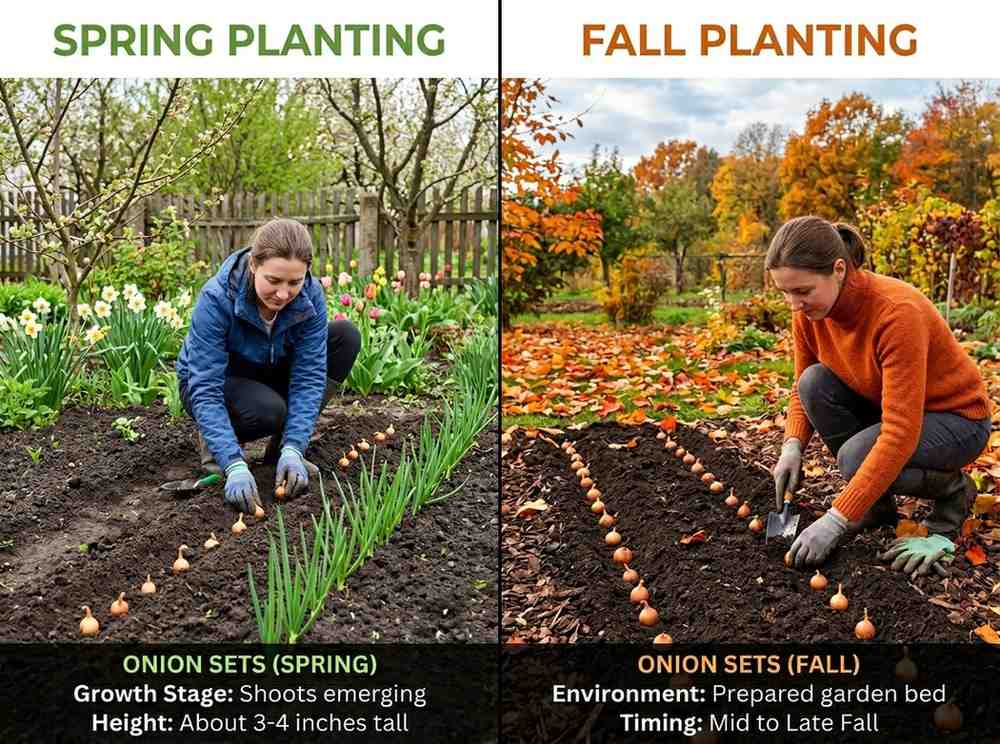
Spring is a popular time to plant onion sets. Plant them as soon as the soil can be worked. Soil should be dry and not frozen. Onions grow well in cool spring soil. They establish roots before the heat of summer. This leads to bigger, sweeter onions. Avoid planting too late in spring. Late planting can cause small bulbs or poor growth.
Fall planting works well in mild climates. Plant sets in early fall before the first frost. Onions start root growth during cooler days. They pause growth in winter but survive cold weather. In spring, they resume growing quickly. Fall-planted onions often have a longer growing season. This can lead to larger bulbs. Protect sets from very harsh winter conditions. Mulch can help keep the soil warm and moist.
Preparing the soil properly is key to growing healthy onion sets. Good soil helps onion bulbs grow big and strong. It also stops diseases and pests from damaging the crop. Taking time to ready the soil makes planting easier and gives better results.
Onions grow best in loose, well-drained soil. Heavy clay or waterlogged soil can cause bulbs to rot. Sandy loam or silty soil works well. The soil should be soft to allow roots to spread easily.
Check the soil pH before planting. Onions prefer a pH between 6.0 and 7.0. Acidic or very alkaline soil can stunt growth. Adjust pH by adding lime to raise it or sulfur to lower it.
Onions need rich soil with plenty of nutrients. Add compost or well-rotted manure before planting. This improves soil structure and adds organic matter.
Apply a balanced fertilizer to supply nitrogen, phosphorus, and potassium. Nitrogen helps leaf growth. Phosphorus supports root development. Potassium strengthens the plant and improves bulb quality.
Test the soil for nutrient levels. Add any missing nutrients based on test results. Avoid over-fertilizing, which can harm plants and cause poor bulb formation.

Climate and weather have a big impact on planting onion sets. Choosing the right time depends on local conditions. Understanding temperature and frost risks helps you protect your crop. The right timing leads to healthy onions and a good harvest.
Onions grow best in cool weather with temperatures between 55°F and 75°F. Soil should be warm enough, at least 50°F, for roots to develop. Planting too early in cold soil slows growth. High temperatures can cause onions to bolt or produce small bulbs. Watch daily temperatures before planting your sets.
Frost can damage young onion plants. Know the average last frost date in your area. Plant onion sets a few weeks before this date for early growth. Use mulch or row covers to protect from late frosts. Removing covers after frost danger passes helps plants grow strong. Frost protection improves your chances for a full harvest.
Planting onion sets properly helps them grow healthy and strong. Using the right techniques gives onions space, water, and support. This section explains key methods for planting onion sets well.
Plant onion sets about 1 inch deep. This protects bulbs from frost and supports growth. Space sets 4 to 6 inches apart in rows. Rows should be 12 to 18 inches apart. Proper spacing allows air flow and sunlight. It also helps roots grow without crowding.
Onions need regular watering to grow well. Water the soil evenly after planting. Keep soil moist but not soggy. Overwatering can cause bulbs to rot. Reduce watering as onions mature to prevent disease. Water early in the day to avoid leaf problems.
Growing onion sets is simple but not without problems. Common challenges can affect the crop's health and yield. Knowing these issues helps gardeners prepare better.
Pests and diseases often harm onion sets. They reduce growth and cause crop loss. Understanding these threats is key to keeping onions healthy.
Onion sets attract pests like onion maggots and thrips. These insects feed on bulbs and leaves, damaging the plants. Diseases such as onion white rot and downy mildew also attack. They cause rotting and weak growth. Regular checks and early action protect the crop well.
Poor growth can result from bad soil or weather. Onions need loose, well-drained soil and enough sunlight. Overwatering or drought slows growth too. Fertilizing with balanced nutrients boosts the plant’s health. Remove weak or unhealthy plants to help others thrive.
Harvest timing is key to growing healthy onions from sets. Picking onions too early or too late can affect their taste and storage life. Knowing the right signs helps you harvest at the best moment. Proper handling after harvest keeps onions fresh and ready for use.
Onions are ready to harvest when their tops fall over and dry. The leaves turn yellow or brown. The bulbs grow large and firm under the soil. Check a few onions by gently digging around them. If the skins are papery and dry, it means they are mature.
After harvesting, leave onions in a dry place to cure. Spread them out with space between each bulb. Let them dry for two to three weeks. This process toughens the skins and helps prevent rot. Store onions in a cool, dry, and dark spot for longer freshness.

Plant onion sets in early spring, usually March or April, for the best growth.
Onion sets typically take 90 to 120 days to mature and be ready for harvest.
Onion sets can be planted in fall in mild climates for a winter harvest.
Plant onion sets about 1 inch deep in loose, well-drained soil for good growth.
Yes, onion sets grow best in full sun with at least 6 hours of light daily.
Plant onion sets at the right time for best growth. Early spring is often ideal, but local climate matters. Soil should be ready—loose and well-drained. Plant sets a few weeks before the last frost. Water regularly but avoid waterlogging the soil.
Watch your onions grow and enjoy a healthy harvest. Timing helps onions develop strong roots and bulbs. Remember, good care leads to better onions in your garden. Start with small steps and learn as you go. Gardening is rewarding when you give plants what they need.