Gardening Made Simple.
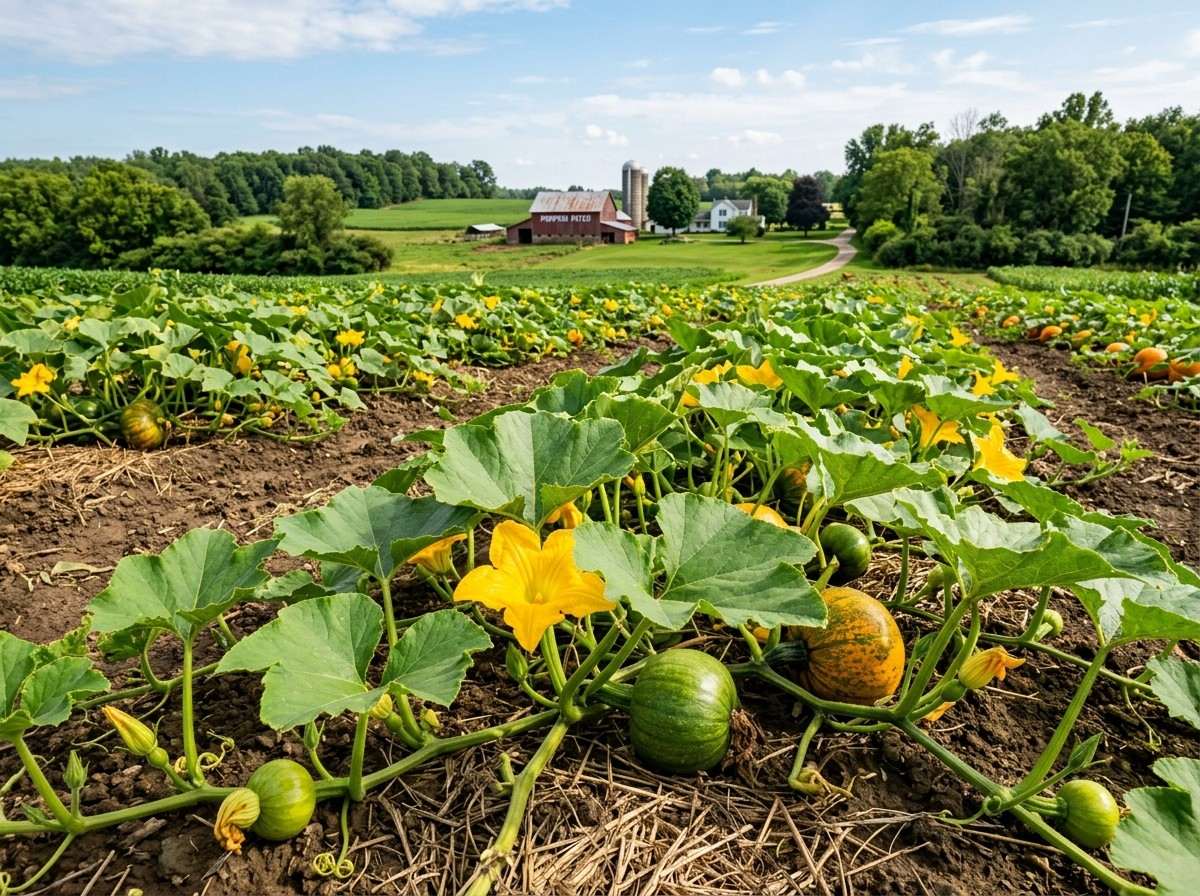
Pumpkins are a classic symbol of autumn in Ohio. From bright orange Jack-o’-lanterns to sweet pies, these cheerful squash fill gardens and stores every fall. But growing pumpkins successfully means knowing when to plant pumpkins in Ohio so the plants have enough warm weather to grow, flower, and produce mature pumpkins before the first fall frost. This guide will help you understand the best planting time and key factors for a successful harvest.
Timing is everything: plant too early, and your vines may be damaged by frost; plant too late, and you might not get fully mature pumpkins before cold weather returns. In Ohio, where weather can be unpredictable, understanding the best planting window can make all the difference between a bumper harvest and disappointment.
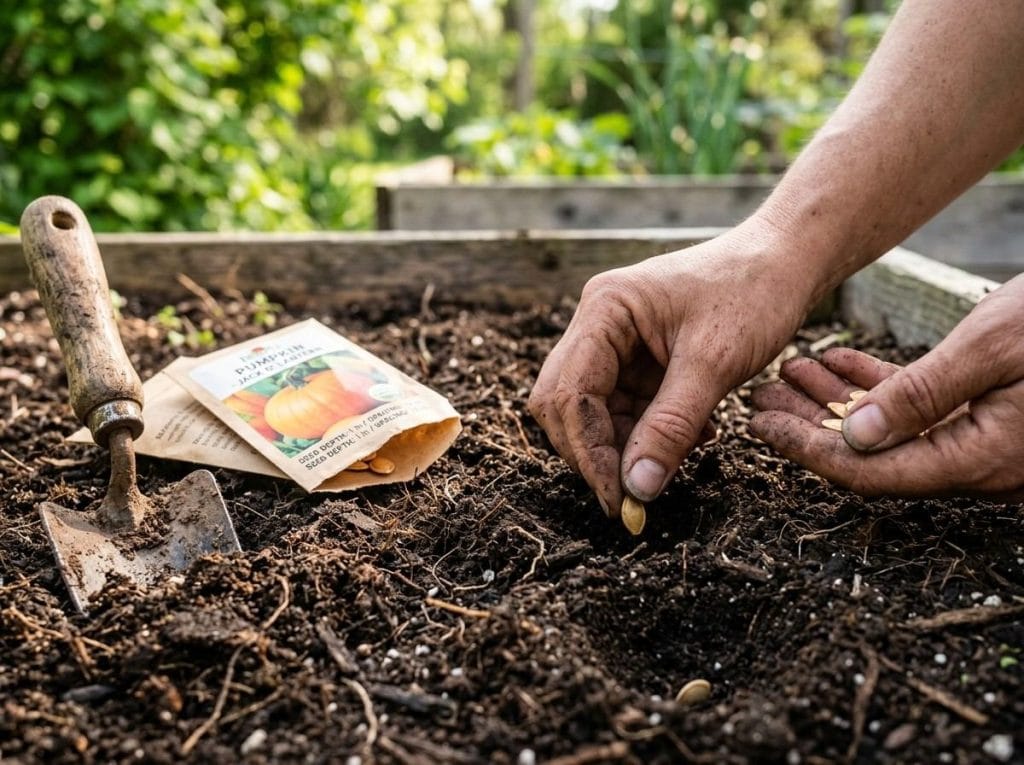
This article will guide you through the process of choosing the right planting time for pumpkins in Ohio. You’ll learn about frost dates, soil conditions, climate zones, and how to make smart decisions for your garden. We’ll also look at different pumpkin varieties, practical planting strategies, and common mistakes to avoid.
By the end, you’ll have a clear plan for when and how to plant pumpkins in Ohio, and answers to the most frequent questions gardeners ask.
Ohio’s climate is mostly humid continental, which means hot summers and cold winters. The growing season varies across the state, but most regions enjoy warm weather from mid-May to early October. This period is crucial for pumpkin growth, as pumpkins need both warmth and a long season to reach maturity.
The last spring frost and the first fall frost are key dates for pumpkin growers. Pumpkins are sensitive to cold, especially during sprouting and early growth.
Pumpkins need about 90–120 days to mature. If you want pumpkins ready for Halloween, you’ll need to work backwards from late October and ensure plants have enough time to grow.
Ohio is split into several USDA hardiness zones:
| Region | Hardiness Zone | Last Spring Frost | First Fall Frost |
|---|---|---|---|
| Southern Ohio | 6b–7a | April 20–30 | October 10–20 |
| Central Ohio | 6a | May 5–15 | October 1–10 |
| Northern Ohio | 5b–6a | May 15–25 | October 1–10 |
Knowing your zone helps you decide when to plant. Zones 6a and 6b are common in Ohio, but always check your local frost dates for accuracy.
Pumpkins should be planted after the danger of frost has passed and the soil has warmed to at least 60°F (16°C). This is usually between early May and early June for most Ohio regions.
Planting too early risks seed rot or frost damage. Planting too late may result in immature pumpkins, especially if you want them for Halloween.
Pumpkin plants grow quickly in warm weather. They need at least 100 frost-free days to produce full-sized fruit. For smaller varieties, 90 days might be enough, but larger pumpkins require more time.
Not all pumpkins are the same. Some need more time to mature, while others are ready faster. Choosing the right variety for your region and planting window increases your chances of success.
| Variety | Days to Maturity | Typical Use |
|---|---|---|
| Jack-o’-Lantern | 100–110 | Carving |
| Small Sugar | 95–100 | Pies |
| Connecticut Field | 110–120 | Decorative |
| Baby Bear | 85–100 | Mini |
| Big Max | 120–130 | Giant |
If your growing season is shorter, choose a variety with fewer days to maturity. For northern Ohio, mini or pie pumpkins are often a safer bet.
Many beginners only look at the pumpkin’s size, but days to maturity is much more important for timing. Also, some hybrids bred for disease resistance can mature faster—ask local garden centers for recommendations.
Healthy soil is key for growing pumpkins. Pumpkins need nutrient-rich, well-drained soil and plenty of space to spread their vines.
Pumpkins need full sun—at least 6–8 hours per day. Space hills or rows 4–8 feet apart, depending on variety. Vines can spread far, so plan for their growth.
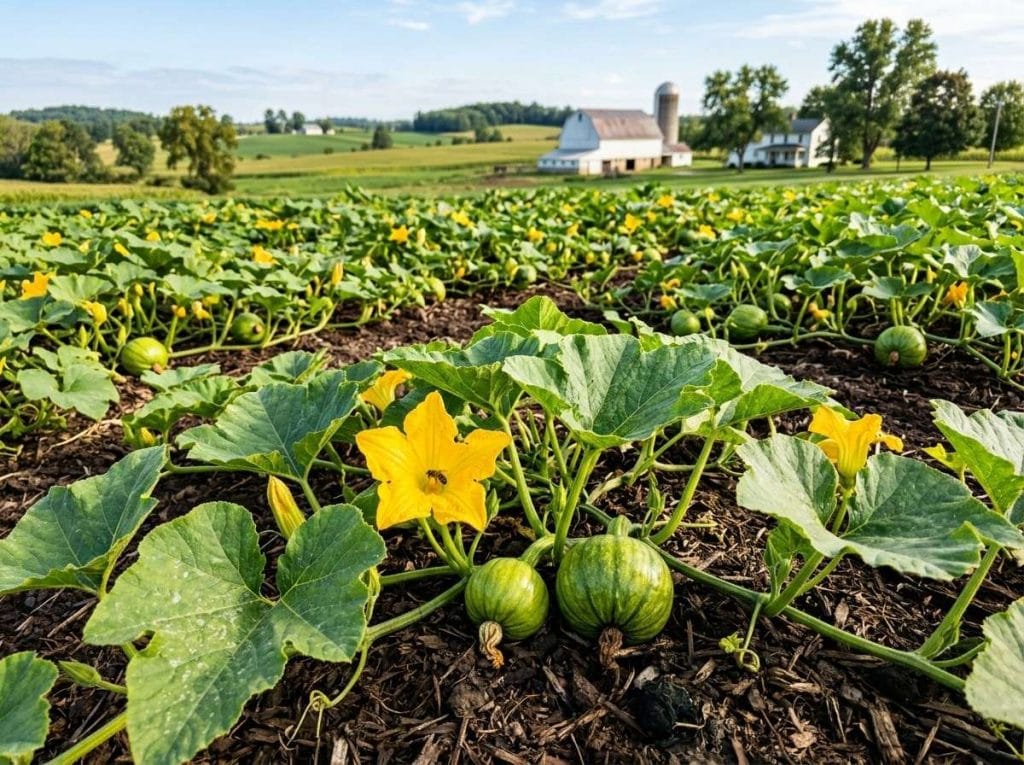
Most Ohio gardeners direct sow pumpkin seeds, but some start seeds indoors for an earlier crop.
Direct sowing works best because pumpkin roots dislike being disturbed. Seeds sprout in 7–10 days if soil is warm.
Some gardeners start seeds indoors 2–3 weeks before the last frost. This gives plants a head start, especially in cooler northern regions.
Transplanting can help if you have a short season, but avoid starting too early. Seedlings can become “root bound” or stressed if kept indoors too long.
Many beginners try to transplant pumpkins like tomatoes. But pumpkin roots are sensitive—if you must transplant, use biodegradable pots and handle gently.
Proper care in the first weeks sets up your pumpkins for strong growth.
Pumpkins are heavy feeders. Fertilize with a balanced (10-10-10) fertilizer when planting, and again when vines start growing.
Even experienced gardeners can make mistakes. Here are the most frequent errors—and how to avoid them.
Knowing when to plant is just the start. You also need to plan for harvest.
Pumpkin seed packets list “days to maturity. ” This is from planting to harvest. Count backwards from your desired harvest date.
Example:
Pumpkins are ready when:
Cut pumpkins with a few inches of stem. Handle gently to avoid bruising.
If you plant ‘Jack-o’-Lantern’ seeds in central Ohio on May 15, expect harvest around late August to early September. This gives you plenty of time for Halloween decorations.
Even if you’re a beginner, a few advanced strategies can boost your harvest.
Row covers protect young plants from frost and pests. Remove covers when vines flower to allow pollination.
Planting in two waves (early and late May) can extend your harvest. This is useful if you want both early pies and late carving pumpkins.
Pumpkins need bees for pollination. Avoid using pesticides during flowering. If bee activity is low, hand pollinate by moving pollen from male to female flowers with a small brush.
Get a soil test in spring. Many Ohio counties offer testing services. This tells you exactly what nutrients your soil needs.
Some gardeners forget about vine pruning. Pinching off the tips after a few pumpkins have set can help plants focus energy on fewer, larger fruit.
Here’s a quick comparison of direct sowing vs. transplanting for Ohio pumpkin growers:
| Method | Pros | Cons | Best For |
|---|---|---|---|
| Direct Sowing | Simple, less stress on roots | Depends on warm soil, risk from late frost | Most Ohio regions |
| Transplanting | Earlier crop, good for short seasons | Risk of transplant shock, more work | Northern Ohio, late frost areas |
Smith Family Farm in central Ohio plants ‘Jack-o’-Lantern’ pumpkins every year. They start planting around May 10, after checking soil temperature and local frost forecasts. The family uses direct sowing for most fields, but transplants a few hills in peat pots for an earlier crop.
Last year, they harvested over 2,000 pumpkins for Halloween. Their secret? Careful timing, crop rotation, and using mulch to manage weeds. They also scout for pests daily and use row covers until flowering.
This real-world example shows that success comes from combining good timing, soil care, and attention to detail.
Local extension offices, garden clubs, and agricultural universities are great sources of advice. The Ohio State University Extension offers detailed guides, frost date charts, and soil testing. You can find up-to-date information from the Ohio State University Extension.
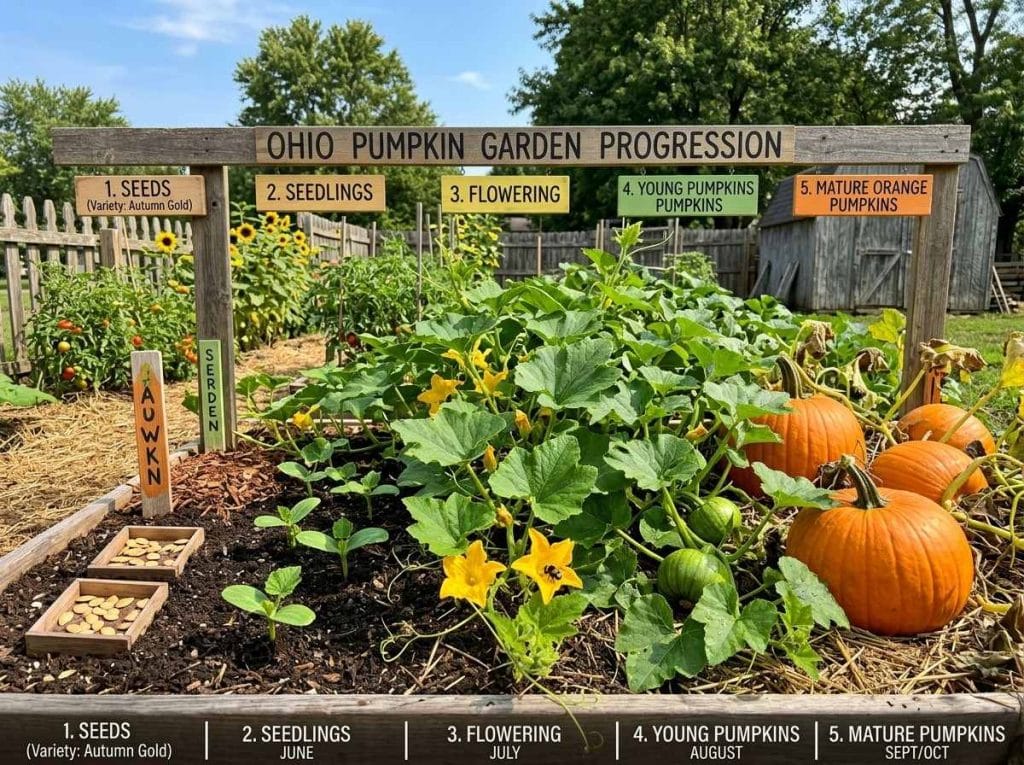
The earliest safe planting is after the last spring frost and when soil reaches 60°F. In southern Ohio, this could be late April or early May. Always check your local frost date before planting.
Yes, you can start seeds indoors 2–3 weeks before the last frost using peat pots. This helps in northern regions with short seasons. Be careful not to start too early—plants can become root bound or stressed.
The latest planting is early June for most regions. Later planting risks immature pumpkins before fall frost. Always count back from your target harvest date and choose varieties with shorter days to maturity if planting late.
‘Jack-o’-Lantern’, ‘Small Sugar’, ‘Connecticut Field’, and ‘Baby Bear’ are popular. Choose based on your growing season—short-season varieties are better for northern Ohio.
Common reasons include cold soil, planting too early, or overwatering. Make sure soil temperature is at least 60°F, and avoid planting before the last frost. Use fresh seeds and keep soil moist, not soggy.
Pumpkin planting in Ohio can be rewarding and fun. By understanding your region’s climate, choosing the right varieties, and preparing your soil carefully, you’ll enjoy a healthy harvest of pumpkins for carving, cooking, or decorating. With these practical tips and local insights, your garden can become a fall showpiece—and your pumpkins will be ready right on time.