Gardening Made Simple.
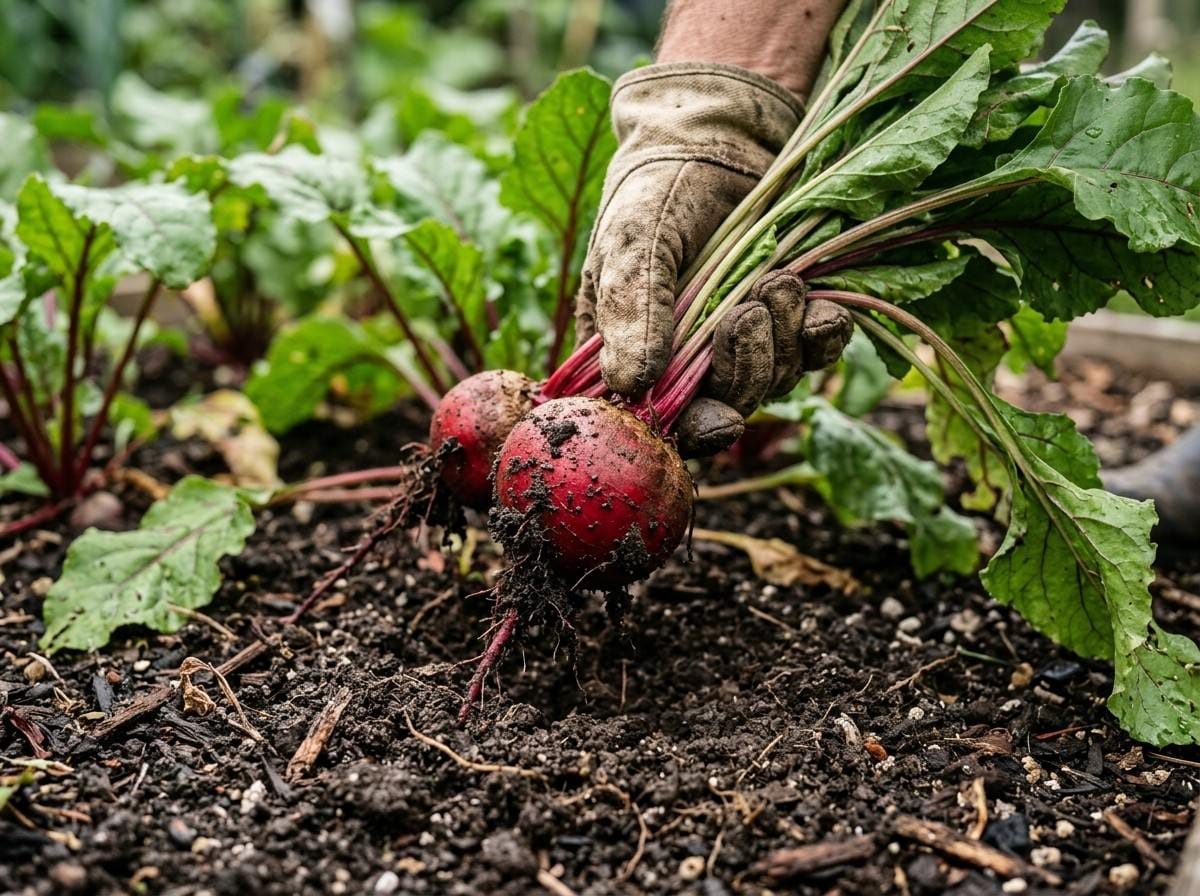
Growing your own beets can be a rewarding experience. These root vegetables are packed with nutrients and add bright color to your garden and your plate. But knowing how to harvest beets at the right time is key to getting the best flavor, texture, and yield. Harvesting too early can mean small, tough roots, while waiting too long can lead to woody, fibrous beets.
This article will guide you through each step of harvesting beets, from recognizing the perfect moment to picking, cleaning, and storing them. You’ll learn practical tips, common mistakes, and ways to make your beet harvest easier and more successful.
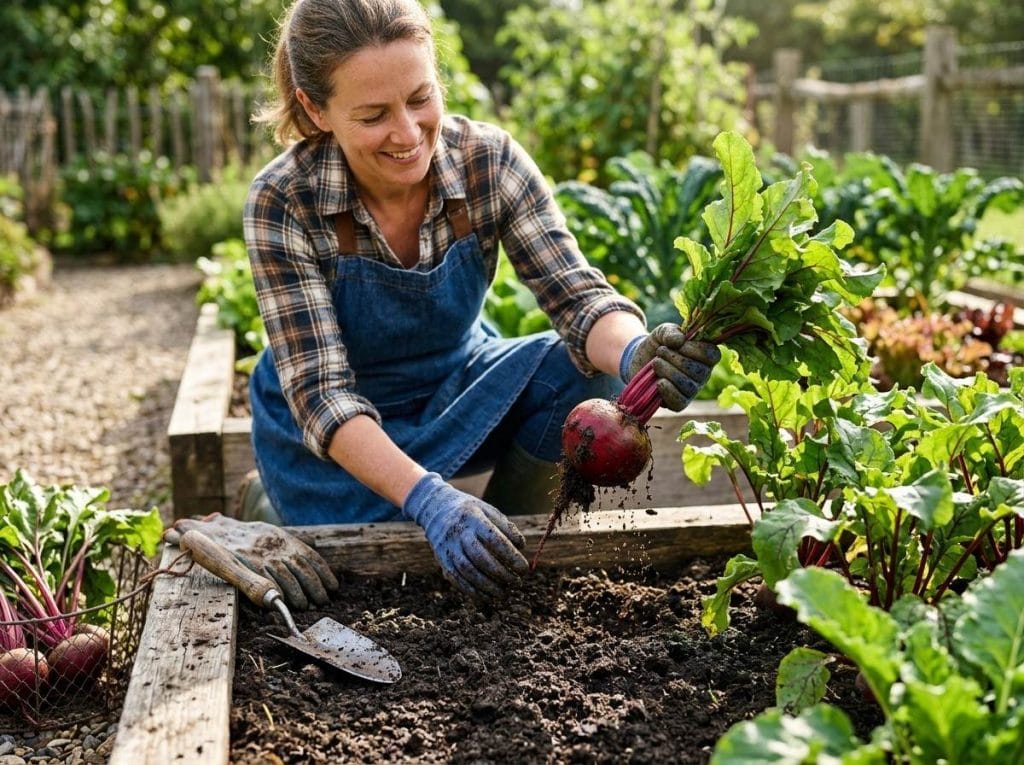
Beets, also known as Beta vulgaris, are cool-season crops. They grow best in temperatures between 50°F and 70°F. A typical beet plant takes about 50 to 70 days from seed to maturity, but this can vary depending on the variety and growing conditions.
Most gardeners grow red beets, but there are also golden, striped, and white varieties. Each beet type matures at a different rate, so it’s important to know the specifics for your plants.
Here’s a quick look at how beet varieties compare in terms of maturity:
| Beet Variety | Days to Maturity | Root Size at Harvest |
|---|---|---|
| Detroit Dark Red | 55-65 | 1.5-3 inches |
| Golden Beet | 50-60 | 1.5-2.5 inches |
| Chioggia | 60-70 | 2-3 inches |
| White Beet | 55-65 | 1.5-2.5 inches |
A common mistake is to assume all beets mature at the same speed. Always check your seed packet or research your specific variety.
Harvesting beets at the right time will give you the best texture and flavor. Here’s how to know when your beets are ready:
For baby beets, harvest when the roots are about 1 inch wide. For larger, storage beets, wait until they reach maximum size but before they get woody.
Proper preparation makes harvesting easier and helps preserve your beets’ quality. Here are steps to get ready:
A non-obvious tip: If your soil is very compacted, loosen it gently with a fork before harvesting. This reduces the risk of breaking the roots.
Harvesting beets is simple, but technique matters if you want to avoid damaging them. Follow these steps:
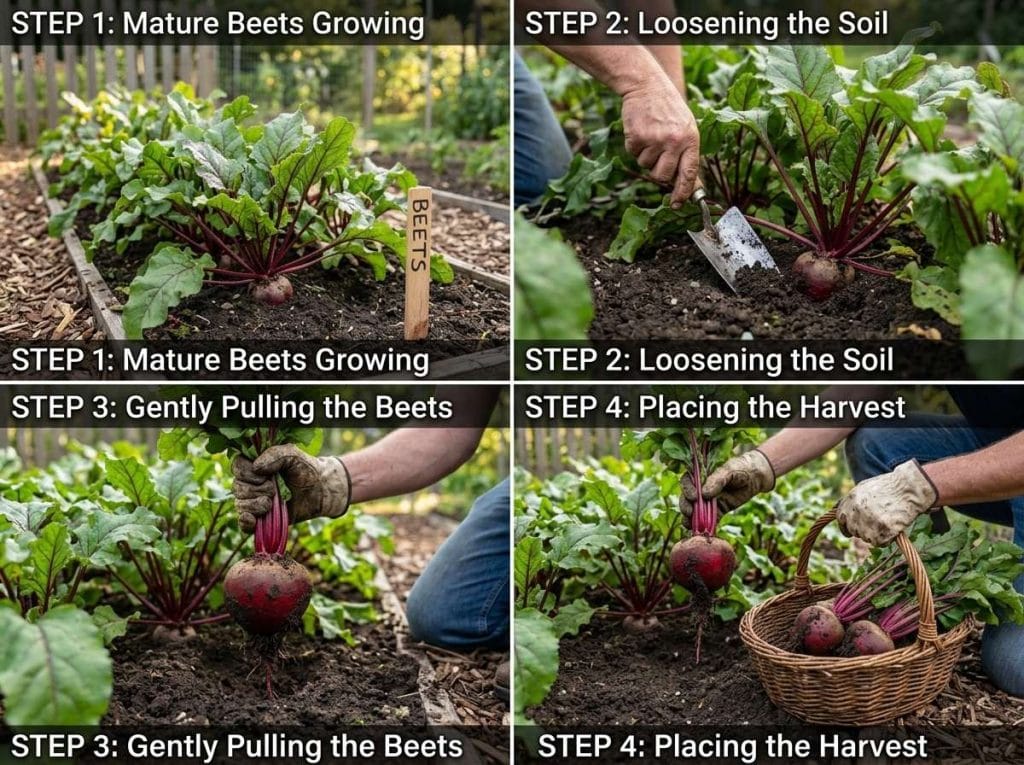
Insert your garden fork or trowel into the soil about 2–3 inches away from the beet. Gently rock it back and forth to loosen the soil.
Hold the beet leaves close to the base, right above the root. Avoid pulling from the tips, as leaves can tear easily.
Pull up slowly and steadily. If the root resists, loosen the soil a bit more. Don't yank hard—broken roots rot faster and lose flavor.
Once the beet is out, gently shake off excess soil. Avoid washing them right away if you plan to store them, as moisture encourages rot.
Place harvested beets in a basket or bucket. Keep them out of direct sunlight to prevent wilting.
If you plan to store beets, cut off the leaves about 1 inch above the root. Do not remove the taproot or thin tail; this helps prevent bleeding and preserves freshness.
Learning these simple steps will help you get healthy, tasty beets every time.
Beet greens are edible and highly nutritious. You can harvest these even before the roots mature, or together with the roots.
Greens are best when young and tender. Mature leaves can be tough and bitter, but are still good for soups or stir-fries.
Let’s compare beet greens to other common leafy vegetables:
| Leaf Vegetable | Vitamin A (IU per 100g) | Vitamin C (mg per 100g) | Iron (mg per 100g) |
|---|---|---|---|
| Beet Greens | 6326 | 30 | 2.7 |
| Spinach | 9377 | 28 | 2.7 |
| Kale | 4812 | 120 | 1.5 |
Beet greens are excellent for salads and cooking. If you don’t want to eat them, consider composting—they add valuable nutrients to garden soil.
After harvesting, proper cleaning and storage will keep your beets fresh for weeks or even months.
Stored this way, beets can last 3–5 months.
Here’s a quick comparison of storage methods:
| Storage Method | Expected Shelf Life | Notes |
|---|---|---|
| Refrigerator | 1–3 months | Best for small harvests |
| Root Cellar | 3–5 months | Needs cool, humid environment |
| Freezing | 8–12 months | Beets must be cooked first |
| Canning | 1–2 years | Requires proper canning technique |
If you want to freeze or can your beets, cook them first. Boil whole beets until tender, peel, then slice or dice as needed.
A beginner mistake: Storing beets with apples or pears. These fruits release ethylene gas, which can cause beets to spoil faster.
Getting the most from your beet crop takes planning and care. Here are some advanced tips:
A tip many miss: Rotate your beet patch each year. Beets are sensitive to soil-borne diseases, so moving them prevents problems.
Beet harvesting timing can change based on your local climate.
In all climates, pay attention to local weather and soil conditions. If you’re not sure, test-harvest a few beets and check their size and flavor.
Even experienced gardeners face challenges. Here’s how to fix or avoid common issues:
If you’re unsure, cut open a beet. Woody texture or pale color means it’s past its prime.
Once you have a basket full of beets, there are many ways to enjoy them.
Beets are also used in smoothies, juices, and even desserts. Their deep color and earthy flavor add a unique touch to many recipes.
A non-obvious insight: Beet juice can stain hands and surfaces. Wear gloves and use cutting boards when preparing large harvests.

Look for shoulders pushing above the soil and roots about 1.5–3 inches wide. Count days since planting (50–70 days) and check for healthy leaves.
Yes. Cut a few leaves from each plant, leaving 1–2 inches above the root. Avoid taking all leaves at once, or roots may stop growing.
Trim the tops, brush off dirt, and store in a cool, humid place (32–40°F). Root cellars are ideal, but refrigerators work for small harvests.
Usually caused by crowding, poor soil, or too much nitrogen. Thin seedlings early, use balanced fertilizer, and check soil pH.
No. Beets must be cooked before freezing. Boil or steam, peel, slice, then freeze in airtight containers.
Harvesting beets is both an art and a science. With the right timing, technique, and care, you’ll enjoy sweet, tender roots and nutritious greens. Remember to check the signs of maturity, prepare your soil, and store your harvest properly. For more in-depth guidance and beet recipes, visit GrowVeg.
With patience and attention, your beet crop will reward you with flavor, color, and nutrition. Happy harvesting!